Like
Share
멍실장
강아지수술 마취, 안전할까? 위험도 평가부터 회복 관리까지

Is Dog Surgery Anesthesia Safe? From Risk Assessment to Recovery Management

ImmunityQ&AMeongsiljang Veterinary Advisory Board

We’ve compiled essential information for pet owners on the safety and risk assessment criteria for canine surgical anesthesia, the anesthesia process, management of high-risk patients, and postoperative recovery.

Is Dog Anesthesia Really Safe?
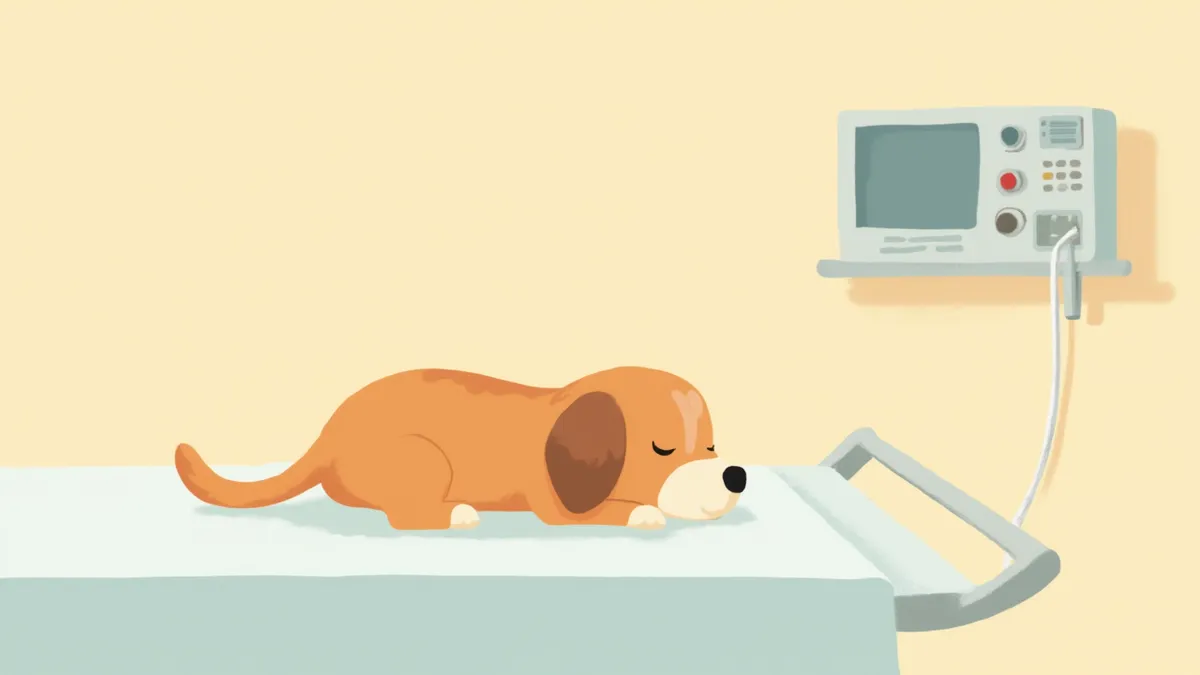
A puppy peacefully asleep under anesthesia, with monitoring equipment in place
Anesthesia for dog surgery is an essential medical process that ensures safety by confirming the dog's suitability for anesthesia through preoperative blood tests and ASA (American Society of Anesthesiologists) grading. According to veterinary anesthesia textbooks, anesthetic complications are extremely rare in healthy dogs. However, the risk level can vary depending on age, underlying conditions, and breed, so it is crucial to assess the anesthetic risk through blood tests and a physical examination before surgery. By conducting thorough preoperative checks and developing an anesthesia plan tailored to your dog's condition, most surgeries can proceed safely.

Why Pre-anesthetic Testing Is Essential

Pre-anesthetic testing ensures your pet can safely tolerate anesthesia. Even if they appear healthy, underlying liver or kidney issues may be present.
Blood tests: These check liver and kidney function, blood sugar levels, and electrolyte balance. Since anesthetic drugs are metabolized by the liver and kidneys, it’s essential to confirm these values are within normal range.
Physical examination: This assesses overall health, including heart murmurs, respiratory status, and body temperature.
Additional tests: For senior dogs or those with heart murmurs, additional diagnostics such as chest X-rays or cardiac ultrasounds may be performed. The veterinarian will use these results to determine the appropriate type and dosage of anesthetic drugs.

Anesthesia Risk Grade Classification

Veterinarians assign an anesthesia risk grade to each dog based on its overall health. This grading follows the modified American Society of Anesthesiologists (ASA) Physical Status Classification System, using results from pre-anesthetic testing.
GradeHealth StatusRisk Level
Grade 1 (ASA I)Healthy dogVery low
Grade 2 (ASA II)Mild to moderate systemic diseaseLow
Grade 3 (ASA III)Severe systemic disease (but still ambulatory)Moderate
Grade 4 (ASA IV)Severe systemic disease (debilitating)High
The modified ASA Physical Status Classification System used in veterinary medicine consists of four grades, I through IV. Dogs classified as Grade 1 or 2 can typically undergo anesthesia safely using standard protocols. For higher grades, we implement more thorough pre-anesthetic preparation and intensive monitoring during surgery.

How Anesthesia Is Administered

Anesthesia for dogs is generally carried out in three main stages.
Pre-medication: About 30 minutes before surgery, sedatives and pain relievers are administered. This helps reduce your dog’s anxiety and lowers the amount of anesthetic needed for the main procedure.
Induction: An anesthetic is given via intravenous injection to induce unconsciousness, after which a tube is placed in the airway to ensure stable breathing.
Maintenance: Inhalant anesthetics are used to carefully control the depth of anesthesia throughout the surgery. Vital signs—including heart rate, blood pressure, oxygen saturation, and body temperature—are monitored in real time to ensure safety.
It is also important to administer additional pain relief after surgery to minimize discomfort as your dog wakes up.
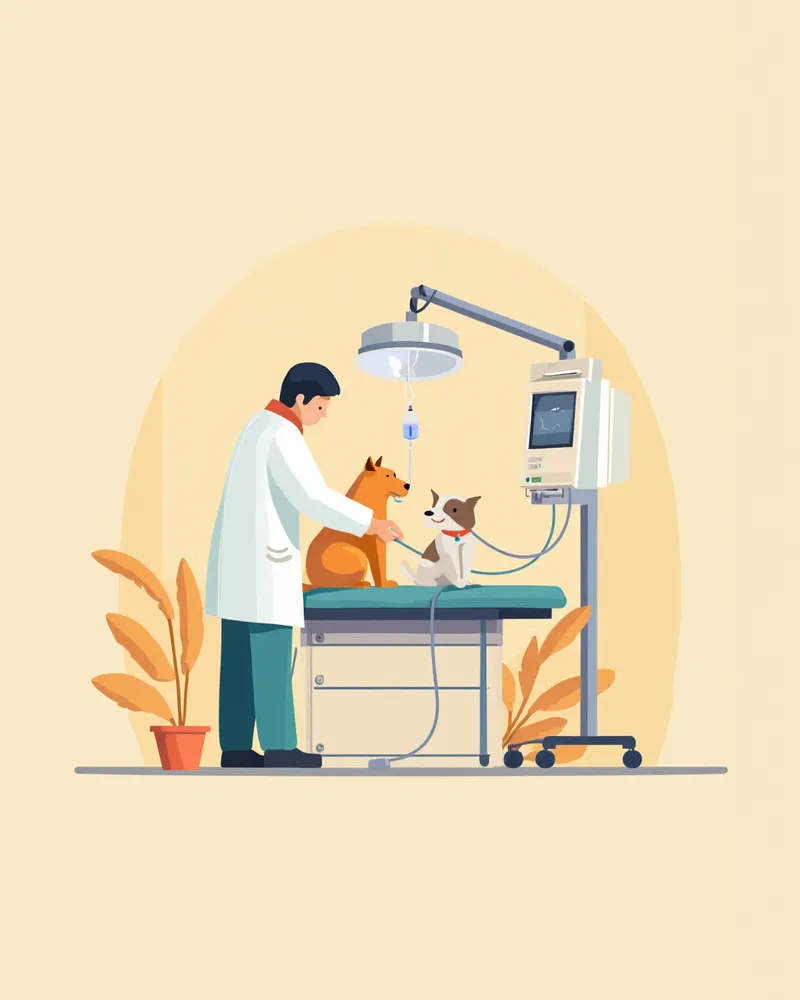
A veterinarian preparing anesthesia equipment for a dog's surgery

Preoperative Fasting Must Be Strictly Followed

If vomiting occurs during anesthesia, food can enter the airway and cause aspiration pneumonia. Veterinary anesthesia textbooks emphasize the importance of preoperative fasting as part of patient preparation. The required fasting period varies depending on the dog’s age, health status, and type of surgery, so it is crucial to follow your veterinarian’s fasting instructions precisely. However, in puppies or dogs with diabetes, fasting may pose risks such as hypoglycemia, so the fasting duration may need to be individually adjusted. Always follow your veterinarian’s guidance.

High-Risk Dogs Require More Careful Preparation

Not all dogs face the same anesthesia risks. If your dog falls into any of the categories below, additional pre-anesthetic testing and close monitoring are essential.
Senior dogs: Veterinary studies identify age as a risk factor for perioperative complications and mortality. Aging can alter cardiovascular, hepatic, and renal function, affecting how anesthesia drugs are metabolized and how blood pressure is maintained. The age at which a dog is considered senior varies by breed and size, so a tailored anesthesia plan should be developed after thorough blood work, cardiac evaluation, and assessment of hydration status.
Overweight or obese dogs: Body condition and physique can influence anesthesia drug dosing and effects. Discuss a detailed anesthesia plan with your veterinarian.
Dogs with heart disease: General anesthetics can suppress the cardiovascular system, making these dogs especially vulnerable to changes in blood pressure and heart rate during anesthesia.
Dogs with respiratory disease: Impaired lung function reduces gas exchange, increasing the risk of hypoxia. Extra care is needed with endotracheal intubation, respiratory management, and perioperative oxygen supplementation.
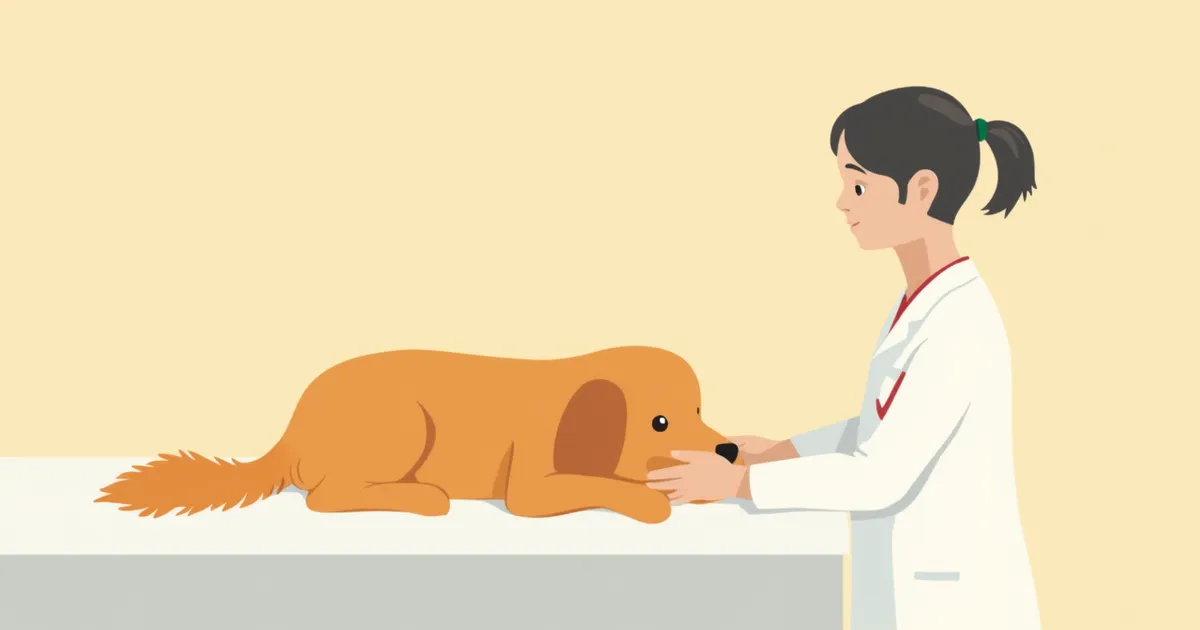
An elderly dog undergoing a pre-surgical examination

Postoperative Recovery: How to Manage It

The recovery process after anesthesia is also a crucial point of care.
Maintaining body temperature: Body temperature tends to drop during anesthesia. Please keep your pet warm using a blanket or heating pad.
Food and water: Withhold food and water until your veterinarian gives the go-ahead. Typically, start with a small amount of water a few hours after surgery, followed by small portions of easily digestible, soft food.
Restricting activity: Avoid strenuous movement until the surgical site has fully healed. Keep walks short and prevent jumping or climbing stairs.
Administering pain medication: Give the prescribed pain medication exactly as directed by your veterinarian. Never administer human pain relievers, as they can be fatal to dogs.
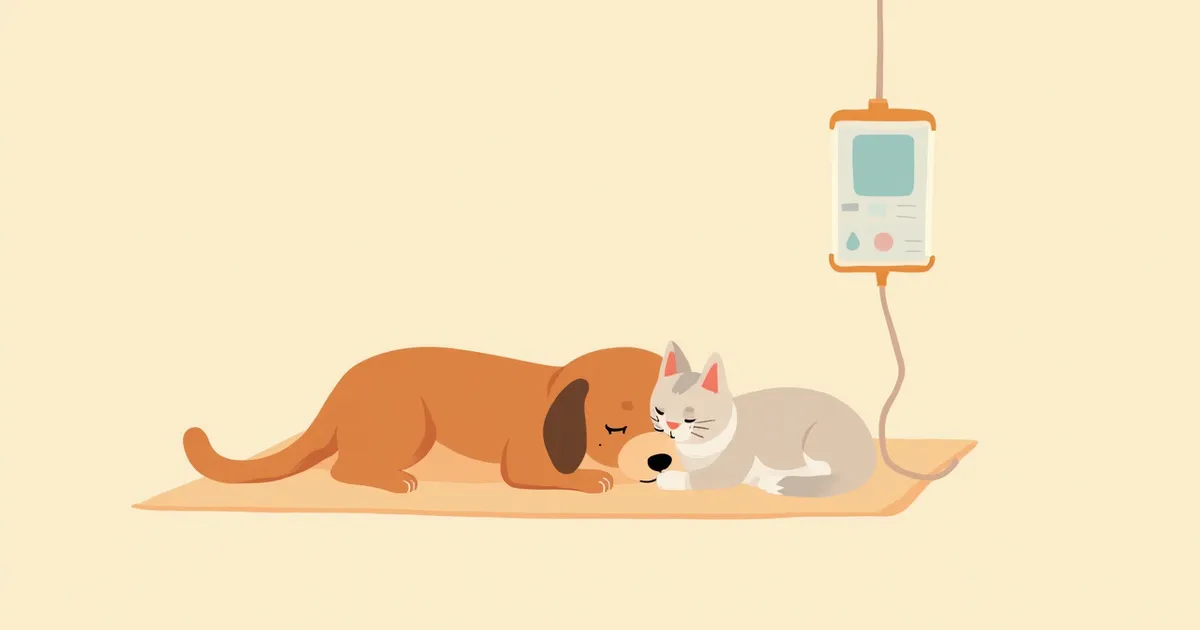
A puppy recovering under a warm blanket after surgery

Brachycephalic and Specific Breeds Have Higher Anesthesia Risks

Brachycephalic breeds such as Bulldogs, Pugs, and Shih Tzus are prone to respiratory complications during anesthesia due to their short snouts and narrow airway anatomy. In these dogs, the already constricted upper airway can become more easily obstructed when muscles relax under sedation or anesthesia, requiring special caution. Veterinary anesthesia textbooks recommend that patients with upper airway obstruction be intubated immediately after induction to secure the airway, and that supplemental oxygen be prepared for use throughout the procedure. Additionally, patients with compromised lung function have reduced gas exchange, making them susceptible to hypoxemia; therefore, respiratory status and oxygen saturation must be closely monitored before and after anesthesia, and careful observation should continue during recovery until breathing stabilizes. For dogs of breeds requiring such specialized airway and respiratory management, it is advisable to entrust their surgery to veterinarians with extensive experience in anesthetizing these specific breeds.

Reviewed by a veterinarian

Dr. Tony — Punnawat Phongkittirak

Dr. Tony — Punnawat Phongkittirak

Veterinarian

A veterinarian who majored in veterinary medicine at Khon Kaen University, Thailand, and completed the IVSA program at North Carolina State University in the United States. Drawing on clinical experience at animal hospitals, he works in the pet healthcare field and is dedicated to building a digital care environment that connects pet parents with veterinarians.

Frequently Asked Questions

Can a dog die during anesthesia?
Anesthesia-related death is extremely rare in healthy dogs. However, the risk can increase if your dog has underlying health conditions or requires emergency surgery. The most important step is to identify and prepare for potential risk factors through pre-anesthetic testing.
What should I do if my pet vomits or has diarrhea after anesthesia?
Vomiting or loose stools can occur as a side effect of anesthesia after surgery. While these symptoms may be mild and resolve quickly, contact your veterinarian immediately if vomiting persists or if you notice blood in the stool. It is important to manage your pet’s food and water intake according to your veterinarian’s instructions during recovery.
Can older dogs undergo anesthesia?
Advanced age alone does not make anesthesia impossible. However, for senior dogs, it is essential to carefully assess liver, kidney, and heart function through thorough pre-anesthetic testing before formulating an anesthesia plan. Please discuss this in detail with your veterinarian.
How much does anesthesia cost?
Anesthesia costs vary depending on the clinic, type of surgery, and your dog’s weight. Pre-anesthetic testing fees are often charged separately, so be sure to confirm the total cost during your surgical consultation.
How long does it take for my pet to return to normal after anesthesia?
The time it takes for a dog to recover from anesthesia varies from individual to individual, depending on factors such as age, overall health, and the duration of the surgery. Senior dogs or those with systemic illnesses may take longer to recover. If symptoms such as unsteadiness, decreased appetite, or lethargy persist, please consult your veterinarian.

Share

Related Guides

References

[1] Small Animal Anesthesia and Pain Management: A Color Handbook, 3rd Edition

[2] Fossum TW. Preoperative and intraoperative care of the surgical patient. In: Small Animal Surgery. 3rd ed. Boston, MA: Elsevier; 2007.

[3] Hosgood G, Scholl DT. Evaluation of age as a risk factor for perianesthetic morbidity and mortality in the dog. J Vet Emerg Crit Care. 1998;8(3):222-36.

[4] Reader RC, McCarthy RJ, Schultz KL, et al. Comparison of liposomal bupivacaine and 0.5% bupivacaine hydrochloride for control of postoperative pain in dogs undergoing tibial plateau leveling osteotomy. J Am Vet Med Assoc. 2020;256:1011-19.

This information is based on veterinary literature and does not replace diagnosis or treatment. Please consult a veterinarian for specific health concerns.

Metapet Co., Ltd. | CEO: Park Sung-yong | Business Reg. No. 417-88-02562 | Seoul, South Korea | Customer Center

Is Dog Surgery Anesthesia Safe? Risks to Recovery | Meongsiljang