
Cat Tower Selection Criteria — The Perfect Guide to Protecting Your Cat’s Health
Cat trees are essential furniture for vertical exercise and stress relief in cats. Here’s how to choose the right one based on height, stability, and materials.
What Is a Cat Tower?

Why Is a Cat Tower Necessary?
Cat Tower Criteria by Cat Age and Weight
| Item | Kitten (~1 year) | Adult cat (1–7 years) | Senior cat (7 years and older) |
|---|---|---|---|
| Recommended height | 120–150cm | 150–200cm | 100–130cm |
| Step spacing | 25–30cm | 30–40cm | 20–25cm (staircase style) |
| Step size | 25×25cm or larger | 30×30cm or larger | 35×35cm or larger |
| Floor anchoring | Recommended | Essential | Essential |
For large cats weighing 6kg or more, choose a step one size wider than the adult-cat standard
Key Checklist for Choosing a Cat Tower
Cat Towers to Avoid
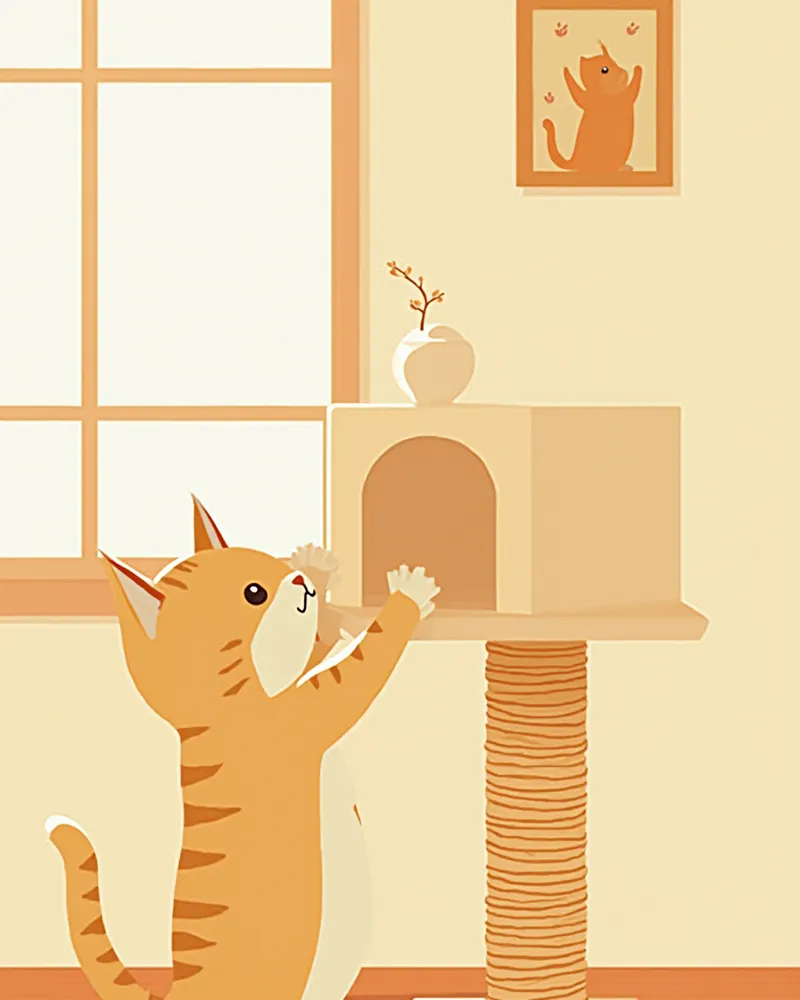
Cat towers with a base area of 30x30 cm or smaller, or those with thin PVC pipe supports, can easily tip over when your cat jumps, leading to fall accidents. Synthetic fiber ropes can cause digestive issues if chewed or swallowed by cats, so caution is necessary. Low-cost products emitting strong chemical odors (such as glue or formaldehyde) can irritate a cat's sensitive sense of smell and respiratory system, so be sure to verify that the materials are KC certified or meet E0/E1 grade standards.
How to Choose for Multi-Cat Households
Cat Tower Placement and Maintenance
Ramps Are Essential for Senior Cats
As cats age, their risk of developing degenerative joint disease (DJD/osteoarthritis) increases. According to the American Association of Feline Practitioners (AAFP), cats aged 7–10 are considered mature or middle-aged, while those 11 and older are classified as senior. Joint health management becomes especially important during these stages. Since high jumps can strain the joints, it is recommended to choose a cat tower with steps or a gentle ramp. Keeping the steps close together and the top platform low enough to avoid strain helps reduce joint stress. If your cat is already limping, please consult your veterinarian before installing any new furniture.
Reviewed by a veterinarian

Dr. Tony — Punnawat Phongkittirak
VeterinarianA veterinarian who majored in veterinary medicine at Khon Kaen University, Thailand, and completed the IVSA program at North Carolina State University in the United States. Drawing on clinical experience at animal hospitals, he works in the pet healthcare field and is dedicated to building a digital care environment that connects pet parents with veterinarians.
Reviewed 2026-04-26
Frequently Asked Questions
Can I use a bookshelf instead of a cat tree?
How about using carpet material instead of sisal rope?
My cat won’t climb the cat tower. How can I train them to use it?
At what age can kittens start using a cat tree?
How long does a cat tower typically last?
Share
Related Guides

Primary vs. Secondary Veterinary Hospitals: A Comparison
5 Easy-to-Raise Cat Breeds for First-Time Owners — Grooming Difficulty Comparison

Top 7 Short-Legged Dog Breeds

The Ultimate Guide to Distinguishing Cytology Patterns (Inflammation, Neoplasia, and Hyperplasia)

Why Your Dog Licks Its Body and Barks

Why Cats Love Empty Boxes: Could It Be Related to Stress?

Why Do Cats Sit on Keyboards? Is It to Get Attention or for Warmth?

Is My Cat’s Box Obsession Normal? — Reading the Signs of Stress and Security

Why Dogs Fear People Wearing Hats
What Happens to Our Pets During a Power Outage? — Essential Response Steps for Pet Owners
References
[1] Little SE, The Cat: Clinical Medicine and Management, 2nd Edition, Elsevier, 2020
[2] Horwitz DF, Mills DS, BSAVA Manual of Canine and Feline Behavioural Medicine, 2nd Edition, 2009
[3] Bradshaw J, Casey R, Brown S, The Behaviour of the Domestic Cat, 2nd Edition, CABI, 2012