Like
Share
멍실장
강아지 레이저 치료의 원리와 적용

Principles and Applications of Laser Therapy for Dogs

ImmunityQ&AMeongsiljang Veterinary Advisory Board

We’ve compiled the essential information every pet owner should know about laser therapy for dogs, including its principles, applicable conditions, treatment process, and precautions.

What Is Laser Therapy for Dogs?

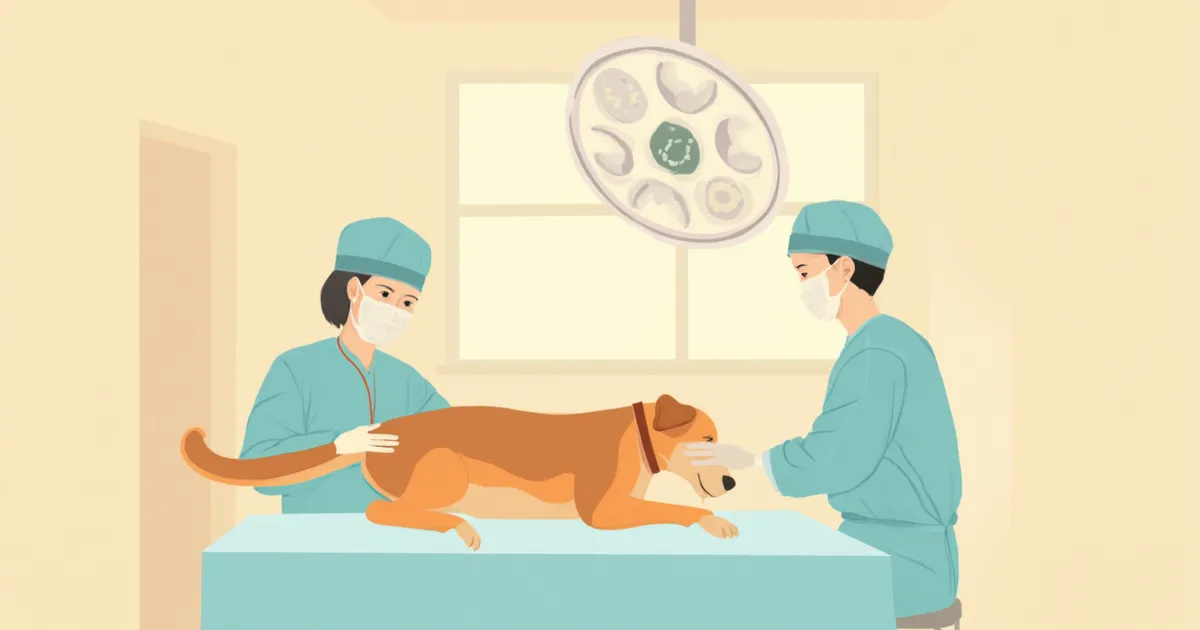
A puppy receiving laser therapy at a veterinary clinic
Laser therapy for dogs is a non-invasive physical treatment that uses low-power laser light (under 10W) to stimulate cellular recovery by shining it on the skin and tissues. The key benefit is that it can reduce pain and promote wound healing without the need for surgery. It is widely used for various conditions, including arthritis, post-surgical rehabilitation, skin wounds, and musculoskeletal or neurological issues such as intervertebral disc disease. However, veterinary textbooks note that research results on wound healing remain somewhat inconsistent, so it’s best to consult your veterinarian to determine whether this treatment is appropriate and effective for your pet. Most dogs experience little to no discomfort during the procedure and tolerate it comfortably.

How Does Laser Therapy Work?

Laser therapy is described as working through a principle called photobiomodulation. It is proposed that when light of a specific wavelength is absorbed by photoreceptors in the mitochondria of cells, such as cytochrome c oxidase, the cells produce energy (ATP) and the synthesis of proteins involved in recovery is promoted. However, textbooks also state that the exact mechanism of action has not yet been fully elucidated.
Improved blood flow: It is proposed that the action of substances such as nitric oxide may influence circulation in the treated area.
Reduced inflammation: An anti-inflammatory effect has been reported, characterized by decreased activity of substances associated with inflammation.
Pain relief: By modulating the transmission of pain signals, it can help reduce pain.
Tissue regeneration: Effects such as increased collagen production and enhanced cell migration and proliferation have been observed.

What Conditions Can It Treat?

Here’s a summary of the common conditions in dogs that benefit from laser therapy, along with the expected outcomes.
Application AreaRepresentative ConditionsExpected Benefits
Joints & MusculoskeletalArthritis, post-operative rehabilitation for patellar luxation, hip dysplasiaPain reduction, improved joint function
Wounds & SkinSurgical incisions, burns, skin ulcers, hot spotsAccelerated wound healing, reduced inflammation
Nervous SystemIntervertebral disc disease, nerve damageSupport for nerve regeneration, pain relief
OralSoft tissue lesions in the mouthReduced soft tissue inflammation, support for tissue healing

How Is the Treatment Performed?

Laser therapy typically follows this sequence:
Step 1 — Condition Assessment: The veterinarian evaluates your pet’s condition to determine the treatment area and appropriate laser intensity.
Step 2 — Protective Eyewear: To shield the eyes from the laser beam, your pet, you, and the veterinarian all wear specialized protective goggles.
Step 3 — Laser Application: The treatment area is exposed to the laser for approximately 5 to 20 minutes. Your pet may feel a gentle warmth, but most remain relaxed and comfortable while lying down.
Step 4 — Post-Treatment Check: No additional aftercare is required, allowing your pet to resume normal daily activities immediately.
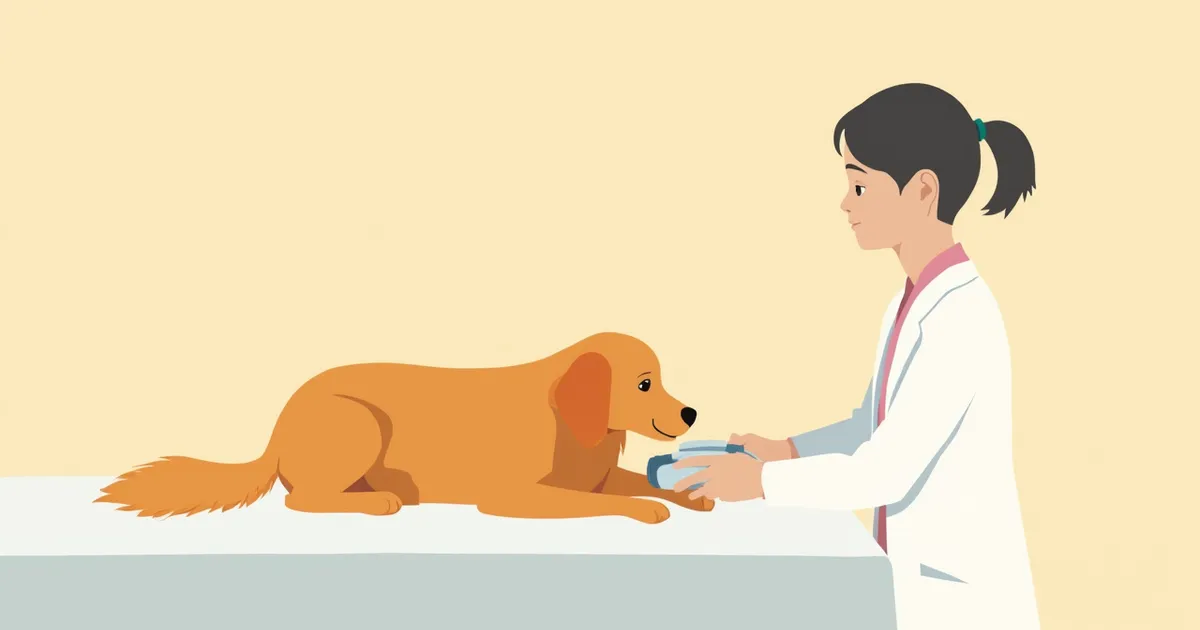
A puppy receiving laser therapy while wearing protective goggles

Important Precautions Before Laser Therapy

Laser therapy is a safe procedure with very few reported side effects, but it must never be used on areas with tumors. Professional veterinary associations recommend avoiding laser treatment on known primary tumor sites. Treatment should also be avoided in pregnant dogs (to protect the developing fetus), and careful veterinary judgment is required when applying it to growing puppies. Direct exposure of the eyes to the laser is strictly prohibited. Always inform your veterinarian about your pet’s overall health status before treatment.

Treatment Frequency and Expected Outcomes

The effectiveness of laser therapy varies depending on the type and severity of the condition. Acute conditions (post-surgical recovery, acute pain): Initially, we administer focused treatments at more frequent intervals, and the veterinarian adjusts the number of sessions based on your pet’s improvement. Chronic conditions (arthritis, chronic pain): We begin with treatments at regular intervals, then transition to maintenance therapy once symptoms stabilize. The exact number of sessions and frequency depend on your pet’s condition, the equipment used, and the treatment area, and research in this field is ongoing. Rather than expecting dramatic changes in a short period, it is important to consistently follow a personalized treatment plan developed together with your veterinarian.
A dog taking a walk after rehabilitation therapy

Combining with Other Treatments for Better Results

Laser therapy is effective on its own, but combining it with other treatments can create a synergistic effect.
Arthritis + Joint Supplements: Using laser therapy alongside joint supplements like glucosamine and omega-3 fatty acids can simultaneously protect cartilage and manage inflammation.
Post-Surgical Rehabilitation + Hydrotherapy: This combination can accelerate recovery at the surgical site while helping to maintain muscle strength.
Intervertebral Disc Disease + Medication: Combining anti-inflammatory medications with laser therapy can provide more effective pain management.
The best combination for your pet depends on their individual needs, so it’s always best to consult with your veterinarian to determine the most suitable approach.

What to Check When Choosing a Clinic

The cost of laser therapy for dogs varies significantly depending on the clinic, the area being treated, and the number of sessions. For an accurate estimate, it’s best to contact the clinic directly. When choosing a clinic, consider the following factors:
Equipment grade: Ensure the clinic uses therapeutic-grade lasers (Class 3b or higher), which are entirely different from standard low-power laser pointers.
Veterinarian experience: Look for a veterinarian with specialized training or experience in rehabilitation medicine or physical therapy.
Treatment plan: Choose a clinic that provides a structured, multi-session treatment plan tailored to your dog’s specific condition, rather than offering only one-off treatments.
Laser therapy equipment in the rehabilitation room of an animal hospital

Reviewed by a veterinarian

Dr. Tony — Punnawat Phongkittirak

Dr. Tony — Punnawat Phongkittirak

Veterinarian

A veterinarian who majored in veterinary medicine at Khon Kaen University, Thailand, and completed the IVSA program at North Carolina State University in the United States. Drawing on clinical experience at animal hospitals, he works in the pet healthcare field and is dedicated to building a digital care environment that connects pet parents with veterinarians.

Frequently Asked Questions

Is laser therapy painful for dogs?
Most dogs remain comfortable during the procedure. They may feel a warm sensation, but they do not experience pain. In fact, some dogs even fall asleep during the treatment.
Can laser therapy alone cure arthritis?
Laser therapy can help relieve pain and reduce inflammation, but it doesn’t cure arthritis itself. For best results, it should be used alongside medication, weight management, and controlled exercise.
Are there any special precautions to keep in mind after treatment?
No special aftercare is required. Veterinary literature reports that clinically significant side effects following laser therapy are extremely rare. Your pet can resume normal activities immediately after treatment.
Can puppies receive laser therapy?
When applying laser therapy to growing puppies, careful judgment by a veterinarian is essential. Treatment is not recommended for pregnant dogs (with developing fetuses). A veterinarian can assess whether it is safe to proceed based on the puppy’s age and condition.
Can I use a laser therapy device at home?
Consumer-grade home devices have significantly lower output power, so their effectiveness is far inferior to professional veterinary equipment. Since treatment requires precise wavelength and power settings to be effective, we recommend receiving therapy at a veterinary clinic.

Share

Related Guides

References

[1] Buote, N.J. (ed.), Techniques in Small Animal Wound Management, Chapter: Low Level Laser, Photobiomodulation and Electromagnetics for Wound Therapy, Wiley, 2024

[2] Small Animal Anesthesia and Pain Management: A Color Handbook, 3rd Edition, CRC Press

[3] Enwemeka, C.S., Parker, J.C., Dowdy, D.S. et al., The efficacy of low power lasers in tissue repair and pain control: a meta-analysis study, Photomedicine and Laser Surgery, 22: 323–329, 2004

[4] Leal Junior, E.C., Lopes-Martins, R.A., Frigo, L. et al., Effects of low level laser therapy in the development of exercise induced skeletal muscle fatigue, Journal of Orthopaedic and Sports Physical Therapy, 40: 524–532, 2010

This information is based on veterinary literature and does not replace diagnosis or treatment. Please consult a veterinarian for specific health concerns.

Metapet Co., Ltd. | CEO: Park Sung-yong | Business Reg. No. 417-88-02562 | Seoul, South Korea | Customer Center

Laser Therapy for Dogs: Principles and Applications | Meongsiljang