Like
Share
멍실장
강아지 청각 저하·난청 원인

Causes of Canine Hearing Loss and Deafness

Brain & CognitionQ&AMeongsiljang Veterinary Advisory Board

Canine deafness can arise from a variety of causes, including congenital factors, aging, otitis media, and medication. We’ve compiled the key signs, diagnostic methods, and breed-specific risk factors all in one place.

What Is Canine Deafness?
Illustration of a dog tilting its head curiously
Canine deafness is a hearing impairment caused by problems in the outer, middle, or inner ear, or in the auditory nerves, resulting in an inability to hear or reduced hearing. Identifying the cause is key. The treatment and management approach varies significantly depending on whether the condition is congenital or acquired due to aging, otitis media, or drug side effects. If your dog doesn’t respond when called or suddenly sleeps much more deeply, it may not just be a change in personality—it could be a sign of hearing loss.

6 Main Causes of Canine Deafness

Deafness in dogs is broadly categorized into congenital and acquired forms. - Congenital deafness: This occurs when there are developmental abnormalities in auditory structures, such as the cochlea, present from birth. It is commonly seen in breeds with white coats or merle patterns. - Age-related hearing loss: As an acquired cause, this results from the gradual degeneration of the cochlea and surrounding structures with age, leading to a progressive and irreversible decline in hearing in both ears. - Chronic otitis media or interna: Prolonged inflammation can obstruct sound transmission and spread to the inner ear, potentially causing hearing damage. - Ototoxicity: Certain medications, including antibiotics like gentamicin, diuretics such as furosemide, and topical agents like chlorhexidine, can damage the auditory nerves. - Trauma: Head injuries or other trauma can damage the inner ear or auditory pathways, resulting in hearing loss. - Tumors or foreign bodies: Growths or foreign objects inside the ear can block sound transmission. In senior dogs, chronic otitis externa affecting only one ear should raise suspicion of a tumor.

Congenital vs. Acquired Deafness Comparison

ItemCongenitalAge-relatedInflammatory
OnsetWithin a few weeks of birth (juvenile)After old ageAll ages
Progression RateFixedMonths to yearsAcute to a few weeks
One/Both SidesBoth or one sideMainly bilateralMainly unilateral
Recovery PossibilityNot possibleNot possiblePossible with early treatment
Main ResponseHand-signal trainingEnvironmental adjustmentAntibiotics · flushing · surgery

An actual diagnosis is confirmed through otoscopic examination, veterinary evaluation, and hearing tests

Signs of Deafness You Can Check at Home
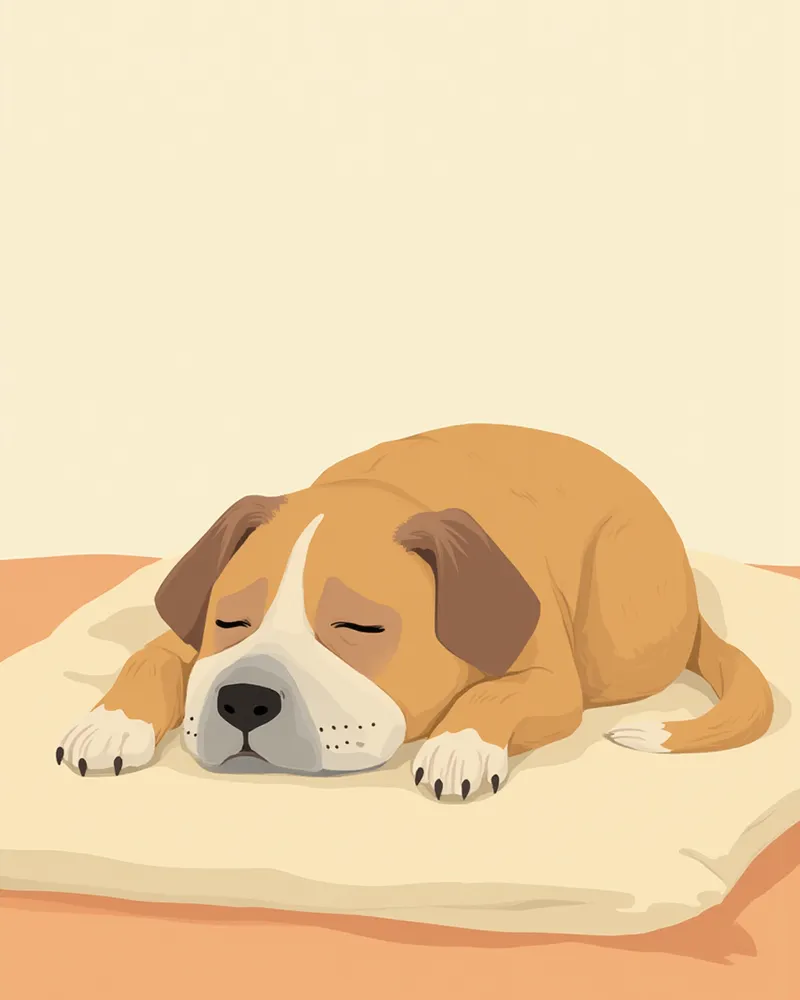
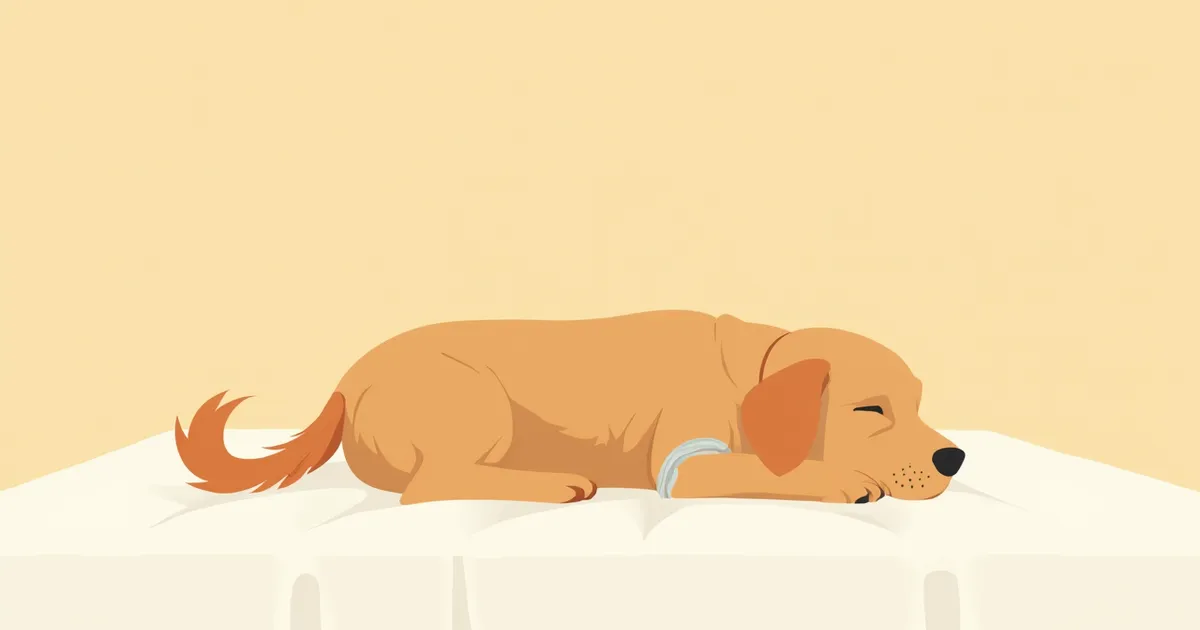
If your pet shows two or more of the following signs, hearing loss may be suspected: - Reduced response to name: They don’t turn around or react slowly when called by name. - Deep sleep: They don’t wake up to small sounds and need to be shaken to get up. - Increased startle response: They get startled easily when approached from behind. - Changes in barking: They bark louder than usual because they can’t hear their own voice. - Head tilting: They tilt their head to try to hear sounds with one ear. - Poor directional awareness: They have trouble locating where you’re calling from and look around confusedly.
An illustration of a pet owner calling their senior dog, who is fast asleep.

When to Seek Immediate Veterinary Care

If your pet suddenly loses hearing in one ear, develops discharge or a foul odor from the ear, or exhibits vestibular symptoms such as a severely tilted head or spinning movements, it may indicate otitis media, otitis interna, or a tumor, requiring veterinary care within 24 hours. Additionally, if your pet becomes suddenly lethargic after receiving antibiotics during surgery or treatment, suspect drug toxicity and immediately inform your veterinarian.

How Is Deafness Diagnosed?
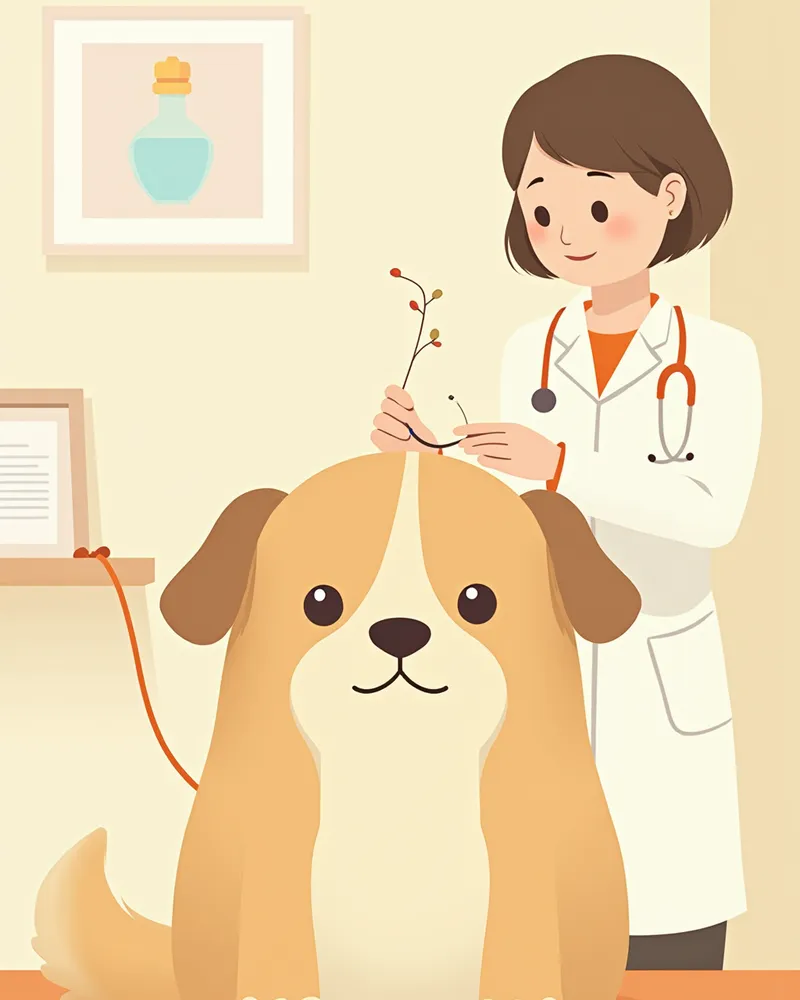
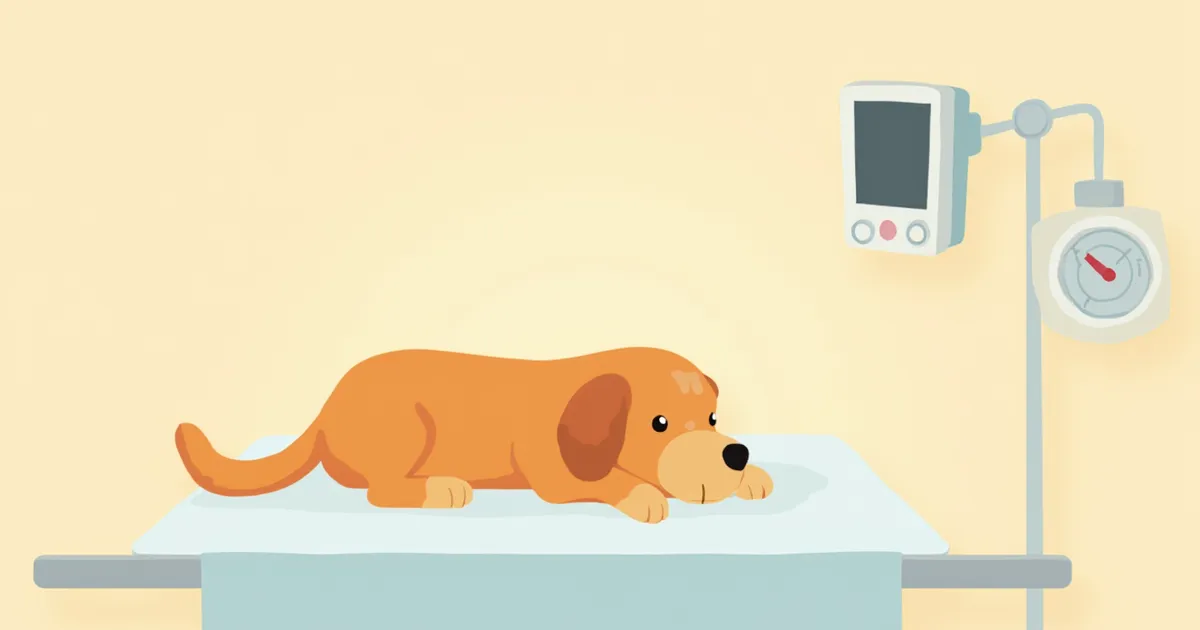
The most accurate test is the BAER (Brainstem Auditory Evoked Response) test. Small electrodes are placed on the head to record brainwave responses to sound stimuli, objectively measuring hearing in one or both ears. The test can be performed without anesthesia or with mild sedation, and is available from 6 weeks of age. Additionally, an otoscopic exam is used to check the condition of the eardrum and external ear canal. If chronic otitis media is suspected, CT or MRI scans provide detailed imaging of the middle and inner ear structures. Blood tests are used to rule out systemic causes, such as hypothyroidism.
Illustration of a puppy undergoing a BAER hearing test

How to Live With a Deaf Dog

Even if your pet loses their hearing, they can still enjoy a high quality of life. - Hand signal training: Teach basic commands like "sit," "stay," and "come" using hand gestures instead of verbal cues. - Use vibration signals: Gently tap the floor or use a vibrating collar to get their attention. - Be mindful of your approach: Avoid startling them by touching them while they’re sleeping; instead, signal with vibration or light first. - Always use a leash during walks: Since they can’t hear car horns or bicycle bells, keep them on a leash whenever you’re outside. - Enhance visual stimulation: Use flashlights or shiny toys to supplement communication.

Breeds That Require Special Attention

Breeds with white coats or merle patterns are at a relatively higher risk of congenital sensorineural deafness. Textbooks commonly cite breeds such as the Boxer, Dachshund, and Jack Russell Terrier in relation to white and merle coat colors, and caution is also advised for other breeds with less pigmentation, such as the Dalmatian. When adopting a puppy, it is advisable to request hearing test results, and if you are planning to breed, it is recommended to avoid mating dogs with deafness. Senior dogs may experience a gradual and irreversible decline in hearing as they age, so regular monitoring of their hearing status is recommended.

Reviewed by a veterinarian

Dr. Tony — Punnawat Phongkittirak

Dr. Tony — Punnawat Phongkittirak

Veterinarian

A veterinarian who majored in veterinary medicine at Khon Kaen University, Thailand, and completed the IVSA program at North Carolina State University in the United States. Drawing on clinical experience at animal hospitals, he works in the pet healthcare field and is dedicated to building a digital care environment that connects pet parents with veterinarians.

Frequently Asked Questions

Can a dog's hearing loss be treated?
It depends on the cause. Acquired conditions such as otitis media, otitis externa, or foreign bodies can often be treated early to restore hearing, whereas congenital and age-related hearing loss are irreversible. However, pets can adapt well through hand signals and vibration training.
Is it a problem if my pet can’t hear out of just one ear?
While daily life remains largely unaffected, the inability to accurately pinpoint the direction of sounds makes pets more vulnerable to external hazards like cars and bicycles. Always use a leash when going outside, and schedule regular check-ups to ensure the other ear’s hearing remains healthy.
At what age does age-related hearing loss typically begin?
Age-related hearing loss occurs as the cochlea and surrounding structures gradually degenerate with age, and the onset varies depending on the individual and body size. It is typically characterized by a slow, irreversible decline in hearing in both ears as pets enter their senior years. If you notice any unusual changes in your pet’s responsiveness, it’s best to have them checked early.
My pet doesn’t respond when I call its name. Could it just be their personality?
If your pet doesn’t respond to vibrations or clapping, and it’s hard to wake them from sleep, there may be a hearing issue. If they don’t startle even when you clap nearby, it’s a good idea to have their hearing checked.
Can frequent ear cleaning help prevent hearing loss?
Over-cleaning can irritate the ear canal and trigger inflammation, so it’s important to clean at an appropriate frequency. Breeds with floppy ears, such as Cocker Spaniels and Beagles, are particularly prone to otitis externa because moisture and humidity tend to accumulate inside their ears. Gently clean their ears with a specialized ear cleanser, and consult your veterinarian if you notice any abnormalities.

Share

Related Guides

References

[1] Strain GM, Deafness in Dogs and Cats, CABI, 2011

[2] Ettinger SJ, Textbook of Veterinary Internal Medicine, 8th Ed, Chapter on Neurologic Disorders

[3] Plumb's Veterinary Drug Handbook, 9th Ed — Ototoxic Drugs

This information is based on veterinary literature and does not replace diagnosis or treatment. Please consult a veterinarian for specific health concerns.

Metapet Co., Ltd. | CEO: Park Sung-yong | Business Reg. No. 417-88-02562 | Seoul, South Korea | Customer Center

6 Causes of Deafness in Dogs and Early Detection Tips | Meong Siljang | Meongsiljang