Like
Share
멍실장
오븐베이크 사료란? 장단점과 선택 기준

What Is Oven-Baked Pet Food? Pros, Cons, and Selection Criteria

DigestiveQ&AMeongsiljang Veterinary Advisory Board

We’ve put together a comprehensive guide covering the manufacturing process of oven-baked pet food, how it differs from conventional extruded kibble, its pros and cons, and key criteria for choosing a high-quality product.

How Does Oven-Baked Pet Food Differ from Conventional Kibble?
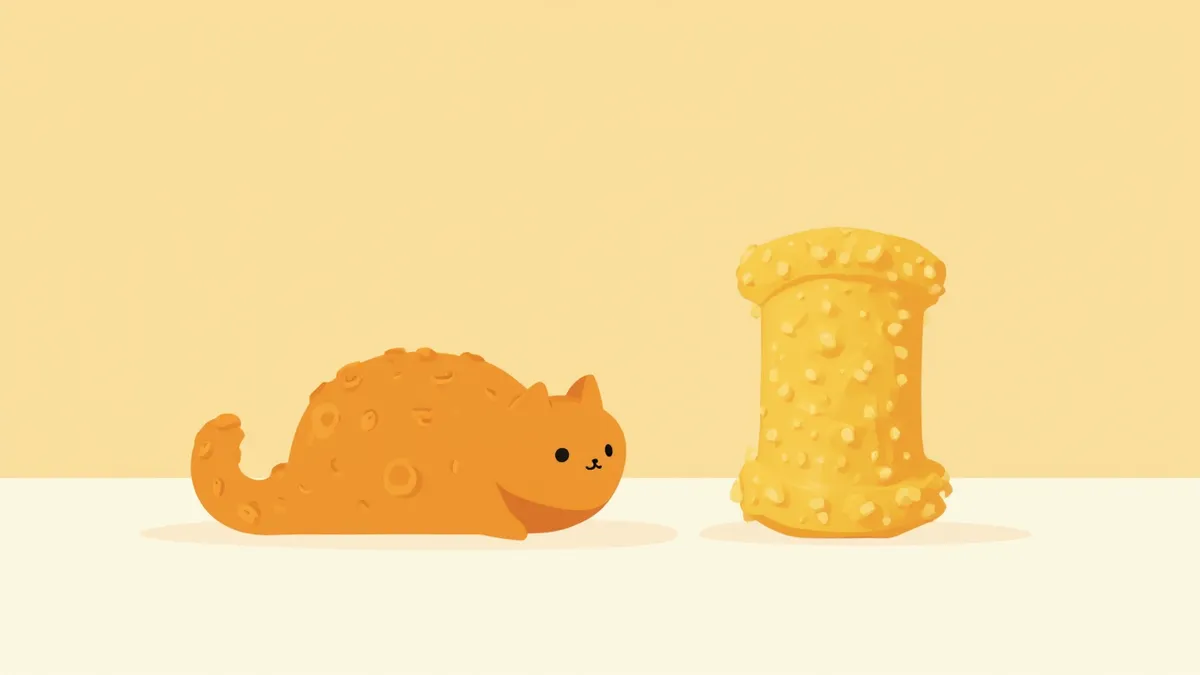
Comparison of oven-baked pet food and conventional extruded pet food
Oven-baked pet food differs from conventional kibble primarily in its manufacturing process. Most commercial pet foods are produced through extrusion, a method involving high heat and pressure, whereas oven-baked food is made by shaping dough and baking it in an oven, as the name suggests. However, it is difficult to definitively claim that one manufacturing method preserves nutrients better than the other based solely on the process. Differences in digestibility and nutrient retention can vary depending on the ingredient composition and the individual health status of your pet. Therefore, rather than judging quality based on the manufacturing method alone, it is important to carefully review the ingredient list and nutritional profile. A simple analogy would be the difference between frying and baking a snack. While oven-baked food is currently gaining attention in the premium pet food market, it is not automatically superior. It is essential to understand its pros and cons before making a choice.

Extrusion vs. Oven-Baking: How the Manufacturing Processes Differ

Most commercial dry pet foods are made using the extrusion process. This involves mixing raw ingredients into a dough, which is then fed into a high-temperature, high-pressure machine where it is rapidly pushed out and puffed up. This process allows the starch to cook thoroughly, making it easier to digest and utilize, and enables mass production, which helps lower costs. On the other hand, oven-baked pet food is made using a more traditional method. The dough is prepared, shaped, and then baked in an oven. This process takes longer, and the resulting kibble typically has a different texture and density compared to extruded food. However, oven-baked foods often have a higher proportion of grain flour and may not accommodate high-moisture meat ingredients as easily. Therefore, rather than focusing solely on the manufacturing method, it’s more important to carefully review the actual ingredient composition and nutritional balance.

Comparison of Pet Food Manufacturing Methods

ItemExtrusionOven-bakedFreeze-dried
Manufacturing temperatureHigh temperature and pressureOven heatingSub-zero low temperature
Nutrient preservationHard to determine by manufacturing method aloneHard to determine by manufacturing method aloneHard to determine by manufacturing method alone
DigestibilityVaries by ingredientsVaries by ingredientsVaries by ingredients
Kibble densityLow (puffed)High (dense)Very low
Price rangeModerateMid to highVery high
Storage convenienceGoodGoodModerate

Based on general manufacturing methods; there may be differences depending on the brand and ingredients. The manufacturing method itself does not determine nutrient preservation or digestibility, and in fact, during extrusion, starch is well cooked, which can actually be advantageous for digestion and utilization. Digestibility and nutrient preservation vary greatly by product and individual, so they are difficult to compare with simple numbers

Advantages of Oven-Baked Pet Food

Nutrient retention: While baking in an oven creates a different cooking environment than extrusion, it is difficult to definitively claim that nutrients such as vitamins and amino acids are better preserved solely based on the manufacturing method. Actual nutrient content depends on the raw ingredients, formulation, and the guaranteed analysis listed on the packaging.
Digestibility and absorption: Digestibility and absorption rates are not determined by the cooking method alone. In fact, the extrusion process can improve digestibility and utilization by thoroughly gelatinizing starches. Ultimately, differences in digestibility depend on the types of raw ingredients and the individual health status of each pet, making uniform comparisons difficult.
Visible raw ingredients: When you break open the kibble, you can often see the particles of the raw ingredients, allowing you to visually assess the quality to some extent.
Palatability: The distinctive, savory aroma from oven baking often appeals even to picky eaters. Since a pet's palatability preferences are influenced by smell, taste, and texture, reactions can vary from one individual to another.
A dog and a cat with oven-baked food in front of them

Disadvantages of Oven-Baked Pet Food

Higher price: Because the manufacturing process takes longer and production efficiency is lower, oven-baked kibble tends to cost more than extruded kibble when using the same raw ingredients.
Limited kibble size: To ensure even baking in the oven, there are constraints on kibble size and shape. Some brands may find it difficult to produce large kibble suitable for big-breed dogs.
Prone to crumbling: Although dense, the low moisture content means kibble can crumble easily depending on the product. Careful storage is recommended.
Beware of over-marketing: The "oven-baked" manufacturing method alone does not guarantee a high-quality diet. Ultimately, the quality of the raw ingredients matters most.

Don’t Choose Based Solely on the “Oven-Baked” Label

Even if a food is oven-baked, it isn’t high-quality if the raw ingredients are subpar. Check that animal-based proteins appear near the top of the ingredient list, but also evaluate the types and quality of the ingredients as well as the overall nutritional balance. Most importantly, verify that the package displays guaranteed analysis meeting recognized standards such as those set by AAFCO (the Association of American Feed Control Officials), and choose brands that transparently disclose the country of origin and a detailed nutritional analysis.

5 Criteria for Choosing High-Quality Oven-Baked Pet Food

Check the primary ingredient: Ensure that animal-based protein sources are listed first in the ingredients list.
Protein content: Review the protein content on the guaranteed analysis and verify that the product meets established nutritional standards, such as those set by the Association of American Feed Control Officials (AAFCO).
Free from artificial additives: Choose products that do not contain artificial colors, artificial flavors, or chemical preservatives such as BHA and BHT.
Compliance with AAFCO standards: Confirm that the packaging states the food meets AAFCO nutritional profiles.
Transparency of information: Trust brands that openly disclose the country of origin, manufacturing facility, and detailed nutritional analysis.
A pet owner who carefully checks the ingredient list on pet food packaging

How to Transition to Oven-Baked Pet Food
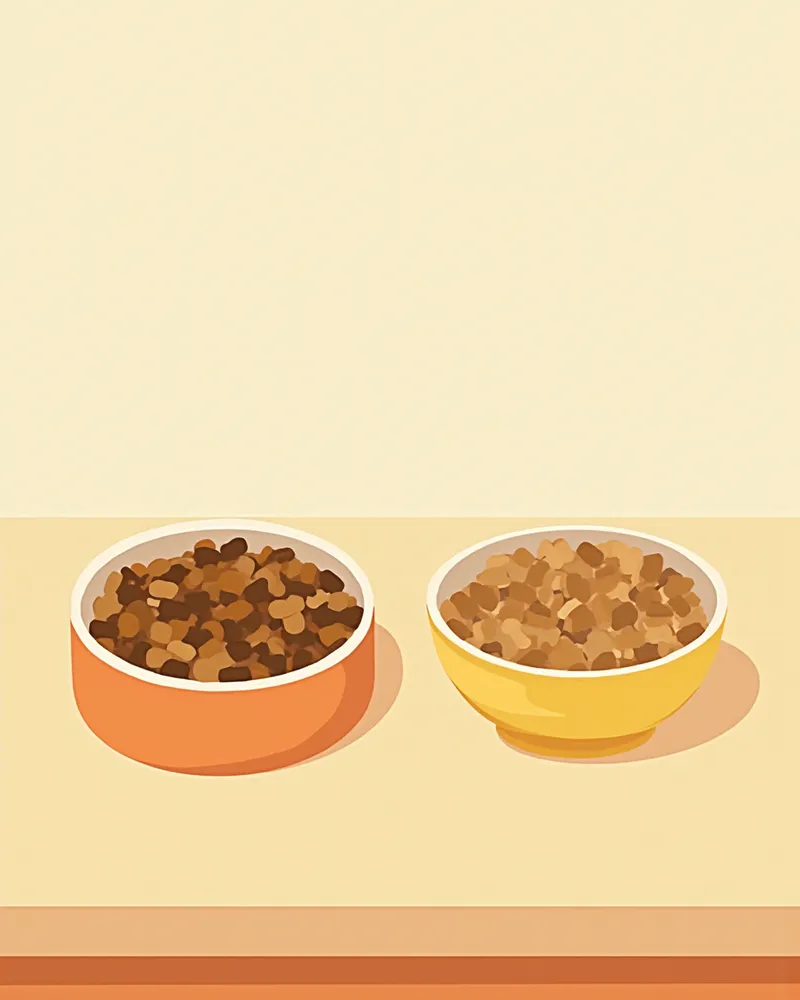
When switching to a new food, it’s important to transition slowly over at least one week (7 days). A sudden change can cause vomiting or diarrhea.
Days 1–2: 75% old food + 25% new food
Days 3–4: 50% old food + 50% new food
Days 5–6: 25% old food + 75% new food
Day 7 onward: 100% new food
If your pet develops loose stools or vomiting during the transition, go back to the previous stage and allow a few more days for adjustment. If symptoms persist, consult your veterinarian.
Mixing the old food with the new food for feeding

Important Considerations for Pets with Sensitive Digestion

If your pet has a sensitive digestive system or you suspect a food allergy, consider choosing oven-baked kibble that uses novel protein sources (proteins your pet hasn’t been exposed to before) or hydrolyzed protein formulas. If loose stools, vomiting, or itchy skin persist after switching foods, the new diet may not be suitable, so please consult your veterinarian.

Reviewed by a veterinarian

Dr. Tony — Punnawat Phongkittirak

Dr. Tony — Punnawat Phongkittirak

Veterinarian

A veterinarian who majored in veterinary medicine at Khon Kaen University, Thailand, and completed the IVSA program at North Carolina State University in the United States. Drawing on clinical experience at animal hospitals, he works in the pet healthcare field and is dedicated to building a digital care environment that connects pet parents with veterinarians.

Frequently Asked Questions

Can Oven Bake food be fed to both dogs and cats?
Oven-baked is a manufacturing method, so there are separate products for dogs and cats. You must choose the product appropriate for your pet’s species. Feeding dog food to cats can lead to deficiencies in essential nutrients like taurine.
Is oven-baked pet food really better for digestion?
Digestibility isn’t determined solely by the manufacturing process. In fact, the extrusion process can actually improve digestibility by thoroughly gelatinizing starches, and there’s no clear evidence that oven-baked food is inherently more digestible. Digestibility depends on the types of ingredients used and each pet’s individual digestive capacity, so even oven-baked food can cause digestive issues if the ingredients don’t suit your pet.
Why are the kibble pieces in Oven Bake pet food on the smaller side?
To ensure even baking in the oven, there are size restrictions on the kibble. If the pieces are too large, the inside may not cook through evenly. However, even large-breed dogs often do well with smaller kibble, so there’s no need to worry.
Is the shelf life of oven-baked pet food different from that of regular pet food?
Dry food expiration dates vary by product, so always check the date printed on the packaging. After opening, store the food in an airtight container and aim to use it up within the manufacturer’s recommended timeframe.
Can I soak oven-baked dog food in water before feeding it to my pet?
Yes, you can soak the food in lukewarm water before feeding it. This is a great option for senior pets with weak teeth or young animals whose teeth haven’t fully come in. However, because soaked food has a higher water activity, bacteria can multiply quickly, so serve it promptly and discard any leftovers.

Share

Related Guides

References

[1] Fascetti AJ, Delaney SJ. Applied Veterinary Clinical Nutrition, 2nd Ed. Chapter 8: Commercial and Home-Prepared Diets. Wiley-Blackwell.

[2] Hand MS et al. Small Animal Clinical Nutrition, 5th Ed. Chapter 8: Pet Food Processing. Mark Morris Institute, 2010.

[3] Schaer M et al. Clinical Medicine of the Dog and Cat, 4th Ed. Chapter 25: Nutritional Support. CRC Press.

[4] Little C. The Dog Care Handbook: Things I Wish My Vet Had Told Me. 2024.

This information is based on veterinary literature and does not replace diagnosis or treatment. Please consult a veterinarian for specific health concerns.

Metapet Co., Ltd. | CEO: Park Sung-yong | Business Reg. No. 417-88-02562 | Seoul, South Korea | Customer Center

What Is Oven-Baked Pet Food? Pros, Cons & How to Choose | Meongsiljang