Like
Share
멍실장
노령묘 인지기능 장애 — 밤 울음·배회 증상과 의학적 관리

If Your Senior Cat Is Vocalizing at Night or Pacing — Symptoms and Management of Cognitive Dysfunction

Brain & CognitionQ&AMeongsiljang Veterinary Advisory Board

Here’s a summary of the five key symptoms and diagnostic steps for feline cognitive dysfunction (dementia) in senior cats, along with medical management options such as selegiline and dietary therapy. If your cat has started vocalizing at night or pacing in circles, it’s crucial to rule out other underlying conditions first.

What Is Feline Dementia, and What Should You Check First?
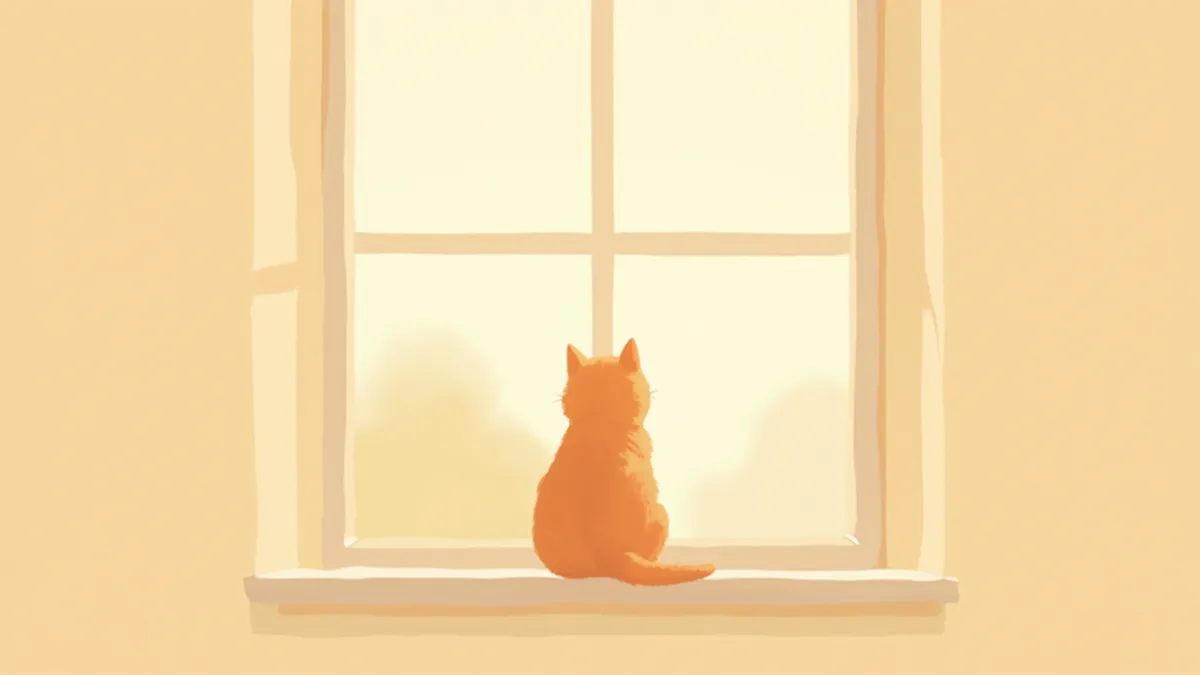
An elderly cat sitting by the window, gazing blankly outside
Feline cognitive dysfunction, commonly referred to as feline dementia, is a neurodegenerative condition in which waste products and proteins accumulate in the brain due to impaired clearance as cats age, leading to a gradual decline in spatial orientation, sleep-wake cycles, and social behavior. It primarily affects senior cats, though it can sometimes begin as early as around 10 years of age. The most critical first step is to rule out other medical conditions. Hyperthyroidism, hypertension, chronic kidney disease, arthritis, and sensory deficits such as vision or hearing loss can all produce similar behavioral changes, so it is essential not to assume dementia based on behavior alone. Therefore, a comprehensive clinical evaluation by a veterinarian is particularly important, starting with a senior cat wellness exam along with thyroid and blood pressure testing.

Why Does It Occur, and From What Age Is It Common?

Feline cognitive dysfunction, often referred to as dementia in senior cats, is believed to begin when waste products and proteins accumulate in brain nerve cells, compounded by oxidative stress. The brain has pathways that clear out waste during sleep, but if these substances aren't properly eliminated and instead build up, it can lead to neurodegeneration. The age of onset varies among cats, but it primarily affects older cats, sometimes starting as early as around 10 years of age. As cats grow older, more tend to exhibit one or more symptoms of cognitive impairment. The progression is generally slow, so early detection makes management easier. Cats that are less active and spend most of their time indoors are especially prone to having early signs go unnoticed.

DISHAA — Checklist of 6 Key Symptoms

In veterinary behavioral medicine, we assess the hallmark signs of feline cognitive dysfunction in senior cats using the DISHA framework. We also look for anxiety and excessive vocalization, which are common accompanying signals. - Disorientation (D): The cat may get lost in familiar areas of the home or stare blankly at walls. - Changes in Interactions (I): The cat may show indifference toward their owner or, conversely, become overly clingy and irritable. - Changes in Sleep-Wake Cycles (S): The cat may sleep more during the day and become active, often vocalizing, at night or in the early morning. - House Soiling (H): The cat may forget the location of the litter box or eliminate in inappropriate places. - Changes in Activity Levels (A): Grooming may decrease, or the cat may wander aimlessly, pacing in the same spot repeatedly. - Increased Anxiety and Vocalization: The cat may react with excessive fear to previously non-threatening stimuli or vocalize loudly at inappropriate times or in inappropriate places.
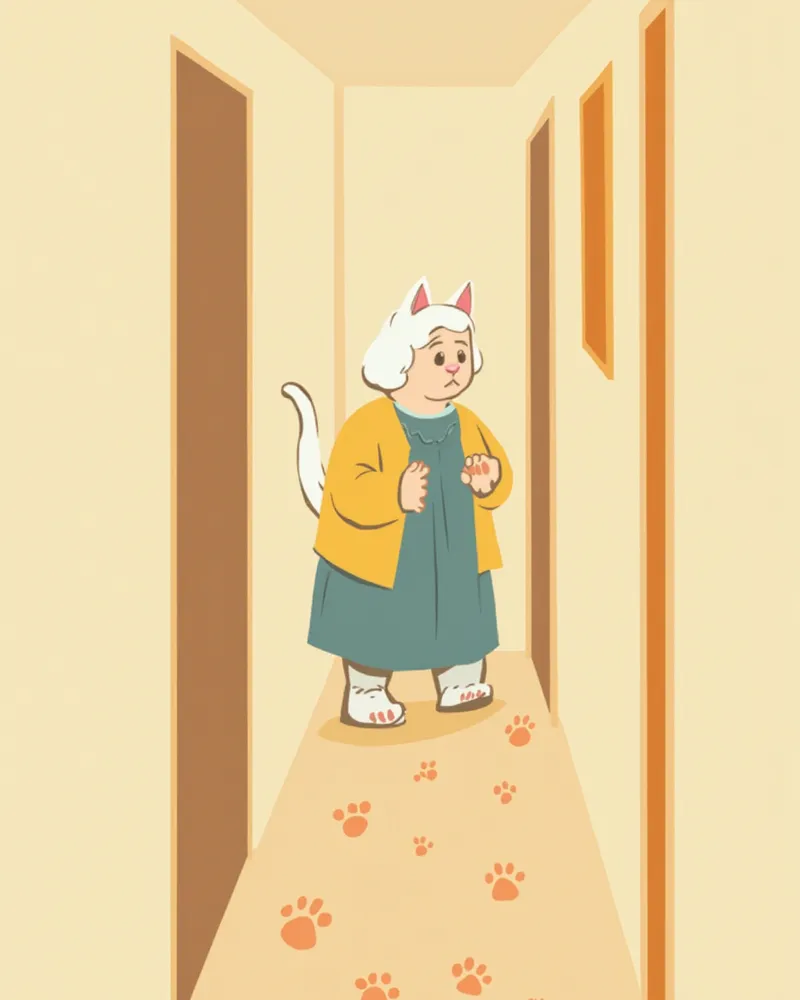
An elderly cat repeatedly wandering through a darkened hallway

Conditions That Must Be Differentiated — Dementia vs. Other Senior Cat Diseases

ItemSenior cat dementiaHyperthyroidismHypertension / kidney disease
Nighttime cryingLong crying with a blank expressionCrying accompanied by increased activityExpression of pain / discomfort
Body weightGradual decreaseRapid decreaseDecrease or maintained
AppetiteReduced interest or normalSharp increaseTendency to decrease
OrientationMarkedly lostNormalPossible confusion (late stage)
Essential testsClinical evaluation after differential diagnosisT4 blood testBlood pressure / BUN / creatinine / SDMA

These three conditions can coexist, so a comprehensive senior checkup is essential.

How Is It Diagnosed at the Veterinary Clinic?

Feline cognitive dysfunction in senior cats is diagnosed by exclusion. This means we must first rule out all other conditions that could cause similar symptoms before confirming a diagnosis of cognitive impairment. - Senior blood panel: Thyroid hormone (T4), kidney markers (BUN, creatinine, SDMA), liver enzymes, and electrolytes - Blood pressure measurement: Hypertension can trigger behavioral changes - Urinalysis: Early detection of kidney disease - Neurological examination: If intracranial conditions such as brain tumors are suspected, MRI or CT imaging is recommended - DISHA questionnaire: The owner-completed survey on behavioral changes plays a significant role in the diagnosis Even if your senior cat appears symptom-free, regular comprehensive senior health screenings are strongly recommended.
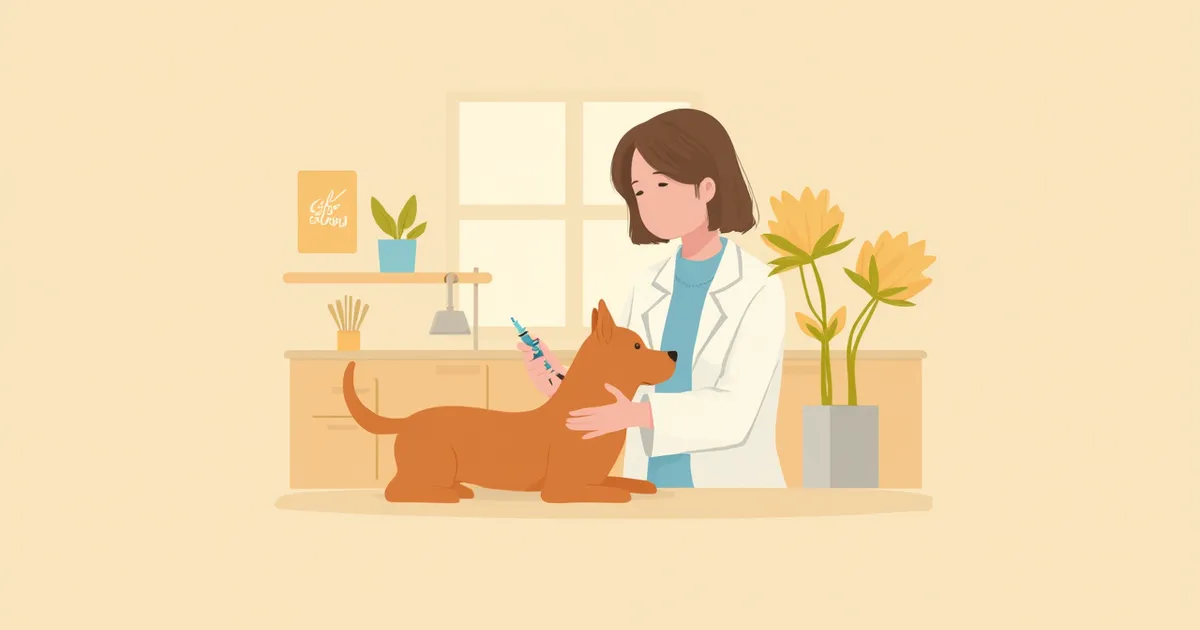
A veterinarian examining a senior cat at the animal hospital

Emergency Symptoms — It May Not Be Dementia

The following symptoms may indicate a stroke, brain tumor, or severe hypertensive crisis rather than dementia, so immediate veterinary attention is required: - Sudden loss of spatial orientation (worsening over hours) - Circling behavior in one direction - Head tilt (torticollis) - Unequal pupil sizes - Seizures or generalized convulsions - Sudden blindness Feline cognitive dysfunction in older cats progresses gradually over several months to years. If symptoms worsen rapidly within days, other neurological emergencies should be suspected first.

Medical Management — Medication and Supplement Options

Caution

셀레길린(Selegiline)

MAO-B 억제로 도파민 활성↑, 방향감각·수면 패턴·사회성 개선

Dosage: 수의사가 체중에 맞춰 결정

수의약리학 교과서 — 노령 고양이 인지기능 장애에 사용, 효과까지 4~6주

Safe

S-아데노실메티오닌(SAMe)

간 보호 + 인지기능 보조, 항산화 작용

Dosage: 수의사 처방

수의행동의학 교과서 — 보조 요법으로 임상 보고

Safe

오메가-3(DHA·EPA)

뇌 신경막 구성, 항염증 작용

Dosage: 노령묘 권장량

노령묘 인지 연구 — 항산화제와 함께 시너지

Safe

L-카르니틴 + 알파리포산

미토콘드리아 기능 개선, 산화 스트레스 감소

Dosage: 처방 식이에 포함

고양이 임상의학 교과서 — 인지기능 장애 진행 지연 보고

6 Environmental Management Tips You Can Do at Home
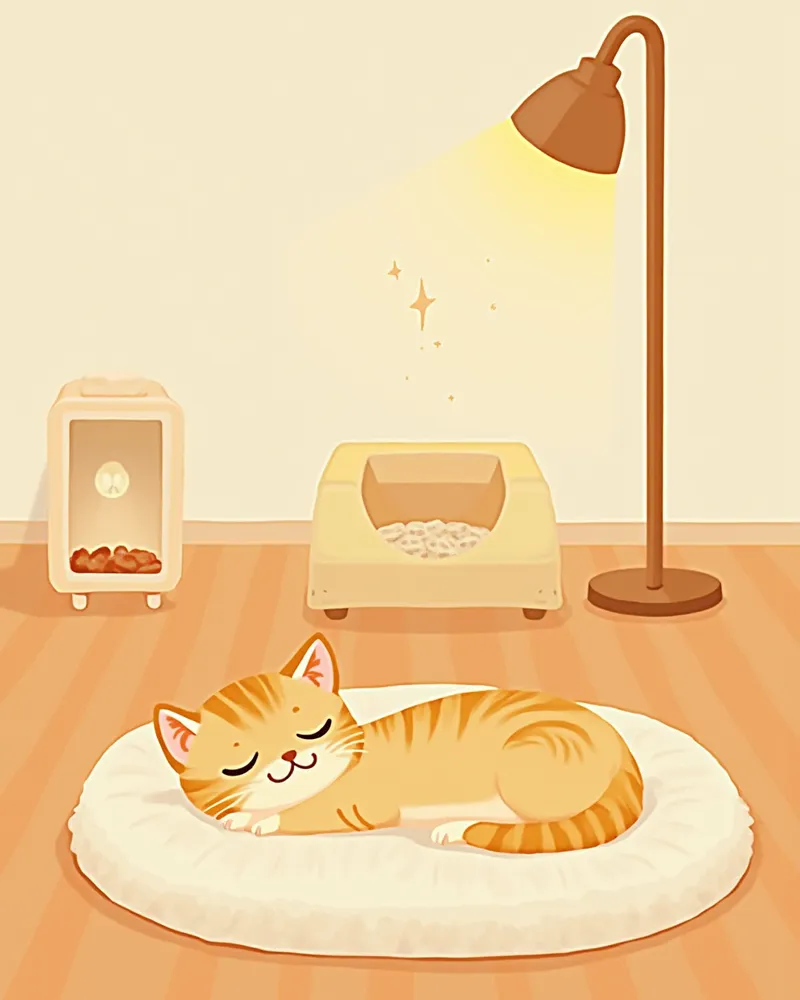
Environmental management is just as important as medication. Senior cats are sensitive to change, so familiarity and predictability are key. - Night lighting: Keep a soft mood light on so they don’t get disoriented if they wake up at dawn. - Litter box accessibility: Place one box on each floor and switch to low-entry litter boxes. - Fixed locations for food, water, and resting spots: Avoid rearranging furniture. - Gentle play stimulation: Provide cognitive stimulation with short hunting-style play sessions for 5–10 minutes daily. - Consistent routine: Feed and play at the same times every day. - Temperature regulation: Senior cats are more sensitive to cold, so provide a warm sleeping area.
A senior cat-friendly environment equipped with night lighting and low-entry litter boxes

Prognosis and What Owners Should Keep in Mind

Feline cognitive dysfunction in older cats is not a curable condition. While there is currently no definitive cure, early detection combined with medication, dietary adjustments, and environmental management can help alleviate symptoms and significantly slow disease progression. The goal is to ensure your cat remains comfortable for the remainder of their life. Avoid scolding or attempting to correct behaviors, as this only increases anxiety; instead, adopt a patient and accepting attitude toward any mistakes. If nighttime vocalization severely disrupts your sleep, actively discuss management options, including medication, with your veterinarian. Please note that medications may take time to show effects, so patience and consistent adherence to your veterinarian’s instructions are essential.

Reviewed by a veterinarian

Dr. Tony — Punnawat Phongkittirak

Dr. Tony — Punnawat Phongkittirak

Veterinarian

A veterinarian who majored in veterinary medicine at Khon Kaen University, Thailand, and completed the IVSA program at North Carolina State University in the United States. Drawing on clinical experience at animal hospitals, he works in the pet healthcare field and is dedicated to building a digital care environment that connects pet parents with veterinarians.

Frequently Asked Questions

At what age does cognitive dysfunction in senior cats typically begin?
While the age of onset varies, this condition is most commonly seen in senior cats, though early symptoms can sometimes appear in cats around 10 years old. Although the number of cats showing symptoms increases with age, not every older cat will develop cognitive dysfunction.
My dog cries every night. Can I assume it’s dementia?
Don’t jump to conclusions. Hyperthyroidism, high blood pressure, pain from conditions like arthritis, and declines in vision or hearing are common causes of nighttime vocalization. The first step is to start with a comprehensive clinical exam, including a T4 blood test and blood pressure measurement.
How should I administer dementia medications like selegiline?
Medications for dementia must only be used under the diagnosis, prescription, and guidance of a veterinarian. Depending on the medication, side effects may occur, and combining it with other drugs can be dangerous. If your pet is currently taking any medications, be sure to inform your veterinarian and never start or stop treatment without professional advice.
Will omega-3s or supplements alone be effective?
In the early stages, a prescription diet for senior cats that includes antioxidants to reduce oxidative damage and essential fatty acids (omega-3s), along with environmental management such as play and social interaction, can help slow disease progression. If symptoms worsen, it is advisable to consult your veterinarian about combining medication with these measures.
How much longer can a senior cat with dementia live?
Dementia itself doesn’t directly shorten a cat’s lifespan. However, in senior cats, it’s often accompanied by conditions like kidney disease and hyperthyroidism, which can significantly impact longevity. That’s why comprehensive care that addresses these concurrent conditions is essential.

Share

Related Guides

References

[1] Susan Little, The Cat: Clinical Medicine and Management, 2nd Edition, Chapter on Geriatric Behavior, 2024

[2] Ahmed Yasin, Handbook of Veterinary Pharmacology, Chapter on Antidepressants and MAO Inhibitors

[3] Lore I. Haug et al., Introduction to Animal Behavior and Veterinary Behavioral Medicine, Chapter 17 Geriatric Behavior

[4] Gunn-Moore D., Cognitive dysfunction in cats: clinical assessment and management, Topics in Companion Animal Medicine, 2011

This information is based on veterinary literature and does not replace diagnosis or treatment. Please consult a veterinarian for specific health concerns.

Metapet Co., Ltd. | CEO: Park Sung-yong | Business Reg. No. 417-88-02562 | Seoul, South Korea | Customer Center

Senior Cat Vocalizing or Pacing at Night? Feline Dementia Guide | Meongsiljang