Like
Share
멍실장
고양이 하부요로계 질환(FLUTD) 자주 묻는 질문 Q&A — 보호자가 꼭 알아야 할 핵심

Feline Lower Urinary Tract Disease (FLUTD) FAQ — Key Information for Pet Owners

UrinaryQ&AMeongsiljang Veterinary Advisory Board

Feline lower urinary tract disease (FLUTD) can manifest with a variety of symptoms, including frequent urination, difficulty urinating, and blood in the urine. It requires immediate attention, especially in male cats, due to the risk of acute urinary obstruction.

What is Feline Lower Urinary Tract Disease (FLUTD)?
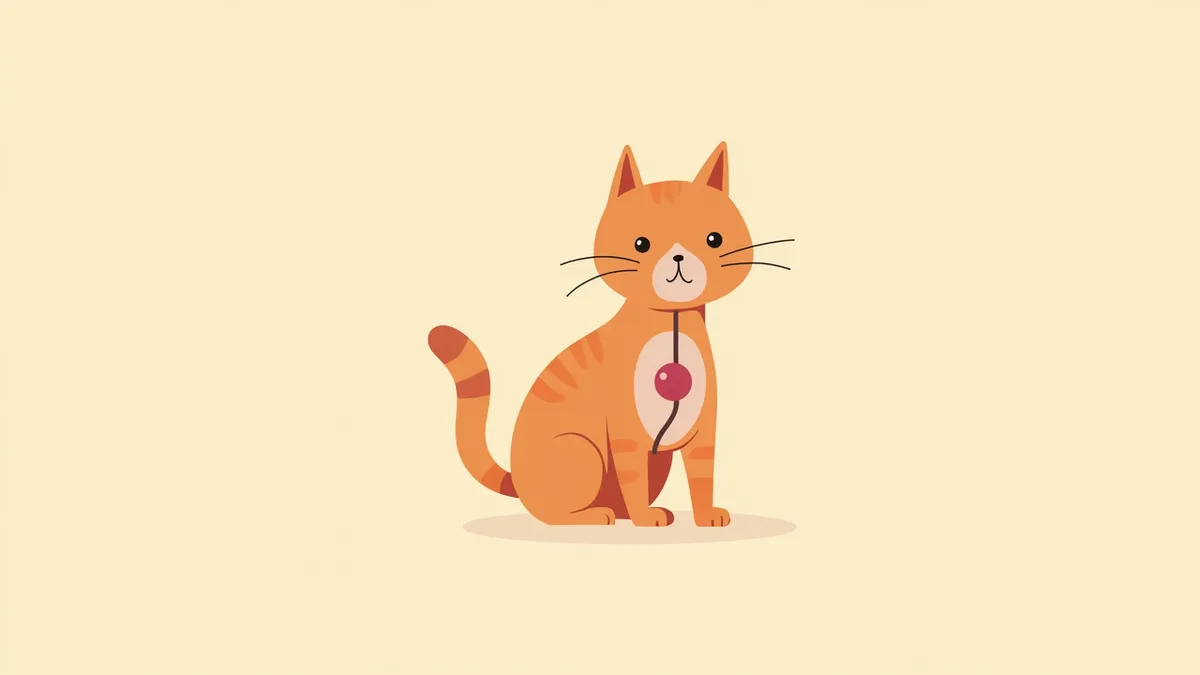
Anatomy of the Feline Lower Urinary Tract
Feline lower urinary tract disease (FLUTD) is an umbrella term for various conditions affecting the lower urinary tract, including the bladder and urethra. Common symptoms include frequent urination, difficulty urinating, blood in the urine, and prolonged straining in the litter box. Male cats are particularly at risk because their narrow urethra can become acutely blocked by urinary stones or inflammation, a life-threatening emergency requiring immediate veterinary care. Most cases of FLUTD are idiopathic cystitis, a condition driven by a combination of stress, diet, and environmental factors. Early detection and proper management are key to preventing recurrence.

What are the main causes of FLUTD?

Urinary tract infections are just one of the causes of Feline Lower Urinary Tract Disease (FLUTD), not the main one. In most cases, no infection is detected, and Feline Idiopathic Cystitis (FIC) is known to be the most common cause. When urine becomes highly concentrated, minerals like calcium and magnesium can clump together to form crystals. Male cats have narrow urethras, so these crystals or mucus can block the passage, leading to acute urinary obstruction. Stress factors such as environmental changes, conflicts with other animals, or changes in daily routine can negatively impact bladder function. A diet centered around dry food reduces water intake, which increases urine concentration and raises the risk of FLUTD. Certain breeds tend to have a higher incidence of FLUTD, so genetic predisposition should also be considered.
Environments that cause stress in cats

What are the main symptoms of FLUTD?

The main symptoms of feline lower urinary tract disease (FLUTD) are as follows:
Frequent urination: The cat frequently visits the litter box but produces only small amounts of urine.
Difficulty urinating: The cat may sit in the litter box for extended periods, showing signs of distress, crying, or meowing in pain.
Hematuria: Blood may be present in the urine.
Inappropriate elimination: The cat may urinate outside the litter box.
Lethargy: The cat may show reduced activity, labored breathing, or collapse.
If any of these symptoms appear, immediate veterinary attention is required.
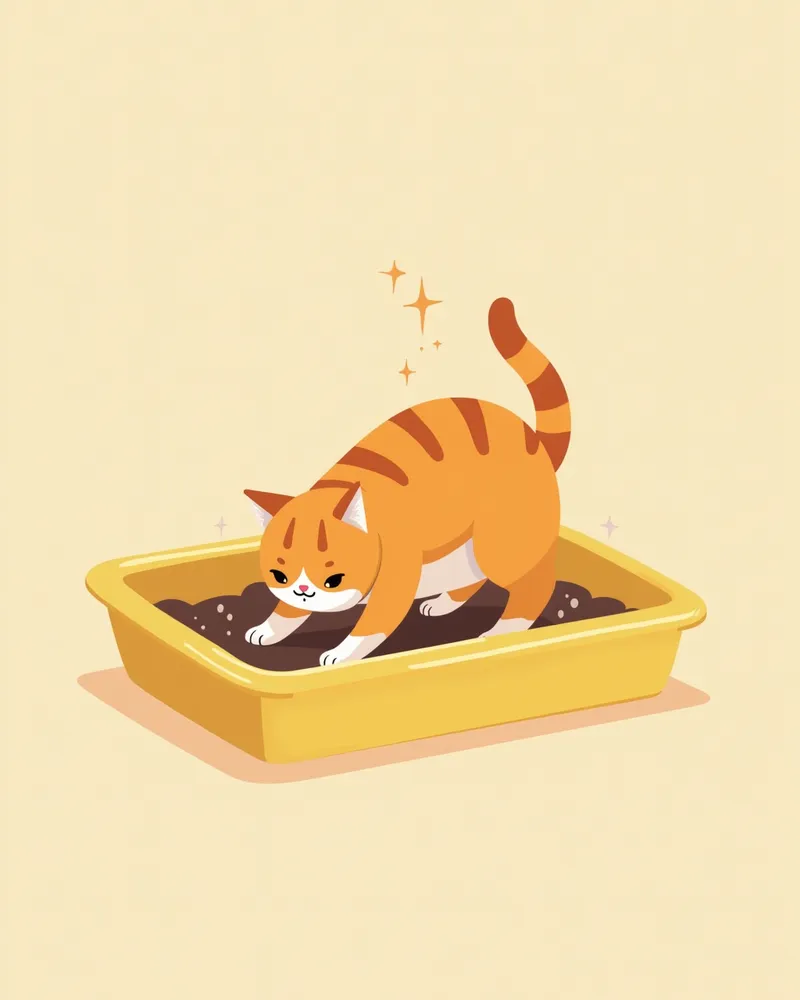
A cat showing signs of distress while using the litter box

Emergency Signs Requiring Immediate Veterinary Attention

If your cat sits in the litter box for an extended period, cries or screams in distress, or is unable to urinate at all, these could be signs of a urethral obstruction. This is a life-threatening condition that requires immediate veterinary attention.

Comparison of Responses Based on FLUTD Symptom Severity

ItemSymptom TypeSeverityResponse MethodWhether Hospital Visit Is Needed
MildFrequent urination, mild difficulty urinatingLowEnvironmental control, increased water intakeNot needed
ModerateHematuria, repeated urination attemptsMediumVeterinary consultation, schedule examinationRecommended
SevereNo urine at all, severe painHighVisit hospital immediately, emergency treatment neededAbsolutely essential

In male cats, the risk of urethral obstruction is high, so early response is important.

How is FLUTD diagnosed?
Urinalysis: Checks urine pH, white blood cells, red blood cells, and crystals to detect inflammation or infection.
Blood tests: Evaluates kidney function and electrolyte balance to assess overall health.
Ultrasound: Provides detailed imaging of bladder stones, tumors, and changes in bladder wall thickness.
Cystoscopy: Allows direct visualization of the urethra in severe cases.
Imaging (e.g., X-rays): Helps determine the location and size of urinary stones.
Medical history and behavioral observation: Analyzes bathroom habits, stress factors, and other relevant details.
A veterinarian examining a cat's urine sample

What are the treatment methods for FLUTD?
Antibiotic therapy: Once a bacterial infection is confirmed, antibiotics are prescribed to target the specific pathogen.
Dietary management: Specialized diets are used to regulate urine pH and concentration, helping to prevent the formation of urinary stones.
Urethral dilation or surgery: In cases of obstruction, the urethra is opened using catheterization or surgical intervention.
Pain relief: Pain medication is prescribed to reduce discomfort during urination.
Environmental enrichment: To minimize stress in cats, adjustments are made to litter box placement, play areas, and other environmental factors.
Regular follow-up: Even after symptoms improve, ongoing monitoring with your veterinarian is essential.
A cat receiving urethral catheter treatment at the hospital

Home Management Points

To help prevent recurrent feline lower urinary tract disease (FLUTD), the following management steps are important:
Increase water intake: Feed a diet centered on wet food and place water bowls in multiple locations.
Improve the litter box environment: Keep the litter box clean and quiet, and use comfortable litter.
Reduce stress: Feline-specific pheromones and a consistent daily routine can be helpful.
Regular check-ups: Annual veterinary exams help detect early signs of abnormalities.
These management strategies play a key role in preventing recurrence.
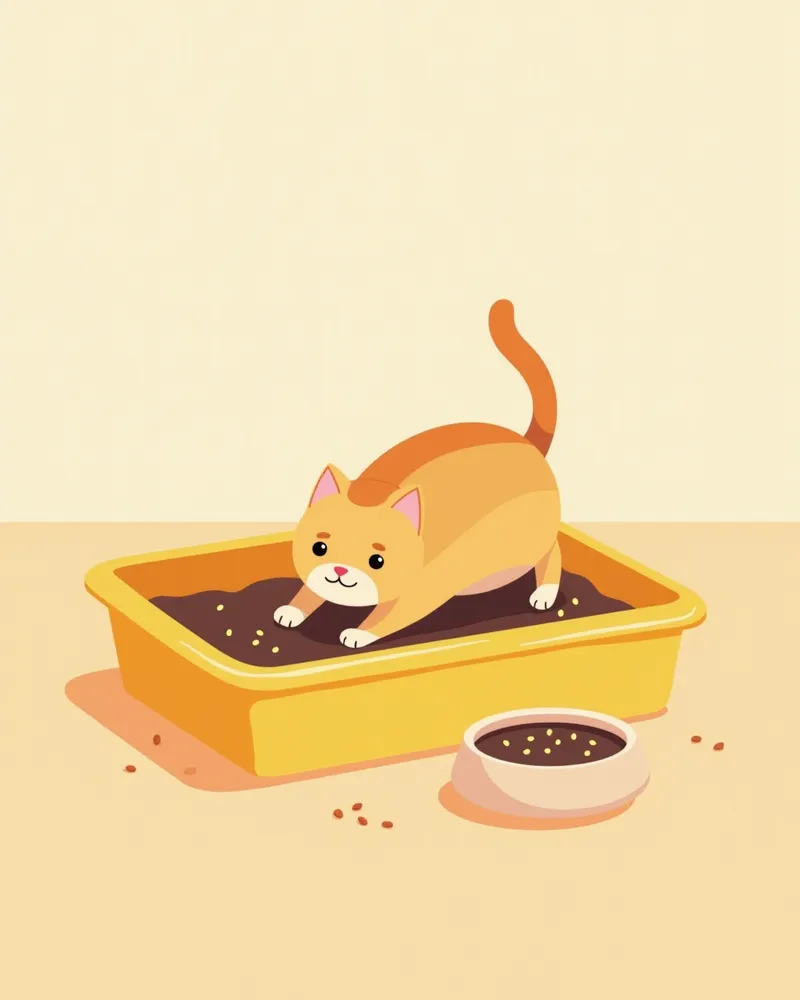
A clean cat litter box and water bowl

Special Precautions for Male Cats

Male cats have narrower and longer urethras than females, putting them at higher risk for urethral obstruction. This is a life-threatening emergency, so immediate veterinary care is essential. If left untreated, it can quickly lead to severe complications such as acute kidney injury or hyperkalemia. While it’s difficult to predict exactly how many hours a cat can survive, the longer the delay, the greater the risk—making prompt treatment critical for survival. Never ignore urinary issues in male cats; seek veterinary care right away.

Reviewed by a veterinarian

Dr. Tony — Punnawat Phongkittirak

Dr. Tony — Punnawat Phongkittirak

Veterinarian

A veterinarian who majored in veterinary medicine at Khon Kaen University, Thailand, and completed the IVSA program at North Carolina State University in the United States. Drawing on clinical experience at animal hospitals, he works in the pet healthcare field and is dedicated to building a digital care environment that connects pet parents with veterinarians.

Frequently Asked Questions

My cat has been sitting in the litter box for a long time. Is that normal?
If your pet sits for prolonged periods or appears to be in pain, it could be a sign of FLUTD. Immediate veterinary care is necessary.
Can FLUTD recur?
Yes, recurrence is common. Environmental control, regular check-ups, and dietary management are important.
Will giving my cat more water at home help?
Yes, increasing water intake dilutes the urine, which helps prevent urinary tract issues.
My cat is urinating outside the litter box. Why is this happening?
Pets often avoid using the litter box due to pain or anxiety. Immediate consultation with a veterinarian is necessary.
Can FLUTD be prevented?
Yes, it can be prevented through proper diet, adequate hydration, stress management, and regular check-ups.

Share

Related Guides

References

[1] Clinical Medicine of the Dog and Cat, 4th Ed, 2023

[2] The Cat, Clinical Medicine and Management, 2nd Edition, 2021

[3] A Professional’s Guide to Feline Behaviour: Understanding, Improving and Resolving Problems, 2020

This information is based on veterinary literature and does not replace diagnosis or treatment. Please consult a veterinarian for specific health concerns.

Metapet Co., Ltd. | CEO: Park Sung-yong | Business Reg. No. 417-88-02562 | Seoul, South Korea | Customer Center

Feline Lower Urinary Tract Disease (FLUTD) FAQ for Owners | Meongsiljang