Like
Share
멍실장
고양이 구내염 원인과 치료 방법

Causes and Treatment of Feline Stomatitis

Oral HealthQ&AMeongsiljang Veterinary Advisory Board

Feline stomatitis is a condition characterized by severe inflammation of the oral mucosa. Based on veterinary textbooks, we’ve compiled essential information for pet owners, covering causes, symptoms, diagnosis, medical treatment, and tooth extraction.

Feline Stomatitis: Causes and Treatment

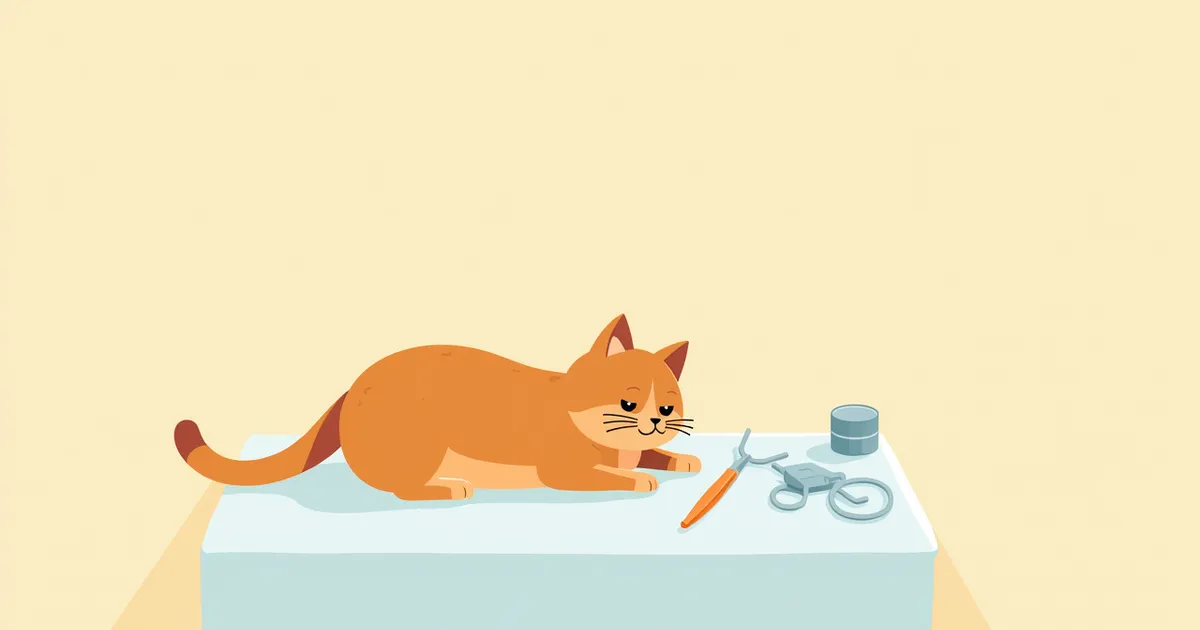
An illustration of a cat receiving an oral examination from a veterinarian
Feline stomatitis is a condition characterized by severe inflammation of the oral mucosa. Although the exact cause remains unknown, it is believed to result from a combination of immune system dysfunction and viral infections. Treatment progresses stepwise, ranging from medication to tooth extraction, with approximately 80% of cats showing significant improvement after extraction. Because early detection and proactive treatment are crucial, we have outlined the causes and treatment methods that pet owners should know.

Causes of Feline Stomatitis

The exact cause of feline stomatitis has not yet been fully identified. According to veterinary internal medicine textbooks, it is believed to result from a combination of multiple factors.
Immune system dysfunction: An excessive immune response to dental plaque can lead to severe inflammation.
Calicivirus infection: This virus has been isolated and detected in cats with stomatitis.
Bacterial infection: Certain bacteria, such as *Bartonella henselae*, can exacerbate inflammation.
Weakened immunity: The condition is more common in cats with generally compromised immune status.

Suspect Stomatitis If You Notice These Symptoms

Feline stomatitis may not show obvious signs in its early stages. If you notice any of the following symptoms, it’s a good idea to have your cat examined by a veterinarian.
Drooling: Excessive drooling or a wet area around the mouth compared to usual
Decreased appetite: Approaching the food bowl but unable to eat, or dropping kibble
Weight loss: Gradual weight loss due to reduced food intake
Neglected grooming: Lack of self-grooming leading to matted or unkempt fur
Severe bad breath: Noticeably worse halitosis than normal
Vocalizing while eating: Crying out in pain when eating or yawning
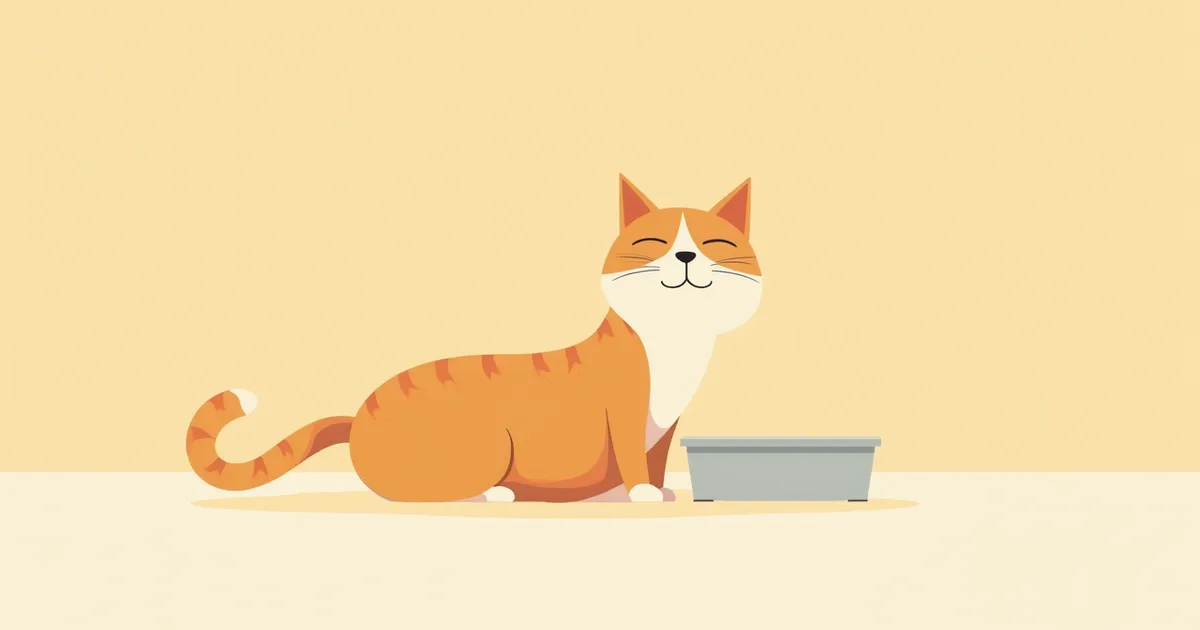
Illustration of a cat unable to eat in front of its food bowl

Characteristics of Stomatitis by Stage

The symptoms and treatment approach for feline stomatitis vary depending on the extent and severity of the inflammation.
StageInflammation AreaMain SymptomsTreatment Approach
MildRedness on part of the gumsMild bad breath, slight gum swellingDental scaling + medication
ModerateGums + part of the oral mucosaDrooling, decreased appetite, gum bleedingMedication + consideration of partial tooth extraction
SevereEntire oral mucosa + back of the throatInability to eat, severe weight loss, severe painFull or nearly full tooth extraction

Gum Inflammation in Young Cats May Be a Different Condition

If your kitten under one year of age is showing signs of gum inflammation, it may not be the same as stomatitis in adult cats, but rather a distinct condition called juvenile gingivitis. According to veterinary internal medicine textbooks, the causes and treatment methods differ, so it is essential to have your young cat properly diagnosed by a veterinarian if you notice any gum issues. If left untreated, it can lead to severe tooth loss.

Diagnostic Process at the Veterinary Clinic
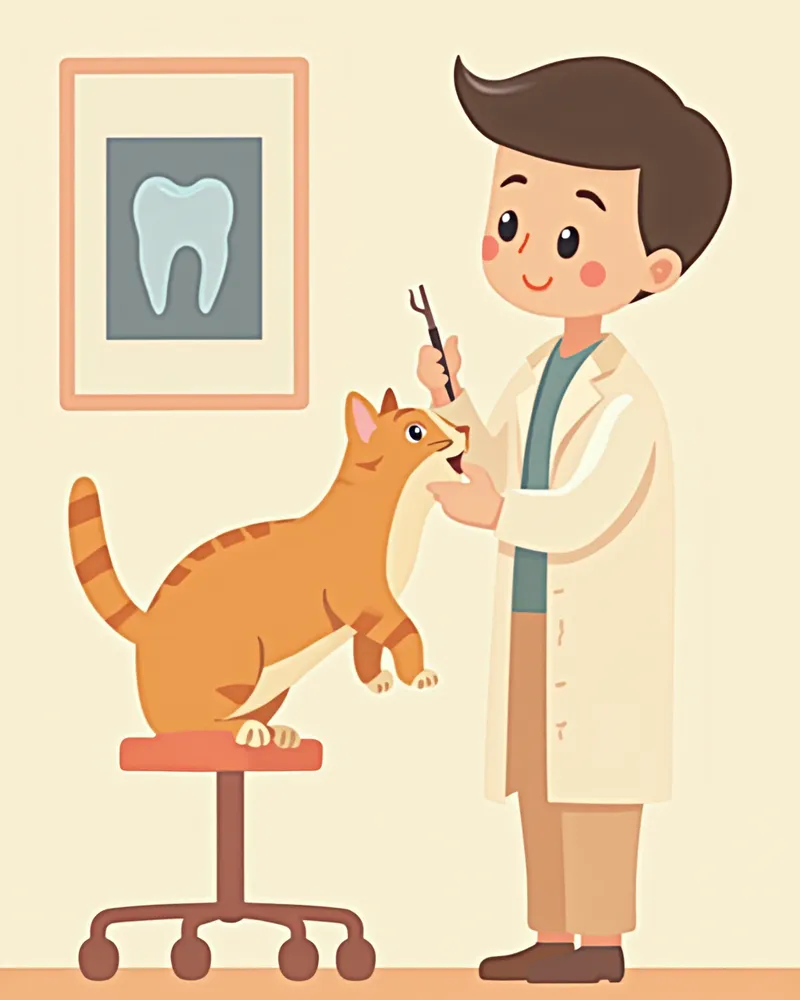
If stomatitis is suspected, your veterinarian will perform an oral examination to assess the extent and severity of the inflammation. The following tests may be conducted for an accurate diagnosis:
Oral Examination: Under anesthesia, the veterinarian will carefully inspect the oral mucosa, gums, and the back of the throat (oropharynx).
Dental Radiographs: X-rays are taken to evaluate the condition of the tooth roots and alveolar bone, helping to determine the extent of necessary extractions.
Biopsy: If needed, tissue samples from the inflamed areas are collected to rule out other diseases.
Viral Testing: Tests are performed to check for infections with related viruses, such as feline calicivirus.
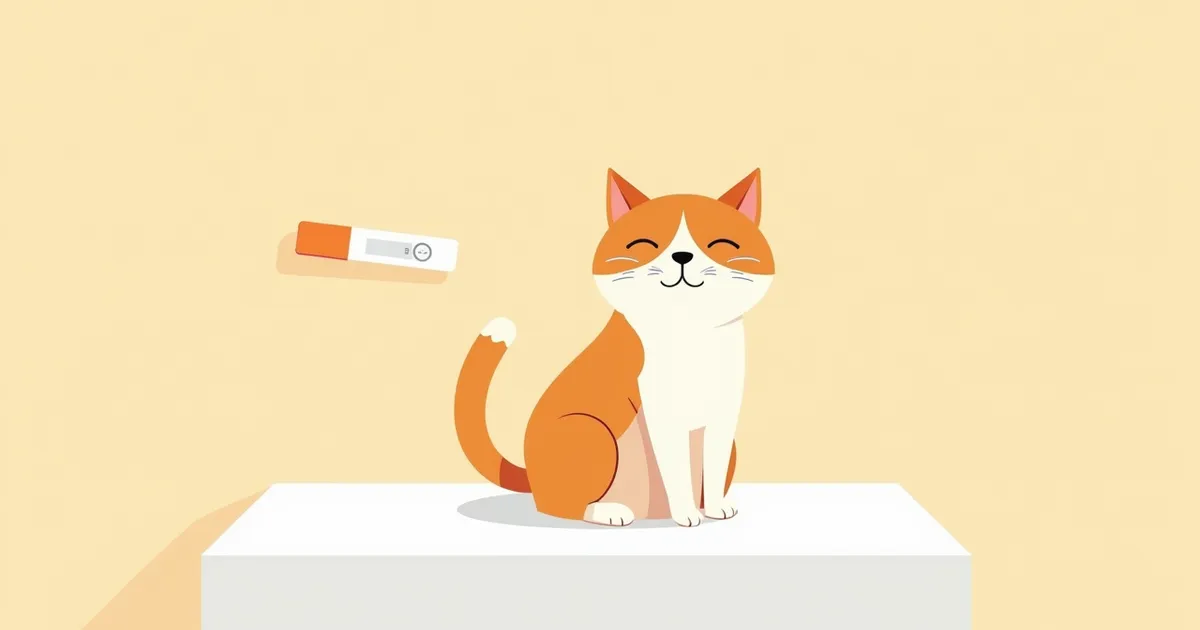
Illustration of a cat undergoing a detailed oral examination by a veterinarian

Medical Treatment Methods

In the early stages of stomatitis or when surgery is not feasible, symptoms can be managed with medication.
Antibiotics: Used to control secondary bacterial infections.
Anti-inflammatory and analgesic medications: Help reduce pain and inflammation, making it easier for your cat to eat.
Immunomodulators: Sometimes used to suppress excessive immune responses.
Dental scaling: Removes plaque and tartar to reduce factors that irritate and inflame the gums.
However, medical management alone often cannot achieve a complete cure. The specific medications and dosages are determined by your veterinarian based on your cat’s weight and overall condition.

Tooth Extraction: Is It Really Okay to Be Toothless?

Tooth extraction is the most effective treatment for feline stomatitis. According to veterinary internal medicine textbooks, approximately 80% of cats show significant symptom improvement after full or nearly full tooth extraction. You might worry that your cat won’t be able to eat without teeth, but cats typically swallow their food without chewing it thoroughly, so they can easily eat wet food or soft dry food even after extraction. In fact, many cats regain their appetite once the pain is gone. The extent of extraction, from partial to full, is determined by the veterinarian based on the cat’s condition.
An illustration of a cat comfortably eating after a tooth extraction

Consistent Care Is Necessary After Treatment

About 80% of cats show improvement after tooth extraction, but among those that improve, approximately 20% may still have mild inflammation even without pain. Additionally, the remaining 20% may require further treatment, such as laser therapy or interferon therapy. It is important to manage their condition consistently with regular oral exams and medication as needed. Complete recovery after surgery can take several weeks to months, so please be patient and monitor them closely. If any abnormal symptoms reappear, consult your veterinarian immediately.

Reviewed by a veterinarian

Dr. Tony — Punnawat Phongkittirak

Dr. Tony — Punnawat Phongkittirak

Veterinarian

A veterinarian who majored in veterinary medicine at Khon Kaen University, Thailand, and completed the IVSA program at North Carolina State University in the United States. Drawing on clinical experience at animal hospitals, he works in the pet healthcare field and is dedicated to building a digital care environment that connects pet parents with veterinarians.

Frequently Asked Questions

Is feline stomatitis contagious?
Stomatitis itself is not contagious. However, calicivirus, one of the causes of stomatitis, can spread between cats. If you have multiple cats, it’s a good idea to separate the infected cat’s food and water bowls and litter box, and make sure the other cats are up to date on their vaccinations.
Is the treatment for stomatitis expensive?
Treatment costs vary significantly depending on the approach. Medication is generally more affordable but may require long-term use, while extraction surgery costs depend on the extent of the procedure. For an accurate estimate, please consult your veterinarian.
Will extracting the teeth cure stomatitis?
About 80% of cats experience significant symptom improvement after full-mouth extractions. However, even among those showing improvement, some may retain mild inflammation without pain, and approximately 20% may require additional treatments such as laser therapy or interferon therapy. It is important to work with your veterinarian to develop a long-term management plan.
Is there a way to prevent stomatitis?
While there is no perfect preventive method yet, regular dental check-ups and professional cleanings to manage plaque can be helpful. Vaccination against calicivirus is also important. To maintain a strong immune system, please ensure a balanced diet and proper stress management.
What kind of food should I give to a cat with stomatitis?
When your pet is experiencing severe oral pain, it’s best to offer soft wet food or kibble soaked in water. Hard dry food can worsen the discomfort. If you’re concerned about nutritional imbalances, consult your veterinarian about prescription diets.

Share

Related Guides

References

[1] Clinical Medicine of the Dog and Cat, 4th Ed — Chapter 5: Diseases of the Oral Cavity and Teeth (Feline Caudal Stomatitis)

[2] The Cat, Clinical Medicine and Management, 2nd Edition — Chapter 24: Dentistry and Oral Surgery (Stomatitis)

[3] Textbook of Respiratory Disease in Dogs and Cats — Chapter 35: Feline Calicivirus and Lymphoplasmacytic Gingivitis Stomatitis Complex

This information is based on veterinary literature and does not replace diagnosis or treatment. Please consult a veterinarian for specific health concerns.

Metapet Co., Ltd. | CEO: Park Sung-yong | Business Reg. No. 417-88-02562 | Seoul, South Korea | Customer Center

Feline Stomatitis: Causes, Symptoms & Treatment | Meongsiljang