
Like
Share
멍실장
강아지 혈뇨 자주 묻는 질문 Q&A — 보호자가 꼭 알아야 할 핵심

Dog Hematuria FAQ — Key Information Every Pet Owner Should Know

UrinaryQ&AMeongsiljang Veterinary Advisory Board

Blood in your dog’s urine isn’t just a simple symptom—it can be a sign of a serious underlying condition. We’ve compiled the key questions and answers every pet owner should know.

Dog Hematuria Is a Sign of a Serious Condition

A dog with an anxious expression in the hospital waiting room
Hematuria in dogs refers to the presence of blood in the urine and is not merely a symptom, but can indicate various underlying conditions such as urinary tract infections, stones, trauma, or tumors. In some dogs, hematuria or changes in urine color may be the only clinical sign. - Urinary Tract Infection (Bacterial Cystitis): One of the common causes, often accompanied by painful urination and frequent urination. Diagnosis involves testing for bacterial infection, followed by treatment with antibiotics. - Stones: Stones in the bladder or urethra can cause lower urinary tract inflammation along with hematuria, frequent urination, and difficulty urinating. Depending on the size and location, surgery or dietary management may be necessary. - Immune-Mediated Bleeding: Systemic immune disorders (e.g., immune-mediated thrombocytopenia, immune-mediated hemolytic anemia) can cause bleeding in the urinary tract, sometimes requiring immunosuppressive therapy. - Tumors: Tumors such as transitional cell carcinoma in the bladder or urethra can lead to recurrent hematuria. Early detection is crucial, so immediate veterinary care is essential. Hematuria is a warning sign that should never be ignored.

Learn the Main Causes of Hematuria

There are many possible causes of hematuria in dogs, and urinary tract infections, including bacterial cystitis, are among the most common. - Urinary tract infection: Bacteria cause inflammation of the bladder or urethra, which can be accompanied by frequent urination and painful urination. - Uroliths (stones): When minerals such as calcium and magnesium precipitate to form stones in the bladder or urethra, they can cause pain and difficulty urinating. - Immune-mediated hemorrhagic diseases: Bleeding in the urinary tract due to immune system disorders, such as thrombocytopenia or hemolytic anemia, can result in blood in the urine. These cases require an approach focused on identifying and addressing the underlying cause. - Kidney disease: Kidney problems, such as renal hemorrhage or pyelonephritis, can cause hematuria. In some cases, blood in the urine may be the only sign, while in others, systemic symptoms like decreased appetite and lethargy may also appear. - Cancer: Tumors such as transitional cell carcinoma in the bladder or urethra can cause recurrent hematuria, making early diagnosis crucial. Accurately identifying the underlying cause is key to effective treatment.
Diagram of a dog’s urinary tract, highlighting the areas affected by stones and inflammation

Checklist of Main Symptoms of Hematuria

Hematuria in dogs can be accompanied by a variety of symptoms. Please carefully observe these warning signs.
Increased urinary frequency: Your dog may make frequent, strained attempts to urinate.
Painful urination: Urination may take longer than usual, or your dog may cry out or show signs of distress while trying to pass urine.
Changes in urine color: The urine may appear unusually red, brown, or dark yellow.
Abdominal pain: Your dog may tremble, flinch, or try to avoid being touched on the belly.
Decreased appetite: Your dog may eat less than usual or refuse food entirely.
Systemic symptoms: These may include shock, lethargy, hypothermia, or persistent vomiting.
If you notice any of these signs, immediate veterinary care is necessary.
A dog that shows signs of pain when its belly is touched

Signs That Require an Immediate Veterinary Visit

If your dog is unable to urinate or is straining without producing urine, seek veterinary care immediately. This could indicate a urinary tract obstruction, which is a medical emergency. Male dogs are at higher risk because their narrower urethra is more prone to blockages from stones. Prolonged obstruction can damage kidney function, so prompt treatment is essential.

Diagnostic Tests for an Accurate Diagnosis
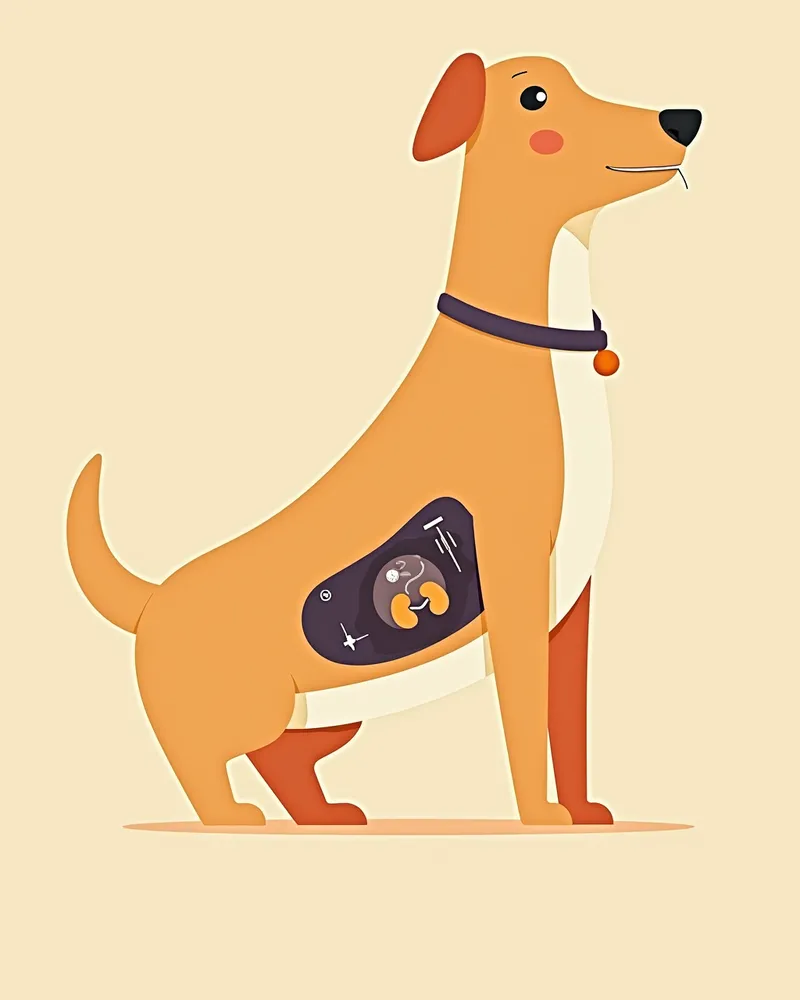
To pinpoint the exact cause of hematuria, several diagnostic tests are necessary. - Urinalysis: Checks for red blood cells, bacteria, protein, and pH levels to determine whether an infection or inflammation is present. - Ultrasound: Provides a visual assessment of the bladder and kidneys to detect stones, tumors, or structural abnormalities. - X-ray: Useful for determining the location and size of stones, particularly those based on calcium. - Blood tests: Evaluate kidney function, inflammatory markers, and overall blood health to identify any systemic issues. - Urine culture: Precisely identifies the bacteria causing an infection, allowing for targeted antibiotic prescription. Effective treatment is difficult without an accurate diagnosis.
A veterinarian performing an abdominal ultrasound on a puppy

Treatment Methods Vary Depending on the Cause

Treatment for hematuria varies significantly depending on the underlying cause. - Infection: Treated with antibiotics. It is crucial to complete the full course of medication to prevent recurrence. - Stones: Dietary management or surgical removal may be required, depending on the type and size of the stones. - Immune-mediated hemorrhagic diseases: When immune dysfunction is the cause, such as in immune-mediated thrombocytopenia or hemolytic anemia, immunosuppressants are used to regulate the immune response and alleviate symptoms. - Kidney disease: Medication and dietary management are combined, tailored to the degree of functional decline. - Cancer: A comprehensive treatment plan involving surgery, chemotherapy, and/or radiation therapy is necessary. Regular consultations with your veterinarian are key to successful treatment.
A dog receiving an intravenous injection at the clinic

Management Methods You Can Do at Home

For dogs with blood in their urine, increasing fluid intake is the most important step. - Water access: Offer water frequently and place multiple bowls around the home to make it easy for your dog to drink. - Dietary adjustments: Mixing in wet canned food or liquid toppers can help boost hydration. - Litter area hygiene: Keep the potty area clean and ensure your dog feels comfortable using it. - Stress reduction: Provide a quiet environment and avoid sudden changes that could cause anxiety. - Medication management: Administer medications exactly as prescribed by your veterinarian, following the correct schedule and dosage. Keeping a medication log is helpful, as consistent care plays a major role in recovery.
Bowls for water and food that your puppy can safely use

Comparison of Symptoms and Responses by Cause of Hematuria

ItemMain SymptomsTreatment MethodEmergency Status
Urinary Tract InfectionIncreased urination frequency, pain during urinationAntibiotic administration (determined after identifying the causative organism)Yes
StonesBlood in urine, pain during urination, abdominal painDietary management, surgeryYes
Immune-Mediated Hemorrhagic DiseaseHematuria, systemic bleeding symptoms (e.g., skin bleeding, oral bleeding)Immunosuppressants, appropriate treatment of the underlying causeModerate
CancerHematuria, weight loss, decreased appetiteSurgery, chemotherapyYes

Emergency status refers to whether an immediate clinic visit is required.

Reviewed by a veterinarian

Dr. Tony — Punnawat Phongkittirak

Dr. Tony — Punnawat Phongkittirak

Veterinarian

A veterinarian who majored in veterinary medicine at Khon Kaen University, Thailand, and completed the IVSA program at North Carolina State University in the United States. Drawing on clinical experience at animal hospitals, he works in the pet healthcare field and is dedicated to building a digital care environment that connects pet parents with veterinarians.

Frequently Asked Questions

Will my dog’s blood in the urine go away after just one day?
No. While hematuria may seem like a minor issue, it can stem from serious underlying causes. Since symptoms can recur or worsen within just a day, it’s important to identify the root cause.
Can I perform a urine test at home?
While some home test kits are available, a veterinarian’s examination is necessary for an accurate diagnosis. Please use these kits only as a reference.
Is it more dangerous if a male dog frequently experiences hematuria?
Yes, male dogs have narrower urethras, making them more prone to urinary stones and blockages. If your dog is unable to urinate and is experiencing blood in the urine, immediate veterinary care is necessary.
Should I give my pet medication at home if they develop hematuria?
No. Administering medication without knowing the cause can mask symptoms and interfere with diagnosis. Please only give medication after receiving a diagnosis from a veterinarian.
What tests are done if hematuria occurs?
Common diagnostic tests include urinalysis, ultrasound, X-rays, blood work, and urine culture. Your veterinarian will recommend the appropriate tests based on the suspected cause.

Share

Related Guides

References

[1] Clinical Medicine of the Dog and Cat, 4th Ed, 2023

[2] The Veterinary Workbook of Small Animal Clinical Cases, 2022

[3] Plumb's Veterinary Drug Handbook, 10th Ed, 2023

This information is based on veterinary literature and does not replace diagnosis or treatment. Please consult a veterinarian for specific health concerns.

Metapet Co., Ltd. | CEO: Park Sung-yong | Business Reg. No. 417-88-02562 | Seoul, South Korea | Customer Center

Dog Hematuria FAQ: What Every Pet Owner Should Know | Meongsiljang