Like
Share
멍실장
강아지 타우린 결핍 심근병증 자주 묻는 질문 Q&A — 보호자가 꼭 알아야 할 핵심

What is Taurine-Deficient Cardiomyopathy in Dogs? — The Link Between Diet and Heart Health

HeartQ&AMeongsiljang Veterinary Advisory Board

Taurine-deficient cardiomyopathy in dogs is a condition characterized by impaired heart function due to insufficient taurine levels, and it requires particular attention in certain breeds. Early detection and appropriate supplementation are key to effective treatment.

What is Taurine-Deficient Cardiomyopathy in Dogs?
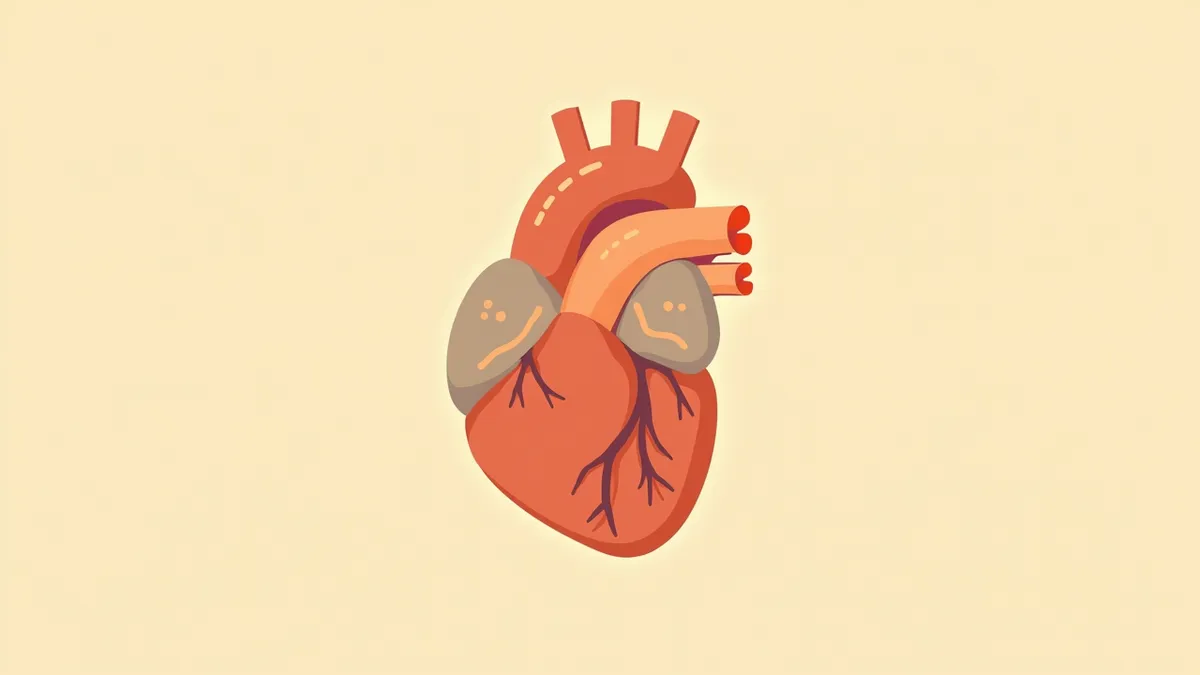
An anatomical diagram of a puppy’s heart with weakened cardiac muscle
Taurine-deficient dilated cardiomyopathy in dogs is a heart condition caused by a lack of taurine, leading to weakening and enlargement of the heart muscle. This results in a weaker heartbeat and impaired blood circulation. In some breeds, genetic predisposition and dietary factors may interact to contribute to the condition. With early detection and supplementation therapy, heart function can often be restored or stabilized in most cases. Regular veterinary check-ups are essential for early diagnosis.

Why Do Dogs Need Taurine?

Taurine is an amino acid that plays a vital role in maintaining your dog’s heart function. In dogs with taurine deficiency, lesions affecting not only the heart but also the retina (vision) have been reported. It particularly helps maintain the contractile strength of the heart muscle. Although dogs can synthesize taurine internally and it is therefore not classified as an “essential amino acid,” blood taurine levels can still drop depending on dietary conditions. For example, long-term consumption of diets high in lamb and rice, or those low in protein and high in fiber, can impair taurine absorption and utilization, leading to deficiency. Additionally, certain breeds, such as the American Cocker Spaniel, tend to have lower blood taurine levels. A deficiency in taurine can cause the heart to gradually weaken, potentially leading to dilated cardiomyopathy (DCM).
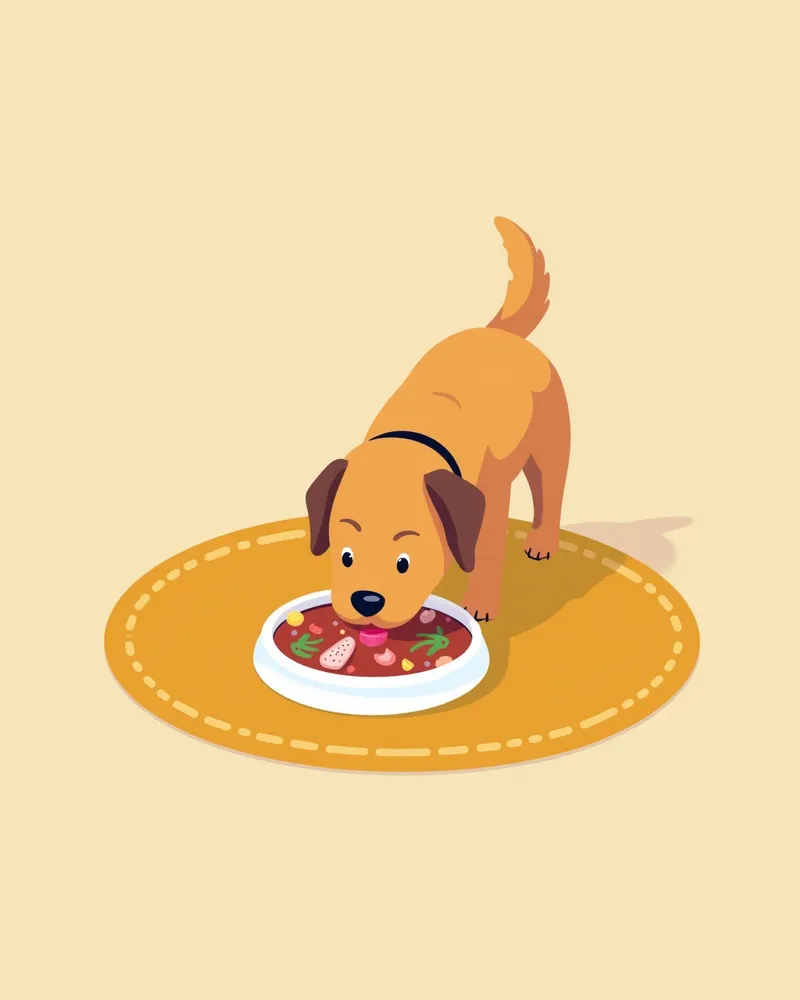
A puppy eating taurine-rich food

What Are the Main Symptoms of Taurine Deficiency?
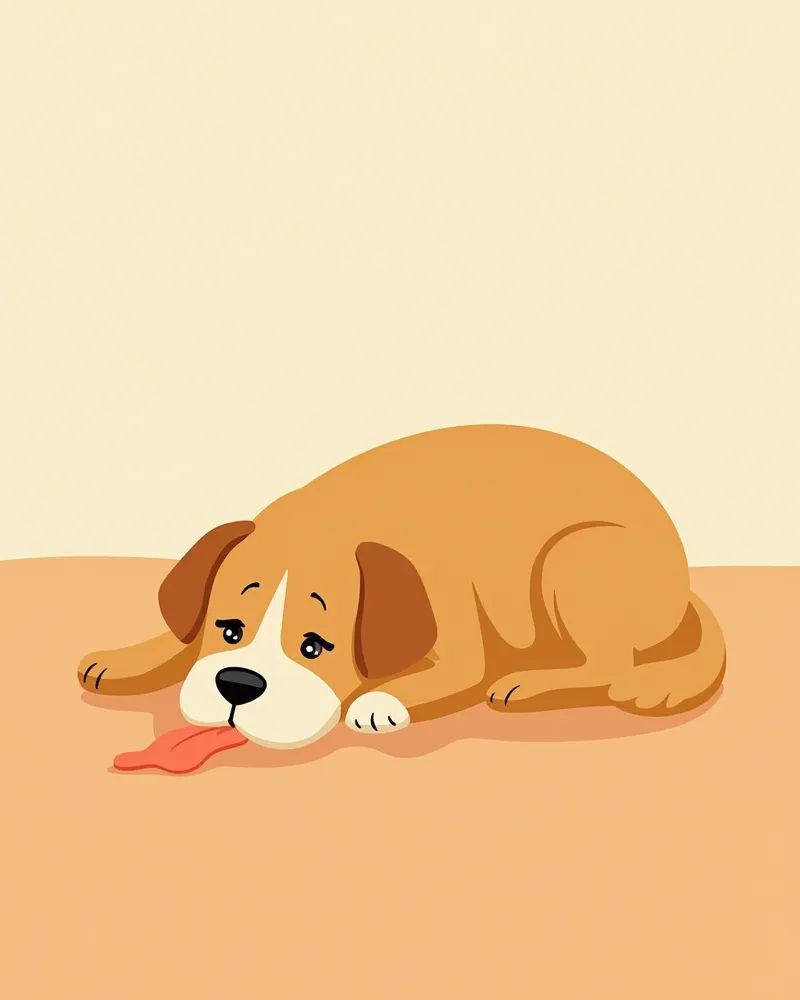
Early signs of taurine deficiency in dogs include lethargy, difficulty breathing, a rapid heartbeat, coughing, and decreased appetite. As the heart weakens, blood circulation becomes impaired, which can cause a cold feeling in the body or swelling in the abdomen due to fluid accumulation. In severe cases, heart failure or sudden shock may occur. If your dog shows reduced activity levels or labored breathing even while resting, consult a veterinarian immediately.
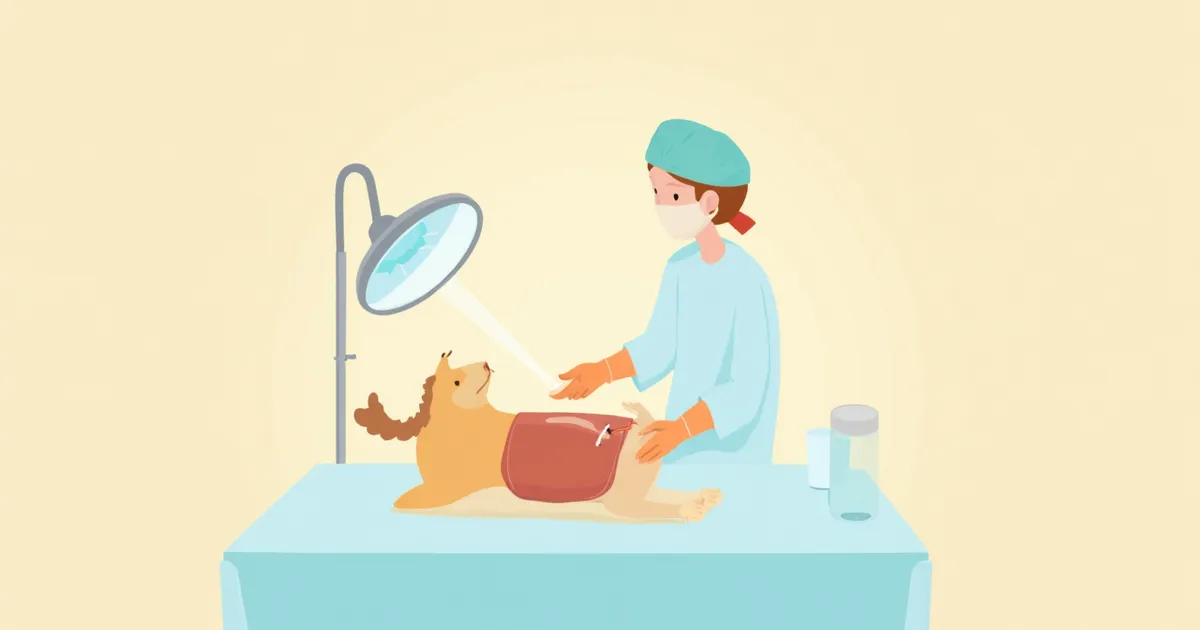
A dog struggling with heart problems

Signs Requiring Immediate Veterinary Visit

If your dog suddenly has trouble breathing, develops a bluish tint to its mouth, or collapses, seek veterinary care immediately. These are signs of a rapid decline in heart function. An extremely rapid heartbeat or persistent, severe coughing also constitute emergencies. While taurine deficiency is treatable if caught early, delayed diagnosis can make recovery difficult. Pet owners should stay vigilant and not miss these warning signs.

Which Dogs Are at Higher Risk for Taurine Deficiency?

Certain breeds, particularly American Cocker Spaniels, Golden Retrievers, Newfoundlands, Labrador Retrievers, English Setters, Portuguese Water Dogs, and Saint Bernards, tend to have lower blood taurine levels than other breeds, putting them at higher risk for taurine-related cardiomyopathy. However, the taurine content in pet food does not directly correlate with blood taurine levels. Additionally, long-term feeding of diets high in lamb and rice, or those that are low in protein and high in fiber, can impair taurine absorption and utilization, leading to deficiency. Dietary management is crucial; it is safest to use foods or supplements recommended by a veterinarian. For dogs suspected of having dilated cardiomyopathy (DCM), measuring blood taurine levels is advisable.
Dog breeds at higher risk of taurine deficiency

Comparison of Taurine Supplement Types

ItemAbsorption RateRecommended BreedsPrecautions
Powder formHighAll breedsWhen dietary control is needed
Capsule formMediumAdult dogs, senior dogsCaution if unable to chew
Liquid formVery highYoung dogs, during hospitalizationRequires refrigeration for storage

The veterinarian determines the dosage according to weight and condition. Overdose can cause side effects.

Why Are Regular Check-ups and Taurine Level Monitoring Important?

Taurine deficiency is tricky because it often shows no obvious symptoms in the early stages, making it easy to overlook. - Regular Check-ups: Monitor your pet’s condition through routine heart evaluations (such as chest X-rays and echocardiograms) and blood tests. Your veterinarian will determine the appropriate screening schedule based on your pet’s breed and health status. - Blood Taurine Levels: Taurine levels are assessed by measuring plasma (>60 nmol/ml) or whole blood (<250 nmol/ml). It’s advisable to check these levels even if your pet is eating a balanced diet. - At-Risk Breeds: Breeds prone to deficiency, such as American Cocker Spaniels, Golden Retrievers, Newfoundlands, and Portuguese Water Dogs, require more vigilant monitoring. - Early Detection: The key is to identify the issue early, before taurine levels drop significantly. - Veterinarian-Recommended Schedule: Rather than supplementing blindly, it’s important to manage your pet’s health through regular monitoring and a plan tailored by your veterinarian.
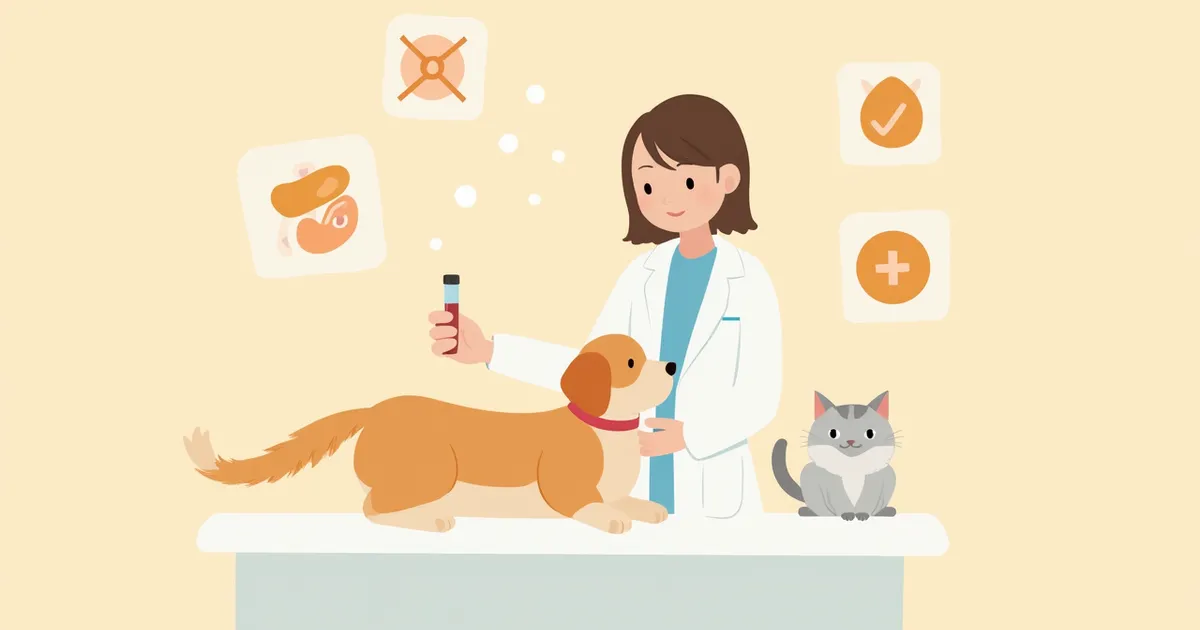
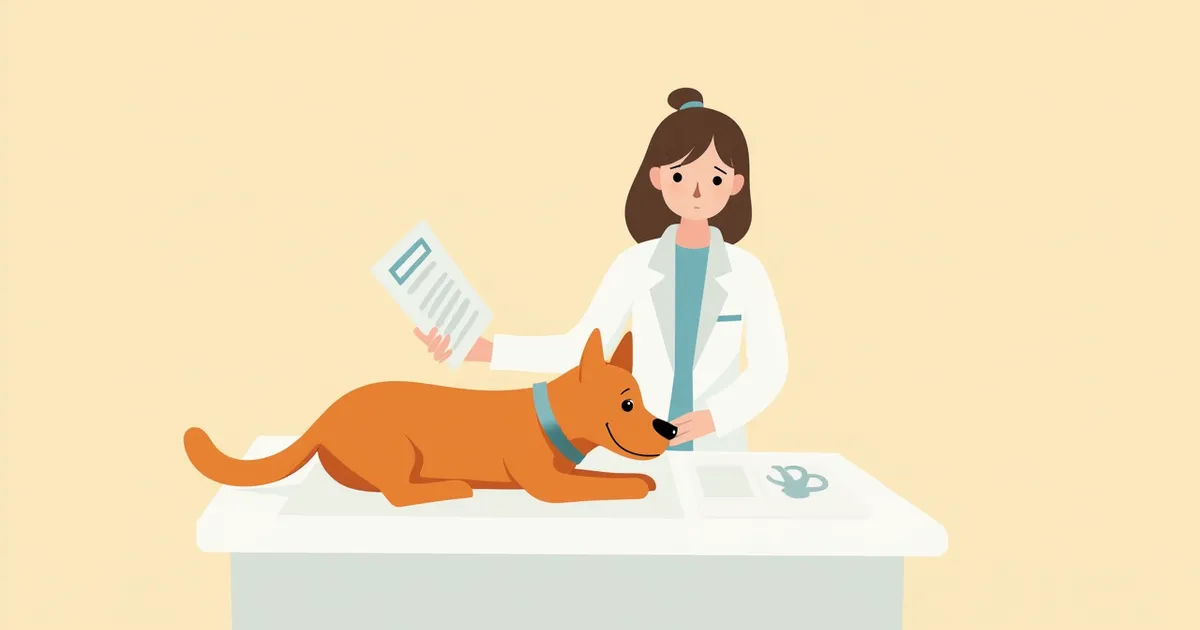
A veterinarian performing a blood test on a puppy.

Caution: Taurine Supplementation Only Under Veterinary Guidance

Taurine supplements are generally considered a relatively affordable and safe nutrient, but it’s best to use them under a veterinarian’s guidance. Starting supplementation without a proper diagnosis can mask other heart conditions, potentially delaying an accurate diagnosis. Additionally, even if taurine levels are normal, your pet could still have weakened heart function due to conditions like primary (idiopathic) dilated cardiomyopathy, so decisions shouldn’t be based solely on taurine levels. Pet owners should maintain open communication with their veterinarian to develop a consistent management plan.

Reviewed by a veterinarian

Dr. Tony — Punnawat Phongkittirak

Dr. Tony — Punnawat Phongkittirak

Veterinarian

A veterinarian who majored in veterinary medicine at Khon Kaen University, Thailand, and completed the IVSA program at North Carolina State University in the United States. Drawing on clinical experience at animal hospitals, he works in the pet healthcare field and is dedicated to building a digital care environment that connects pet parents with veterinarians.

Frequently Asked Questions

Is it safe for dogs to consume taurine?
Yes, supplements recommended by veterinarians are safe to give. However, overdosing can cause side effects, so it's essential to follow the correct dosage.
Can taurine deficiency be completely cured?
With early detection and proper supplementation and care, heart function can be restored or stabilized in most cases. However, if treatment is delayed, heart function may not recover.
Should I only feed my pet food that contains taurine?
While feeding a diet that includes taurine can be helpful, it may be more effective to also provide a supplement recommended by your veterinarian. Since food alone may not be sufficient, it’s important to seek professional advice.
Is taurine deficiency hereditary?
Certain breeds are genetically predisposed to taurine metabolism disorders, putting them at higher risk. However, since dietary factors also play a significant role, proper diet management and regular check-ups are essential.
How long should I continue giving my pet taurine supplements?
Once your pet’s heart function stabilizes, your veterinarian may gradually reduce or discontinue the medication. However, because there is a risk of recurrence, regular check-ups are essential to monitor your pet’s condition.

Share

Related Guides

References

[1] Textbook of Cardiovascular Medicine in Dogs and Cats, 2023

[2] Plumb's Veterinary Drug Handbook, 9th Edition, 2022

[3] American College of Veterinary Internal Medicine (ACVIM) Consensus Statement on Canine Dilated Cardiomyopathy, 2021

This information is based on veterinary literature and does not replace diagnosis or treatment. Please consult a veterinarian for specific health concerns.

Metapet Co., Ltd. | CEO: Park Sung-yong | Business Reg. No. 417-88-02562 | Seoul, South Korea | Customer Center

Taurine-Deficient Cardiomyopathy in Dogs: Diet & Heart Health | Meongsiljang