Like
Share
멍실장
고양이 보르데텔라 호흡기감염 자주 묻는 질문 Q&A — 보호자가 꼭 알아야 할 핵심

Frequently Asked Questions About Feline Bordetella Respiratory Infection — Key Information for Pet Owners

RespiratoryQ&AMeongsiljang Veterinary Advisory Board

Feline bordetella respiratory infection is a highly contagious respiratory disease, with coughing, sneezing, and watery eyes being the main symptoms. Here’s a summary of key information that pet owners should know.

What Is Feline Bordetella Respiratory Infection?

A cat exhibiting coughing and nasal discharge as symptoms of a Bordetella respiratory infection.
Feline bordetellosis is a contagious respiratory disease caused by the bacterium Bordetella bronchiseptica, typically presenting with symptoms such as coughing, sneezing, ocular discharge, nasal discharge, decreased appetite, and lethargy. The disease spreads through droplets or direct contact, posing a particularly high risk of transmission in environments where multiple cats live together. Kittens under 10 weeks of age are especially vulnerable to severe complications like bronchopneumonia, requiring close attention. Coughing is also reported more frequently in kittens than in adult cats. While symptoms usually improve within 10 days in the absence of concurrent infections or complications, some cases may involve persistent coughing or progression to respiratory distress, making early diagnosis and appropriate management essential.

Why Are Cats Prone to Bordetella Infection?

Bordetella infections in cats are more likely to spread when multiple cats are kept in confined spaces. Animal shelters, pet hotels, and veterinary clinics can facilitate rapid transmission due to poor air circulation and crowded conditions. Kittens under 10 weeks of age are particularly vulnerable to lower respiratory tract infections and bronchopneumonia caused by Bordetella, and cats with underlying health conditions may also be more susceptible. Healthy cats can become infected through droplets or secretions from infected cats. To prevent infection, it is important to reduce housing density, maintain strict environmental hygiene, and minimize contact with infected cats. If you suspect your cat is infected, consult your veterinarian immediately.
A scene showing multiple cats together in an animal shelter, with one cat coughing.

What Are the Main Symptoms?

The main symptoms of Bordetella respiratory infection in cats include coughing, sneezing, tearing, and nasal discharge. Among confirmed cases, coughing is reported as the most common symptom. These signs can appear early in the infection and may be accompanied by decreased appetite and lethargy. Some cats may exhibit difficulty breathing or cyanosis, so close attention is needed if coughing persists or worsens. Without concurrent infections or pneumonia complications, symptoms typically resolve within 10 days; however, if complications arise, the condition can progress to bronchopneumonia. Early detection and proper care are key to preventing complications. If symptoms persist or worsen, consult your veterinarian immediately.
A cat with watery eyes and a runny nose

Signs Requiring Immediate Veterinary Attention

If your cat is experiencing severe difficulty breathing, foaming at the mouth, refusing food for more than 24 hours, or has a worsening cough accompanied by panting, immediate veterinary attention is necessary. These symptoms may indicate pneumonia or serious complications.

How Is It Diagnosed?

Veterinarians diagnose feline respiratory conditions by comprehensively evaluating clinical signs and environmental factors. Detecting Bordetella bacteria in the lower respiratory tract is highly significant for diagnosis. Samples can be collected via bronchoalveolar lavage (BAL) or tracheal wash and analyzed using PCR or culture tests to confirm the presence of the bacteria. Since the bacteria may reside within cells, it is crucial to collect samples that contain an adequate cellular component. Thoracic radiographs help assess for lung inflammation, and blood tests may be performed in severe cases. Multiple diagnostic tests are often used in combination to ensure an accurate diagnosis and differentiate from other respiratory diseases with similar symptoms, which may require additional testing. Early diagnosis is essential for maximizing treatment efficacy.
A veterinarian examining a cat's neck

What Are the Treatment Options?

Bordetella infections can be effectively treated with antibiotics. Doxycycline is the primary choice, typically administered at a dose of 5–10 mg/kg twice daily or 10 mg/kg once daily, with treatment lasting 2–4 weeks. For cats, liquid formulations are recommended because capsule forms of doxycycline can cause esophagitis or esophageal stricture. Even if symptoms improve, it is crucial to complete the full course of medication to prevent relapse and the development of antibiotic-resistant bacteria. In cases of severe coughing, a cough suppressant may be used alongside the antibiotic, while ensuring adequate hydration and rest is essential. Severe cases may require hospitalization and oxygen therapy, and additional treatment is necessary if complications such as pneumonia are suspected. Throughout the treatment period, closely monitor your cat for any changes in condition.
A cat taking antibiotics

How Can It Be Prevented?

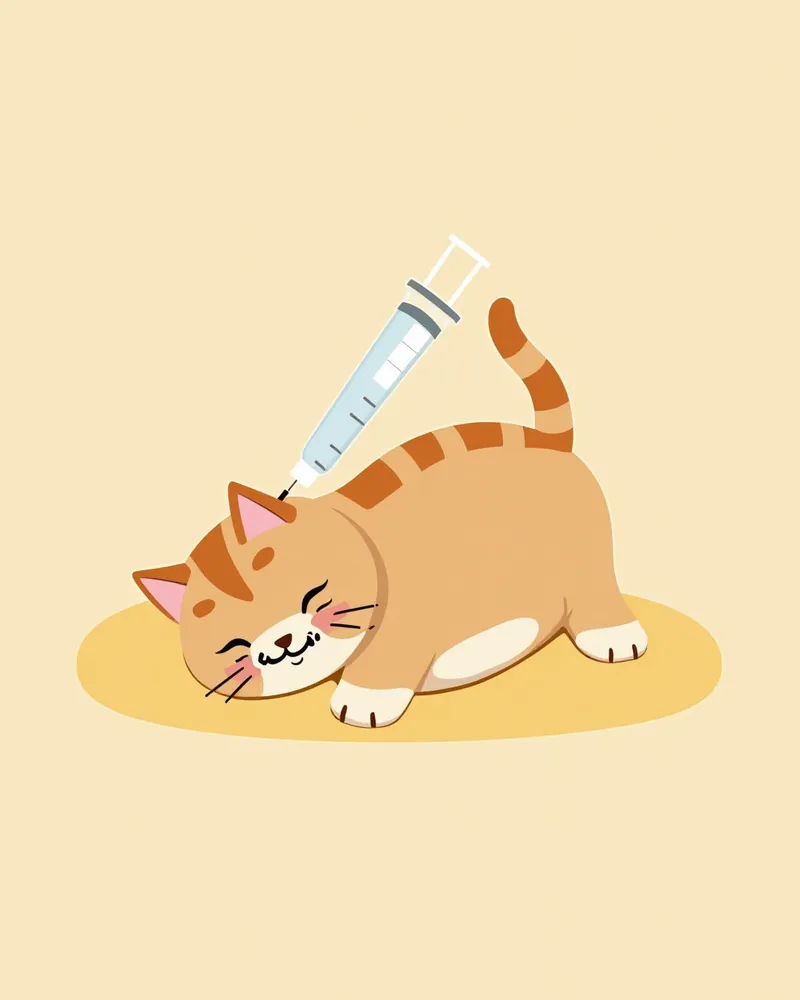
The key to prevention lies in proper environmental management and healthy daily habits. The Bordetella vaccine is only recommended for cats living in multi-cat households where the risk of infection is high. While the vaccine does not completely prevent infection, it helps reduce symptom severity and prevent complications. It is essential to maintain a well-ventilated space, strictly follow hygiene practices such as handwashing and wearing gloves, minimize contact with infected cats, and thoroughly disinfect your hands and clothing after visiting veterinary clinics or shelters. Regular health check-ups enable early detection and prevention.
A cat receiving a Bordetella vaccine

Step-by-Step Comparison of Bordetella Infection Management

ItemSymptomsManagementWhether a vet visit is needed
MildCough, nasal discharge, watery eyesAdminister antibiotics, rest, ventilationRecommended
ModeratePersistent cough, decreased appetiteAntibiotics + cough suppressant, fluid supplementationRecommended
SevereDifficulty breathing, fever, foaming at the mouthInpatient treatment, oxygen supply, potent antibioticsNeeded immediately

A hospital visit is recommended if symptoms persist or worsen over more than 3 days.

Caution: Limitations and Side Effects of the Vaccine

The bordetella vaccine may not completely prevent infection, but it helps alleviate symptoms and reduce the risk of complications. Some cats may experience temporary fever, lethargy, or decreased appetite after vaccination. If any unusual symptoms persist, consult your veterinarian.

Reviewed by a veterinarian

Dr. Tony — Punnawat Phongkittirak

Dr. Tony — Punnawat Phongkittirak

Veterinarian

A veterinarian who majored in veterinary medicine at Khon Kaen University, Thailand, and completed the IVSA program at North Carolina State University in the United States. Drawing on clinical experience at animal hospitals, he works in the pet healthcare field and is dedicated to building a digital care environment that connects pet parents with veterinarians.

Frequently Asked Questions

Can a cat’s Bordetella infection be transmitted to humans?
Reports of Bordetella bronchiseptica causing infections in humans are very limited, with some cases linked to contact with dogs. To date, there is no evidence of direct transmission from cats to humans. However, infection can rarely be a concern for individuals with compromised immune systems, so it’s important to maintain good hygiene, such as washing your hands, when handling your pet.
When should pets receive their vaccinations?
The bordetella vaccine is not considered a core vaccine necessary for all cats. A modified-live vaccine approved for intranasal (nasal mucosa) administration is available, but it is only selectively recommended in high-risk situations, such as multi-cat breeding environments where bordetella infection has been confirmed. The timing of initial vaccination and the interval for booster shots vary depending on the specific product and national guidelines, so please consult your veterinarian to determine the appropriate schedule.
Can I live with an infected cat?
It’s safest to isolate an infected cat. Minimize contact with other cats, and make handwashing, ventilation, and thorough cleaning and disinfection of the environment essential practices. Reduce overcrowding and eliminate factors that increase the risk of infection.
Should I continue giving the medication until it’s all finished, even if the coughing has stopped?
Yes, it's important to complete the full course of antibiotics even if symptoms disappear, as this helps prevent recurrence and the development of antibiotic-resistant bacteria. If the medication isn't administered on schedule, the treatment period may be prolonged, and there's a risk that pathogenic bacteria could develop resistance.
What is the likelihood of reinfection after a Bordetella infection?
While temporary immunity develops after infection, its duration is uncertain, and reinfection remains possible in the long term. Immunity following vaccination is also known to last shorter than that conferred by viral vaccines, so thorough prevention through environmental management and hygiene is essential.

Share

Related Guides

References

[1] Ellis JA, Haines DM, West KH et al. Effect of vaccination on experimental infection with Bordetella bronchiseptica in dogs, JAVMA 218:367-375, 2001.

[2] Hurley K. Canine infectious respiratory disease complex: management and prevention in canine populations. DVM 2010;360.

[3] Reagan KL, Sykes JE. Canine infectious respiratory disease. Vet Clin North Am Small Anim Pract 2020;50(2):405-18.

This information is based on veterinary literature and does not replace diagnosis or treatment. Please consult a veterinarian for specific health concerns.

Metapet Co., Ltd. | CEO: Park Sung-yong | Business Reg. No. 417-88-02562 | Seoul, South Korea | Customer Center

Feline Bordetella Respiratory Infection: 5 Frequently Asked Questions | Meongsiljang