Like
Share
멍실장
신장 결석 수술 (신우절개)은 어떻게 진행되나요?

How is kidney stone surgery (pyelolithotomy) performed?

UrinaryQ&AMeongsiljang Veterinary Advisory Board

Our veterinary advisory team has compiled all the essential information pet owners need to know about kidney stone surgery (pyelolithotomy), including the procedure, indications, recovery period, costs, and potential side effects.

What is kidney stone surgery (pyelolithotomy)?

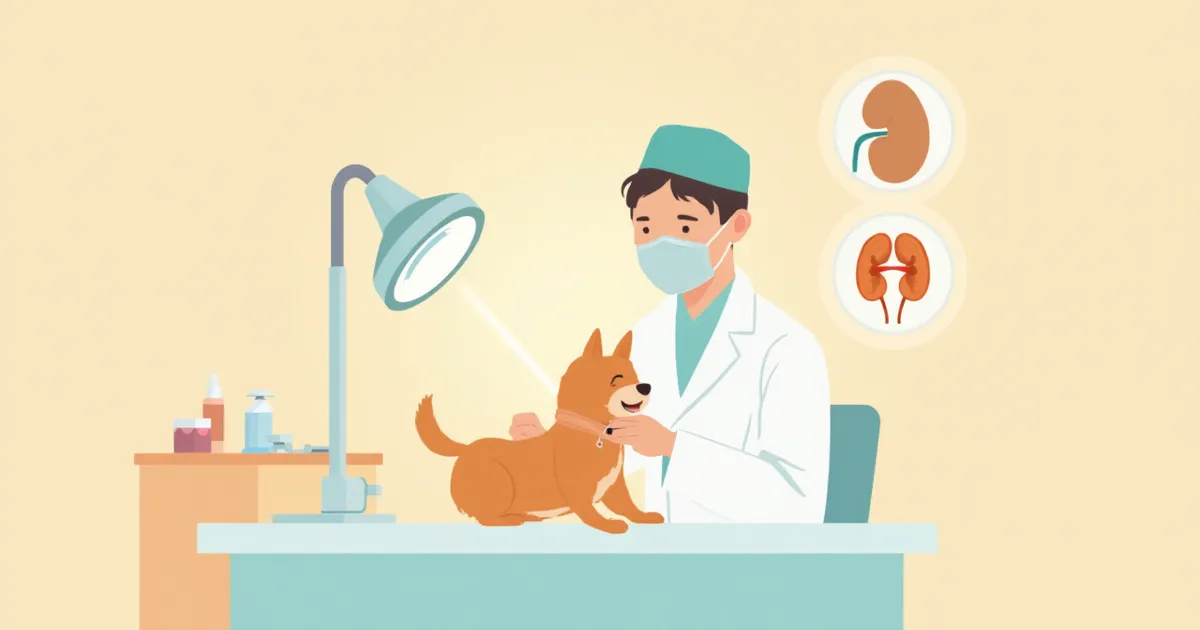
Anatomical illustration of the renal pelvis, where kidney stones are located
Surgical removal of kidney stones, specifically through a procedure called pyelolithotomy, involves directly incising the renal pelvis to extract stones located within it. Early diagnosis is crucial. If stones obstruct the ureter or begin to impair kidney function, it can lead to acute kidney injury. Therefore, if you notice signs such as blood in the urine, decreased appetite, or flank pain, immediate imaging tests are essential. Not all kidney stones require surgery; the treatment approach varies depending on the stone's size, location, and the patient's kidney function.

Why do kidney stones form, and when is surgery necessary?

Kidney stones form when minerals such as calcium, oxalate, and phosphate in the urine become supersaturated and clump together into crystals. They can occur in both dogs and cats, and clinical evidence shows that certain breeds are more prone to developing them. Surgery may be necessary in the following situations: - Persistent pain: When flank pain cannot be controlled with medication. - Urinary tract obstruction: When a stone blocks the renal pelvis or ureter, preventing urine flow. - Recurrent infections: When bacteria repeatedly infect the area, using the stone as a breeding ground. - Progressive decline in kidney function: When kidney function is gradually worsening due to the presence of stones.

Comparison of kidney stone treatment options

ItemMedical managementExtracorporeal shock wave lithotripsy (ESWL)Pyelotomy surgery
Target stone sizeSmall/asymptomatic (struvite only)Small to medium, located in the renal pelvisLarge or obstructive
Anesthesia requiredFalseTrueTrue
Recovery periodImmediate return to daily lifeA few daysA few weeks
Recurrence likelihoodHigh (management needed after dissolution)ModerateModerate
Impact on kidney functionNo impactPossible temporary impactPossible scarring at incision site

The actual treatment direction is decided by the veterinarian based on imaging and blood test results. Medical dissolution therapy can only be applied to struvite stones and does not apply to calcium oxalate stones.

How is pyelolithotomy performed?
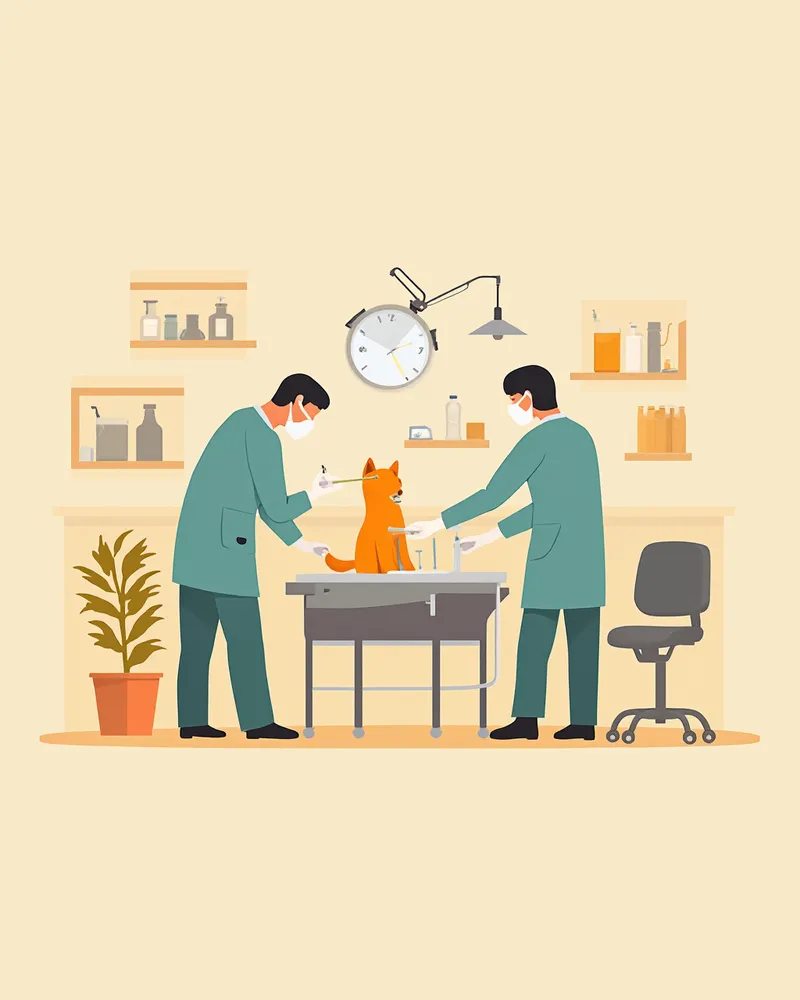
Pyelolithotomy is a surgical procedure in which the abdomen is opened to expose the kidney, and the renal pelvis is precisely incised to directly remove stones. The procedure follows these steps: - General anesthesia and laparotomy: An incision is made on the flank or the midline of the abdomen. - Kidney isolation: The kidney is carefully separated from surrounding tissues. - Pyelotomy: The renal pelvis within the kidney is opened with a thin incision. - Stone removal and irrigation: After removing the stones, the area is thoroughly flushed with sterile saline. - Suturing: The renal pelvis and abdominal wall are sutured layer by layer. The duration of surgery varies individually depending on the size, number, and condition of the stones and the kidney.
Illustration of the procedure for pyelolithotomy

Essential preoperative checks

Because pyelolithotomy involves direct manipulation of the kidney, preoperative assessment is crucial. Pre-surgical blood tests are conducted to evaluate BUN, creatinine, and electrolyte levels, while contrast-enhanced CT scans or ultrasounds are used to determine the stone’s location and assess kidney function. If both kidneys exhibit severely compromised function, the surgery itself may pose significant risks. Additionally, cardiac and hepatic function tests are performed to ensure anesthesia safety.

Postoperative recovery process and care
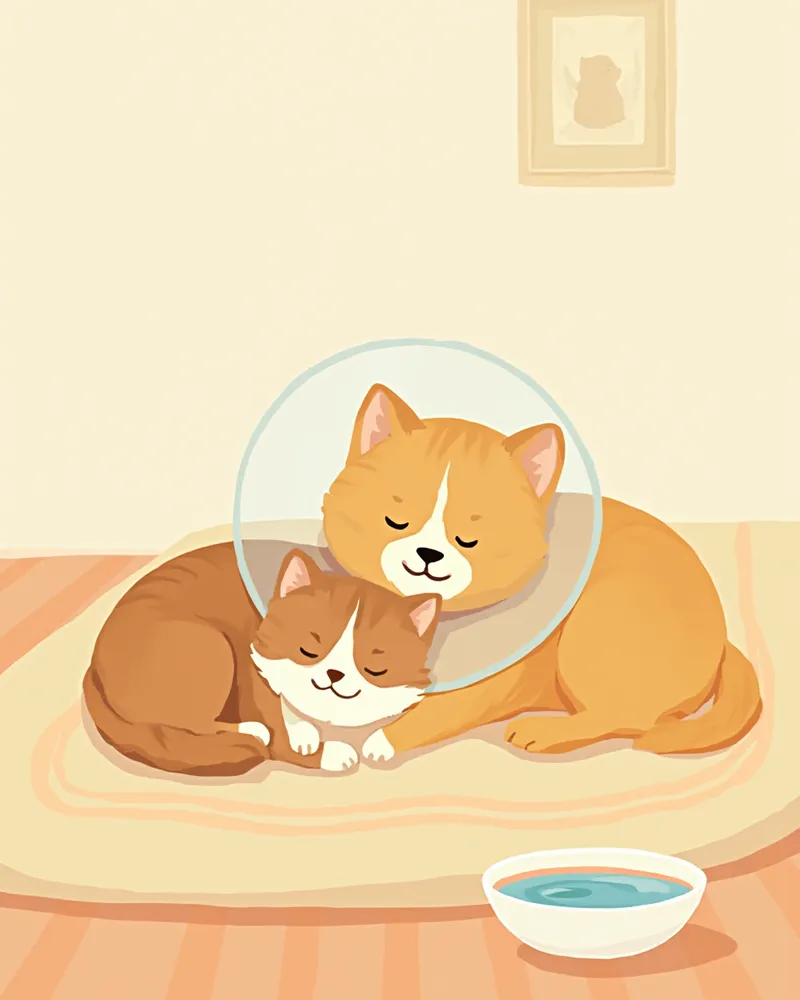
The length of the hospital stay after surgery depends on how well kidney function recovers and whether any complications arise. During the initial recovery phase, we closely manage pain and kidney function with intravenous fluids and pain medication. After discharge, it’s important to avoid strenuous activity during the rest period and strictly follow the prescribed diet recommended by your veterinarian. - Increase water intake: Provide fresh water at all times and consider incorporating wet food into their diet. - Regular urine tests: Follow your veterinarian’s recommended schedule for regular check-ups to monitor for recurrence. - Maintain prescribed diet: Continue feeding the prescription diet tailored to the stone composition analysis results. - Weight management: Obesity increases the risk of recurrence, so keep an eye on your pet’s weight.
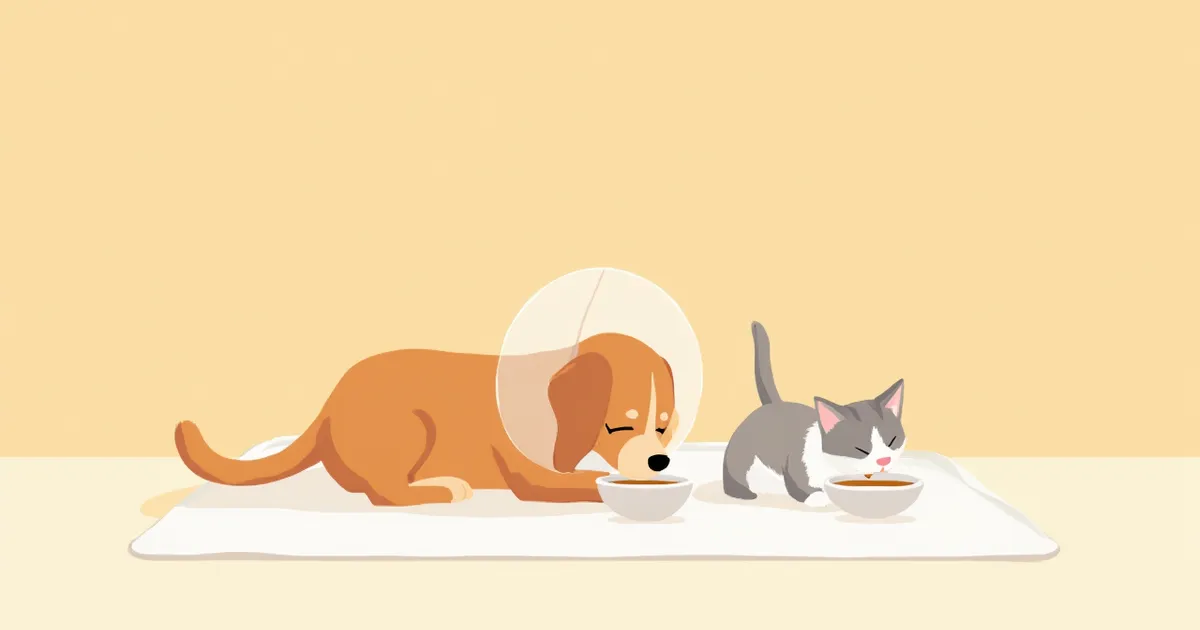
A pet recovering after kidney surgery

Go to the hospital immediately if these symptoms appear

If any of the following symptoms appear during the postoperative recovery period, it’s an emergency: no urine output for more than 24 hours or only a very small amount, persistent discharge, bleeding, or severe swelling at the surgical site, repeated vomiting with complete loss of appetite, or persistent fever and severe lethargy. Contact your veterinarian immediately, as these signs may indicate acute kidney deterioration or infection.

How to prevent recurrence?

Once a pet has developed kidney stones, the risk of recurrence is quite high. It’s important to approach this as a condition that requires lifelong management. - Stone composition analysis: Always analyze the removed stones to select a tailored preventive diet. - Hydration: Encourage water intake above the daily recommended amount by using fountain-style water dispensers and wet (canned) food. - Dietary management: Consistently follow the dietary adjustments recommended by your veterinarian based on the stone composition. Struvite stones can be prevented from recurring with prescription dissolution diets, while other types of stones require dietary modifications to reduce factors that promote their formation. - Regular check-ups: Regular urine and ultrasound examinations are essential. If chronic kidney disease (CKD) is present, please also refer to the Chronic Kidney Disease Management Guide.

Reviewed by a veterinarian

Dr. Tony — Punnawat Phongkittirak

Dr. Tony — Punnawat Phongkittirak

Veterinarian

A veterinarian who majored in veterinary medicine at Khon Kaen University, Thailand, and completed the IVSA program at North Carolina State University in the United States. Drawing on clinical experience at animal hospitals, he works in the pet healthcare field and is dedicated to building a digital care environment that connects pet parents with veterinarians.

Frequently Asked Questions

How much does kidney stone surgery cost?
Costs vary widely depending on the clinic, location, and stone size, but the total for diagnostics, anesthesia, and hospitalization is generally estimated at $2,000 to $6,000. Be sure to obtain a written estimate in advance.
Is it safe to remove one kidney?
If the stone is too large or the kidney is severely damaged, we may consider removing the affected kidney (nephrectomy). As long as the other kidney is healthy, your pet can live a full life with just one, but lifelong management of hydration and diet is essential.
Can cats undergo a pyelotomy as well?
Yes, it’s possible. However, cats have very narrow ureters and upper urinary tracts, making upper urinary tract surgeries more challenging. For this reason, it’s safer to have the procedure performed at a clinic with an experienced veterinary surgeon.
Is it possible to dissolve the stones without surgery?
Struvite stones can be dissolved with a prescription diet, but calcium oxalate stones cannot be dissolved by medication or diet. It’s important to first identify the composition of the stones to determine the right course of action.
What is the recurrence rate after surgery?
Kidney stones are known for their high recurrence rate. In particular, calcium oxalate stones can recur in a significant proportion of cases within a few years, even with appropriate dietary management. Therefore, it is essential to minimize the risk of recurrence through thorough hydration, careful diet management, and regular check-ups.

Share

Related Guides

References

[1] Langston CE, Eatroff AE, Chronic Kidney Disease, Small Animal Critical Care Medicine, 3rd Edition

[2] The Cat, Clinical Medicine and Management, 2nd Edition, Urinary Tract Disease Chapter

[3] Fossum TW, Small Animal Surgery, 5th Edition, Surgery of the Kidney and Ureter

This information is based on veterinary literature and does not replace diagnosis or treatment. Please consult a veterinarian for specific health concerns.

Metapet Co., Ltd. | CEO: Park Sung-yong | Business Reg. No. 417-88-02562 | Seoul, South Korea | Customer Center

Pyelolithotomy: Kidney Stone Surgery for Dogs & Cats | Meongsiljang