

Tips for Adjusting to an Elizabethan Collar
We’ve put together a step-by-step guide to help pets adjust to wearing an Elizabethan collar, along with practical daily tips and a comparison of alternative products.
Why Is Adjustment to an Elizabethan Collar Necessary?

Stress Responses After Wearing a Collar
Step-by-Step Adjustment Method
| Step | Time | Method |
|---|---|---|
| Step 1 | First 10 minutes | Place the collar on the floor to let your pet sniff it, then reward with a treat. |
| Step 2 | 10–30 minutes | Gently rest the collar on your pet’s neck and immediately give a treat. Remove it right away if your pet seems anxious. |
| Step 3 | 30 minutes–1 hour | Pair wearing the collar with enjoyable activities like playtime or walks. |
| Step 4 | 1 hour or more | Gradually increase the time your pet wears the collar, integrating it into daily life. |
Daily Life Tips While Wearing the Collar

Do Not Remove the Collar Arbitrarily
Even if your pet looks pitiful, removing the cone can lead to them pulling out sutures or licking wounds within seconds, causing infections. Keep the cone on until your veterinarian says it’s safe to remove. Especially during nighttime when you’re asleep and when you’re out, never take it off.
If the Current Collar Is Too Difficult? Alternative Products

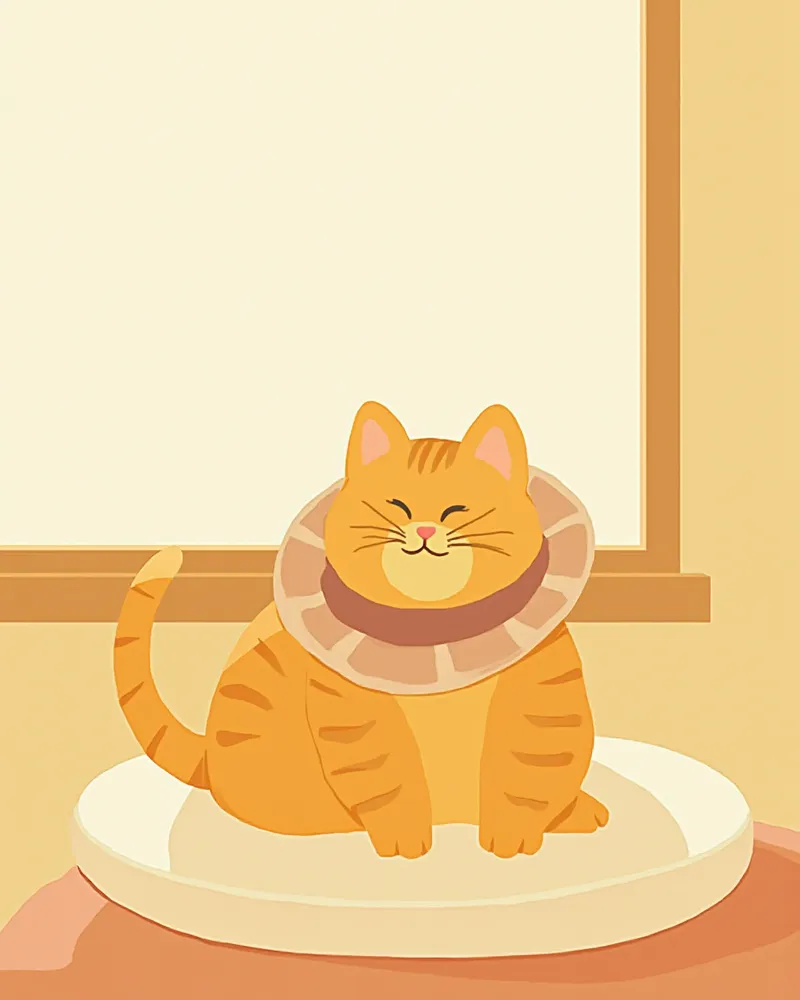
Cats Require Special Attention
Brachycephalic Breeds and Small Dogs: Be Cautious When Choosing a Collar
Brachycephalic breeds such as Pugs, Bulldogs, and Shih Tzus are predisposed to respiratory distress due to their inherent airway anatomy. Rather than the collar itself obstructing breathing, their underlying anatomical traits warrant closer monitoring; therefore, if you notice labored breathing or a change in tongue color after fitting the collar, remove it immediately and contact your veterinarian. For small-breed dogs, it is advisable to consult with your veterinarian to select a lightweight, comfortable collar appropriately sized for their smaller frame.
Reviewed by a veterinarian

Dr. Tony — Punnawat Phongkittirak
VeterinarianA veterinarian who majored in veterinary medicine at Khon Kaen University, Thailand, and completed the IVSA program at North Carolina State University in the United States. Drawing on clinical experience at animal hospitals, he works in the pet healthcare field and is dedicated to building a digital care environment that connects pet parents with veterinarians.
Reviewed 2026-04-19
Frequently Asked Questions
Can my pet sleep while wearing an Elizabethan collar?
How long should I keep the cone on my pet?
Can I just put a recovery suit on instead of a cone?
My pet isn’t eating after wearing an Elizabethan collar. What should I do?
How do I adjust the color size?
Share
Related Guides

Primary vs. Secondary Veterinary Hospitals: A Comparison

5 Easy-to-Raise Cat Breeds for First-Time Owners — Grooming Difficulty Comparison

Top 7 Short-Legged Dog Breeds
Dog Neurogenic Bladder FAQ — Key Information for Pet Owners

Frequently Asked Questions About the Relationship Between High Blood Pressure and Proteinuria in Dogs — Key Points for Pet Owners

Dog Hematuria FAQ — Key Information Every Pet Owner Should Know

Dog Cystine Urolithiasis FAQ — Key Information for Pet Owners
Dog Bladder Ultrasound Exam FAQ — Key Information Every Pet Owner Should Know

Frequently Asked Questions About Bladder Nerve Stimulation Therapy for Dogs — Key Information Every Pet Owner Should Know
Dog Bladder Diverticulum FAQ — Key Information Every Pet Owner Should Know
References
[1] Horwitz D., Mills D., Introduction to Animal Behavior and Veterinary Behavioral Medicine, Chapter 11: Restraint and Handling
[2] King L.G., Textbook of Respiratory Disease in Dogs and Cats, Chapter 29: Oxygen Therapy
[3] Little S., The Cat: Clinical Medicine and Management, 2nd Edition, Chapter 21 & 49