Like
Share
멍실장
강아지 라임병 자주 묻는 질문 Q&A — 보호자가 꼭 알아야 할 핵심

Dog Lyme Disease FAQ — Key Information Every Owner Must Know

Infection/ParasitesQ&AMeongsiljang Veterinary Advisory Board

Lyme disease in dogs is a bacterial infection transmitted by mosquitoes, with arthritis and lethargy being the primary symptoms. Early detection and prevention are key.

What is Lyme disease in dogs?
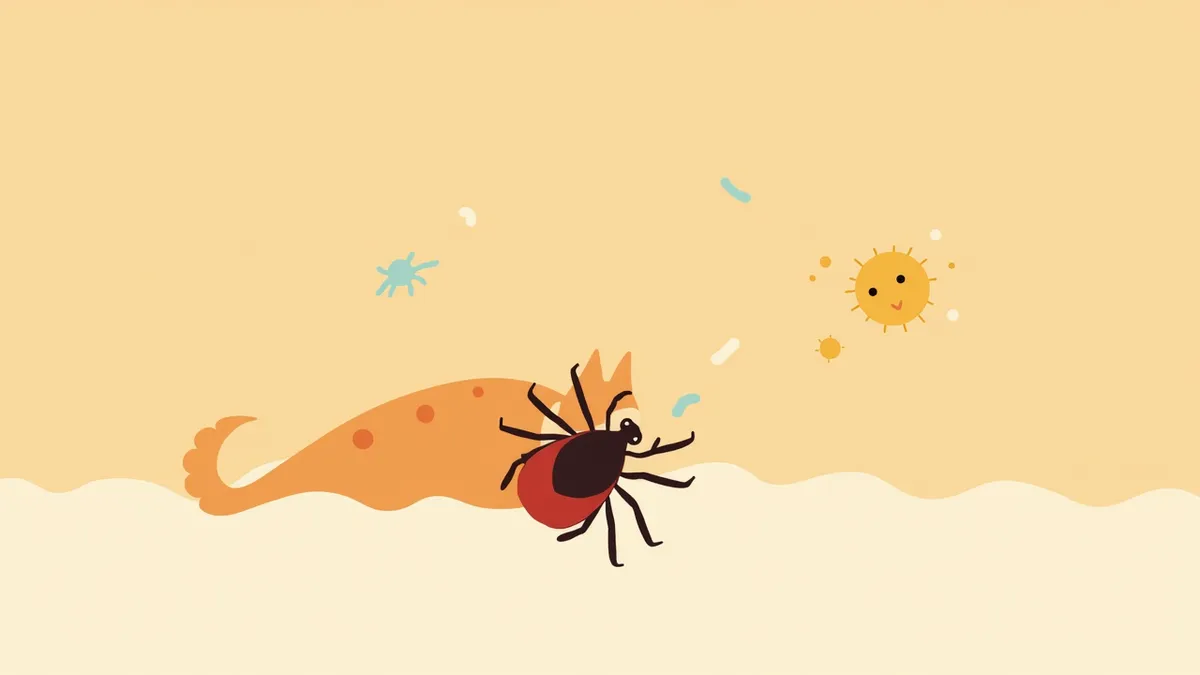
Magnified view of a tick attached to a dog’s skin and the Lyme disease-causing bacteria within it.
Lyme disease in dogs is a bacterial infection transmitted by ticks. The disease occurs when the Lyme disease bacterium (Borrelia burgdorferi), residing in the tick's midgut, enters the dog's bloodstream as the tick feeds on its blood. It is a common condition in many parts of the world, particularly in temperate regions of the Northern Hemisphere. While early stages may show no symptoms, arthritis and fatigue can develop over time. Early diagnosis and treatment are essential.

Causes and transmission routes of Lyme disease
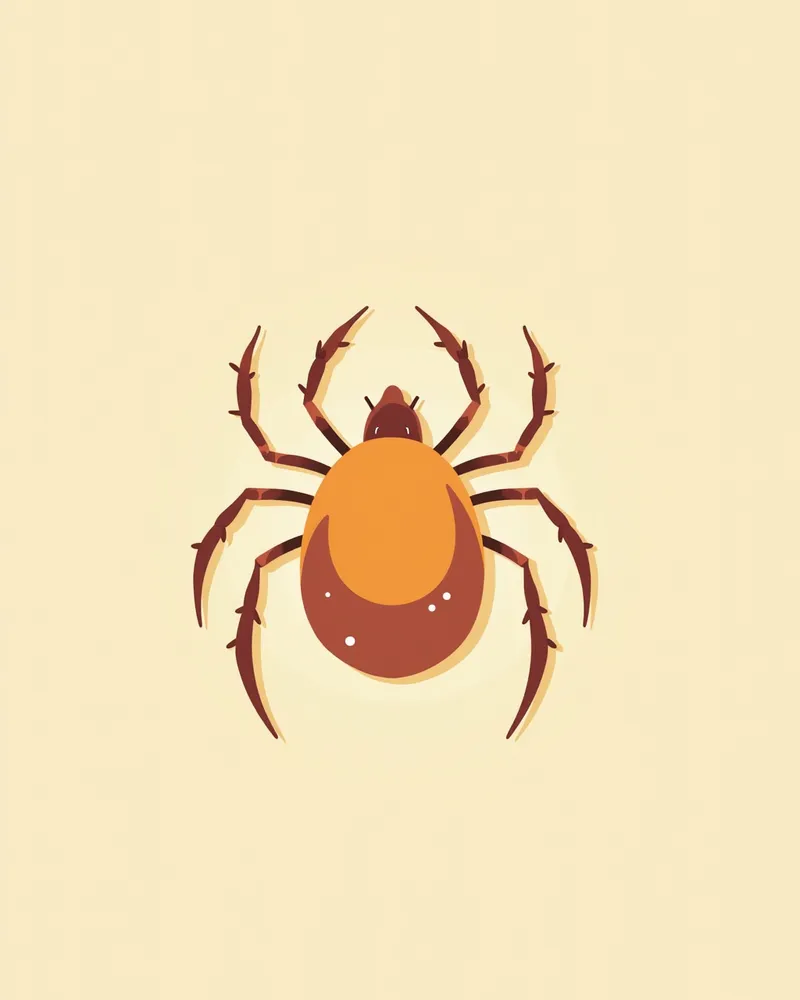
Lyme disease in dogs is transmitted through tick bites. The primary vectors are ticks of the genus Ixodes (such as Ixodes ricinus and Ixodes persulcatus), which carry the Lyme disease bacterium in their midgut. When a tick feeds on a dog’s blood, the bacteria become active and are transmitted into the dog’s bloodstream via the tick’s saliva. The longer a tick remains attached, the higher the risk of infection, so it’s important to remove any ticks as soon as they’re found. Tick activity is especially high in spring and autumn.
The life cycle of snake mites that infest dogs and the transmission process of Lyme disease bacteria

Main symptoms of Lyme disease

The main symptoms of Lyme disease in dogs are arthritis and fatigue. Arthritis causes pain and swelling in one or more joints, making it difficult for the dog to walk. Symptoms may appear suddenly or temporarily improve before worsening again. Other symptoms include fever, loss of appetite, lethargy, and enlarged lymph nodes. In some cases, it can lead to kidney damage (Lyme nephritis). It may take time for symptoms to appear, and there may be no symptoms at all in the early stages. Therefore, if your dog has been exposed to ticks, it is important to monitor their condition closely.
A dog unable to jump due to swollen joints

Symptoms requiring immediate veterinary visit

If your dog suddenly has difficulty walking, favors one leg, has a persistent fever, or loses its appetite completely, seek veterinary care immediately. These signs may indicate that Lyme disease is causing serious complications. Early treatment is especially critical when kidney dysfunction is suspected, as it significantly improves survival rates.

How is Lyme disease diagnosed?

Lyme disease is primarily diagnosed through blood tests. - Blood tests: Tests such as ELISA or Western Blot are used to detect antibodies against the Lyme disease bacterium. However, in the early stages of infection, antibodies may not have formed in sufficient quantities, leading to false-negative results. When necessary, PCR testing is also utilized. - Consideration of clinical symptoms: Symptoms such as fever, joint pain, and difficulty walking, along with a history of tick exposure, must be taken into account. - Use of auxiliary tests: If needed, additional diagnostics such as joint fluid analysis, X-rays, or ultrasounds may be performed. - Professional judgment is essential: For an accurate diagnosis, it is crucial for a veterinarian to comprehensively evaluate the symptoms, test results, and exposure history.
A veterinarian draws blood from a puppy, and the Lyme disease test result is positive.

Treatment methods for Lyme disease

Lyme disease is treated with antibiotics. - Antibiotic therapy: Doxycycline or amoxicillin is typically prescribed, with a standard treatment course of 30 days. - Complete the full course: Even if symptoms disappear, do not stop the medication early. You must finish the entire prescribed duration to ensure the bacteria are completely eradicated. - Managing complications: If arthritis persists, physical therapy or pain relievers may be prescribed alongside the antibiotics. - Post-treatment care: Regular check-ups are necessary after treatment to monitor your pet’s health and check for reinfection. - Working with your veterinarian: Consistent communication with your vet throughout the entire treatment process is essential.
A veterinarian administering antibiotics to a puppy

Practical tips for preventing Lyme disease
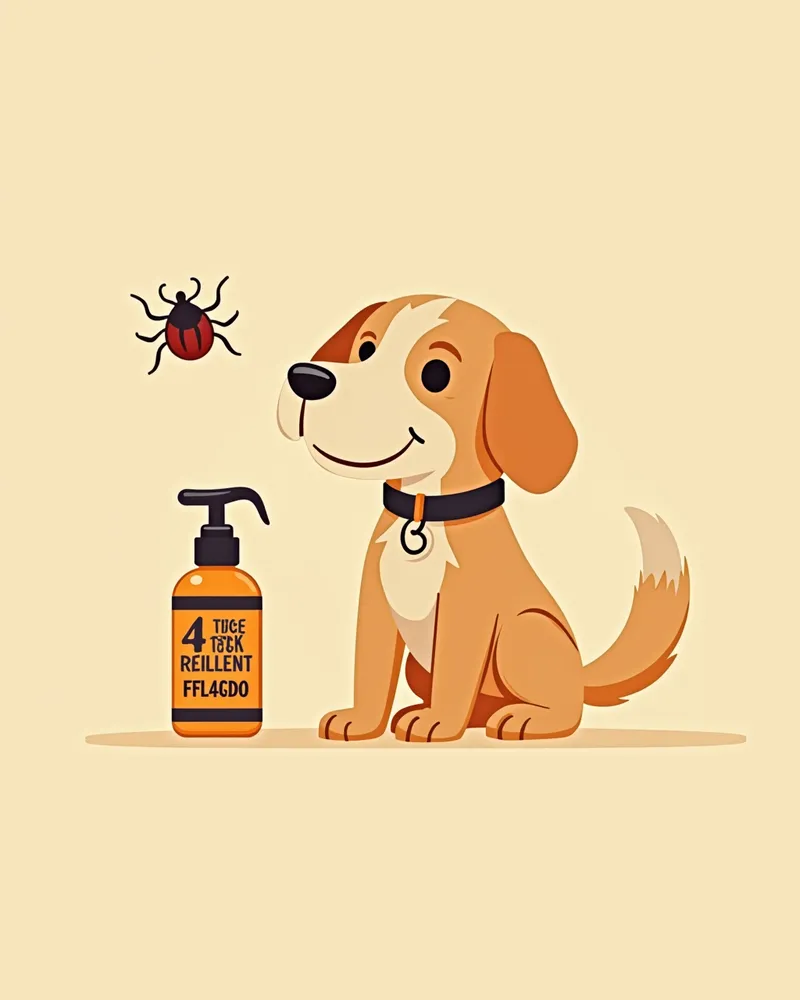
The key to preventing Lyme disease is keeping ticks off your dog. - Use preventive treatments: Regularly use tick-repellent collars, topical sprays, or oral medications. - Check after outings: Thoroughly inspect your dog’s entire body after walks, and remove any attached ticks immediately. - Be cautious during peak seasons: Pay extra attention when going out in spring and autumn, when ticks are most active. - Choose walking routes wisely: Avoid tall grass and dense bushes, where ticks are commonly found. - Manage your environment: Keep your yard and surrounding grass short, and minimize damp areas to reduce tick habitats. - Make it a habit: Prevention isn’t a one-time effort—it should become a consistent part of your daily routine.
A puppy wearing a tick and flea repellent collar, along with a spray and visible ticks and fleas

Comparison of Lyme disease preventive medications by type

ItemDuration of EffectMethod of UsePrecautions
Collar type3–4 monthsWorn around the neckMay cause skin irritation
Spray type1–2 weeksSprayed onto the skinReduced effectiveness when exposed to water
Oral type1 monthTaken like a treatRecommended to take after meals

Consult your veterinarian before use. Choose a product suited to your dog's weight and activity level.

Precautions: Things to note when using preventive medications

Preventive medications should be administered according to your dog’s weight and age. Overuse can lead to side effects such as vomiting, diarrhea, and lethargy. Puppies and senior dogs are particularly sensitive, so always consult your veterinarian before use. Additionally, preventives do not completely block infections; rather, they help reduce the likelihood of infection.

Reviewed by a veterinarian

Dr. Tony — Punnawat Phongkittirak

Dr. Tony — Punnawat Phongkittirak

Veterinarian

A veterinarian who majored in veterinary medicine at Khon Kaen University, Thailand, and completed the IVSA program at North Carolina State University in the United States. Drawing on clinical experience at animal hospitals, he works in the pet healthcare field and is dedicated to building a digital care environment that connects pet parents with veterinarians.

Frequently Asked Questions

Can Lyme disease be transmitted to humans?
The bacteria that cause Lyme disease can also infect humans, posing a zoonotic risk. However, the infection doesn’t spread directly from dogs to people; instead, humans can become infected if bitten by the same tick. Be especially cautious of ticks during spring and fall, when they are most active.
Can Lyme disease recur after treatment?
Yes, reinfection is possible even after treatment, so it’s important to consistently follow preventive measures. Even if antibodies remain after an infection, they may not completely prevent reinfection.
Can Lyme disease be prevented with a vaccine?
While Lyme disease vaccines are used in some areas, they don’t guarantee complete protection. Therefore, it’s best to view the vaccine as a supplementary measure and use it alongside tick preventatives to reduce the risk of infection.
What should I do if my dog has been bitten by a tick?
Remove the tick immediately and gently clean the bite area. Use tweezers to slowly pull the tick straight out, ensuring its head does not remain embedded in the skin. Monitor your pet for any changes in symptoms over the next one to two weeks, and consult your veterinarian if any unusual signs appear.
Is Lyme disease difficult to treat?
No, if diagnosed early and treated with antibiotics, most cases can be fully cured. However, if treatment is delayed, complications such as joint damage or kidney problems may arise. Early diagnosis and treatment are very important.

Share

Related Guides

References

[1] BSAVA. (2023). BSAVA Manual of Canine and Feline Dermatology, 4th Ed.

[2] Principles and Practices of Canine and Feline Clinical Parasitic Diseases. (2022). Chapter 9.6: Lyme Borreliosis.

[3] Clinical Medicine of the Dog and Cat, 4th Ed. (2021). Section on Tick-Borne Diseases.

This information is based on veterinary literature and does not replace diagnosis or treatment. Please consult a veterinarian for specific health concerns.

Metapet Co., Ltd. | CEO: Park Sung-yong | Business Reg. No. 417-88-02562 | Seoul, South Korea | Customer Center

Dog Lyme Disease Q&A: Symptoms, Prevention, and Treatment | Meongsiljang