
Like
Share
멍실장
고칼슘혈증 원인과 응급 처치

Causes of Hypercalcemia and Emergency Steps

ImmunityQ&AMeongsiljang Veterinary Advisory Board

We’ve compiled the main causes and warning signs of hypercalcemia in pets, along with emergency steps you can take at home, based on veterinary internal medicine evidence.

What is Hypercalcemia?
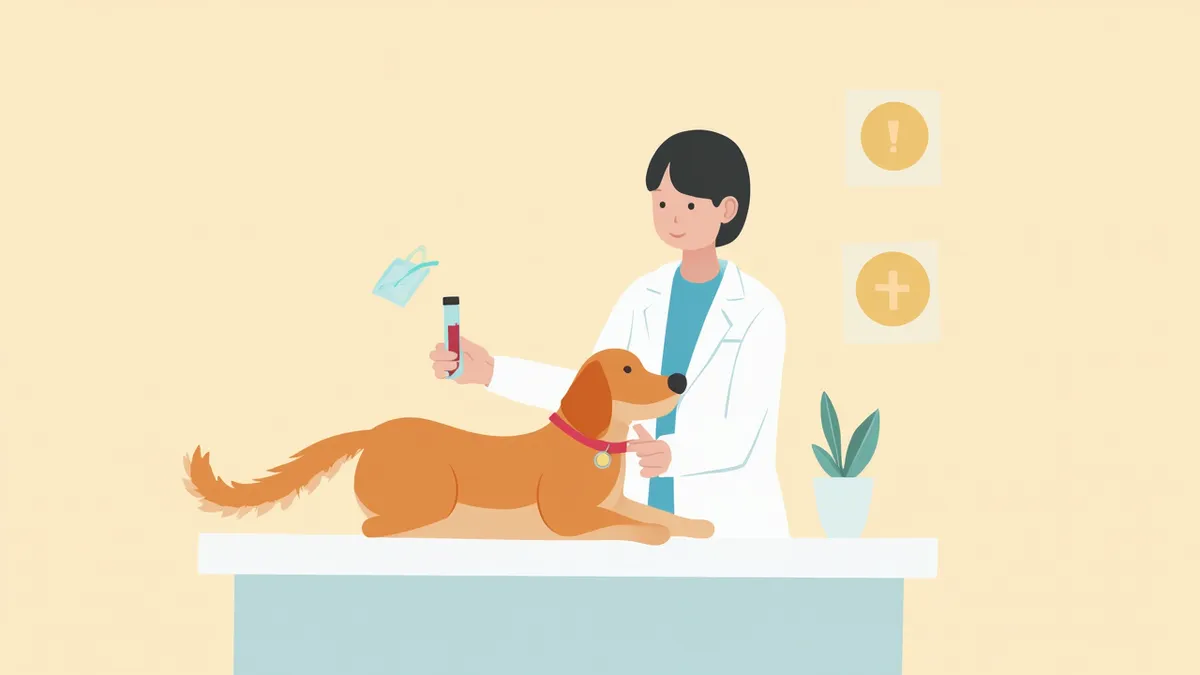
A dog undergoing a blood test
Hypercalcemia is an electrolyte disorder in which blood calcium levels exceed the normal range. It is generally diagnosed when total calcium is 12.0 mg/dL or higher, or when ionized calcium is 1.5 mmol/L or higher. These values are widely used reference points for both dogs and cats, though your veterinarian will make the final diagnosis by considering the species, testing equipment, and individual health status. Early detection is key. If your pet experiences excessive thirst, frequent urination, vomiting, or loss of appetite for several days or more, please have blood tests performed at a veterinary clinic right away. If elevated calcium levels are left untreated for too long, calcification can develop in the kidneys, cardiovascular system, and digestive organs, leading to permanent organ damage.

Why Do Calcium Levels Rise?

In dogs, the most common cause is malignant tumors such as lymphoma, which secrete a parathyroid hormone-related protein (PTHrP) that leaches calcium from the bones. Other potential causes include primary hyperparathyroidism, hypoadrenocorticism (Addison’s disease), chronic kidney disease, and vitamin D toxicity (from rodenticides or excessive supplements). In cats, the most frequent causes are malignant tumors (22.7%), kidney damage (13.4%), and idiopathic hypercalcemia of unknown origin (12.6%), in that order.

Differences in Causes Between Dogs and Cats

ItemDogCat
Malignant tumors (lymphoma, etc.)Most common22.7%
Kidney diseaseCommon13.4%
Unknown cause (idiopathic)Rare12.6%
Primary hyperparathyroidismPredominant in middle-aged to older animalsRare
Vitamin D toxicityBeware of rodenticides and supplementsSame

Feline statistics based on Feline Emergency and Critical Care Medicine, 2nd edition

Suspect Hypercalcemia If You See These Symptoms

Signs of hypercalcemia can appear throughout the body. Here are some common symptoms you can check for at home.
Polydipsia and polyuria: Drinking significantly more water than usual, with increased urine volume and frequency.
Loss of appetite and vomiting: Suddenly refusing food and vomiting.
Lethargy: Refusing walks and lying down all day.
Constipation: Not having a bowel movement for two days or more.
Muscle weakness: Hind legs feeling weak or unsteady gait.
Dysuria: Whining while urinating or frequently visiting the litter box.
A lethargic puppy lying weakly next to its water bowl

Emergency Signs Requiring Immediate Veterinary Care

If your pet shows any of the following symptoms, please visit a veterinary clinic within 24 hours. Persistently high calcium levels can rapidly lead to soft tissue calcification, kidney failure, and cardiac arrhythmias. - Refusal to eat or drink for more than 24 hours - Repeated vomiting and diarrhea - Hind limb paralysis, collapse, or seizures - Labored breathing and a rapid heart rate - Inability to urinate or presence of blood in the urine If there is a possibility that your pet has ingested rat poison or vitamin D supplements, go to an emergency veterinary clinic immediately with the product packaging.

Emergency Steps You Can Take at Home

There’s no way to lower calcium levels at home. However, there are basic principles to prevent worsening while you’re on your way to the clinic.
Provide free access to clean water: Dehydration can worsen hypercalcemia.
Immediately stop all calcium and vitamin D supplements: This includes joint supplements and multivitamins.
Avoid dairy products and bone treats: Do not give these until after the veterinary diagnosis.
Take photos of all medications and supplements your pet is taking: This will greatly assist the vet in identifying the cause.
At the clinic, the veterinarian will determine the appropriate treatment—such as intravenous fluids, diuretics, or steroids (glucocorticoids)—based on your pet’s weight and test results.
Cats drinking water

What Tests Are Performed at the Clinic?

The veterinarian will first measure total calcium, ionized calcium, phosphorus, and kidney function values through blood tests. Ionized calcium represents the biologically active form of calcium and is the most accurate indicator for diagnosis. Next, to identify the underlying cause, we check parathyroid hormone (PTH), PTH-related protein (PTHrP), and vitamin D levels, and search for tumors using abdominal ultrasound and thoracic X-rays. If no cause is found in cats, the condition is diagnosed as idiopathic hypercalcemia. In such cases, the condition typically progresses slowly and often presents with mild clinical signs, so it is managed with long-term follow-up blood tests under veterinary guidance. According to veterinary internal medicine textbooks, when lymphoma is the cause, treating the underlying disease (such as with chemotherapy) is the most fundamental approach to controlling hypercalcemia.

Points for Preventing Recurrence and Long-Term Management

Hypercalcemia tends to return when the underlying condition recurs, so regular monitoring is essential. - Monitor calcium and kidney values with blood tests every 3–6 months. - Do not feed calcium-fortified foods or supplements without a veterinarian’s prescription. - Always use a leash when walking in areas where rodenticides may be present, and consider using a muzzle. - If polyuria and polydipsia reappear, it may signal a relapse. - Primary hyperparathyroidism can often be cured with surgery.

Reviewed by a veterinarian

Dr. Tony — Punnawat Phongkittirak

Dr. Tony — Punnawat Phongkittirak

Veterinarian

A veterinarian who majored in veterinary medicine at Khon Kaen University, Thailand, and completed the IVSA program at North Carolina State University in the United States. Drawing on clinical experience at animal hospitals, he works in the pet healthcare field and is dedicated to building a digital care environment that connects pet parents with veterinarians.

Frequently Asked Questions

Can joint supplements cause hypercalcemia?
Most glucosamine and chondroitin supplements contain low levels of calcium, so they’re generally safe when given as directed. However, there’s a risk of toxicity if you combine multiple comprehensive supplements that are high in calcium and vitamin D. To be on the safe side, show your veterinarian the ingredient lists of all the supplements you’re currently giving your pet.
Is hypercalcemia cured after a single treatment?
The approach depends on the underlying cause. Primary hyperparathyroidism can potentially be cured by surgically removing the tumor, whereas if the cause is lymphoma or kidney disease, the underlying condition requires lifelong management. Feline idiopathic hypercalcemia typically progresses gradually, so it is managed through long-term monitoring with regular blood tests under veterinary guidance.
Besides lymphoma, what are the common causes of tumors in dogs?
Anal sac apocrine gland adenocarcinoma, multiple myeloma, and squamous cell carcinoma can cause hypercalcemia. In senior dogs, if you notice swelling around the anal sacs or unusual defecation postures, these signs should be evaluated together. The underlying cause is identified through abdominal and perianal palpation along with ultrasound imaging.
I’m not sure if my cat ingested rat poison. What should I do?
While symptoms vary depending on the type of rodenticide, they typically appear within 12 to 36 hours of ingestion, making it difficult to assess the situation through observation alone. If you suspect your pet has been exposed, take them to an emergency veterinary clinic immediately for blood tests and antidotal treatment, even if no symptoms are present. The longer you wait, the higher the risk of kidney failure.
Is there a way to measure ionized calcium levels at home?
We don’t have home testing kits for this. Ionized calcium levels need to be analyzed precisely without exposing the blood to air, which can only be done with specialized analyzers at veterinary clinics or professional labs. It’s best to include this test during regular health checkups.

Share

Related Guides

References

[1] Textbook of Cardiovascular Medicine in Dogs and Cats - Calcium Disorders 챕터

[2] Feline Emergency and Critical Care Medicine, 2nd Edition - Hypercalcemia 챕터

[3] Urinalysis in the Dog and Cat - Chew DJ, Capen CC (1980) Hypercalcemic nephropathy and associated disorders

This information is based on veterinary literature and does not replace diagnosis or treatment. Please consult a veterinarian for specific health concerns.

Metapet Co., Ltd. | CEO: Park Sung-yong | Business Reg. No. 417-88-02562 | Seoul, South Korea | Customer Center

Hypercalcemia in Dogs & Cats: Causes and Emergency Steps | Meongsiljang