Like
Share
멍실장
강아지 쿠싱증후군 증상 — 배 처짐·다음·털 빠짐 체크리스트와 진단 기준

Dog Cushing’s Disease Symptoms — Checklist for Distended Abdomen, Excessive Thirst, and Hair Loss, and Diagnostic Criteria

EndocrineQ&AMeongsiljang Veterinary Advisory Board

We’ll walk you through the early warning signs of Cushing’s disease in dogs—such as a distended abdomen, excessive thirst, and symmetrical hair loss—and explain step by step when an ACTH stimulation test is needed for a definitive diagnosis.

What Is Canine Cushing’s Disease? The First Signs to Watch For
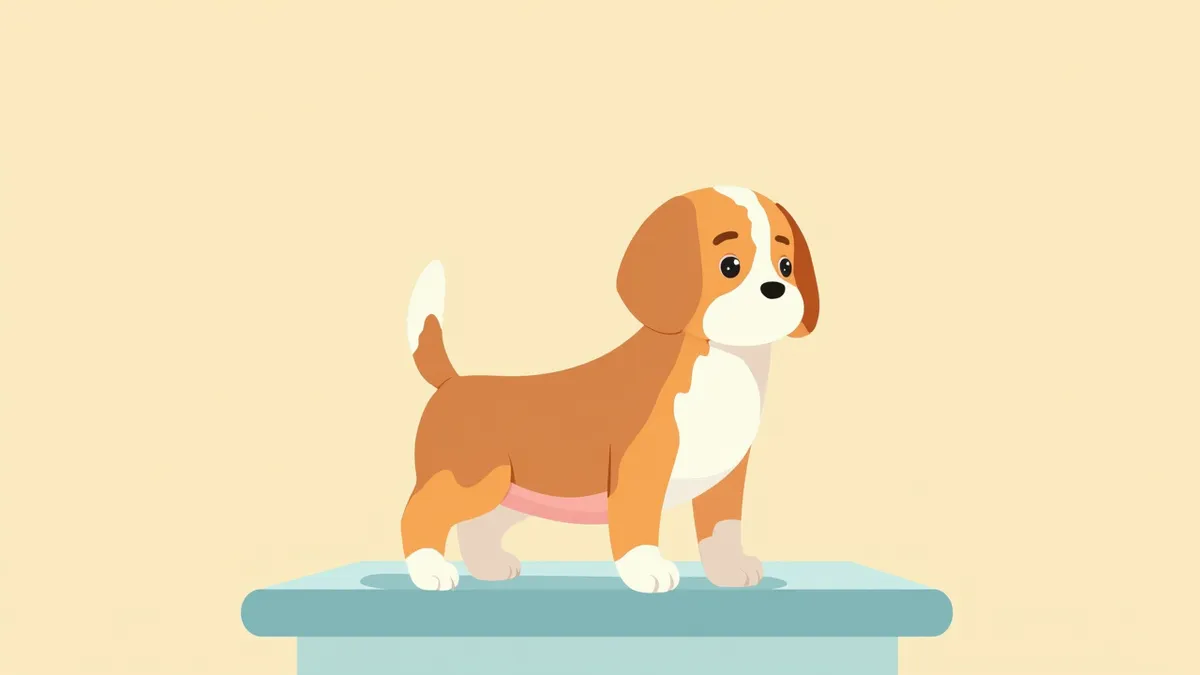
A veterinarian examining the abdomen of an elderly beagle
Canine Cushing’s disease is an endocrine disorder in which the adrenal glands overproduce cortisol, a stress hormone, affecting the entire body. The key point is that four specific signs—excessive thirst, frequent urination, a distended abdomen, and symmetrical hair loss—often appear together. It primarily affects middle-aged to senior dogs, and if these symptoms persist, a definitive diagnosis requires an ACTH stimulation test or a low-dose dexamethasone suppression test (LDDST). Since early symptoms are easily mistaken for normal aging, consistent observation by pet owners is crucial.

Two Causes: PDH vs. ADH

Cushing’s syndrome is divided into two types based on the underlying cause. Pituitary-dependent hyperadrenocorticism (PDH) accounts for approximately 85% of cases, where a small tumor in the pituitary gland continuously stimulates the adrenal glands, leading to excessive cortisol secretion. The remaining 15% are due to adrenal-dependent hyperadrenocorticism (ADH), in which a tumor develops directly in the adrenal gland and autonomously produces hormones. Although both forms present with similar symptoms, their treatment approaches differ, so additional imaging tests are necessary after initial diagnosis to distinguish between them.

PDH vs. ADH — Comparing Prevalence and Treatment Approaches

ItemPituitary-Dependent (PDH)Adrenal Tumor (ADH)
Incidence RateAbout 85%About 15%
CausePituitary microadenomaAdrenal gland tumor itself
Main TreatmentTrilostane medicationSurgery (adrenalectomy) ± medication
Bilateral Adrenal EnlargementPresentOnly one side enlarged (contralateral atrophy)
Abdominal Ultrasound DifferenceBoth left and right adrenals enlargedMass on one adrenal gland

Based on veterinary internal medicine textbooks; accurate differentiation requires combined imaging and hormone testing.

Checklist — How Many Apply to Your Pet?
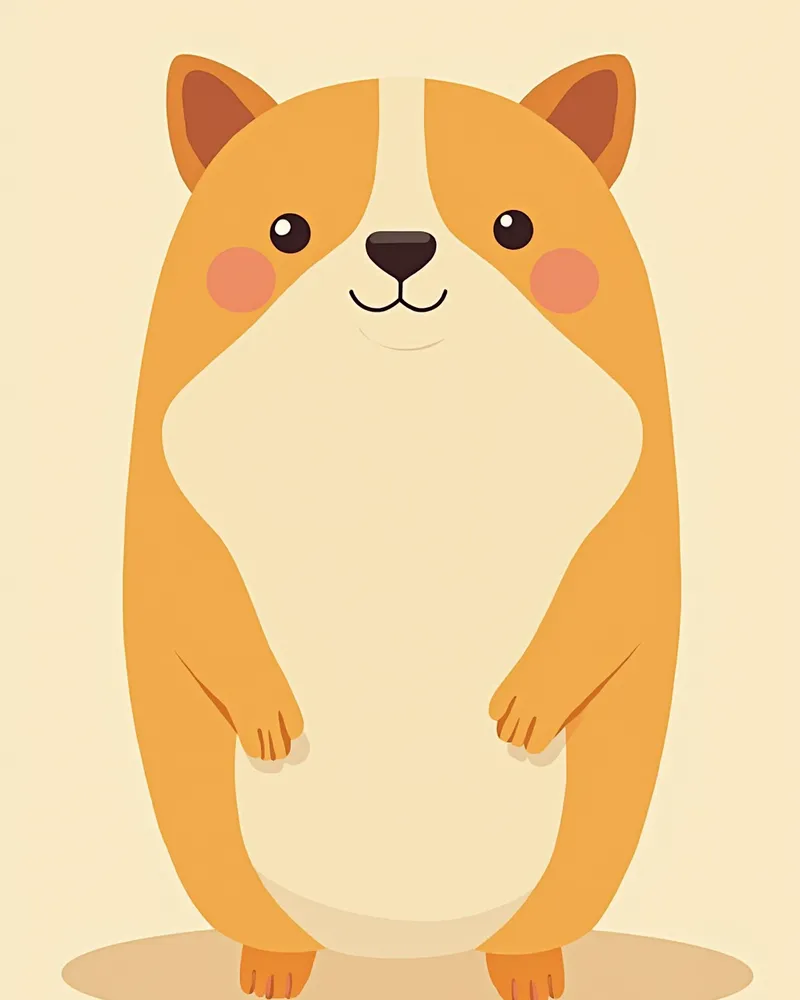
If several of the following signs occur together and persist consistently over a period of time, we recommend having your pet checked. - Polydipsia (excessive thirst): The water bowl is emptied more than twice as often as usual. - Polyuria (excessive urination): Accidents indoors become more frequent, even when not out for a walk. - Pot-bellied appearance: The abdomen looks distended, like a pot lid, when viewed from the side. - Symmetrical hair loss: The fur on both sides of the flanks and tail becomes equally thin. - Panting: Frequent panting occurs even on days that are not hot. - Muscle weakness: Difficulty jumping onto the sofa and trembling in the hind legs. - Thin skin: Blood vessels are visible, and bruises form easily.
An elderly dog with symmetrical thinning of the hair on its sides and a sagging belly

If You See These Signs, Go to the Vet Within 24 Hours

Cushing’s disease itself is not an emergency, but it can become life-threatening if complications develop. Seek immediate veterinary or emergency care if your pet suddenly refuses to go for walks and has labored breathing, if their abdomen swells rapidly and their appetite disappears, or if they appear lethargic and tremulous. Chronic cortisol excess can lead to various complications, including cardiovascular strain such as cardiac hypertrophy (left ventricular hypertrophy) and myocardial fibrosis. Therefore, it is safest to have your pet evaluated promptly if you notice any sudden changes from their normal behavior or condition.

How Is It Diagnosed at the Vet? — ACTH Stimulation Test
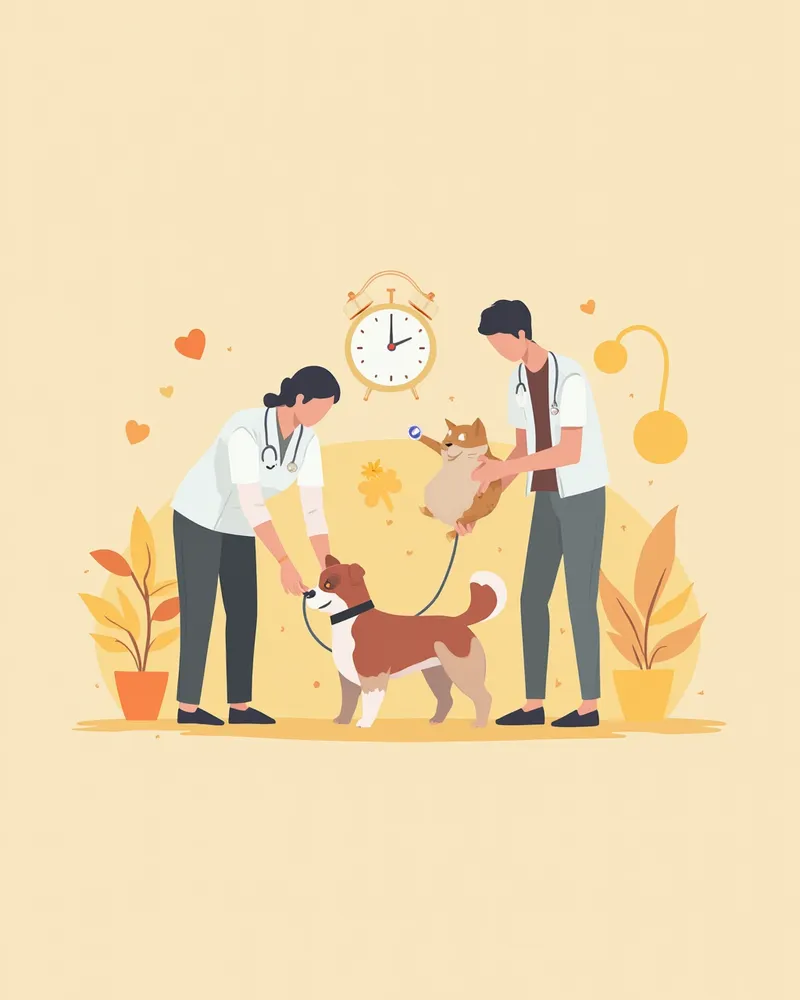
To confirm a diagnosis of Cushing’s disease, veterinarians typically use an ACTH stimulation test or a low-dose dexamethasone suppression test (LDDST). The ACTH stimulation test involves administering synthetic ACTH hormone and then measuring cortisol levels to determine if the adrenal glands are responding abnormally. Once Cushing’s disease is confirmed, differentiating between pituitary-dependent hyperadrenocorticism (PDH) and adrenal-dependent hyperadrenocorticism (ADH) can be done using a high-dose dexamethasone suppression test (HDDST) or abdominal ultrasound. The HDDST can help identify the cause in approximately 75% of cases. Please inform us in advance if your pet is currently using steroid creams or eye drops, as these can affect test results.
A veterinary technician drawing blood from a dog for a hormone test

Trilostane Is the First-Line Treatment

According to veterinary pharmacology textbooks and BSAVA guidelines, the first-line medication for canine Cushing’s disease is trilostane (Trilostane), which inhibits steroid synthesis (including cortisol) in the adrenal glands. Your veterinarian will determine the dosage based on your dog’s weight, typically starting at 0.5–1 mg/kg twice daily. Dosage adjustments are made via ACTH stimulation tests at 10–15 days, 1 month, 3 months, and then every 3–6 months thereafter. Most dogs see improvement in excessive thirst and urination within one month, while skin and coat symptoms generally resolve within about three months. Never adjust the dose on your own.

Trilostane Side Effects — Stop Immediately If You See These Signs

While most pets tolerate trilostane well, it can rarely lead to an Addisonian crisis (adrenal insufficiency). If you notice any of the following, stop the medication and contact your veterinarian immediately: ① sudden loss of appetite and vomiting, ② lethargy and tremors, or ③ diarrhea lasting more than 24 hours. Regular ACTH stimulation tests are important for monitoring adrenal function, but test results don’t always align with clinical signs. For your pet’s safety, always share any symptoms you observe at home with your veterinarian.

Key Management Points to Monitor at Home
Once you start the medication, there are key points for pet owners to record daily. - Water intake: Measure using the same bowl every day; note any sudden increase or decrease. - Urination frequency and accidents: Track whether polyuria (excessive urination) is improving. - Appetite and energy levels: Report immediately if appetite decreases after starting the medication. - Weight: Measure every two weeks; sudden weight loss may indicate side effects. - Photo records: Take photos of the sides and belly every four weeks to compare fur recovery. Bringing these records to check-ups will make dosage adjustments much more accurate.
A pet owner weighing their senior dog at home.

Reviewed by a veterinarian

Dr. Tony — Punnawat Phongkittirak

Dr. Tony — Punnawat Phongkittirak

Veterinarian

A veterinarian who majored in veterinary medicine at Khon Kaen University, Thailand, and completed the IVSA program at North Carolina State University in the United States. Drawing on clinical experience at animal hospitals, he works in the pet healthcare field and is dedicated to building a digital care environment that connects pet parents with veterinarians.

Frequently Asked Questions

Can Cushing's disease in dogs be cured?
Pituitary-dependent hyperadrenocorticism (PDH) requires lifelong medication management. In contrast, adrenal-dependent hyperadrenocorticism (ADH) can sometimes be cured by surgically removing the tumor, though this depends on the tumor’s location and extent of involvement. Your veterinarian will make the final decision after reviewing imaging results.
Can excessive thirst alone indicate Cushing’s disease?
Excessive thirst can occur not only in Cushing’s disease but also in diabetes, kidney disease, and pyometra. It cannot be used as a standalone diagnostic indicator; suspicion increases when it is accompanied by a pot-bellied appearance or symmetrical hair loss.
Which breeds are most commonly affected?
Pituitary-dependent hyperadrenocorticism (PDH) is more commonly seen in small breeds such as Dachshunds and Yorkshire Terriers, while adrenal-dependent hyperadrenocorticism (ADH) occurs more frequently in larger breeds. If middle-aged to senior dogs exhibit these four key signs, we recommend including hormone testing during their routine check-ups.
Can prolonged use of steroid ointments cause Cushing’s disease?
Yes, this is known as iatrogenic Cushing’s syndrome. Prolonged use of topical or oral steroids can cause similar symptoms. In these cases, recovery is typically achieved by gradually tapering the medication. Abruptly stopping the drug on your own is dangerous, so the dosage must be reduced under the strict guidance of a veterinarian.
How much will the treatment cost?
Costs vary depending on the veterinary clinic, medication dosage, and your pet’s weight. For an exact estimate, please consult the veterinary clinic where your pet will be treated. It’s advisable to plan for long-term management costs, which typically include diagnostic tests (such as an ACTH stimulation test and ultrasound), lifelong medication, and regular check-ups.

Share

Related Guides

References

[1] Warman S., 100 Top Consultations in Small Animal General Practice — Ch.74 The dog with hyperadrenocorticism

[2] BSAVA Manual of Canine and Feline Dermatology, 4th Ed — Endocrine alopecia / Trilostane therapy

[3] Clinical Medicine of the Dog and Cat, 4th Ed — Hyperadrenocorticism (Cushing's syndrome)

[4] Perez-Alenza MD., Trilostane dosing recommendations in canine hyperadrenocorticism, 2017

This information is based on veterinary literature and does not replace diagnosis or treatment. Please consult a veterinarian for specific health concerns.

Metapet Co., Ltd. | CEO: Park Sung-yong | Business Reg. No. 417-88-02562 | Seoul, South Korea | Customer Center

Dog Cushing's Disease: Pot Belly, Thirst & Hair Loss Signs | Meongsiljang