
Recurrent Urinary Tract Infections in Dogs — Diagnosis and Treatment Guide by Cause
We’ve broken down the six main reasons why dogs suffer from recurrent urinary tract infections, and organized diagnosis, treatment, and prevention strategies for each cause in a way that’s easy for pet owners to understand.
Why Do Recurrent Urinary Tract Infections in Dogs Keep Coming Back?
Six Main Causes of Recurrent Urinary Tract Infections
Comparison of Diagnosis and Treatment Methods by Cause
| Item | Urinary stones | Anatomical abnormality | Endocrine disease |
|---|---|---|---|
| Main diagnostic tests | Radiography/ultrasound | Contrast ultrasound/CT | Blood glucose/ACTH stimulation test |
| Treatment direction | Dietary therapy or surgery | Surgical correction | Treatment of the underlying disease |
| Resolved by antibiotics alone? | False | False | False |
| Recurrence likelihood | High | Very high | Moderate |
Tailored treatment is needed after accurate diagnosis of the cause
Diagnostic Workflow for Identifying the Cause
Never Stop Antibiotics Arbitrarily or Repeat Courses
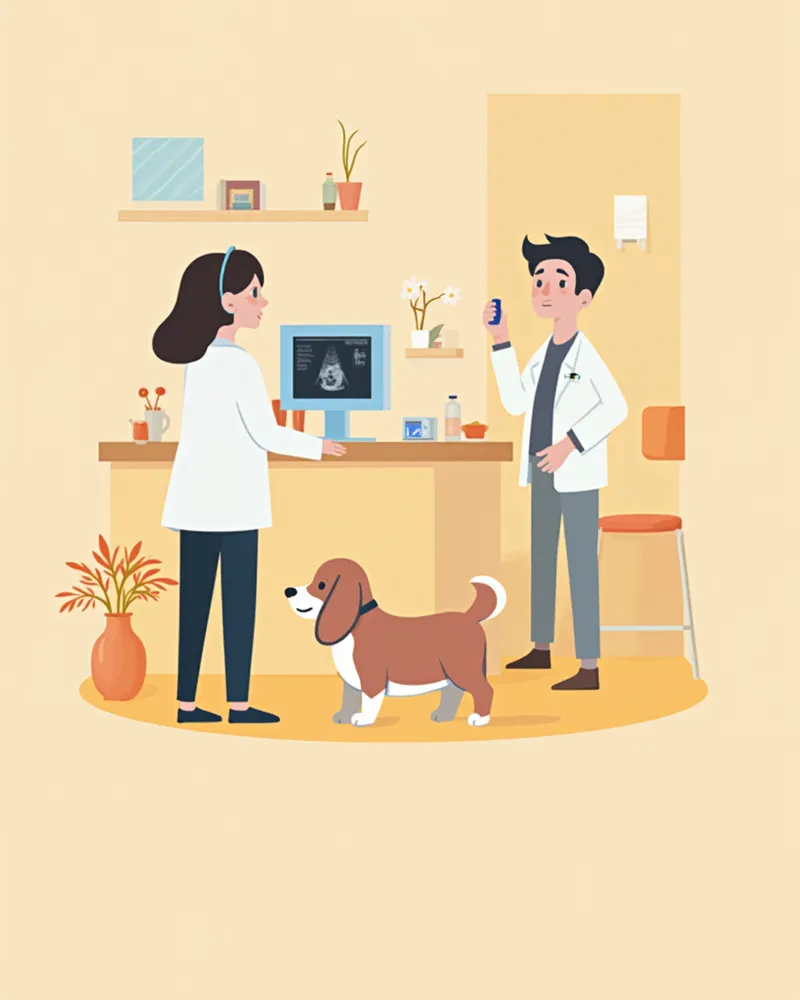
If you stop antibiotics early just because symptoms improve, weak bacteria die while strong, resistant ones survive. Veterinary textbooks recommend using antibiotics for the shortest possible time, ideally guided by urine culture and susceptibility test results. Therefore, your veterinarian determines the prescription duration based on whether the infection is simple or recurrent/complex, and which bacteria are involved, and you must complete the full course. For recurrent or persistent infections, addressing the underlying cause is more important than prolonged medication. After treatment ends, a follow-up culture is necessary to confirm complete resolution. Administering antibiotics purchased online or leftover from previous treatments is the most dangerous action you can take.
Detailed Treatment Approaches by Cause
Home Care for Preventing Recurrence
Seek Veterinary Care Immediately If You Notice These Signs
If you notice blood in the urine, frequent attempts to urinate with only small amounts passed, or signs of pain and straining during urination, seek veterinary care immediately. In particular, if your pet has been unable to urinate for more than 24 hours, or if they have a distended, bloated abdomen accompanied by vomiting, this constitutes a medical emergency that can lead to urethral obstruction or kidney failure. In male pets, obstruction caused by stones can become life-threatening within 24 hours. Emergency veterinary care should be sought immediately, regardless of whether it is a weekday or weekend.
Reviewed by a veterinarian

Dr. Tony — Punnawat Phongkittirak
VeterinarianA veterinarian who majored in veterinary medicine at Khon Kaen University, Thailand, and completed the IVSA program at North Carolina State University in the United States. Drawing on clinical experience at animal hospitals, he works in the pet healthcare field and is dedicated to building a digital care environment that connects pet parents with veterinarians.
Reviewed 2026-05-05
Frequently Asked Questions
Can cranberry supplements help prevent urinary tract infections in dogs?
If the infection comes back after finishing the full course of antibiotics, is it safe to use the same medication again?
Does neutering reduce the risk of urinary tract infections?
Is a urine test alone sufficient for diagnosing a urinary tract infection?
Will feeding only prescription food make the stones disappear?
Share
Related Guides
Top 5 Prescription Diets for Feline FLUTD — Comparison by Struvite and Calcium Oxalate Stones

Top 7 Prescription Diets for Feline Bladder and Urinary Tract Health Recommended by Veterinarians — Including Selection Criteria

Top 5 Cranberry Urinary Supplements for Dogs — Preventing Cystitis
Surgical Abbreviation Dictionary — Essential Abbreviations for Pet Owners
Lab Report Abbreviation Dictionary: How to Read Your Pet’s Test Results

How does the pet traffic accident compensation process work?
What Is a Veterinary Technician? A Complete Guide to Their Roles and How to Become One
Long-Distance Car Safety (1, 3, and 8 Hours)
The Ultimate Guide to Domestic Flight Procedures for Dogs and Cats

Environmental Stress in a New Home: Is My Pet Okay?
References
[1] Schaer M, Gaschen F. Clinical Medicine of the Dog and Cat, 4th Ed, Chapter 13: Urinary System Disorders
[2] Chew DJ, DiBartola SP. Urinalysis in the Dog and Cat, Chapter 8: Urinary Tract Infection
[3] Silverstein DC, Hopper K. Small Animal Critical Care Medicine, 3rd Ed, Chapter on Urinary Tract Infections
[4] Holloway A. The Veterinary Workbook of Small Animal Clinical Cases, Case 18: Recurrent UTI in Dogs