Like
Share
멍실장
강아지 카페 매너 훈련, 이렇게 하면 돼요

How to Start Cafe Manners Training for Your Dog — Step-by-Step Methods to Stop Barking and Distraction

Brain & CognitionQ&AMeongsiljang Veterinary Advisory Board

Cafe manners training is a form of socialization that teaches your dog to stay calm and relaxed in external environments without getting overly excited. We’ll guide you through step-by-step methods and practical tips.

What is Cafe Manners Training?
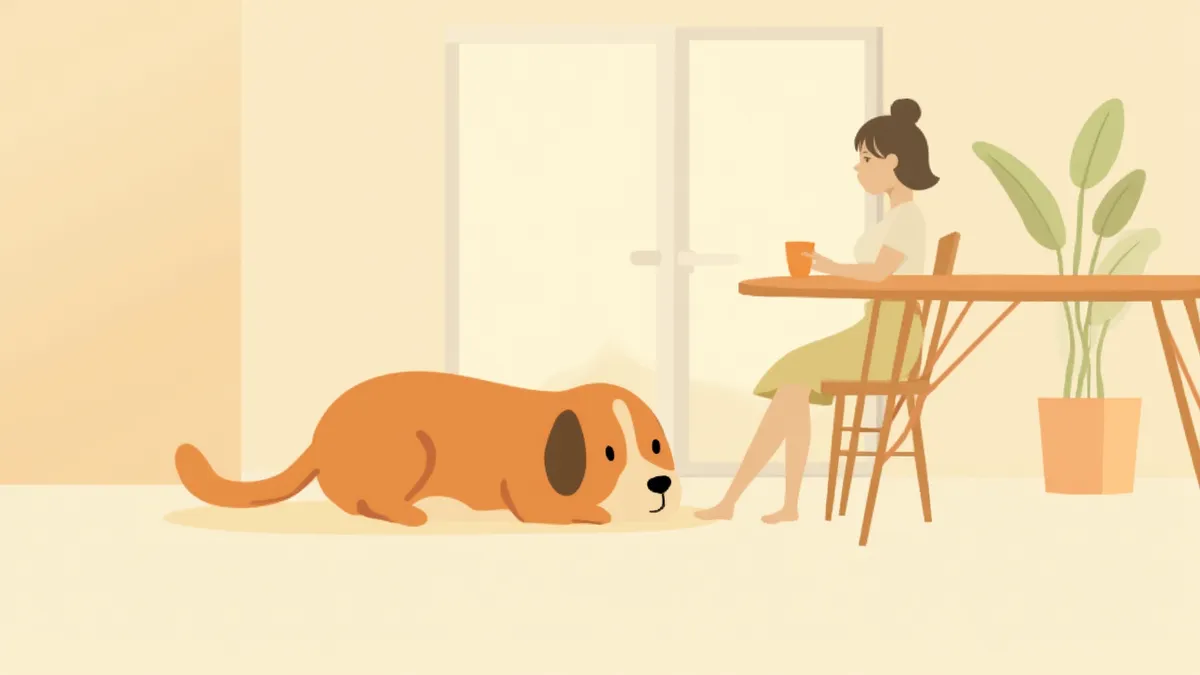
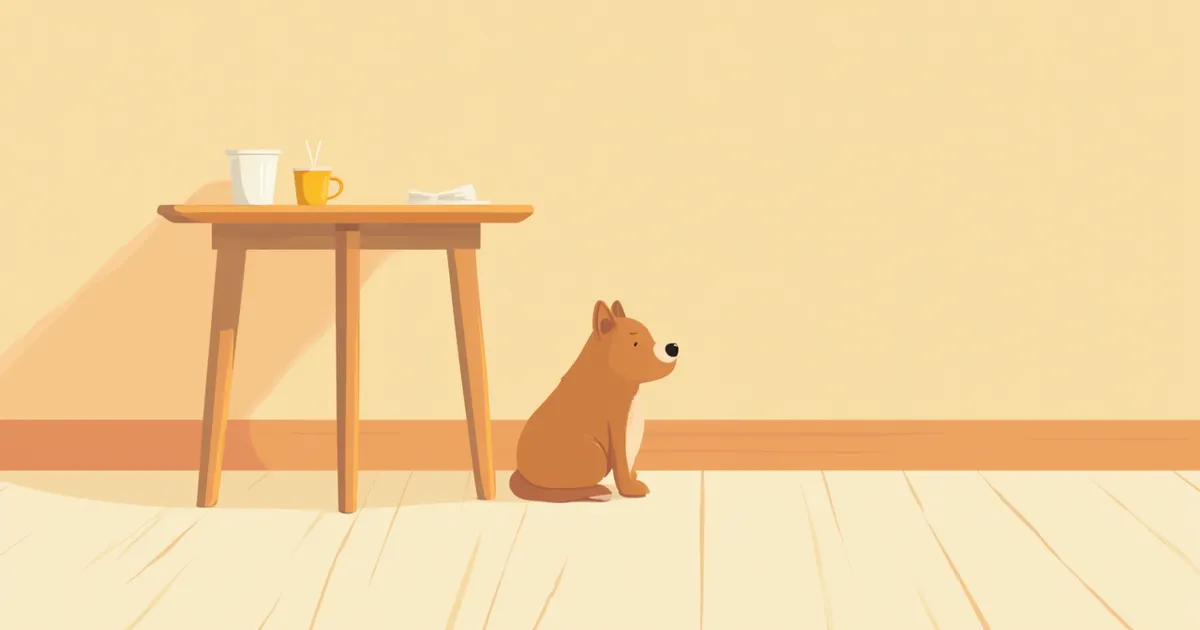
A well-trained dog lying down and waiting patiently at a café
Cafe manners training is a form of socialization that teaches dogs to stay calmly by their owner’s side in external spaces like cafes and restaurants, without barking or exhibiting impulsive behaviors. The most crucial point is that “lying down quietly and waiting” must be the foundation. To minimize setbacks, it’s essential to first master basic indoor obedience commands—such as sit, down, and stay—before gradually exposing the dog to external stimuli. Taking a dog to a cafe without proper preparation can lead to excitement and stress, ultimately reinforcing negative experiences.

Essential Preparations to Check Before Training

Proper café manners start with solid preparation. Before heading out, your dog should reliably respond to basic commands like "sit," "down," and "stay" at home, holding each position steadily for a set amount of time. They should also be accustomed to eliminating outdoors to help prevent accidents in the café. Essential items to bring include a short leash (1.2–1.5 meters), a waterproof blanket or mat, a quiet chew toy, and small training treats. Long leashes and retractable leashes are not suitable for cafés, as they take up too much space and can be difficult to manage.

Step-by-Step Training Sequence

Take your time and proceed step by step, allowing ample time for each stage. Since every dog has a unique temperament and personality, the duration needed for each stage may vary. The key is to ensure that your dog responds reliably to your cues and can comfortably hold the position at the current stage before moving on to the next. Rushing through the steps can lead to difficulties in subsequent stages, so carefully observe your dog’s reactions and adjust the pace accordingly.

4-Step Training Roadmap

ItemStage 1 (Week 1)Stage 2 (Week 2)Stage 3 (Week 3)Stage 4 (Week 4+)
LocationHome living roomApartment lobby, park benchOutdoor terrace caféIndoor dog-friendly café
Key TaskLie down on the mat for 10 minutesHold for 5 minutes amid outside stimuli10 minutes beside strangers and dogsHold for 30 minutes while you drink
Reward FrequencyEvery minuteEvery 2 minutesEvery 5 minutesEvery 10 minutes
Duration of Stay10–15 minutes15–20 minutes20–30 minutes30–60 minutes

The duration of each stage can be adjusted according to your dog's temperament

Checklist of Behavioral Signals to Watch in Real Situations
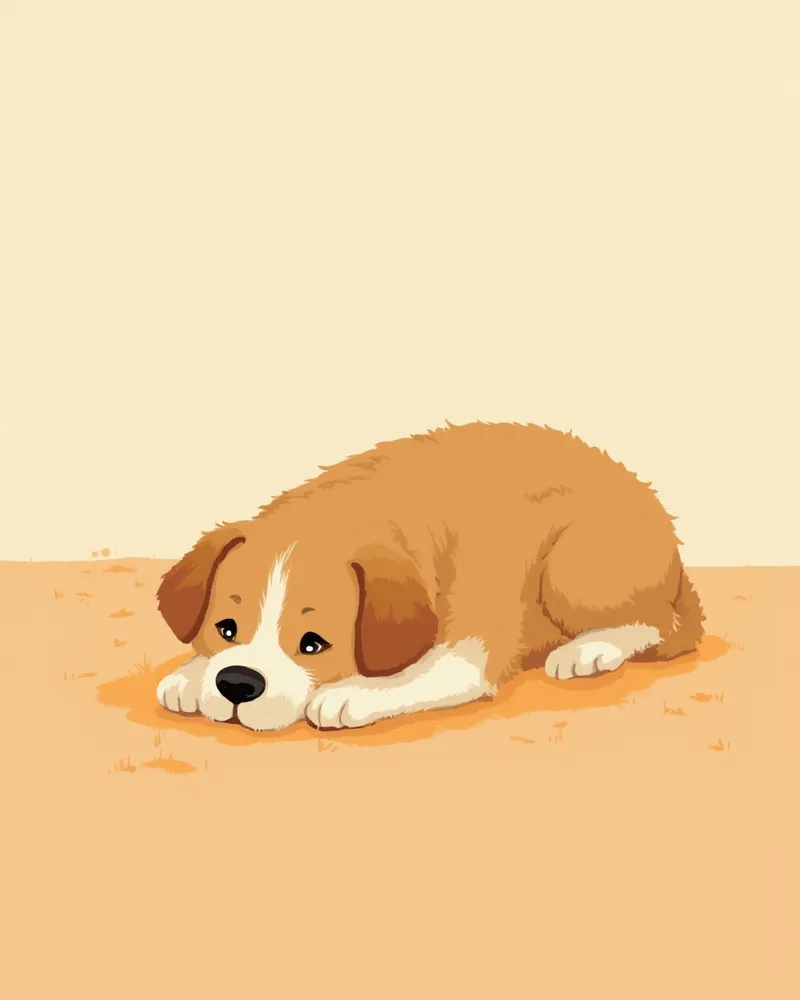
If you notice any of the following signs at a café, step outside briefly to let your dog decompress. Pushing through can lead to accumulated negative associations.
Excessive panting: If it’s not hot, this is a sign of stress.
Repeated lip-licking: This expresses anxiety.
Shivering (when not wet): This is a tension-relieving behavior.
Frequent yawning: If your dog isn’t tired, this is a calming signal.
Avoiding eye contact and stiffening: This indicates overstimulation.
In these situations, calmly take your dog out for a 5–10 minute walk, then decide whether to re-enter or end the training session.
A dog lying comfortably on its stomach

When Not to Take Your Dog to a Cafe

If any of the following apply, please postpone training and address the issue at home or with your veterinarian first. The café environment may inadvertently reinforce problematic behaviors. • Basic obedience training has not yet been completed. • The dog shows aggression toward strangers or other dogs, or barks excessively. • The dog suffers from severe separation anxiety and constantly clings to the owner. • Female dogs in heat, or puppies under 4 months of age (incomplete vaccination). • The dog has experienced diarrhea or vomiting within the past 24 hours. • Large-breed dogs showing heavy panting on hot summer days.

Positive Reinforcement Methods Commonly Used in Training
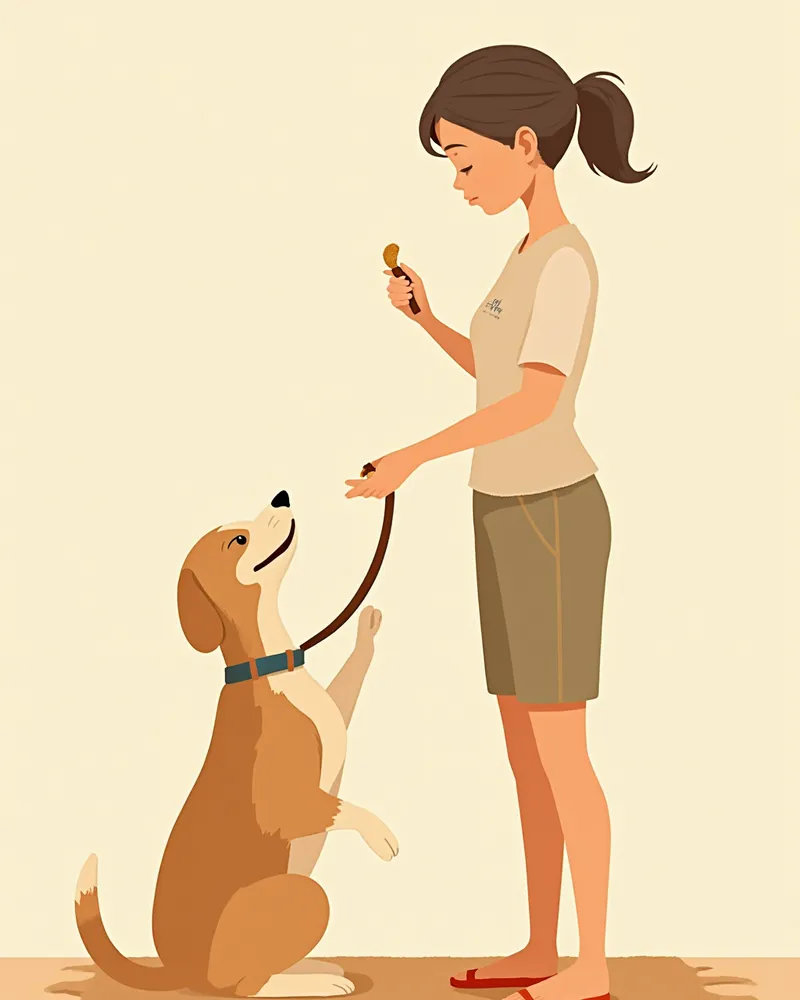
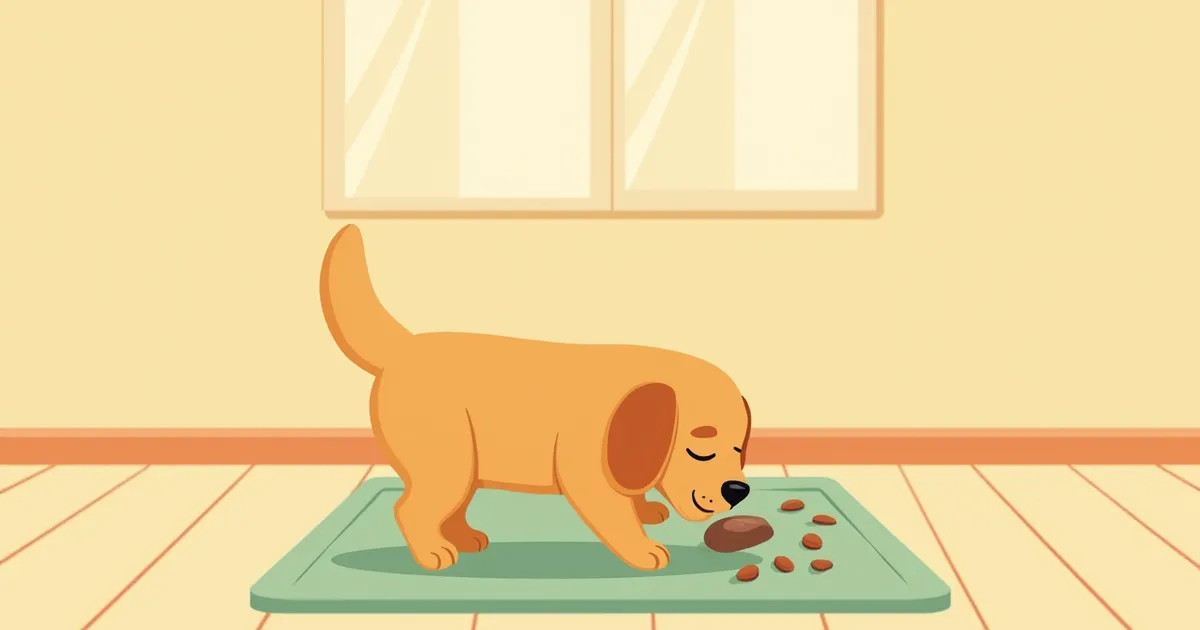
Veterinary behavior textbooks consistently cite research showing that positive reinforcement outperforms e-collars and punishment in both learning efficiency and bond formation. While e-collars (shock-based training) are sometimes used to suppress unwanted behaviors, they have been reported to cause fear and stress and may even exacerbate behavioral issues. In contrast, positive reinforcement is recommended as a method that strengthens desired behaviors and builds trust with the owner without compromising animal welfare. For café manners, "mat training" is particularly effective. By rewarding your dog with treats and praise when they lie down on a blanket or mat, and withholding rewards when they leave it, you create an association that "the mat = a good place." Mat training is known to help dogs self-regulate their emotional arousal and maintain a relaxed state in various environments, from bustling cafés to quiet homes.
A dog being rewarded on the mat

Can Cats Have Cafe Manners?

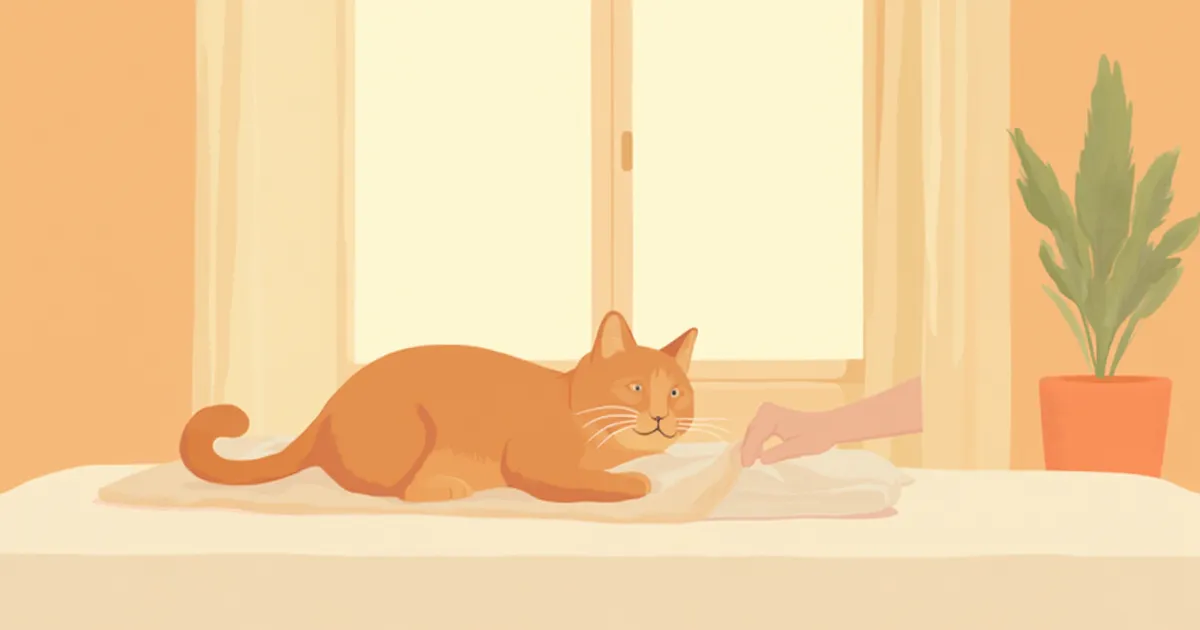
Cats feel emotionally stable when they can express their natural, species-specific behaviors in an environment they find familiar and safe. Therefore, staying for long periods in unfamiliar spaces like cafes can easily heighten fear, anxiety, and stress (FAS). Veterinary behaviorists recommend enriching the home environment with high perches, scratching posts, and opportunities to observe the outdoors, as well as providing play and food-related activities to promote mental calmness and self-regulation. Rather than forcing cafe manners as a goal, it is more realistic to focus on carrier acclimation training and harness training, aiming for practical objectives such as comfortable trips to the vet or short walks on a balcony. If you do plan to visit a cafe, keep the outing brief—within one to two hours—choose a location you have visited multiple times beforehand to build familiarity, and have your cat spend the time inside their carrier.

Basic Etiquette to Follow at Cafes

Even if your dog is well-trained, public etiquette is a separate matter. • Prevent your dog from jumping onto tables. • Keep the leash short at all times and secure it to a chair leg. • Stop your dog from sniffing or approaching other customers’ food. • Carry waterproof mats, wet wipes, and waste bags in case of accidents. • Leave immediately if barking continues for more than one minute. • Do not move outside the area permitted by the establishment. • Wipe your dog’s paws before entering, and remove calcium chloride in winter.

Reviewed by a veterinarian

Dr. Tony — Punnawat Phongkittirak

Dr. Tony — Punnawat Phongkittirak

Veterinarian

A veterinarian who majored in veterinary medicine at Khon Kaen University, Thailand, and completed the IVSA program at North Carolina State University in the United States. Drawing on clinical experience at animal hospitals, he works in the pet healthcare field and is dedicated to building a digital care environment that connects pet parents with veterinarians.

Frequently Asked Questions

At what age can I start training my cat for café manners?
It’s possible once the basic vaccination program is complete. For the most accurate timing, consult your veterinarian about when vaccinations are finished. Before that, it’s safer to start mat training and socialization at home or with trusted friends and family.
Even after training, my dog keeps barking at the café.
It’s important to determine whether the barking stems from excitement or anxiety. Observe the height of the tail, the position of the ears, and the dog’s weight distribution. If the barking is anxiety-related, stop exposing the dog to cafes and restart training with short walks near home. If there’s no improvement after thorough retraining, consult a veterinary behaviorist.
Should I keep giving treats?
During the initial stage of teaching a new behavior, it is most effective to reward your dog every single time they respond correctly (continuous reinforcement). Once the behavior becomes consistent, gradually transition to rewarding only occasionally (intermittent reinforcement). Intermittent reinforcement is known to strengthen the long-term maintenance of the behavior.
Is it okay to give my pet water and food at a café?
Small amounts of water are fine, but we don’t recommend feeding food. The smell of kibble or treats can stimulate other dogs, and there are also hygiene concerns. Please feed your dog at home before or after going out.
Can large-breed dogs also be trained in café manners?
It is possible, but you should choose places that allow large dogs in terms of space and seating arrangements. Since large dogs can be difficult to control when excited, they need to have a higher level of basic obedience training at home and in parks compared to small dogs.

Share

Related Guides

References

[1] Horwitz D, Mills D. BSAVA Manual of Canine and Feline Behavioural Medicine, 2nd ed., 2009

[2] China L, Mills DS, Cooper JL. Efficacy of dog training with and without electronic collars vs. a focus on positive reinforcement. Front Vet Sci, 2020;7:508

[3] Rooney NJ, Cowan S. Training methods and owner-dog interactions. Appl Anim Behav Sci, 2011;132:169-177

This information is based on veterinary literature and does not replace diagnosis or treatment. Please consult a veterinarian for specific health concerns.

Metapet Co., Ltd. | CEO: Park Sung-yong | Business Reg. No. 417-88-02562 | Seoul, South Korea | Customer Center

Dog Cafe Manners Training: Stop Barking & Distraction | Meongsiljang