Like
Share
멍실장
고양이 만성 기침 감별 진단 자주 묻는 질문 Q&A — 보호자가 꼭 알아야 할 핵심

Frequently Asked Questions on Differential Diagnosis of Chronic Coughing in Cats — Key Points Every Cat Owner Should Know

RespiratoryQ&AMeongsiljang Veterinary Advisory Board

Chronic coughing in cats can have various causes. Accurate differential diagnosis is essential, so we’ve compiled the key questions and management tips every cat owner should know.

Chronic Coughing in Cats Can Have Various Causes

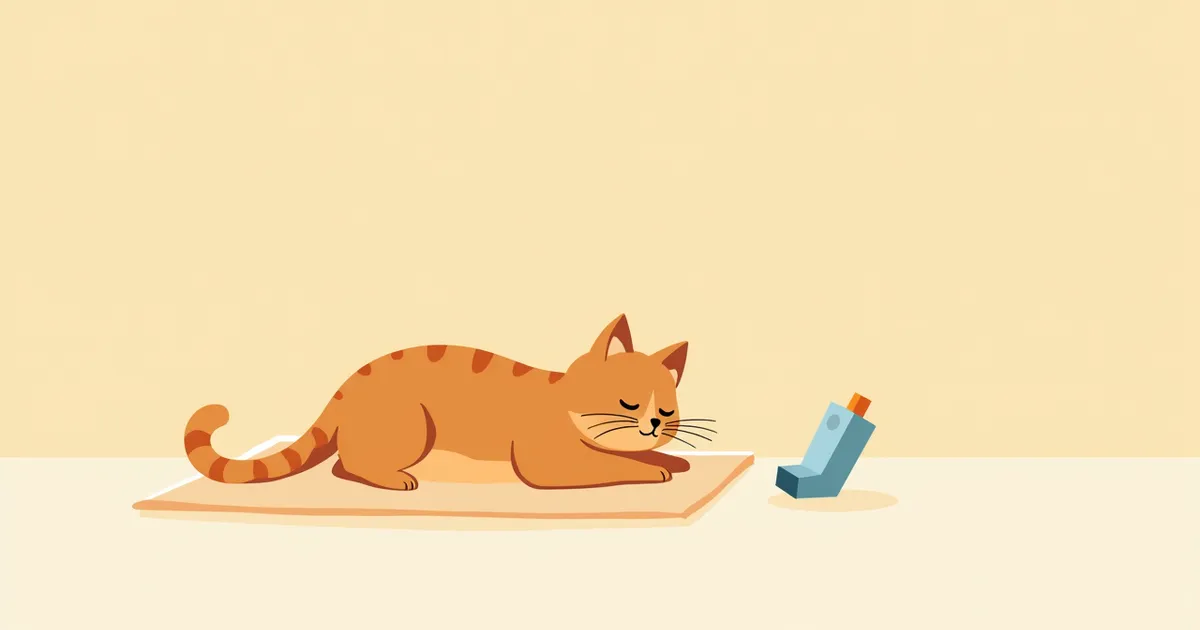
The movement of a cat's trachea during coughing
Chronic coughing in cats refers to a cough lasting more than two weeks. It can be caused by various factors, including infections, allergies, heart disease, airway obstruction, or airway irritants. Accurate differential diagnosis is the first step toward effective treatment.
Frequency and characteristics of the cough: It may occur multiple times a day and often worsens after eating or exercise.
Sound of the cough: It may sound like a light, rapid “rabbit cough” or produce a hacking sound.
Associated symptoms: Difficulty breathing, decreased appetite, weight loss, and vomiting after coughing may also occur.
Don’t overlook these signs—identifying the exact cause is essential.

Identifying the Main Causes of Coughing Is Key
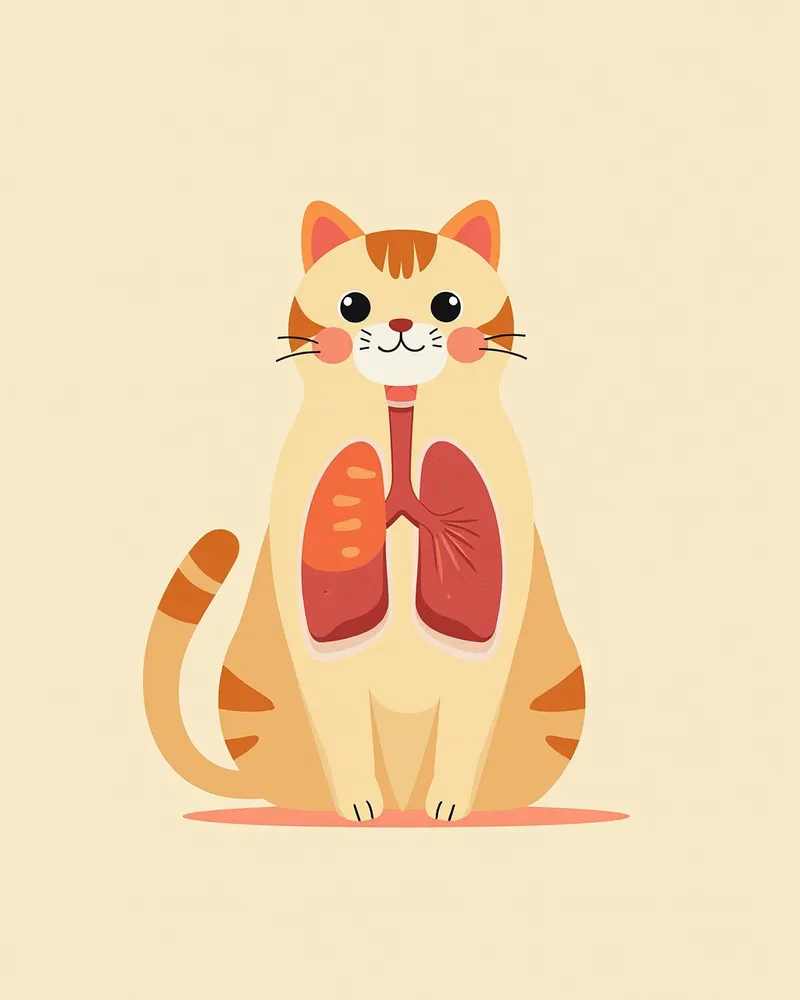
There are many possible causes of chronic coughing in cats. Here are the key causes every cat owner should know.
Respiratory infections: Pathogens such as feline calicivirus (FCV), feline herpesvirus (FHV), and Bordetella can trigger coughing. While infectious coughs may be temporary, they can recur or co-occur with other pathogens.
Bronchitis: One of the main causes of coughing, bronchitis is a chronic inflammatory condition of the lower airways that often arises without a clear underlying cause. It is especially common in cats sensitive to allergens or irritants.
Heart disease: Left atrial enlargement or pulmonary edema can lead to coughing. However, coughing due to heart disease is actually rare in cats; instead, coughing is more specifically associated with tracheal or bronchial disorders.
Bronchiectasis or airway obstruction: Structural abnormalities in the airways can cause both coughing and difficulty breathing, and may be seen in some middle-aged to senior cats.
If you suspect any of these conditions, please consult your veterinarian.
Diagram of a cat’s respiratory system, highlighting areas of inflammation and obstruction

Key Diagnostic Tests for Differential Diagnosis
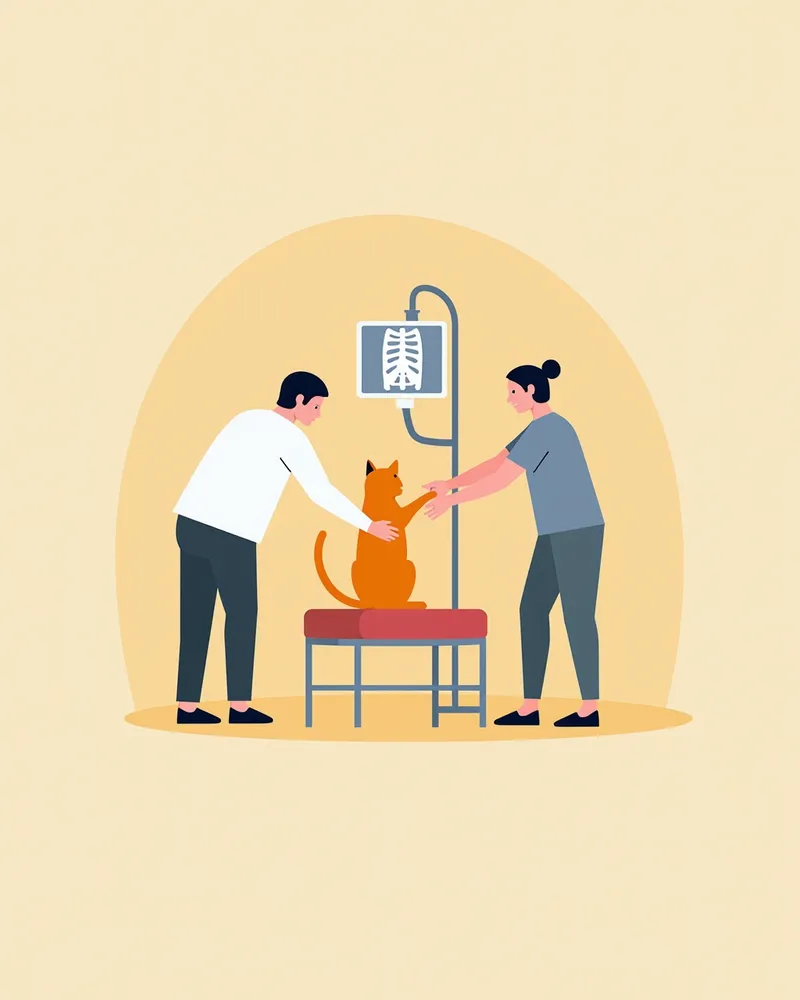
To accurately diagnose chronic coughing in cats, several tests are necessary. Here’s a summary of the key diagnostic procedures pet owners should be aware of.
Chest X-rays: These can reveal bronchial dilation, pulmonary edema, and changes in heart size. This is the most fundamental test.
Blood tests: These assess overall health status and check for inflammation, as well as confirming the presence of infection.
Cough sample analysis: By analyzing mucus expelled during coughing, we can identify the source of infection.
Echocardiogram: This evaluates heart function and structure to determine whether heart disease is the underlying cause.
Bronchoscopy: This allows direct visualization of the airways and enables biopsies, aiding in precise diagnosis.
These tests are essential for accurately identifying the underlying cause.
A veterinarian taking a chest X-ray of a cat

Comparison of Characteristics of Major Causes of Chronic Coughing

ItemMain symptomsAge of typical onsetDiagnostic methods
Chronic bronchitisPersistent cough, vomiting after coughingAdult to senior catsChest X-ray, cough sample analysis, bronchoscopy
Heart diseaseDifficulty breathing, rapid breathing, decreased vitality (coughing is rare in cats)Senior catsEchocardiography, chest X-ray
BronchiectasisStrong cough, difficulty breathingMiddle-aged to senior cats, some breedsChest X-ray, high-resolution CT, bronchoscopy
Respiratory infectionCough, nasal discharge, feverYoung cats and kittensCough sample analysis, blood tests, PCR test

By comparing the characteristics of each cause, this provides criteria that owners can use to suspect a condition early on. In cats, coughing is more common and more specific to tracheal/bronchial disease than to heart disease.

Immediate Veterinary Visit Is Necessary If Coughing Worsens

If your cat’s cough worsens or new symptoms appear, seek veterinary care immediately. The following signs may indicate an emergency:
Difficulty breathing: Panting or breathing with the mouth open.
Blue or bluish discoloration of the mouth: A sign of oxygen deprivation.
Vomiting or coughing up blood after coughing: Blood may be present in the coughed-up material.
Loss of appetite and lethargy: Lying around all day without moving or eating.
These symptoms can be life-threatening, so consult a veterinarian right away.

Home Care Methods for Managing Coughing

Here are some supportive care steps you can take at home after your pet has been diagnosed at the clinic. Please be sure to follow your veterinarian’s instructions.
Remove irritants: It is important to eliminate respiratory irritants from the environment, such as dust, pollen, cigarette smoke, and sand particles.
Air purification: Use an air purifier to reduce airborne particles and allergens indoors.
Maintain proper humidity: Keeping the indoor humidity at an appropriate level prevents the air from becoming too dry, which helps reduce respiratory irritation.
Remove collars: Be careful to avoid using collars or necklaces that could put pressure on the airway.
Weight management: For overweight cats, losing weight can help reduce the burden on the respiratory system.
Reduce stress: Keep your cat’s environment stable and avoid introducing new stimuli.
These management strategies can help alleviate symptoms.
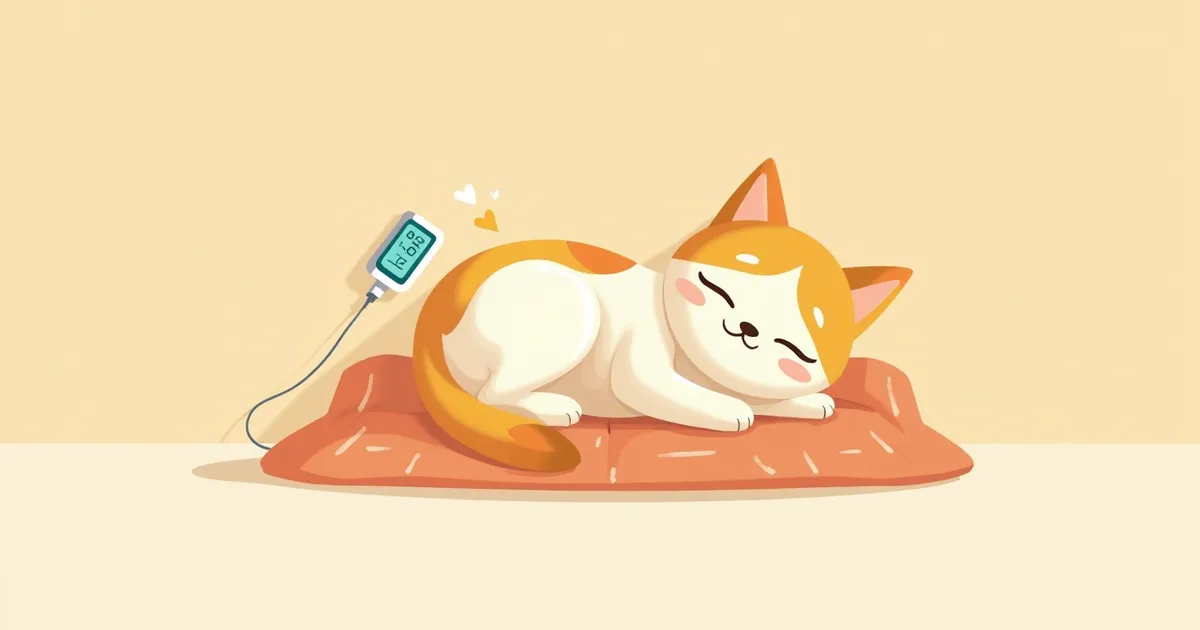
A cat bed placed next to a humidifier for humidity control

Coughing in Cats Is a Signal That Should Not Be Ignored

Coughing in cats may not be just a simple cold or mild irritation. If it persists for more than two weeks, a veterinary diagnosis is essential. Ignoring it can allow the underlying cause to worsen.

Accurately Identifying the Cause of Coughing Is the Key to Treatment
The treatment for a cat’s chronic cough varies significantly depending on the underlying cause, and incorrect treatment can worsen symptoms.
Infectious cough: Identify the infectious agent and use antibiotics or antiviral medications as needed.
Bronchitis: A comprehensive approach is required, including anti-inflammatory drugs to control inflammation, bronchodilators, and the removal of environmental irritants.
Heart disease: Medication to improve cardiac function and regular monitoring are necessary.
Other causes: A customized treatment plan tailored to the specific cause must be established by a veterinarian.
A veterinarian must make an accurate diagnosis and develop a personalized treatment plan.
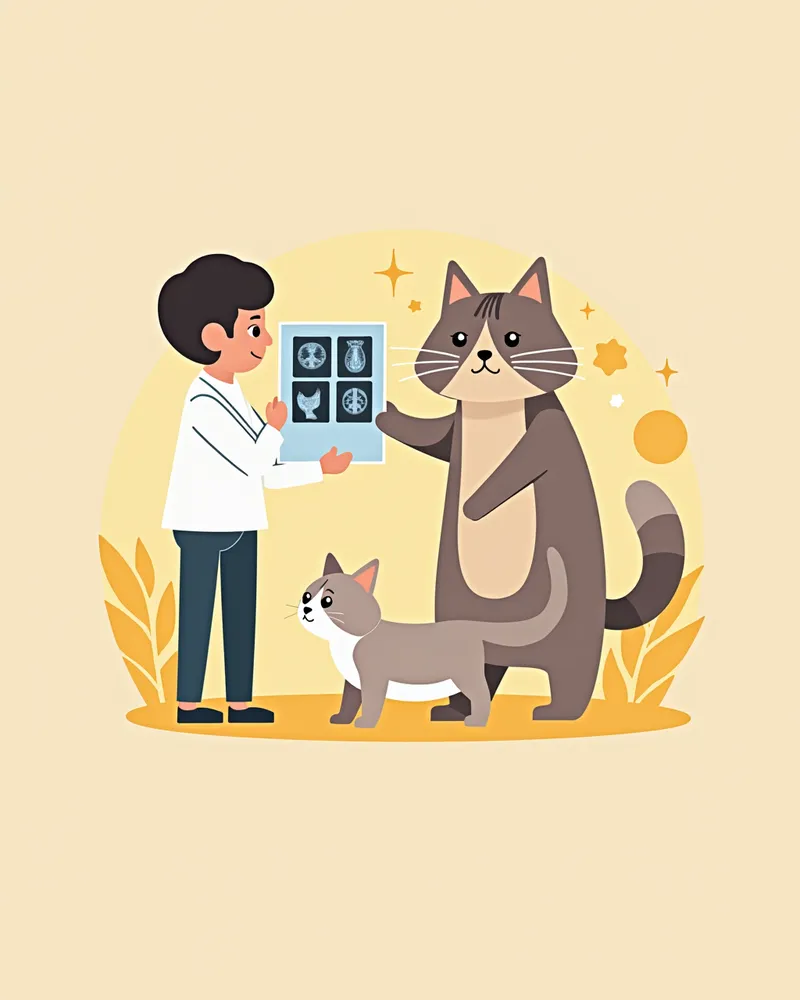
A veterinarian reviewing a cat's diagnostic results.

Reviewed by a veterinarian

Dr. Tony — Punnawat Phongkittirak

Dr. Tony — Punnawat Phongkittirak

Veterinarian

A veterinarian who majored in veterinary medicine at Khon Kaen University, Thailand, and completed the IVSA program at North Carolina State University in the United States. Drawing on clinical experience at animal hospitals, he works in the pet healthcare field and is dedicated to building a digital care environment that connects pet parents with veterinarians.

Frequently Asked Questions

Is a cat’s cough a sign of a cold?
No, a cat’s cough is not the same as a cold. While infectious coughs do exist, a persistent cough can stem from various causes beyond infection, such as allergies, bronchial diseases, or airway irritants. If the cough lasts for more than two weeks, your cat should be evaluated by a veterinarian.
Should I take my pet to the vet if it coughs frequently?
Yes. If the cough lasts for more than two weeks, or is accompanied by difficulty breathing, decreased appetite, or other symptoms, it is essential to visit the clinic. A cough can be a sign of an underlying condition, so identifying the cause is the first step toward effective treatment.
What are some ways to relieve coughing at home?
Removing environmental irritants, purifying the air, maintaining proper humidity, eliminating collars, reducing stress, and managing weight in overweight pets can help alleviate symptoms. However, treating the underlying cause requires veterinary care, with environmental improvements serving as an important supportive measure.
Is vomiting after coughing normal?
No. Vomiting after coughing can be a sign of airway irritation or gastrointestinal issues. If blood is present, immediate veterinary attention is required.
When an older cat coughs, it’s natural to worry about heart disease.
In cats, coughing is actually uncommon as a symptom of heart disease and is more specifically indicative of tracheal or bronchial conditions. However, for senior cats, it may be advisable to assess heart health through an echocardiogram and chest X-rays. Since the causes of coughing are highly varied, an accurate differential diagnosis is essential.

Share

Related Guides

References

[1] Smith, P. (2022). 100 Top Consultations in Small Animal General Practice. Elsevier.

[2] Hoskins, J.D. et al. (2021). Canine and Feline Respiratory Medicine, 3rd Edition. Wiley-Blackwell.

[3] American Association of Feline Practitioners. (2023). Feline Respiratory Disease Guidelines. AAFP.

This information is based on veterinary literature and does not replace diagnosis or treatment. Please consult a veterinarian for specific health concerns.

Metapet Co., Ltd. | CEO: Park Sung-yong | Business Reg. No. 417-88-02562 | Seoul, South Korea | Customer Center

Feline Chronic Cough: 5 Key Questions for Differential Diagnosis | Meongsiljang