

Dog Gingival Hyperplasia (Idiopathic & Drug-Induced) FAQ — Key Information for Pet Owners
Gum overgrowth in dogs is a condition where the gums abnormally enlarge, either due to unknown causes or as a side effect of certain medications. Early detection and proper management are essential.
What is dog gingival hyperplasia?

Why does gingival hyperplasia occur?
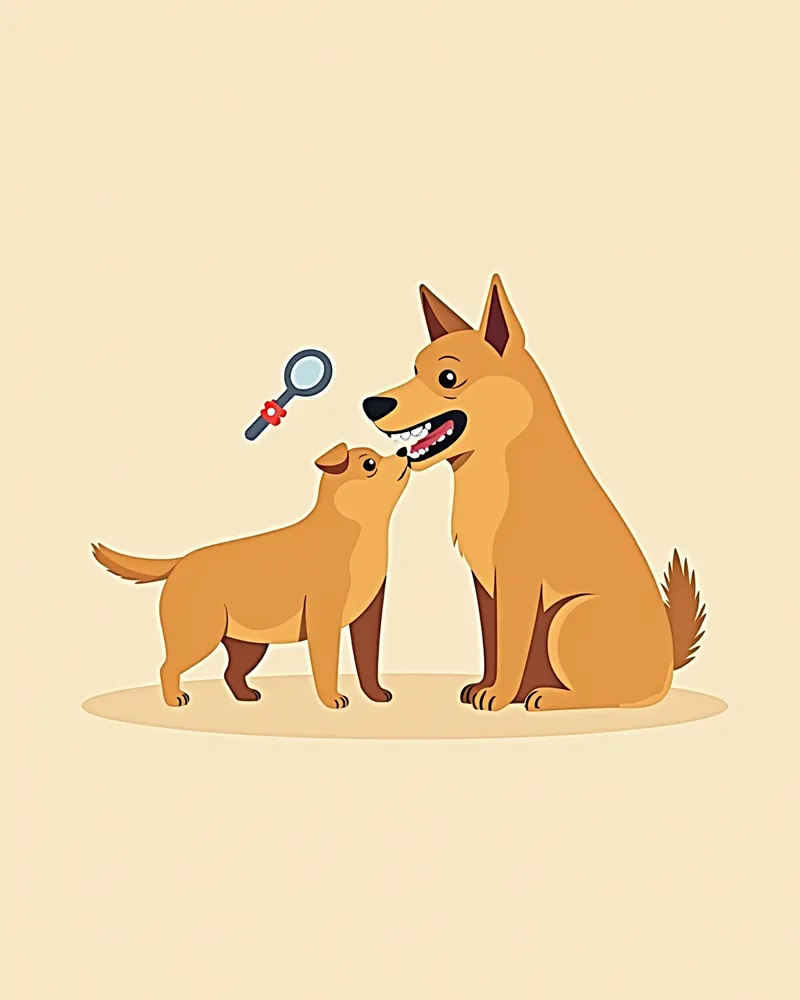
What are the symptoms?

When to seek immediate veterinary care
If your pet’s gums are severely swollen, bleeding persistently, or if they refuse to eat or show signs of pain, seek veterinary care immediately. These symptoms may indicate an infection or worsening periodontal disease. If gum changes occur while your pet is on medication, consult your veterinarian about adjusting the treatment plan.
How is it diagnosed?

What are the treatment options?
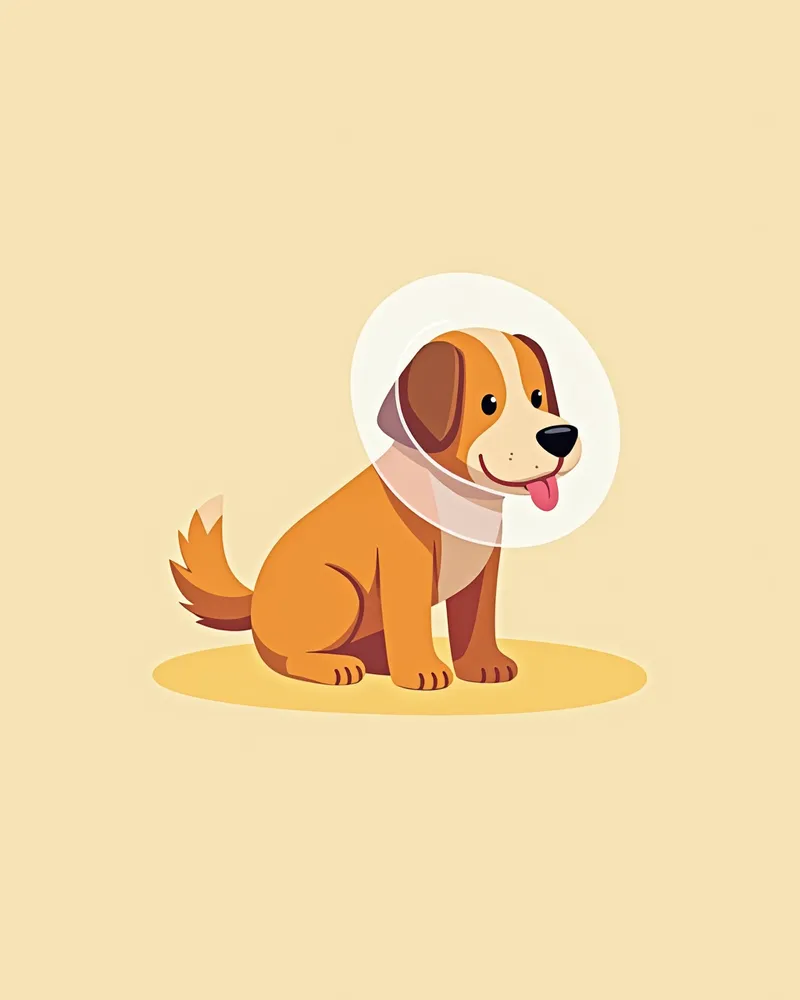
Home care management
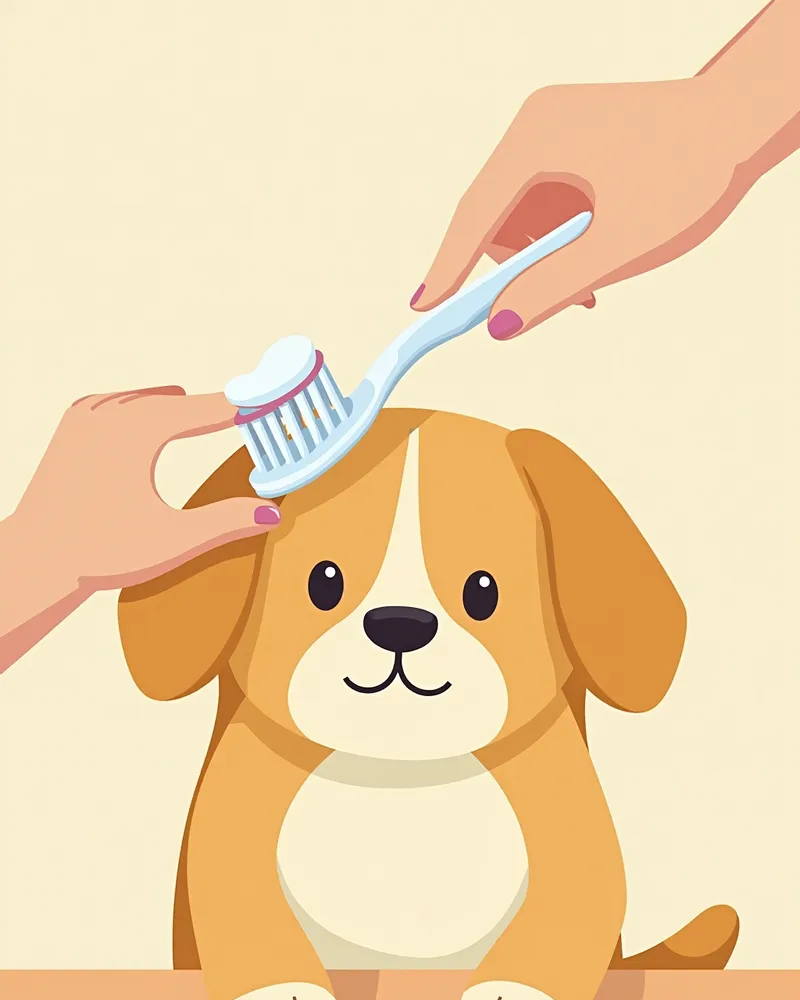
Comparison: Idiopathic vs. Drug-Induced Gingival Hyperplasia
| Item | Idiopathic Hyperplasia | Drug-Related Hyperplasia |
|---|---|---|
| Main Cause | Unknown cause (idiopathic) | May be related to taking certain medications |
| Onset Time | Progresses slowly from adulthood | May appear gradually after starting medication |
| Treatment Approach | Centered on surgical resection of the overgrown gum tissue | Consider adjusting or replacing medication after consulting a veterinarian |
| Recurrence Possibility | Recurrence possible after surgery | May improve when the causative medication is adjusted |
If it is drug-related, the condition may improve by adjusting the medication after consulting a veterinarian, but idiopathic cases may require surgical resection of the overgrown gum tissue.
Points to note
If your dog is on medication, it’s a good idea to regularly check for any changes in their gums. In particular, if you notice redness or thickening of the gums, do not stop the medication on your own; consult your veterinarian immediately. Delaying treatment can damage the periodontal tissues and alveolar bone, potentially leading to tooth loss or severe infection. Consistent daily gum care is essential for preventing disease and slowing its progression.
Reviewed by a veterinarian

Dr. Tony — Punnawat Phongkittirak
VeterinarianA veterinarian who majored in veterinary medicine at Khon Kaen University, Thailand, and completed the IVSA program at North Carolina State University in the United States. Drawing on clinical experience at animal hospitals, he works in the pet healthcare field and is dedicated to building a digital care environment that connects pet parents with veterinarians.
Reviewed 2026-06-29
Frequently Asked Questions
Is gingival hyperplasia treatable?
Should I take my dog to the vet right away if its gums are swollen?
Does gingival overgrowth lead to tooth loss?
Can the gums swell up again after surgery?
What should I do if my pet’s gums change while they’re taking medication?
Share
Related Guides

7 Best Cat Dental Chews for Tartar Prevention Recommended by Veterinarians and Selection Criteria

Top 5 Recommended Dental Treats for Dogs in 2026 — VOHC Certification Criteria

7 Criteria for Choosing Dog Tartar Prevention Dental Chews Recommended by Veterinarians

What Is Fatty Acid Deficiency in Dogs and Cats? — Symptoms to Supplementation, All in One Place
How to Manage Obesity Diets for Dogs and Cats Step by Step?
BARF Raw Diet Guide

How Much Treats Per Day? — The 10% Calorie Rule and How to Calculate It Correctly
What Is a Dog Food Allergy Panel? — A Complete Guide to Cost, Accuracy, and Necessity
Is the Allergy RAST Serum Test Really Necessary for Your Pet?
What is the insulin-glucagon stimulation test for dogs — procedure and precautions?
References
[1] Miller WH, Griffin CE, Campbell KL, Muller GH, Scott DW. Muller and Kirk’s Small Animal Dermatology. 7th ed. St. Louis, MO: Elsevier; 2013.
[2] Hopper K, Drobatz KJ, Rozanski E, Silverstein DC. Textbook of Small Animal Emergency Medicine. Hoboken, NJ: John Wiley and Sons; 2019.
[3] Plumb's Drug Information for Veterinary Medications. 12th ed. St. Louis, MO: Elsevier; 2022.