Like
Share
멍실장
강아지 발톱 깎는 방법과 주기 완벽 가이드

The Complete Guide to Trimming Your Dog’s Nails: Methods and Frequency

Skin & CoatQ&AMeongsiljang Veterinary Advisory Board

Trimming your dog’s nails is all about locating the quick and maintaining a regular schedule. We’ve put together a complete guide covering the right tools, step-by-step instructions, and what to do if bleeding occurs.

What Is Trimming Your Dog’s Nails?

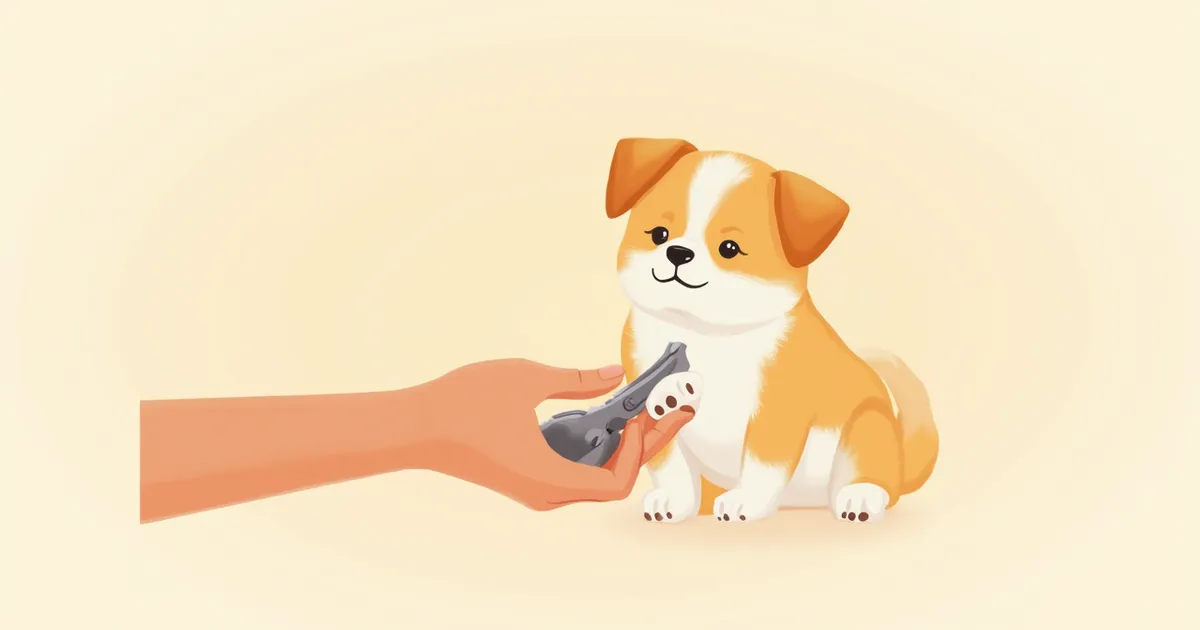
Checking the location of the blood vessel (quick) in a dog's nail
Trimming your dog’s nails is a basic hygiene practice that involves carefully shortening overgrown nails to an appropriate length while avoiding the quick, the sensitive blood vessel inside the nail. The most crucial step is accurately locating the quick. If the nails are long enough to touch the ground, they likely need trimming; leaving them untrimmed can lead to pain, gait abnormalities, and added stress on the joints. The ideal trimming frequency varies from dog to dog. Small breeds that spend most of their time indoors have fewer opportunities for natural wear and tear, so they require more frequent trims. In contrast, dogs with active outdoor lifestyles experience more natural nail wear, allowing for longer intervals between trims. Please adjust the trimming schedule based on your dog’s living environment and the rate at which their nails grow.

Why Is Regular Trimming Necessary?

Long nails aren’t just a cosmetic issue—they can lead to serious health problems. Overgrown nails can alter your pet’s gait and weight distribution, causing pain, abnormal walking patterns, and added stress on the joints. Dewclaws, which don’t touch the ground and therefore don’t wear down naturally, can curl inward and dig into the skin if left untrimmed. If your pet is walking awkwardly or experiencing recurring skin or paw pad inflammation, start by checking their nail length.

Tool Comparison: Which One Should You Use?

ItemGuillotine TypeScissor Type (Nipper)Electric Grinder
Recommended WeightSmall dogs up to 10 kgAll weightsAll weights
ProsClean cut in one motionCan cut even thick nailsGrinds down, low risk of quick injury
ConsNails may crack when the blade dullsHard for beginners to set the angleSome pets are sensitive to noise · vibration
DifficultyMediumLowMedium

Just choose one that suits your pet's temperament and nail thickness.

Step-by-Step Trimming Method (How to Avoid the Quick)
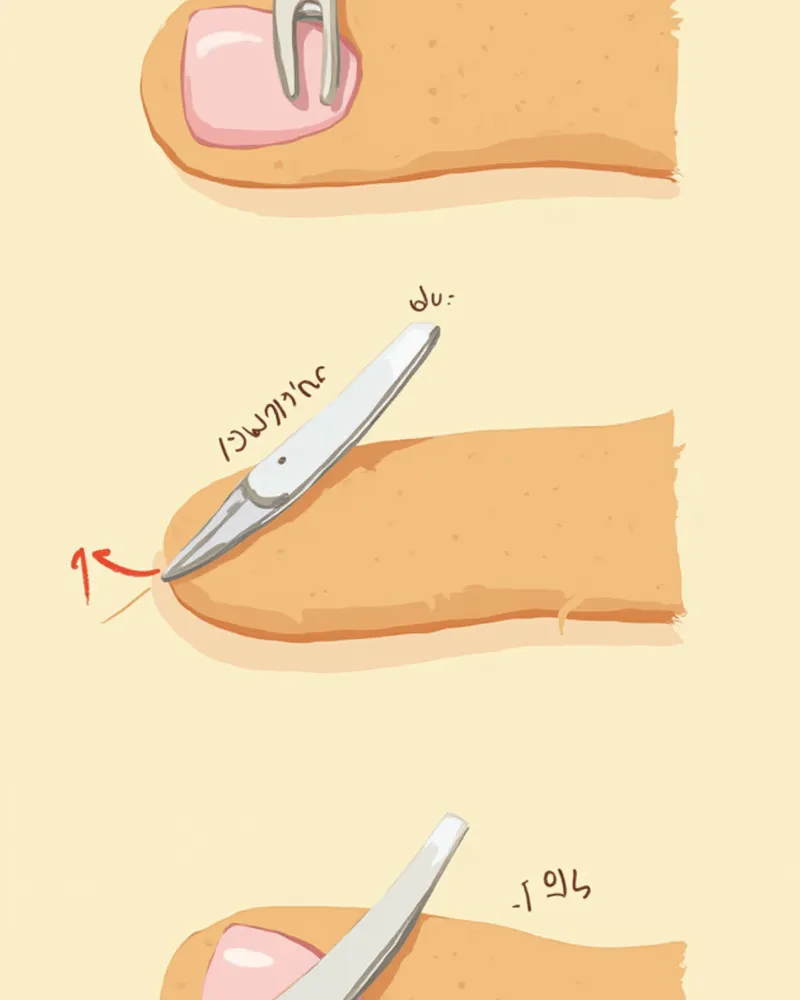
Step 1: Gently hold your pet’s paw and spread the toes to expose the nails. Step 2: For clear nails, use bright light to visually identify the pink blood vessel (quick) and cut well in front of it. Step 3: For black nails, avoid cutting too much at once; instead, trim in small increments of 1–2 mm, checking the cross-section after each cut. If you see a small black dot in the center of the cross-section, stop immediately, as this indicates you are right at the edge of the blood vessel. Step 4: Gradually file the nail tips to the proper length so they do not touch the ground.
How to trim your dog’s nails at a 45-degree angle while avoiding the quick

What to Do If Bleeding Occurs? Immediate Response

If a blood vessel is severed and bleeding occurs, stay calm and apply a commercially available veterinary hemostatic agent (such as Styptic Powder) by pressing it firmly onto the wound. If you don’t have a veterinary hemostatic product on hand, it’s safest to consult your veterinarian for proper bleeding control methods. Seek veterinary care if the bleeding persists or if the nail is broken off at the root and dangling, as these situations carry risks of infection or bone involvement. After stopping the bleeding, keep the paw clean to prevent contamination.

How Often Should You Trim?
The frequency of nail care varies from puppy to puppy. Below are general guidelines based on their living environment.
Small-breed dogs living primarily indoors: Because they have limited outdoor activity, their nails don’t get naturally worn down. Therefore, you’ll need to check and care for them more frequently than for more active dogs.
Medium-to-large breed dogs with regular walks: Walking on hard surfaces helps wear down their nails, so the interval between grooming sessions can be longer compared to dogs that spend most of their time indoors.
Dogs who frequently walk on asphalt: The friction from the pavement leads to more natural wear, which may allow for longer intervals between nail care sessions.
Dewclaws: These nails, located on the inner side of the leg, never touch the ground, so all dogs require regular, separate care for them. If you hear clicking sounds when your dog walks or notice a change in their gait, it’s already time for a trim.
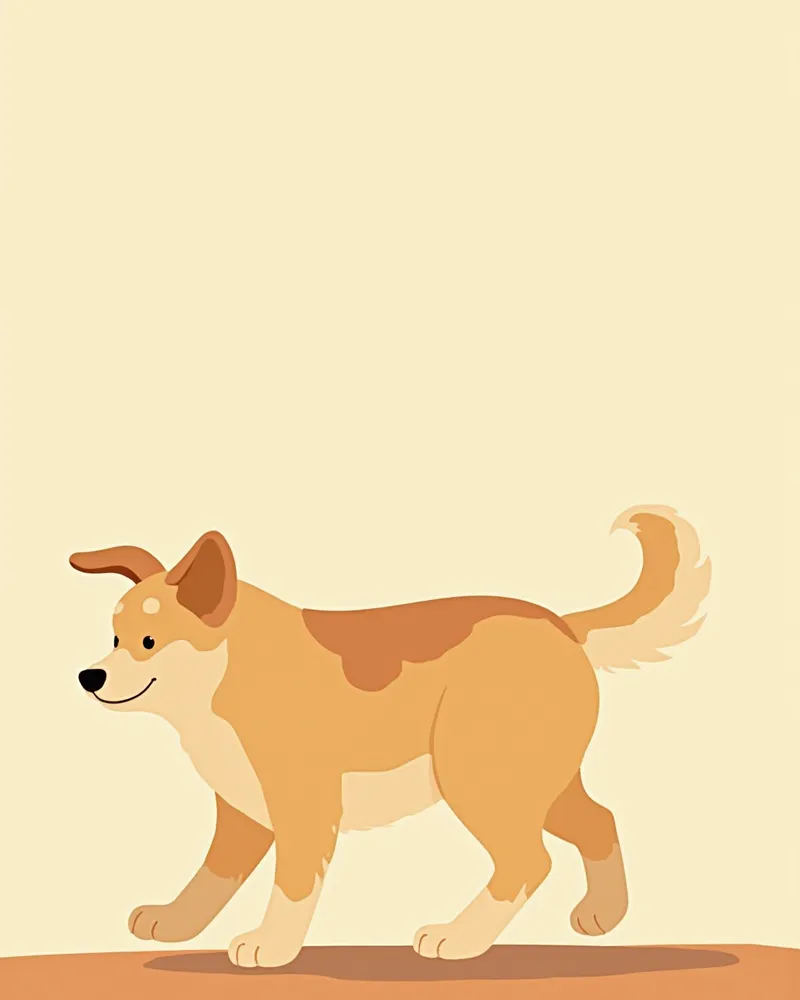
A scene of a walk where the nails naturally wear down on the asphalt.

What to Do If Your Dog Dislikes Nail Trimming?

The key is to gradually desensitize your pet to having their paws touched, step by step.
Week 1: Gently touch their paw for 1–2 seconds while offering treats.
Week 2: Place the nail clippers near their paw and reward with treats.
Week 3: Lightly touch the nail clippers to their nails and give treats.
Week 4: Trim just one nail slightly and immediately reward with treats.
Don’t try to trim all nails at once from the start—it’s perfectly fine to do just 1–2 nails per day. If you keep running into difficulties, it’s a great choice to leave it to a veterinarian or groomer.

When to Visit the Vet for Nail Conditions

It’s not just about length; there could be an underlying health issue. Swelling and pus around the nail: Suspect a nail bed infection (paronychia). Splitting or brittle nails: May indicate nutritional deficiencies or autoimmune conditions (such as symmetrical lupoid onychodystrophy). Discoloration of a single nail: Tumors should also be ruled out. If an ingrown nail is digging into the skin, or if the angle makes it difficult to trim at home, it’s safest to have a veterinarian handle the treatment rather than forcing it.

Reviewed by a veterinarian

Dr. Tony — Punnawat Phongkittirak

Dr. Tony — Punnawat Phongkittirak

Veterinarian

A veterinarian who majored in veterinary medicine at Khon Kaen University, Thailand, and completed the IVSA program at North Carolina State University in the United States. Drawing on clinical experience at animal hospitals, he works in the pet healthcare field and is dedicated to building a digital care environment that connects pet parents with veterinarians.

Frequently Asked Questions

Can not trimming a dog’s nails really cause problems?
Yes, this can lead to increased stress on the joints, ingrown nails that pierce the skin, and gait abnormalities. If left untreated for a long time, the blood vessels inside the nail (the quick) will also grow longer, making it take considerable time and repeated care to return the nails to their normal length.
Black nails don’t show the quick, so how do you trim them?
Don’t cut too much at once. Instead, trim in thin layers of 1-2 mm at a time, checking the cross-section as you go. If you see a moist black dot in the center of the cross-section, you’re right next to the blood vessel, so stop there.
Are electric grinders safe for dogs?
Yes, since it uses a shaving method, the risk of blood vessel damage is low, making it actually more advantageous for first-time pet owners. However, it is necessary to acclimate your pet to the noise and vibration by letting them hear the device’s sound for several days as part of a desensitization training process.
How much does it cost to get a haircut at a grooming salon or veterinary clinic?
It's difficult to provide a specific cost without knowing the source, as prices vary depending on your location and your pet's temperament (such as whether a sedative is needed). I recommend contacting a local veterinary clinic or grooming salon directly for an accurate estimate.
When should you start trimming a puppy’s nails?
It’s important to start paw-touching training as early as possible. Once your pet is fully comfortable with having their paws handled, gently trim just the tips of the nails if they grow too sharp. Getting them used to this from a young age makes lifelong nail care much easier.

Share

Related Guides

References

[1] Hnilica KA, Patterson AP, Small Animal Dermatology: A Color Atlas and Therapeutic Guide, 4th Edition, 2017

[2] Bloom PB, Nail and Claw Disorders in Dogs, Veterinary Clinics of North America: Small Animal Practice, 2013

[3] Miller WH, Griffin CE, Campbell KL, Muller and Kirk's Small Animal Dermatology, 7th Edition

This information is based on veterinary literature and does not replace diagnosis or treatment. Please consult a veterinarian for specific health concerns.

Metapet Co., Ltd. | CEO: Park Sung-yong | Business Reg. No. 417-88-02562 | Seoul, South Korea | Customer Center

How to Trim Your Dog's Nails: Tools, Steps & Frequency | Meongsiljang