Like
Share
멍실장
고양이 발톱 관리 방법 자주 묻는 질문 Q&A — 보호자가 꼭 알아야 할 핵심

Cat Nail Care FAQ — Key Points Every Owner Must Know

Lifestyle & Age CareQ&AMeongsiljang Veterinary Advisory Board

Proper nail care is a key preventive measure for maintaining your cat's health and hygiene. By understanding the correct techniques and precautions, you can safely manage your cat's nails at home.

Why is cat nail care important?
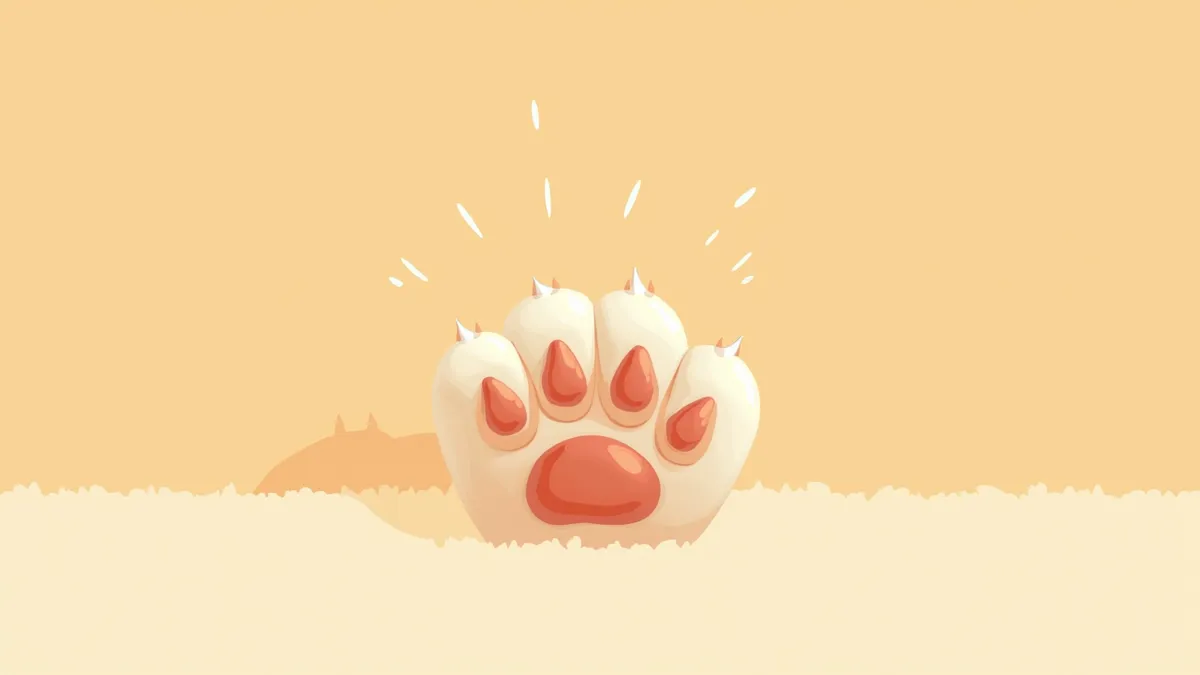
The appearance of a cat's claws that are regularly maintained.
Regular claw care is an essential preventive measure for maintaining your cat’s hygiene and overall health. Overgrown claws can scratch household items or curl back into the skin, causing painful ingrown nails. If left unchecked, excessive growth can lead to pain and difficulty walking, so routine maintenance helps prevent claw-related diseases.
Claw Length Management: Check your cat’s claws regularly (for example, about once a month) and trim them if they become too long to prevent painful overgrowth.
Monitoring Claw Health: If you notice redness, swelling, or discharge around the claws, it may indicate a claw or pad infection, so consult a veterinarian immediately.
Watching for Overgrowth: If your cat doesn’t use scratching posts sufficiently or if care is neglected, claws may overgrow or curl inward. Please keep a close eye on your cat’s claw condition on a regular basis.

What tools are needed for trimming nails?
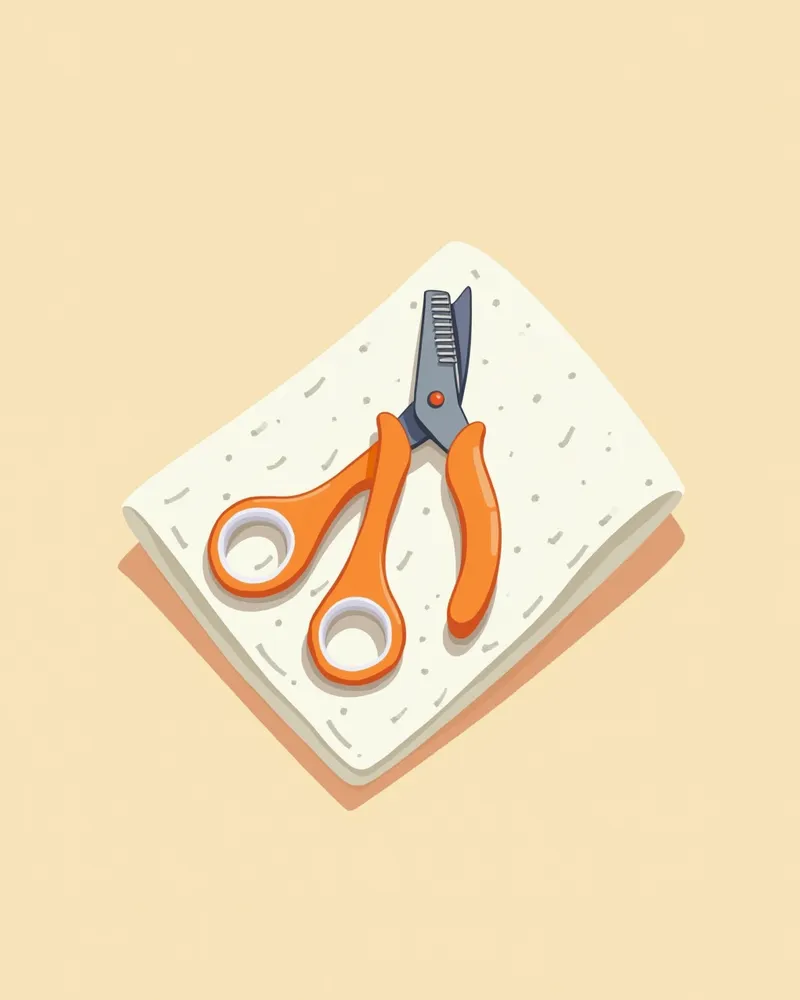
Choosing the right tools makes nail care both safe and effective. Here are some tools that are ideal for pet owners to use at home.
Scissor-style clippers: These are great for precisely trimming the tips of nails, especially those with a rounded shape.
Guillotine-style clippers: These are advantageous for making precise cuts close to the base of the nail, making it easier to avoid the blood vessels.
Dremel tools: These are electric devices that file nails down. They are recommended only for cats who tolerate them well.
Styptic powder or spray: These are emergency products to apply immediately if bleeding occurs during trimming.
Cat claw care tool set

What should you do if you accidentally cut the blood vessel (quick)?

If you accidentally cut the blood vessel, your cat will bleed and feel pain. However, don’t panic. Immediate action can resolve the issue.
Immediate First Aid: Apply pressure with a cloth or cotton swab to stop the bleeding. Using powder or spray can help stop it faster.
Calming Your Cat: Let your cat rest in a quiet place and reduce stress.
Next Care Precautions: Avoid trimming for 2–3 days and monitor until the claw fully heals.
Preventing Recurrence: Next time, get into the habit of trimming only about 1–2 mm from the tip of the claw.
A cat that had a blood vessel accidentally severed is receiving immediate emergency care.

What should you do if your cat dislikes having its nails trimmed?

Many cats dislike having their nails trimmed, but you can help them get used to it through gradual training.
Start small: Begin by simply touching their nails and reward them with a treat.
Repeat often: Practice for 1–2 minutes daily so your cat becomes accustomed to it.
Choose the right time: Try when your cat is relaxed, such as after a nap.
Keep the environment calm: Work in a quiet place free from distractions.
Gently touching a cat's claws

Comparison Table of Cat Nail Care Tools

ItemAdvantagesDisadvantagesRecommended For
Scissor-type ClipperAllows precise cuttingSuitable for small clawsEasy to accidentally cut the blood vessel
Guillotine-type ClipperEasy to identify the blood vesselSafe for small catsDoes not fit well if the claws are thick
Dremel ToolFast and precise trimmingNo bleedingUnsuitable for cats sensitive to noise

Choose the tool according to the cat's temperament and claw condition. For beginners, the guillotine-type clipper is the safest.

Caution: What to do if your cat reacts violently during nail trimming?

If your cat struggles violently or bites during nail trimming, do not force the process. Excessive stress can worsen behavioral issues.

5 Things to Keep in Mind When Caring for Nails
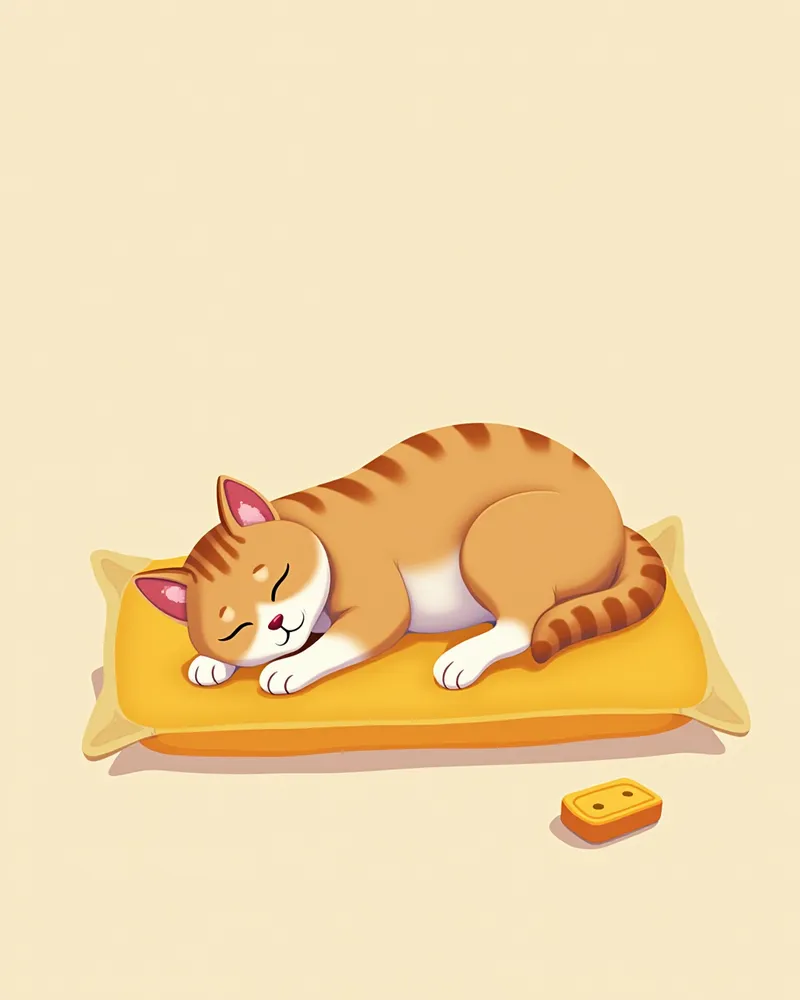
Trimming your cat’s claws isn’t just a routine task—it’s an essential part of maintaining their health and comfort. Keep these key points in mind:
Check claw condition: If the claws are curling, growing into the skin, or if you notice redness or swelling around them, consult your veterinarian.
Adjust trimming frequency: To prevent overgrowth and discomfort, check and trim the claws regularly—about once a month is usually sufficient.
Prevent skin injury: Trim only the very tip of the claw, and never cut into the quick, the sensitive blood vessel near the base.
Use positive reinforcement: Reward your cat with treats or gentle affection during or after the trimming session.
Monitor your cat’s mood: If your cat shows signs of fear or stress, don’t force the process. Stop and try again another time.
A cat looking relaxed after its nails were trimmed

Reviewed by a veterinarian

Dr. Tony — Punnawat Phongkittirak

Dr. Tony — Punnawat Phongkittirak

Veterinarian

A veterinarian who majored in veterinary medicine at Khon Kaen University, Thailand, and completed the IVSA program at North Carolina State University in the United States. Drawing on clinical experience at animal hospitals, he works in the pet healthcare field and is dedicated to building a digital care environment that connects pet parents with veterinarians.

Frequently Asked Questions

When is the best time to trim your cat's claws?
It’s best to trim your cat’s nails during calm moments, such as after a nap or a meal, when they tend to be quieter and more cooperative. Since nail trimming isn’t an emergency procedure, there’s no need to force it if your cat seems scared—just try again when they’re relaxed and comfortable.
Does trimming my cat’s claws cause pain?
If you trim precisely, it won’t hurt. However, cutting into the blood vessel area can cause pain, so it’s safest to trim just 1–2 mm from the tip of the nail.
Is it safe to use a Dremel tool at home?
Dremel tools are recommended only for cats that adapt well to noise and have relatively thin claws. Before introducing the tool, first get your cat accustomed to having its paws touched, and begin slowly in a quiet environment.
What problems can occur if you don’t trim your pet’s nails?
If your pet's nails grow too long, they can scratch household items or even grow into the skin, causing pain. Overgrown nails may curl inward, making it uncomfortable for your pet to walk and leading to further discomfort.
What should I do if my cat hates having its nails trimmed?
Don’t force the trimming process; instead, train in small steps. Start by simply letting your pet get used to having their nails touched, and reward them with treats.

Share

Related Guides

References

[1] The Cat, Clinical Medicine and Management, 2nd Edition, 2023

[2] Assessing Essential Skills of Veterinary Technology Students, 4th Edition, 2021

[3] American Association of Feline Practitioners (AAFP) Guidelines on Feline Preventive Healthcare, 2022

This information is based on veterinary literature and does not replace diagnosis or treatment. Please consult a veterinarian for specific health concerns.

Metapet Co., Ltd. | CEO: Park Sung-yong | Business Reg. No. 417-88-02562 | Seoul, South Korea | Customer Center

Cat Nail Care FAQ: Key Points Every Owner Must Know | Meongsiljang