

The Complete Guide to Calculating Pet Food Calories (RER & DER)
I’ll walk you through how to calculate your pet’s daily caloric needs using the RER and DER formulas, step by step. I’ve carefully organized the coefficients based on weight, activity level, and neuter status.
What is Pet Food Calorie Calculation?
Step 1: RER (Resting Energy Requirement) Formula

Quick RER Reference Table by Weight
| Item | Simple formula | Accurate formula (^0.75) |
|---|---|---|
| 2kg | 130 kcal | 118 kcal |
| 5kg | 220 kcal | 234 kcal |
| 10kg | 370 kcal | 394 kcal |
| 20kg | 670 kcal | 662 kcal |
| 30kg | 970 kcal | 897 kcal |
| 40kg | 1,270 kcal | 1,113 kcal |
Above 25 kg body weight, the simple formula increasingly tends to overestimate RER (about 8% difference at 30 kg, about 14% at 40 kg). For medium and large dogs, using the accurate formula is recommended.
Step 2: Multiply by DER (Daily Energy Requirement) Coefficient

Note: The Calculated Value is a 'Starting Point'
DER is an estimate based on average values. Even with the same body weight and coefficient, individual requirements can vary by up to ±20%. After feeding the calculated calories for 2–4 weeks, be sure to reevaluate your pet’s weight change and body condition score (BCS). Adjust accordingly: reduce intake by 5–10% if gaining weight, or increase by 5–10% if losing weight. Pets that are pregnant, nursing, or ill have different coefficient requirements, so please consult your veterinarian.
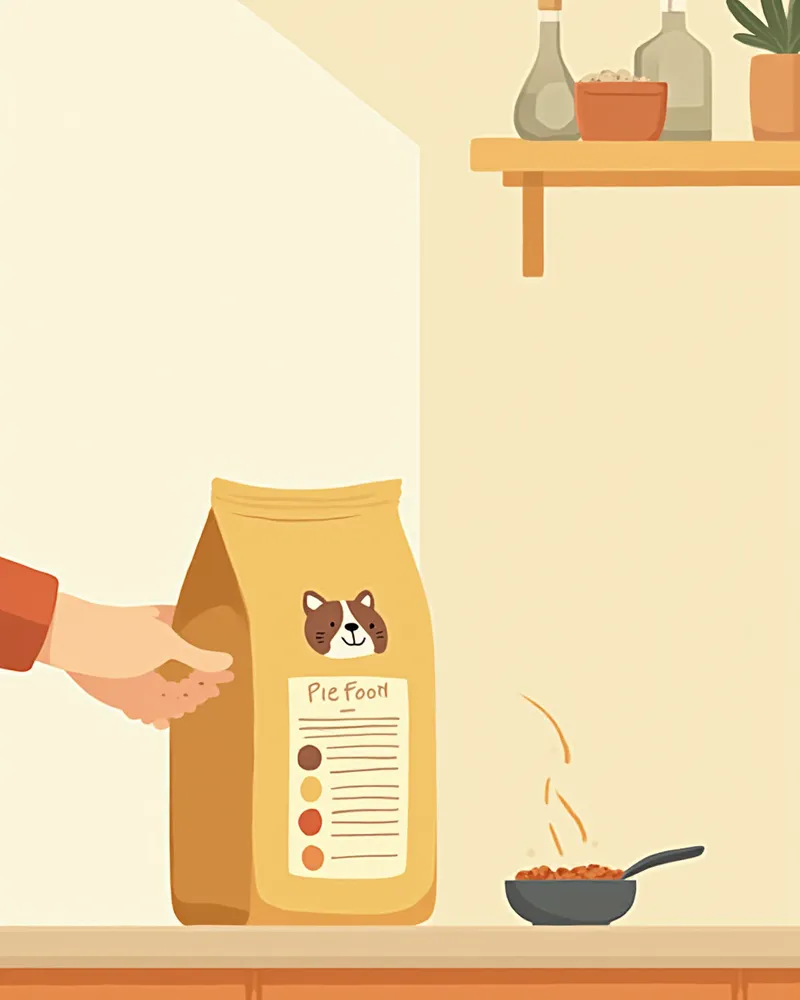
Step 3: Convert to Feeding Amount Using the Food Bag
Life Stage Coefficient Checklist
Don't Use the 'Dog Formula' for Cats
Cats require more protein than dogs and metabolize carbohydrates differently. While the Resting Energy Requirement (RER) formula is the same, the Daily Energy Requirement (DER) coefficient is significantly lower for cats (around 1.2 for neutered adult cats). Using the dog coefficient (1.6–1.8) can quickly lead to obesity. Additionally, cats are at high risk of developing fatty liver disease (hepatic lipidosis) if their food intake drops suddenly or if they experience prolonged loss of appetite. Therefore, even during weight loss, drastic dietary restriction is strictly prohibited.
Management Points After Calculation

Reviewed by a veterinarian

Dr. Tony — Punnawat Phongkittirak
VeterinarianA veterinarian who majored in veterinary medicine at Khon Kaen University, Thailand, and completed the IVSA program at North Carolina State University in the United States. Drawing on clinical experience at animal hospitals, he works in the pet healthcare field and is dedicated to building a digital care environment that connects pet parents with veterinarians.
Reviewed 2026-04-27
Frequently Asked Questions
Shouldn't I just follow the "recommended feeding amount" listed on the food bag?
Which one should I use, the quick formula or the precise formula?
How do I calculate the right amount when mixing wet and dry food?
How much should I reduce the calories for my senior dog?
I’m trying to lose weight—how quickly is it safe to do so?
Share
Related Guides

My Senior Cat Won’t Eat — A Complete Guide to Choosing Food for Cats with Weak Digestion

Top 5 Recommended Single-Protein Prescription Diets for Cats with Allergies — A Comparison Guide for Hydrolyzed and Novel Protein Diets

Top 5 Prescription Diets for Feline Pancreatitis Recommended by Veterinarians — Low-Fat, Highly Digestible Food Guide

My Dog’s Heart Is Beating Too Slowly — Signs of Bradycardia, AV Block, and Syncope

Fluid in a Dog’s Abdomen — Cardiac Ascites and Abdominocentesis, When to Visit the Vet

Inflammation in Our Cat’s Heart? — Causes of Myocarditis and Emergency Signs You Must Not Miss

Feline Heart Disease Prognosis: How Long Can They Live? — From Diagnosis to Management

What is Canine Uveitis? — Can It Lead to Red Eyes and Blindness?

My Dog’s Pupils Are Different Sizes — Is This a Dangerous Warning Sign?

What Is Lens Luxation in Dogs? — Timing for Emergency Surgery to Prevent Blindness
References
[1] Fascetti AJ, Delaney SJ. Applied Veterinary Clinical Nutrition, 2nd Ed. Wiley-Blackwell, Chapter 8: Commercial and Home-Prepared Diets
[2] National Research Council (NRC). Nutrient Requirements of Dogs and Cats, 2006
[3] Ettinger SJ, Feldman EC. Clinical Medicine of the Dog and Cat, 4th Ed. Section V: Elements of Therapy