Like
Share
멍실장
강아지 반복 행동 장애 자주 묻는 질문 Q&A — 보호자가 꼭 알아야 할 핵심

Frequently Asked Questions About Canine Compulsive Disorders — Key Information for Pet Owners

Brain & CognitionQ&AMeongsiljang Veterinary Advisory Board

If your dog can’t stop chasing its tail, spinning in circles, or repeatedly licking its paws, it may be showing signs of a compulsive behavior disorder. We’ll answer the most common questions from pet owners, covering causes, at-home management tips, and when to consult a veterinarian.

What Are Canine Compulsive Disorders?
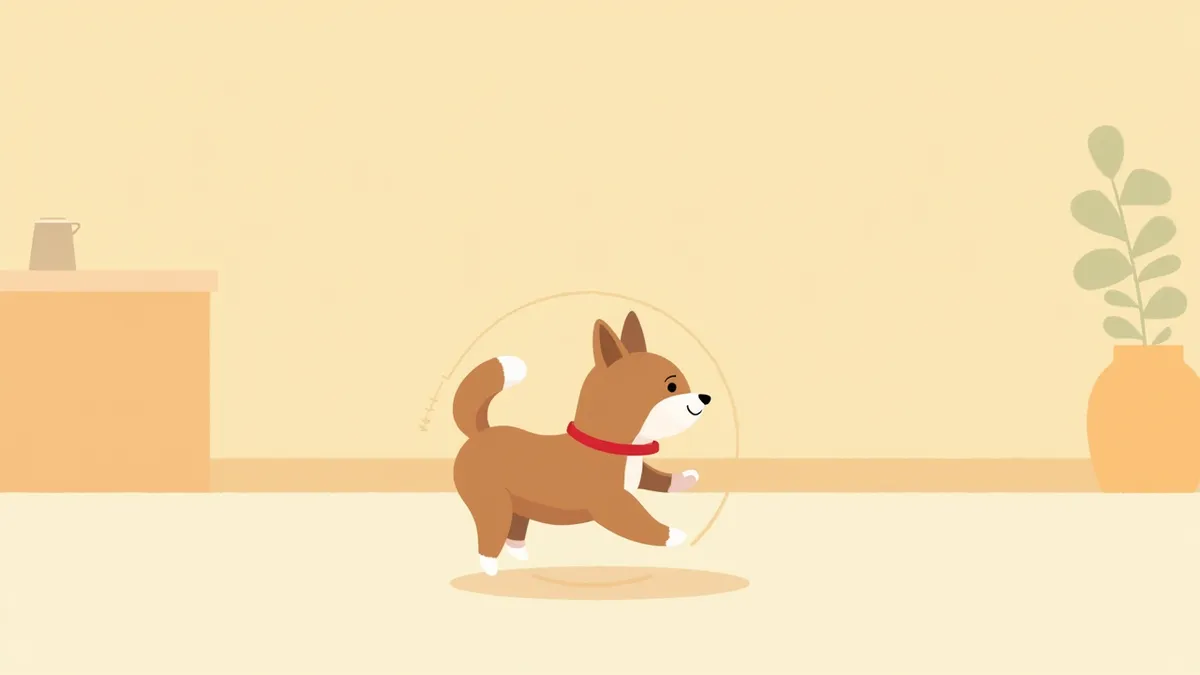
A dog spinning in circles around its spot
Canine compulsive disorders occur when normal behaviors like grooming, eating, or walking become exaggerated, ritualized, and repeated persistently without any apparent context. The most important thing to understand is that even though these actions may seem like simple habits, they are often a sign that the dog is experiencing anxiety or stress. Behaviors that might appear cute on the surface, such as tail chasing, spinning in circles, or repetitive paw licking, can actually indicate a condition requiring active intervention from a veterinary behaviorist. These behaviors tend to become more entrenched and appear in a wider variety of situations over time, so early assessment is recommended.

Which Behaviors Are Considered Compulsive Disorders?

The main types of repetitive behaviors defined in veterinary behavior textbooks are as follows:
Tail and body chasing: Continuously and repeatedly chasing one's own tail or hind legs.
Acral lick dermatitis: Relentlessly licking or chewing the tops of the feet or ankles, resulting in wounds.
Compulsive circling: Repeatedly walking in circles within a specific radius.
Air snapping: Repeatedly biting at nothing visible.
Compulsive drinking and eating: Obsessively attempting to drink water or eat food.
A puppy's paw with red, irritated skin from repeated licking

Comparison of Characteristics by Repetitive Behavior Type

ItemKey FeaturesCommon CausesUrgency
Tail chasingRapid spinning, trying to catch itAnxiety, genetic predisposition⚠️ Medium
Acral lick dermatitisRepeatedly licking and chewing the top of the foot and ankleRequires differentiation among anxiety, pain, gastrointestinal, and allergic disease⚠️ High
Deliberate circlingRepeatedly spinning within a set radiusRequires differentiation between anxiety and neurological abnormality⚠️ High
Fly-biting (biting at the air)Repeatedly attacking an invisible targetRequires differentiation between neurological and ophthalmic disease🔴 See a vet immediately
Compulsive drinkingFixation on water, excessive drinkingRequires differentiation for endocrine disease⚠️ Medium

Repetitive behaviors and neurological or endocrine diseases can have similar symptoms. A veterinarian's differential diagnosis is essential.

Why Do These Behaviors Occur? Main Causes
The causes of compulsive disorders are multifactorial. According to veterinary behavior textbooks, anxiety, stress, and a lack of environmental stimulation are common triggers.
Genetic and breed predispositions: These behaviors are frequently reported in Bull Terriers (tail chasing, spinning), German Shepherds (spinning, tail chasing), large breeds and Retrievers (acral lick dermatitis), and herding breeds (chasing lights or shadows).
Lack of environmental stimulation: Extended periods of solitude combined with insufficient exercise and play can lead to self-stimulatory behaviors.
Chronic anxiety: Underlying anxiety disorders are often present as the foundation for compulsive behaviors.
Concurrent medical causes: Skin or gastrointestinal diseases, pain, and neurological abnormalities can act as triggers for these behaviors.
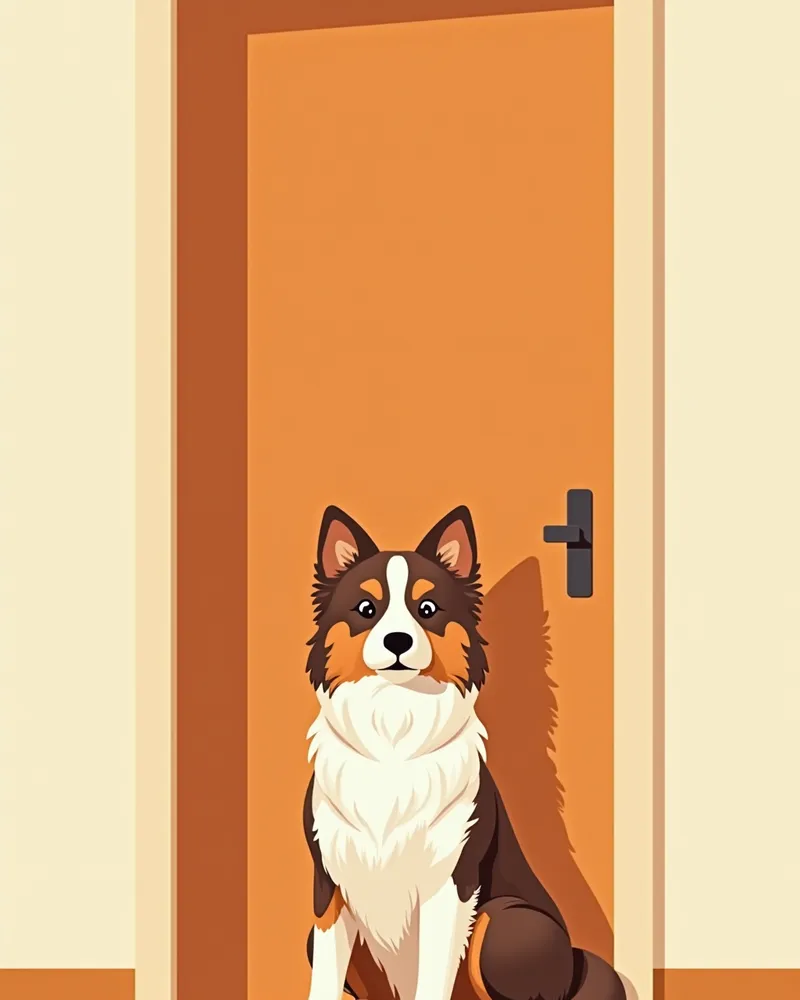
A dog who anxiously guards the door, feeling uneasy when left alone.

When to Seek Immediate Veterinary Care

If any of the following apply, the issue may not be a simple behavioral problem but rather a neurological or endocrine disorder. Prompt differential diagnosis is necessary. • Air-snapping accompanied by eye twitching or seizures • Circling in place along with falling to one side or staggering • Wounds, ulcers, or bleeding at the site of excessive licking • Sudden onset of behavior that does not stop despite reassurance and severely disrupts daily life

Management Strategies You Can Implement at Home
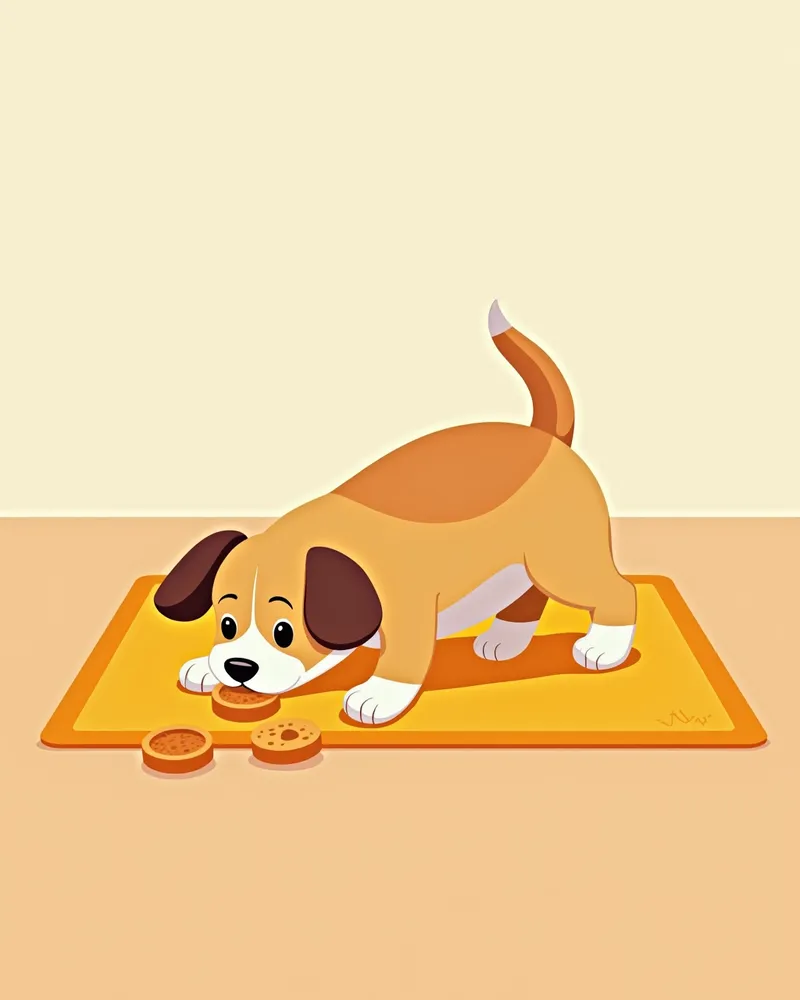
Here are some management strategies you can implement at home alongside your veterinary consultations.
Environmental Enrichment: Provide ample mental stimulation through daily exercise and nose work, such as using snuffle mats or playing hide-and-seek games.
Consistent Routine: Maintaining regular schedules for feeding, walks, and sleep can help reduce anxiety.
Behavioral Redirection Training: When repetitive behaviors begin, guide your pet toward alternative actions like “sit” or “stay,” and reward them immediately.
Reducing Time Alone: If anxiety is present, consider using a pet sitter or daycare services.
A dog searching for treats on a nosework mat

How Are They Treated at the Veterinary Clinic?

Compulsive disorders are managed with behavior modification training, and medication when necessary. Consulting a veterinary behavior specialist is the most effective approach.
Behavior modification training: Techniques such as response prevention, gradual desensitization, and systematic desensitization are employed.
Medication: Selective serotonin reuptake inhibitors (SSRIs) may be prescribed. The specific medication and dosage are determined by the veterinarian based on the pet’s weight and symptoms.
Concurrent treatment of underlying medical causes: If dermatitis, pain, or neurological abnormalities are identified, appropriate treatment for these conditions is provided alongside behavioral therapy.
Medication alone is rarely curative; environmental management and training must be implemented concurrently.

Punishment Is Strictly Prohibited

Yelling at or physically restraining a dog exhibiting repetitive behaviors can intensify their anxiety and worsen the behavior. Instead of punishment, focus on redirecting the behavior and using reward-based training.

Reviewed by a veterinarian

Dr. Tony — Punnawat Phongkittirak

Dr. Tony — Punnawat Phongkittirak

Veterinarian

A veterinarian who majored in veterinary medicine at Khon Kaen University, Thailand, and completed the IVSA program at North Carolina State University in the United States. Drawing on clinical experience at animal hospitals, he works in the pet healthcare field and is dedicated to building a digital care environment that connects pet parents with veterinarians.

Frequently Asked Questions

Is my dog just playing when it chases its tail?
Occasional, brief chasing can be a form of play. However, if the behavior persists without stopping, repeats frequently, or the dog remains unable to calm down, it may indicate a compulsive disorder. According to veterinary behavior textbooks, many dogs exhibiting such behaviors are often experiencing genuine distress and anxiety.
Do repetitive behaviors resolve on their own as pets get older?
Not at all. According to veterinary behavior textbooks, repetitive behaviors tend to become more ingrained, more intense, and appear in a wider variety of situations over time. Early intervention is crucial for prognosis, and if the symptoms are recurring or interfering with daily life, it's best to consult with a veterinarian.
Which breeds are most commonly affected?
These behaviors are commonly reported in Bull Terriers (chasing and stopping at the tail), German Shepherds (spinning and chasing the tail), large breeds and Retrievers (acral lick dermatitis), and herding breeds (chasing lights or shadows). However, they can occur in any breed. In addition to genetic predisposition, environmental factors and socialization experiences play a significant role.
Will giving medication change my dog’s personality?
Behavior-modification medications prescribed by veterinarians don’t make dogs lethargic; instead, they help reduce anxiety levels so that training is more effective. These medications do not change a dog’s personality. If you notice any adverse reactions while your dog is taking the medication, contact your veterinarian immediately.
Should I see a trainer or a veterinarian first?
I recommend starting with a veterinary check-up, as repetitive behaviors can stem from medical issues like dermatitis, pain, or neurological abnormalities. Once medical causes have been ruled out, the most effective approach is to develop a training plan in collaboration with a veterinary behaviorist or a certified behavior modification trainer.

Share

Related Guides

References

[1] Bain, M., 'Repetitive Behaviors in Companion Animals', Introduction to Animal Behavior and Veterinary Behavioral Medicine, Wiley-Blackwell, 2024

[2] Bain, M.J. and Fan, C.M. (2012). Animal behavior case of the month. J. Am. Vet. Med. Assoc. 240(6): 673–675

[3] Denerolle, P., White, S.D., Taylor, T.S., and Vandenabeele, S.I.J. (2007). Organic diseases mimicking acral lick dermatitis in six dogs. J. Am. Anim. Hosp. Assoc. 43(4): 215–220

[4] Hewson, C.J., Luescher, U.A., and Ball, R.O. (1999). The use of chance-corrected agreement to diagnose canine compulsive disorder. Can. J. Vet. Res. 63(3): 201–206

This information is based on veterinary literature and does not replace diagnosis or treatment. Please consult a veterinarian for specific health concerns.

Metapet Co., Ltd. | CEO: Park Sung-yong | Business Reg. No. 417-88-02562 | Seoul, South Korea | Customer Center

Canine Compulsive Disorder FAQ — Key Facts for Owners | Meongsiljang