Like
Share
멍실장
임산부와 반려동물 안전 가이드

Is it safe to keep pets during pregnancy? — Guidelines for preventing toxoplasmosis

ImmunityQ&AMeongsiljang Veterinary Advisory Board

We’ve compiled evidence-based veterinary guidance on the infection risks (such as toxoplasmosis) and safety precautions that pregnant women should know when living with pets.

Is it safe for pregnant women to live with pets?

A pregnant woman relaxing comfortably on the sofa with her dog and cat.
Sharing your home with a pet during pregnancy is generally safe as long as you follow basic hygiene and preventive guidelines. The key isn’t to send your pet away, but to block potential routes of infection. You can prevent zoonotic diseases like toxoplasmosis, roundworms, and fungal infections through simple daily habits. In fact, bonding with your pet can also help reduce stress during pregnancy. Below, we’ve carefully outlined the essential risks and safety guidelines you should know.

Three infections pregnant women must be most cautious about

During pregnancy, your immune system is weaker than usual, making you more susceptible to zoonotic infections. It’s important to be aware of infections that can potentially affect the fetus.
Toxoplasmosis: Spread through oocysts in cat feces or undercooked meat; infection during pregnancy can lead to congenital infections, including miscarriage or stillbirth.
Roundworm: Infection can occur when roundworm eggs from dog or cat feces are ingested via contaminated hands.
Hookworm: Larvae from soil or sand contaminated with feces can penetrate the skin, causing cutaneous larva migrans; avoiding barefoot or barehand contact is essential.
Ringworm: A fungal skin infection transmitted through contact with infected skin or fur.
Most of these infections spread not through direct pet contact, but via feces, contaminated soil, or hands. By blocking these transmission routes, you can significantly reduce the risk.

At-a-glance comparison of infections to watch for during pregnancy

ItemToxoplasmaRoundworm/HookwormDermatophytes (Ringworm)
Main animalsCats (especially outdoor cats)Dogs and catsDogs and cats
Transmission routeCat feces (oocysts), contaminated soil, undercooked meatRoundworm: feces→hand→mouth; hookworm: skin penetration by larvae in soilDirect contact with skin or fur
Effect on fetusRisk of congenital infection such as miscarriage or stillbirthRareAlmost none
Prevention difficultyEasy (daily litter box management)Easy (hand washing, caution with bare feet on soil)Easy (skin care)

Indoor cats that eat only commercial food and do no outdoor hunting or raw-meat consumption tend to have a low risk of shedding Toxoplasma oocysts.

Toxoplasmosis: Do you really need to avoid cats?

To put it simply, cats that live indoors and eat only commercial cat food have a low risk of transmitting toxoplasmosis. Cats typically become infected for the first time by consuming tissue cysts in raw meat or prey, and they shed infectious oocysts in their feces only for a limited period shortly after infection, after which shedding gradually stops. Moreover, shed oocysts require at least 24 hours to become infectious. In other words, cleaning the litter box daily (within 24 hours) significantly reduces the risk of infection. The real concerns are undercooked meat and soil containing cysts. Cats that eat only commercial food or cooked meals and do not go outdoors or hunt are known to have a low likelihood of shedding Toxoplasma. Therefore, proper dietary management and daily litter box cleaning are sufficient to substantially reduce the risk.
A person wearing gloves cleaning a cat’s litter box every day.

Behaviors pregnant women must strictly avoid

The following behaviors can significantly increase the risk of infection and should be strictly avoided during pregnancy: - Cleaning the cat litter box with bare hands - Tasting raw or undercooked meat - Touching garden soil or sand with bare hands - Eating without washing hands after going out - Administering medication to a sick pet without veterinary consultation It is best to ask a family member to handle litter box cleaning. If you must do it yourself, always wear gloves and a mask, and wash your hands immediately afterward.

Preparations to make during the pregnancy planning stage
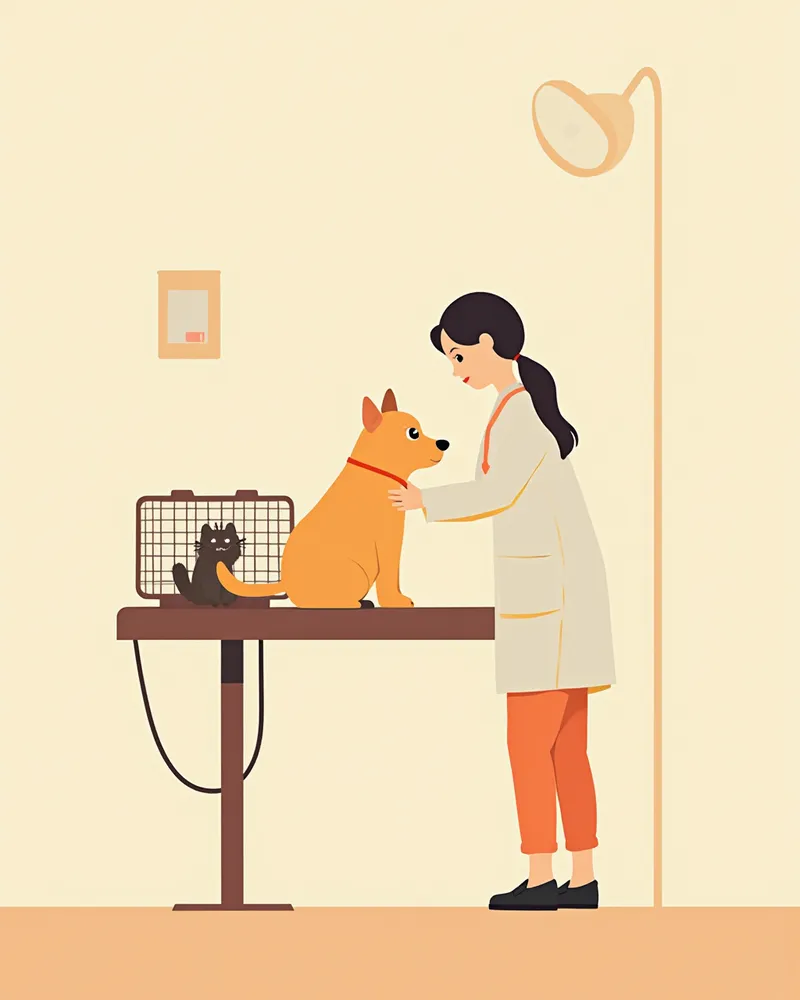
If you’re planning for pregnancy, it’s a good idea to have your pet’s health checked first. The more you prepare before giving birth, the less anxiety you’ll feel during pregnancy.
Comprehensive health checkup: Check for parasites with a fecal test
Keep vaccinations up to date: Update rabies and combination vaccines
External parasite prevention: Administer heartworm and tick medication once a month
Confirm spay/neuter status: Reduce aggression and stress during heat cycles
Nail and dental care: Prevent scratches and bites
Getting checked by both an OB/GYN and a veterinarian will give you even more peace of mind.
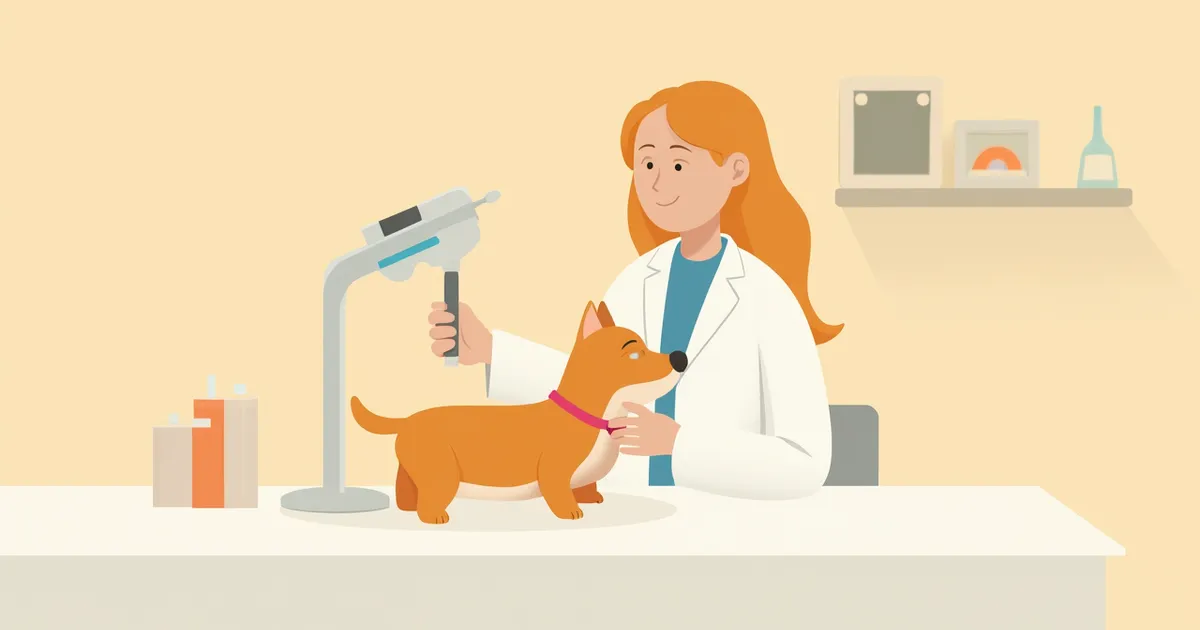
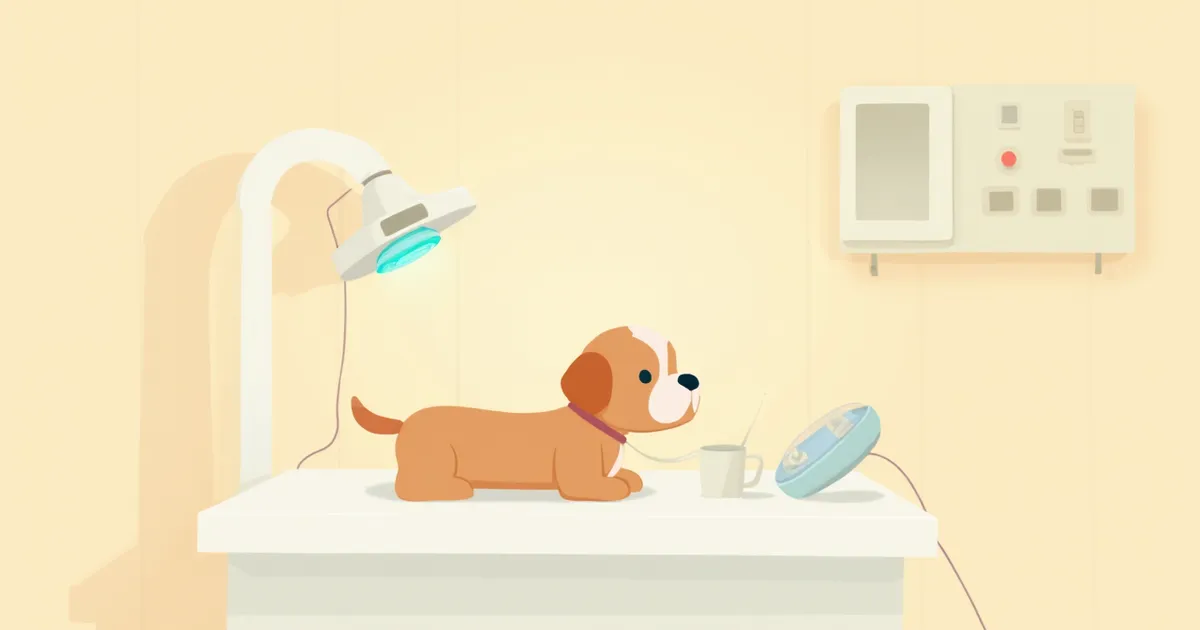
A veterinarian conducting a health checkup for a puppy.

Daily habits for safely living with pets during pregnancy

You can significantly reduce risks by simply adjusting a few daily habits.
Daily litter box cleaning: Remove feces within 24 hours (ideally, have a family member handle this task)
Make handwashing a habit: Wash for at least 30 seconds after handling pets or working in the garden
Food hygiene: Cook meat thoroughly and wash fruits and vegetables carefully
Keep pets out of the bedroom: This helps reduce instances of them jumping onto your belly or licking your face
Manage stress: Pets are sensitive to changes, so maintain regular walks and playtime
Your well-being is closely connected to your pet’s sense of security.

Consult a vet if you notice these symptoms

If you notice any of the following signs while living with your pet during pregnancy, consult both your OB-GYN and your veterinarian. - Unexplained fever, muscle pain, or swollen lymph nodes (in the pregnant person) - Circular red spots or hair loss on the skin (in the pregnant person or the pet) - Sudden, repeated diarrhea or vomiting in the pet - Parasites or blood visible in the pet’s feces - Deep wounds from scratches or bites Seeking professional evaluation is the fastest and safest approach, rather than relying on self-assessment.

How to introduce your pet to your newborn baby

The key to the first meeting between your newborn and your pet is to take it slow. Bring home the baby blanket or swaddle used at the hospital first, so your pet can get used to the scent. Keep the initial introduction brief, with your pet in a calm state and you present. Never leave the baby and pet alone together, and keep the baby’s feeding area separate from the pet’s space. To prevent stress-related behavioral issues, be sure to maintain your pet’s regular walks and playtime.
A puppy and a kitten quietly watching from beside the baby’s crib.

Reviewed by a veterinarian

Dr. Tony — Punnawat Phongkittirak

Dr. Tony — Punnawat Phongkittirak

Veterinarian

A veterinarian who majored in veterinary medicine at Khon Kaen University, Thailand, and completed the IVSA program at North Carolina State University in the United States. Drawing on clinical experience at animal hospitals, he works in the pet healthcare field and is dedicated to building a digital care environment that connects pet parents with veterinarians.

Frequently Asked Questions

Do I really have to rehome my cat when I get pregnant?
Not at all. Most cats raised indoors are safe to keep. If you clean the litter box daily, avoid contact with raw meat and soil, and wash your hands thoroughly, you can comfortably live together. In fact, sudden separation can cause significant stress for both the pet and the pregnant owner.
Can pregnant women also get tested for toxoplasmosis?
Yes, the veterinary obstetrics team can check for past infections through blood tests. If your pet has been infected before, it will have developed immunity, so there’s little to no risk to the fetus. We recommend having this test done once during early pregnancy.
Is it safe for a pregnant woman to walk her dog herself?
It’s possible until the belly becomes significantly enlarged. However, since dogs that suddenly pull on the leash or jump are at risk of falling, we recommend using a harness and a short leash, and in the later stages, we advise having a family member take them for walks instead.
Should vaccinations and deworming be administered during pregnancy?
Yes, it’s actually even more important. Parasitic infections in pets can pose a risk of transmission to pregnant women. Please maintain monthly heartworm and intestinal parasite prevention, as well as regular comprehensive vaccinations.
What should you do if your cat scratches or bites you?
Wash the wound immediately with soap and running water for at least five minutes, disinfect it, and then consult a veterinarian in the obstetrics or internal medicine department. Although infections such as cat scratch disease (Bartonella) are rare, pregnant women should take extra precautions.

Share

Related Guides

References

[1] The Cat, Clinical Medicine and Management, 2nd Edition — Chapter on Feline Zoonoses and Pregnancy

[2] Feline Emergency and Critical Care Medicine, 2nd Edition — Reproductive and Perinatal Care

[3] CDC, Toxoplasmosis and Pregnancy Prevention Guidelines, 2023

[4] 미국수의사회(AVMA), Pets and Pregnancy Owner Guide

This information is based on veterinary literature and does not replace diagnosis or treatment. Please consult a veterinarian for specific health concerns.

Metapet Co., Ltd. | CEO: Park Sung-yong | Business Reg. No. 417-88-02562 | Seoul, South Korea | Customer Center

Keeping Pets During Pregnancy: Toxoplasmosis Prevention Guide | Meongsiljang