Like
Share
멍실장
펫 임상시험 참여 가이드

Is it okay to participate in veterinary clinical trials? — Key points to carefully consider regarding procedures and risks

ImmunityQ&AMeongsiljang Veterinary Advisory Board

We’ll explain everything pet owners need to know about participating in veterinary clinical trials, including what they are, how to apply, and what to look out for.

What is participating in a veterinary clinical trial?

A beagle puppy receiving clinical trial consultation
Participating in a veterinary clinical trial means your pet volunteers in an official study to verify the efficacy and safety of new treatments, medications, or diagnostic devices. The key point is that this is a "treatment opportunity," not merely being an "experimental subject." Most veterinary clinical trials are at the stage of applying candidate therapies that have already passed basic safety tests to actual patients, offering a new option for pets who haven't responded well to existing treatments. You can withdraw your pet from the trial at any time.

What types of clinical trials are there?

Veterinary clinical trials generally fall into three main categories. New drug efficacy trials evaluate the effectiveness of novel medications, such as anticancer and immunotherapeutic agents. Medical device trials assess the safety of surgical instruments and diagnostic equipment. Observational studies involve documenting the natural progression of specific diseases in pets without any therapeutic intervention. In the fields of immunology and oncology, tumor diseases that are commonly treated with established anticancer protocols, such as lymphoma, often become the primary focus of new treatment research. Immune-related conditions, including atopy and chronic inflammatory diseases, are also frequently studied. However, the extent of ongoing research in any given area varies depending on the time and the institution. If you have a specific condition of interest, it is best to contact the relevant research organization directly to confirm whether studies are currently underway.

Comparison of clinical trial stages

ItemPhase I TrialPhase II TrialPhase III Trial
Primary objectiveConfirm safety & dosageExplore efficacyVerify efficacy at large scale
Enrollment sizeSmall (varies by study)Medium (varies by study)Large (varies by study)
Control groupNoneOptionalRequired (placebo/standard treatment)
Risk levelRelatively highModerateLow
Guardian burdenFrequent testsRegular follow-upSimilar to routine care

As phases advance, safety data accumulate and predictability increases (specific enrollment sizes vary by study design)

How to apply for participation

There are three main ways to apply. You can check the clinical trial announcement boards at university-affiliated veterinary hospitals (such as those affiliated with Seoul National University, Konkuk University, and Chungnam National University’s Colleges of Veterinary Medicine), recruitment notices from research teams at large secondary-care veterinary hospitals, and pet clinical trial recruitment pages hosted by pharmaceutical and biotech companies. When applying, you’ll need to have your pet’s age, weight, medical history, and a list of any current medications ready. In most cases, your pet must pass an initial screening (including blood tests and imaging) before being enrolled in the main study.
A pet owner filling out a clinical trial application form at a veterinary clinic

Matters to check before participating

Carefully read the informed consent form to ensure it clearly outlines potential side effects, alternative treatment options, your right to withdraw at any time, who bears the costs, and emergency response procedures. Also, verify that the study is officially approved by an Institutional Animal Care and Use Committee (IACUC) and includes an approval number. For your safety, avoid participating in any studies lacking an approval number or providing an inadequate consent form.

What are the advantages and risks of participation?

- Advantages: You can access cutting-edge treatments at a lower cost than standard veterinary care, or sometimes even for free. Additionally, comprehensive diagnostic tests are often included as part of the research expenses. This can offer a new hope for pets with refractory conditions that have not responded to standard treatments. - Risks: There is a possibility of unexpected side effects, the chance of being assigned to the placebo group, and stress for your pet due to frequent hospital visits. Veterinary internal medicine textbooks emphasize that owners should fully understand the balance of pros and cons before making a decision.
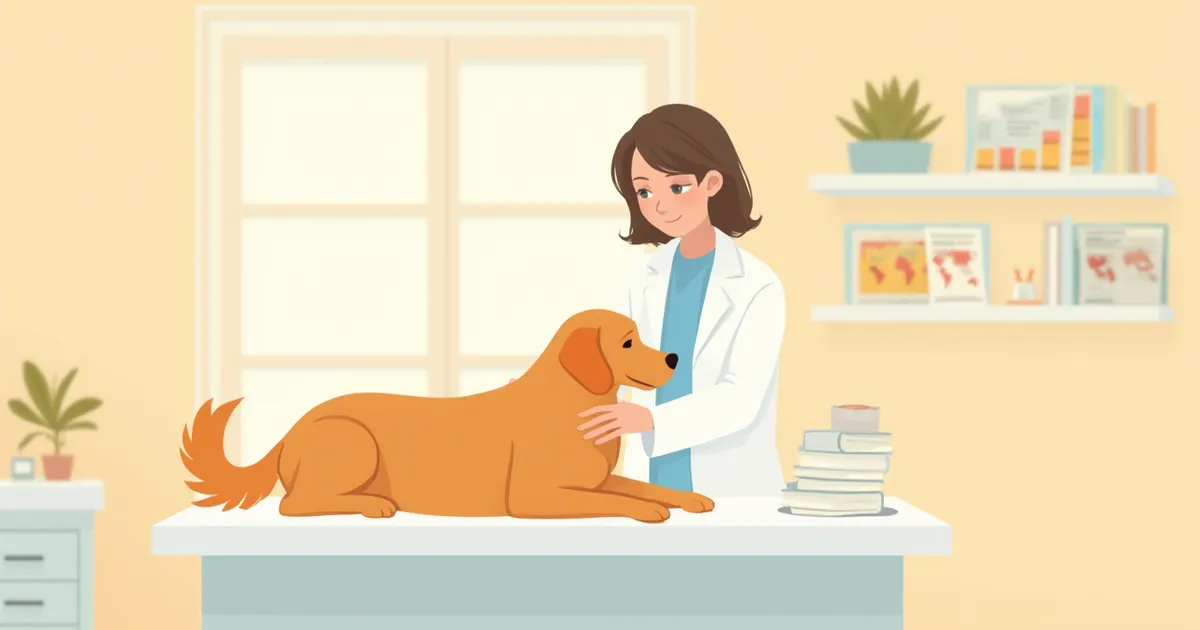
A veterinarian explaining the details of a clinical trial to the pet owner

What owners must do during participation

During the study period, you must diligently complete the medication log, dietary records, and symptom change notes as requested by the research team. Please strictly adhere to your scheduled clinic visits, and contact the research team immediately if you notice any unusual symptoms, such as vomiting, diarrhea, decreased appetite, or behavioral changes. You must also consult with your assigned veterinarian before starting any medications or supplements not part of the study. Unauthorized use can not only skew the data but also compromise your pet’s safety.

Withdrawal is possible at any time

You can withdraw your pet from a clinical trial at any time, for any reason, without legal or ethical repercussions. You are not required to provide a detailed explanation for your decision, and it will not affect the quality of your pet’s ongoing veterinary care. If your pet appears uncomfortable or shows unexpected reactions, please inform the research team immediately about your wish to withdraw. Even after withdrawal, follow-up examinations are recommended to monitor for any potential side effects.

Reviewed by a veterinarian

Dr. Tony — Punnawat Phongkittirak

Dr. Tony — Punnawat Phongkittirak

Veterinarian

A veterinarian who majored in veterinary medicine at Khon Kaen University, Thailand, and completed the IVSA program at North Carolina State University in the United States. Drawing on clinical experience at animal hospitals, he works in the pet healthcare field and is dedicated to building a digital care environment that connects pet parents with veterinarians.

Frequently Asked Questions

Does participating in a clinical trial mean treatment costs are covered for free?
It varies depending on the study. In clinical trials for new drugs, the sponsor often covers the cost of the investigational medication and related diagnostic tests, but you may still be responsible for standard veterinary care and emergency treatment fees. The consent form clearly outlines all potential costs, so please review it carefully before signing.
Could my pet receive a placebo shot?
Phase 3 trials may include a placebo group for comparison with the control group. However, for life-threatening conditions, it is common to use existing standard treatments as the control instead of a placebo. The allocation method can be explained in advance.
What should I do if my pet’s condition worsens during the program?
Our research team has emergency protocols in place for immediate intervention. If serious side effects are suspected, the trial will be halted and standard treatment initiated, with related costs potentially covered by research insurance.
Can senior dogs and cats participate too?
It depends on the specific criteria of the study. While some trials exclude senior pets, research focused on age-related conditions—such as arthritis, kidney disease, and tumors—often includes older animals. Suitability is determined during the screening phase.
Will having a participation history be recorded and negatively affect future insurance?
Most domestic pet insurance policies in Korea do not separately track clinical trial histories. However, you are still required to disclose any pre-existing conditions before enrolling, so be sure to accurately inform the insurer of any diagnoses used in the trial.

Share

Related Guides

References

[1] Maddison JE, Page SW, Church DB, Small Animal Clinical Pharmacology, 2nd Edition, Chapter 1: Principles of Clinical Pharmacology, 2008

[2] Withrow SJ, Vail DM, Page RL, Withrow and MacEwen's Small Animal Clinical Oncology, 5th Edition, Chapter: Clinical Trials in Veterinary Oncology, 2013

[3] AVMA, Principles of Veterinary Medical Ethics — Research and Clinical Trials Guidelines

This information is based on veterinary literature and does not replace diagnosis or treatment. Please consult a veterinarian for specific health concerns.

Metapet Co., Ltd. | CEO: Park Sung-yong | Business Reg. No. 417-88-02562 | Seoul, South Korea | Customer Center

Should Your Pet Join a Veterinary Clinical Trial? | Meongsiljang