Like
Share
멍실장
고양이 입양 전 준비 완벽 가이드

The Ultimate Guide to Preparing for Cat Adoption

ImmunityQ&AMeongsiljang Veterinary Advisory Board

If you’re preparing to adopt a cat, we’ve outlined the essential steps you need to know—from setting up their environment and scheduling a health checkup to managing their adjustment period.

What Preparations Are Needed for Cat Adoption?

Preparing a cozy bed and toys for your new kitten
Preparing to adopt a cat involves setting up a safe living environment, gathering essential supplies, and allowing time for adjustment. Cats are sensitive to changes in their surroundings, so moving into a new home can be highly stressful for them. With proper preparation, both you and your new feline companion can enjoy a much more comfortable first meeting. Whether you’re adopting your first cat or planning a multi-cat household, following this guide will help you prepare with confidence.

Things to Check Before Adopting

Before bringing a cat home, take a moment to review a few practical considerations.
Family Agreement: Everyone living in the household must agree to adopting a cat. If you have young children, teach them in advance how to interact safely with the cat.
Allergy Check: Be sure to confirm whether anyone in the family has cat allergies. Discovering an allergy after adoption can be difficult for both the cat and the family.
Time and Costs: Expect ongoing monthly expenses for food, litter, regular health check-ups, and vaccinations. Also, set aside time each day for regular play to support your cat’s physical and mental well-being.
Living Environment: An ideal home provides spaces where the cat can hide and opportunities for vertical movement.

Pros and Cons of Different Adoption Paths

There are three main ways to bring a cat into your home. Each option has its own pros and cons, so choose the one that best fits your situation.
OptionShelters & Rescue GroupsBreedersFriends & Family
CostFree to $70$400 to $1,000+Mostly free
Health InformationBasic health check completedGenetic disease testing availableLimited
Socialization LevelVaries by individualRelatively goodVaries
FeaturesProvides rescue opportunity + already spayed/neuteredSpecific breeds availableEasier to assess personality

Essential Supplies Checklist

Please prepare the following items in advance before adoption day.
Litter box and litter: Ideally, provide multiple litter boxes placed in separate, distinct locations according to the number of cats. We recommend using low-dust clumping litter.
Food and water bowls: Prepare age-appropriate food along with wide, shallow bowls. Place the water bowl far away from the litter box.
Carrier: A carrier is essential for vet visits and transportation. Please transport your cat in the carrier on adoption day as well.
Scratching post and cat tree: These are necessary for claw maintenance and vertical exercise.
Safe space: For the first few days, it’s best to designate a small room as a dedicated safe space. Include a box where your cat can hide.
A tidy arrangement of essential cat items, including a litter box, food bowl, carrier, and scratching post.

A Veterinary Checkup Is Essential Right After Adoption

Please have your newly adopted pet undergo a basic health checkup at a veterinary clinic as soon as possible. This should include deworming, verifying vaccination history, and confirming the status of core vaccines such as FVRCP (feline viral rhinotracheitis, calicivirus, and panleukopenia). For pets from shelters, environmental changes can cause stress that may compromise their immune system, making a comprehensive exam—including screening for potential infections—especially important. Early detection of health issues allows for quicker treatment and helps reduce overall costs.

From First Meeting to Adjustment: Do This
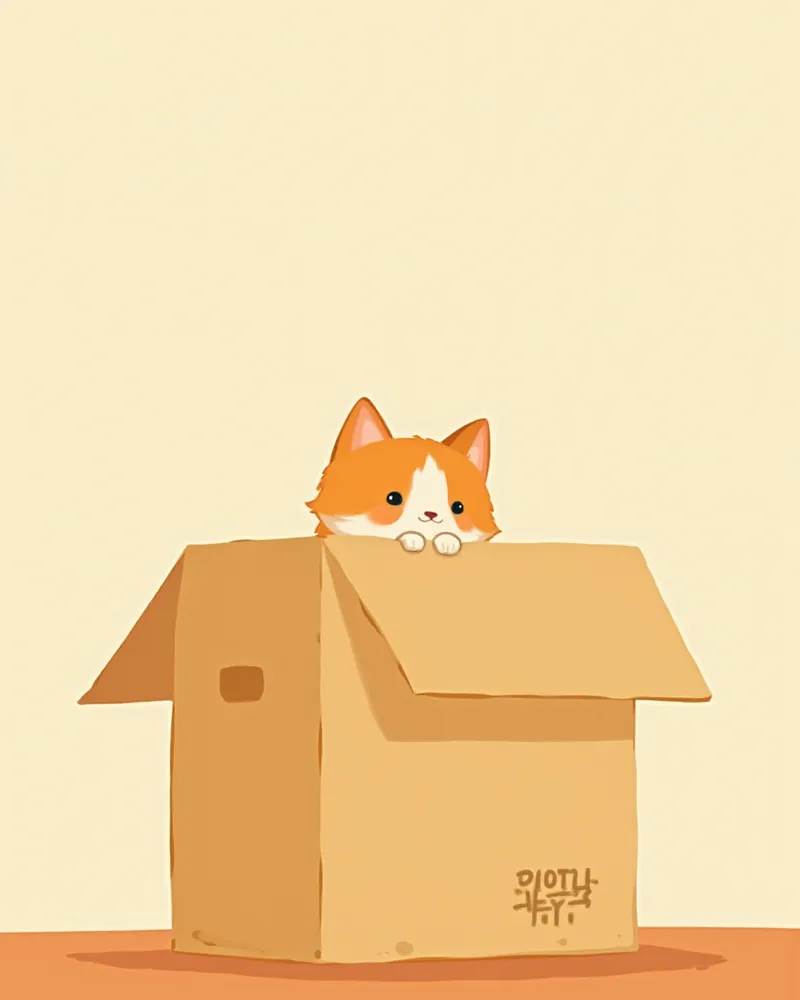
Every cat is different when it comes to adjusting to a new home, so patience and plenty of time are essential. According to veterinary behavior textbooks, cats are territorial animals and can experience significant stress in unfamiliar environments.
Initial Stage: Keep your cat in a quiet, dedicated room. Avoid forcing interaction by picking them up or touching them. Provide only the litter box, water, and food, and wait for your cat to approach you on their own terms.
Exploration Stage: Open the door to allow your cat to gradually explore the rest of the house. Sitting on the floor in a low posture can help reduce their wariness.
Adaptation Complete Stage: When your cat starts approaching you voluntarily and exploring the house freely, it’s a sign that they’ve adjusted well. Build your bond by gradually increasing playtime.
A cat hiding behind a box in a quiet room, cautiously peeking out.

If You Have an Existing Pet? How to Introduce Them

If you already have a pet at home, the introduction process is crucial. Veterinary behavior textbooks note that cats are territorial animals with selective social tendencies, so sudden introductions can lead to conflict.
Step 1 — Complete Separation: The new cat should live in a separate room for an adequate period. Exchange towels that have absorbed each cat’s scent.
Step 2 — Scent Swapping: Allow the cats to explore each other’s spaces and offer treats through the crack under the door.
Step 3 — Visual Contact: Use a slightly open door or a baby gate so the cats can see each other. Repeat this until signs of aggression, such as snapping, decrease.
Step 4 — Face-to-Face Meeting: Start with short sessions and gradually increase the time they spend together.
Two cats cautiously eyeing each other through the safety gate in the hallway

These Behaviors Are Signs of Adjustment Stress

When a cat arrives in a new environment, it may refuse to eat, avoid using the litter box, or hide all day as a stress response. However, if food refusal persists, diarrhea or vomiting recurs, or excessive grooming leads to hair loss, you should visit a veterinary clinic promptly. Severe stress can suppress the immune system, allowing latent diseases to manifest.

Reviewed by a veterinarian

Dr. Tony — Punnawat Phongkittirak

Dr. Tony — Punnawat Phongkittirak

Veterinarian

A veterinarian who majored in veterinary medicine at Khon Kaen University, Thailand, and completed the IVSA program at North Carolina State University in the United States. Drawing on clinical experience at animal hospitals, he works in the pet healthcare field and is dedicated to building a digital care environment that connects pet parents with veterinarians.

Frequently Asked Questions

Is there an ideal age for adopting a cat?
While textbooks don’t specify a single ideal age for adoption, it’s important for kittens to spend sufficient time with their mother and littermates to undergo proper socialization. In shelters, socializing kittens requires balancing this process with infection control. Shelter cats can be adopted at any age, and adult cats, whose personalities are already established, offer the advantage of being easier to match with your household using the shelter’s personality assessment tools.
My cat isn’t eating on the first day after adoption. Is this normal?
It’s common for pets to eat less or refuse food in the first few days due to stress and anxiety from adjusting to a new environment. Place their food and water in a quiet area, but don’t force them to eat. However, if they continue to refuse food, please visit a veterinarian as soon as possible.
How much does it cost to adopt a cat?
Adopting from a shelter typically costs between free and $70. In the first month after adoption, you can expect to spend around $100 to $300 on an initial health checkup, vaccinations, and essential supplies. After that, budget approximately $40 to $70 per month for food and litter.
I live alone. Can I still have a cat?
Cats are independent and can thrive in single-person households. However, it’s important to provide daily playtime for physical and mental stimulation, and if you’ll be away for long periods, set up an automatic feeder and ensure there’s plenty of fresh water. If your cat tends to get lonely, consider adopting a second cat for companionship.
Do shelter cats tend to have more health problems?
Many shelter dogs have already undergone basic health screenings and spaying or neutering. However, stress-induced immune suppression can reactivate latent infections, so it’s important to have your new pet receive a comprehensive veterinary check-up shortly after adoption.

Share

Related Guides

References

[1] Landsberg, G., Hunthausen, W., Ackerman, L. Veterinary Guide to Preventing Behavior Problems in Dogs and Cats, Chapter 9–10: Shelter Dog and Cat Behavior and Adoption

This information is based on veterinary literature and does not replace diagnosis or treatment. Please consult a veterinarian for specific health concerns.

Metapet Co., Ltd. | CEO: Park Sung-yong | Business Reg. No. 417-88-02562 | Seoul, South Korea | Customer Center

The Ultimate Guide to Preparing for Cat Adoption | Meongsiljang