
My Dog Growls and Guards Its Toys — Is Resource Guarding Normal?
While a dog guarding its toys can be an instinctive response, excessive guarding can lead to problems. Here’s a summary of the key causes and solutions that owners should know.
What Is Toy Resource Guarding Behavior in Dogs?
Why Do Dogs Guard Their Toys?
4 Key Signs of Toy Guarding Behavior

Step-by-Step Methods to Correct Toy Guarding Behavior
When to Seek Immediate Professional Help
If your dog shows biting or aggressive behavior when guarding a toy, seek immediate help from a veterinarian or a behavior specialist. Additionally, if your dog is excessively possessive of food or objects, it could be due to an underlying health issue such as gastrointestinal problems or pain, so it’s a good idea to have a professional check their health first. Resource guarding can lead to bite incidents, making early intervention crucial.
Tips for Choosing and Managing Toys
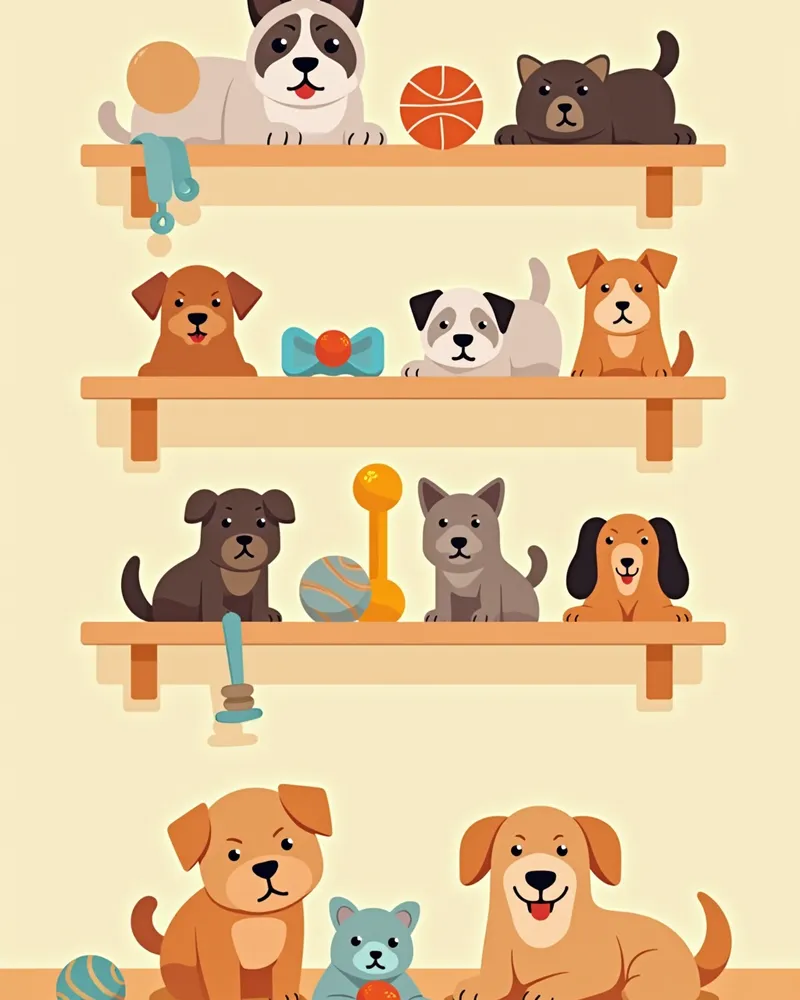
4 Practical Tips to Prevent Toy Guarding Behavior
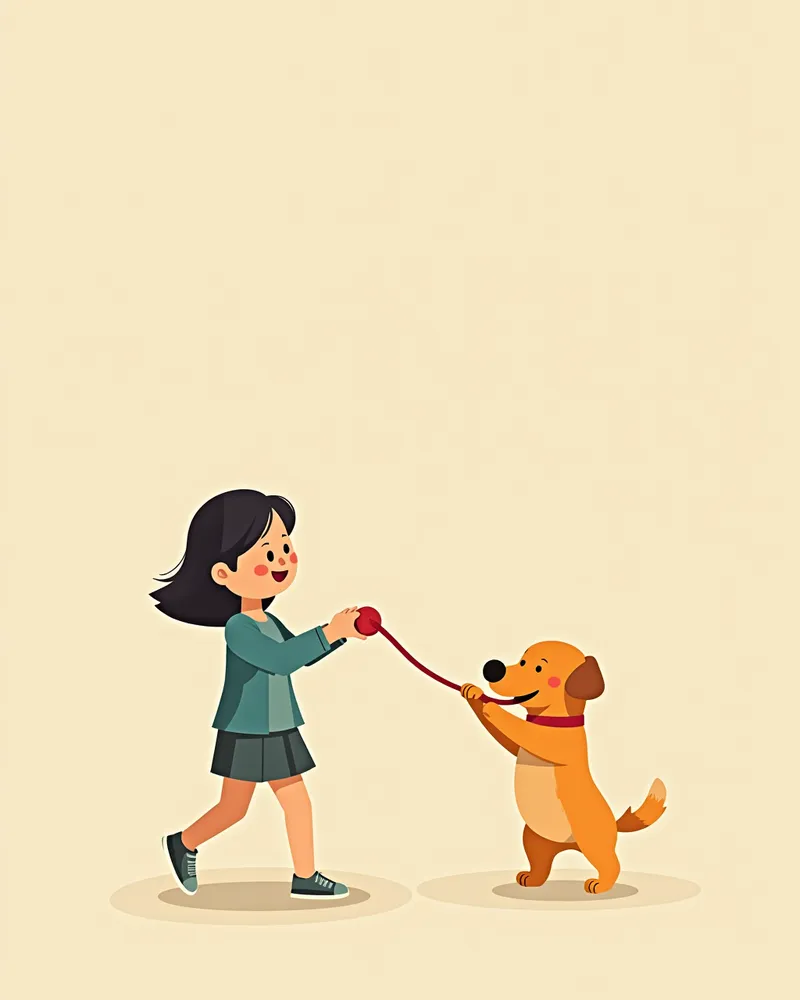
Comparison Table of Responses to Toy Guarding Behavior
| Item | Effectiveness | Difficulty to Start | Recommended Frequency |
|---|---|---|---|
| Replacement training | High | Low | Daily |
| Limiting the number of toys | Medium | Low | Once a week |
| Collecting immediately after use | Medium | Low | Daily |
| Professional consultation | Very high | High | As needed |
Replacement training is the most effective, and consistent practice is key.
Reviewed by a veterinarian

Dr. Tony — Punnawat Phongkittirak
VeterinarianA veterinarian who majored in veterinary medicine at Khon Kaen University, Thailand, and completed the IVSA program at North Carolina State University in the United States. Drawing on clinical experience at animal hospitals, he works in the pet healthcare field and is dedicated to building a digital care environment that connects pet parents with veterinarians.
Reviewed 2026-06-01
Frequently Asked Questions
My puppy bites when I take away his toys. What should I do?
What should I do if my pet won’t let go of a toy?
Can giving too many toys worsen possessive behavior?
Can toy-guarding behavior be corrected through training?
Will my puppy get sad if I don’t give him a toy?
Share
Related Guides
7 Behavioral Enrichment Strategies for Mental Stimulation Recommended by Veterinarians
Top 5 Calming Supplements for Dogs and Cats in 2026
L-Theanine Effects and Calming Support
How to Choose a Cat Litter Box? — A Guide to Size, Litter, and Location
Why Are Your Pet Photos Blurry? — 10 Essential Tips for Great Pet Photos
Why Is My Rescue Dog So Anxious? — Care and Recovery Stages for Abandonment Trauma
Checklist of Essential Questions for Shelter Adoption Interviews
Why Do Cats Wake You Up at Dawn? — Causes and Routine Correction Methods
Correcting Your Dog's Barking at Visitors
My Dog Keeps Chasing Its Tail — Is It Just Play or a Compulsive Behavior?
References
[1] Houpt, K. A. (2021). Introduction to Animal Behavior and Veterinary Behavioral Medicine. Wiley-Blackwell.
[2] Overall, K. L. (2020). Clinical Behavioral Medicine for Small Animals. Elsevier.
[3] American Veterinary Medical Association. (2022). Preventing Behavior Problems in Dogs: A Guide for Pet Owners. AVMA Publications.