Like
Share
멍실장
강아지 보디랭귀지 완벽 해독

The Complete Guide to Decoding Dog Body Language

Brain & CognitionQ&AMeongsiljang Veterinary Advisory Board

A dog’s body language is a nonverbal way of expressing emotions through its tail, ears, eyes, posture, and mouth shape. Here’s a quick guide to the key signals and warning signs to watch for.

What Is Dog Body Language?
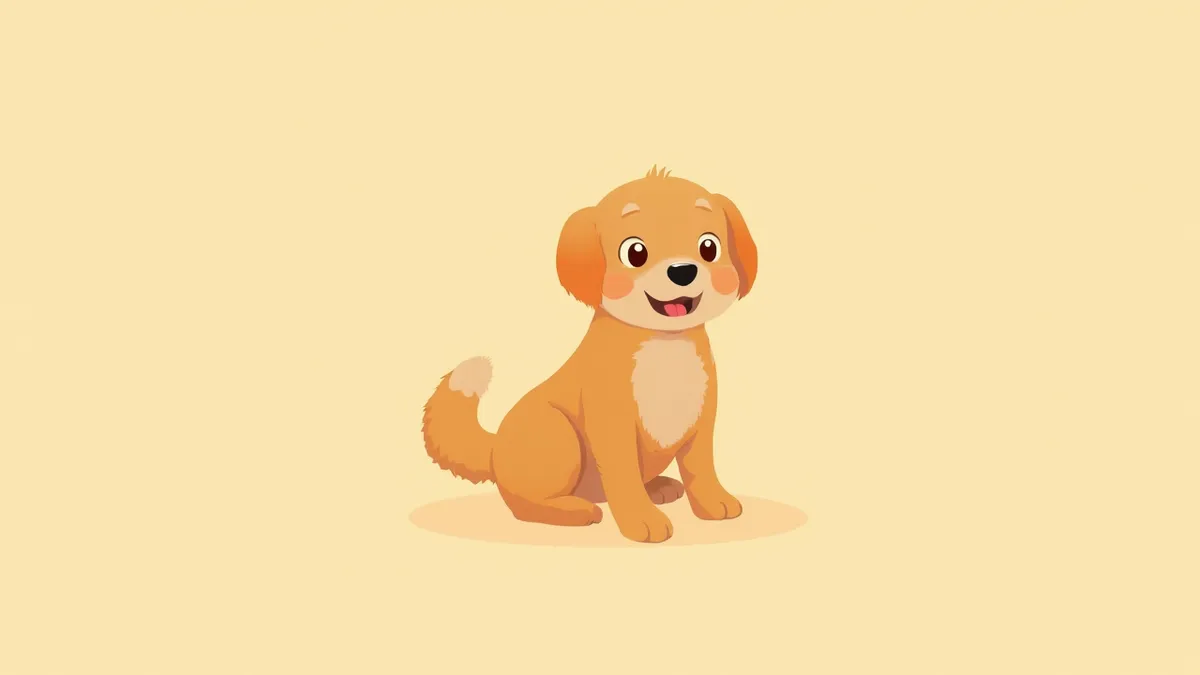
A Golden Retriever gazing at the camera with a calm and relaxed expression
A dog’s body language is a nonverbal communication system that conveys emotions and intentions through the movement of its tail, ears, eyes, mouth, posture, and fur. The most important thing is to interpret the whole picture rather than focusing on just one body part. A wagging tail doesn’t always mean the dog is happy; you need to consider ear position, mouth shape, and overall body tension to accurately gauge its feelings. Misreading these signals can lead to bite incidents, so it’s essential to understand the meaning behind each body part’s cues.

Reading Emotions Through the Tail — Height and Speed Are Key

The tail is often the most misunderstood part of a dog’s body. Not every wag means a happy greeting. The key lies in the height, speed, and tension of the tail. - Mid-level height with a gentle wag: Indicates comfort and friendliness. - Held high and wagging rapidly or trembling: May signal arousal, alertness, or excitement. - Tucked under the belly or between the hind legs: Shows fear or submission (a frightened dog will lower its body close to the ground, flatten its ears back, and tuck its tail). - Tail stiff while the entire body is rigid: Indicates tension and alertness (a dog that is anxious yet confident may lean forward, raise the hair along its spine, and hold its tail high to appear larger). - Tail stops wagging when petted: May signal increased tension and a shift into a "freeze" state. It’s important not to interpret tail signals in isolation. Always consider the ears, eyes, mouth, and overall body posture together for an accurate assessment.

Reading Emotions Through the Ears, Eyes, and Mouth
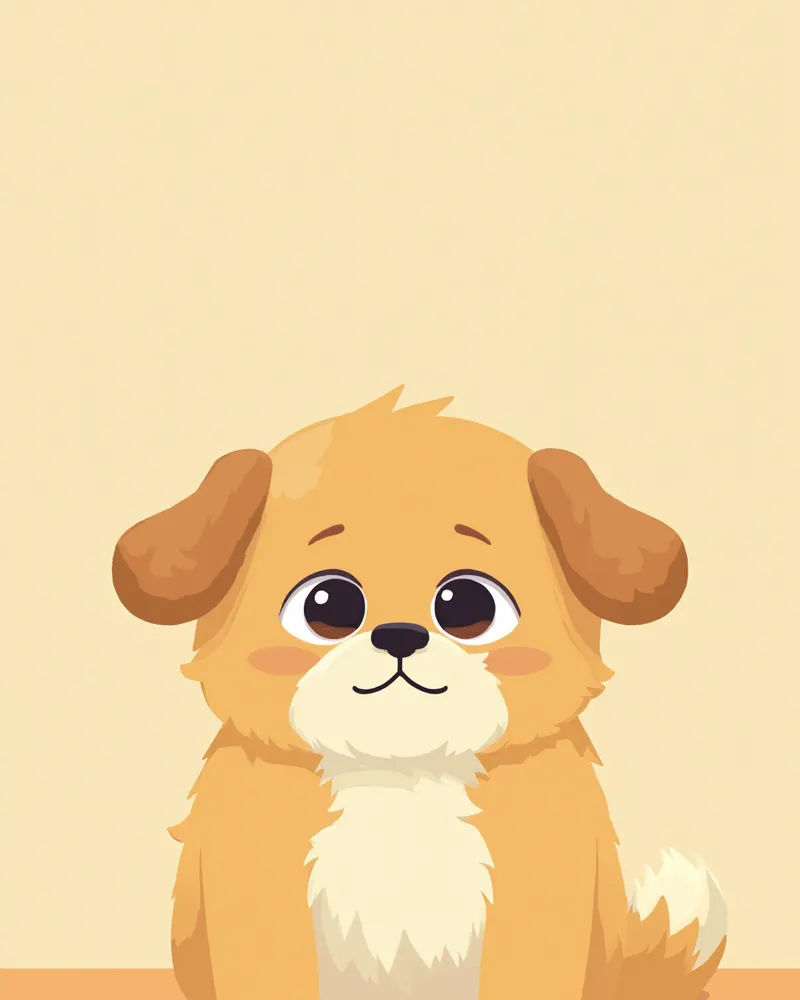
A dog’s face reveals its emotions more quickly than its tail. - Ears in a relaxed, natural position: Calm and at ease - Ears perked forward: Curious and focused - Ears flattened back against the head: Fearful or anxious - Soft eyes with slightly drooping corners: Trusting and comfortable - Whale eye (visible white of the eye in a crescent shape): Stress or alertness - Mouth slightly open with tongue lolling: Relaxed, “smiling” expression - Lips pulled back toward the corners of the mouth, teeth exposed: Warning sign, possibly preceding aggression
A nervous dog showing the whites of its eyes and pinning its ears back

Body Language by Situation at a Glance

ItemComfortableWary/AnxiousAbout to Attack
TailMid-height, relaxedHeld high, wagging fastStiff, held horizontal
EarsNatural positionPinned backPricked sharply forward
EyesSoft gazeWhale eye (whites showing)Staring, dilated pupils
MouthSlightly open, relaxedClosed and tenseLips pulled back, teeth bared
PostureWeight evenly balancedBody lowered, backing awayLeaning forward, hackles raised

You need to check multiple signals at the same time to be accurate

If You See These Signals Simultaneously, Keep Your Distance Immediately

If two or more of the following signs appear simultaneously, it serves as a warning that the dog may bite soon. Do not approach or touch the dog; instead, back away slowly. - Low growling - Lip curling, exposing teeth and gums - A stiff, rigid posture with raised hackles (along the back and neck) - An intense, fixed stare - A tail held high and wagging rapidly In households with children, it is essential to teach them to recognize these signals.

5 Commonly Misunderstood Calming Signals

“Calming signals” are cues dogs use to lower their own stress or to soothe others. Many owners mistakenly interpret these behaviors as playfulness or affection. - Yawning: Often a sign of tension release, not tiredness. - Licking lips: Usually expresses anxiety or discomfort, not anticipation of treats. - Shaking off (when not after a bath): A way to shake off tension. - Slow walking or detouring: An attempt to avoid conflict. - Sniffing the ground with the nose: A signal that the dog wants to change the situation. If you notice these signals, please step away from the situation or reduce the stimulation.
A brown puppy yawning widely on the living room floor.

How to Distinguish Play Signals from Real Fighting

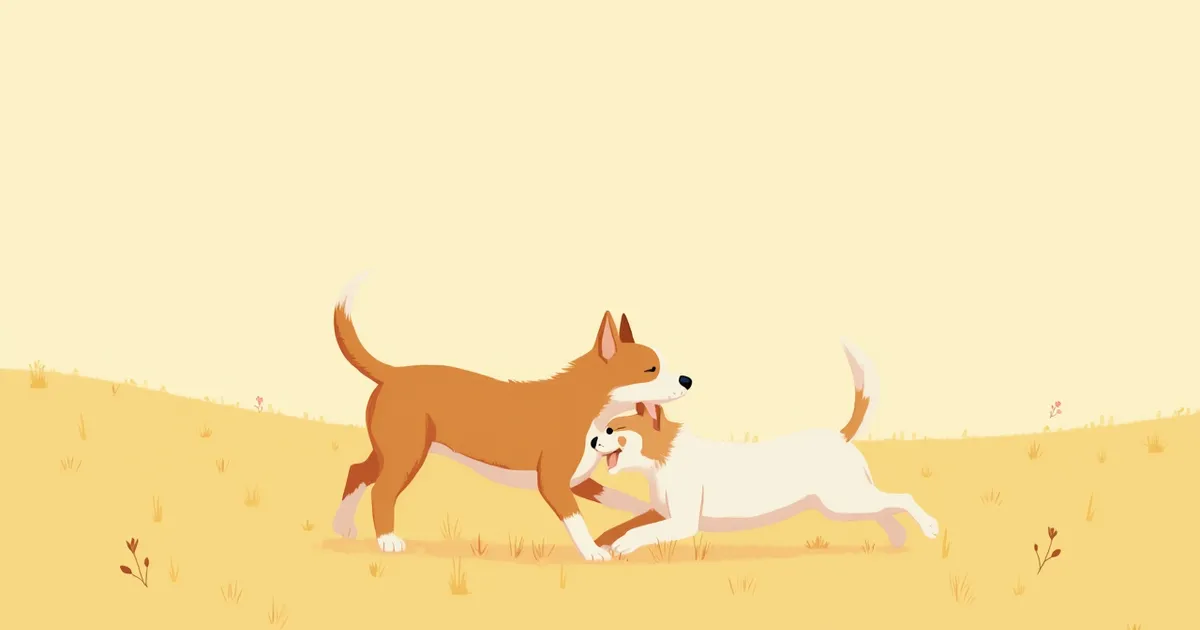
It’s common to wonder whether dogs are playing or fighting when they interact. The key lies in their body tension and interaction patterns. - Play bow: Lowering the front legs while raising the hindquarters — a well-known signal inviting play. - Role reversal: Taking turns chasing and being chased — a sign of balanced interaction. - Loose, fluid movements: Indicates a relaxed state. - One-sided aggression or pursuit, with the other dog only fleeing: A sign of escalating conflict; consider intervening. - Raised hackles (piloerection), stiff posture, and fixed staring: Requires immediate separation. Even during play, if one dog repeatedly lowers its body or shows appeasement signals like yawning or lip-licking, it may be expressing discomfort or stress. Step in right away and give them separate spaces.

Things to Note When Reading Body Language by Breed

Signal interpretation can vary depending on the breed. - Breeds with short or docked tails (e.g., Boxers, Doberman Pinschers): Tail signals are limited, so rely on ear position, body posture, and facial expressions. - Breeds with long hair that covers the face (e.g., Shih Tzus, Maltese, Old English Sheepdogs): Facial expressions around the eyes and mouth are hard to see, so assess body posture and breathing rate instead. - Brachycephalic breeds with flat faces (e.g., French Bulldogs, Pugs): Their resting expression may appear tense even when they are actually relaxed. - Breeds with floppy ears (e.g., Beagles, Cocker Spaniels): Ear movement is more subtle, so observe even slight changes in ear direction.

Reviewed by a veterinarian

Dr. Tony — Punnawat Phongkittirak

Dr. Tony — Punnawat Phongkittirak

Veterinarian

A veterinarian who majored in veterinary medicine at Khon Kaen University, Thailand, and completed the IVSA program at North Carolina State University in the United States. Drawing on clinical experience at animal hospitals, he works in the pet healthcare field and is dedicated to building a digital care environment that connects pet parents with veterinarians.

Frequently Asked Questions

Why does my dog try to bite when it wags its tail vigorously?
Not every wagging tail signals happiness. A tail held high and wagging rapidly indicates excitement or arousal, which can be accompanied by vigilance or aggression. Always check the position of the ears and the shape of the mouth as well.
What does it mean when my dog stares at me intently?
It depends on the context. Soft eyes and a relaxed posture indicate affection, whereas a stiff body and dilated pupils while staring are signs of aggression. Avoid direct eye contact and gently avert your gaze.
Does showing their belly always mean "please pet me"?
Not necessarily. If your pet’s entire body is relaxed and their legs are gently extended, it’s a sign of trust. However, if their body is stiff and their tail is tucked, it’s a signal of submission or fear. In the latter case, avoid touching them and give them space.
Does frequent yawning mean your pet is tired?
Yawns caused by tiredness are different from those used as "calming signals." Yawning in unfamiliar environments, at the vet, or when being scolded is a sign of stress. Reduce the stimulus or help them leave the situation.
One of my dogs keeps running away during playtime with other dogs. Is that okay?
If one dog is constantly chasing the other without any role reversal, it may not be play but rather bullying. If the chased dog keeps sending calming signals—such as lowering its body, yawning, or avoiding eye contact—separate them immediately.

Share

Related Guides

References

[1] Horwitz DF, Mills DS, BSAVA Manual of Canine and Feline Behavioural Medicine, 2nd Ed, 2009

[2] Overall KL, Manual of Clinical Behavioral Medicine for Dogs and Cats, 2013

[3] Siniscalchi M et al., Communication in Dogs, Animals, 2018

This information is based on veterinary literature and does not replace diagnosis or treatment. Please consult a veterinarian for specific health concerns.

Metapet Co., Ltd. | CEO: Park Sung-yong | Business Reg. No. 417-88-02562 | Seoul, South Korea | Customer Center

The Complete Guide to Decoding Dog Body Language | Meongsiljang