
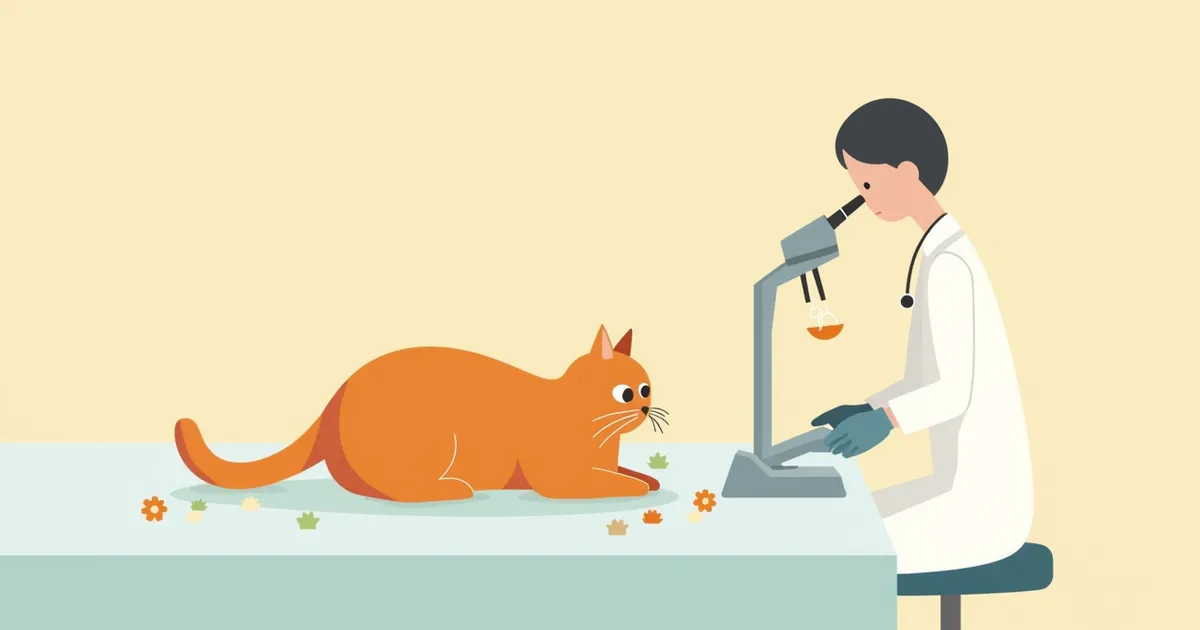
Cat Tumor Surgical Margin Assessment FAQ — Key Points Every Pet Owner Should Know
Evaluating the surgical margins after tumor removal in cats is crucial for determining the risk of recurrence. We’ve compiled the key questions and answers every pet owner should know.
Why is surgical margin assessment important after cat tumor surgery?

How is surgical margin assessment performed?

Easy explanation of the difference between negative and positive surgical margins
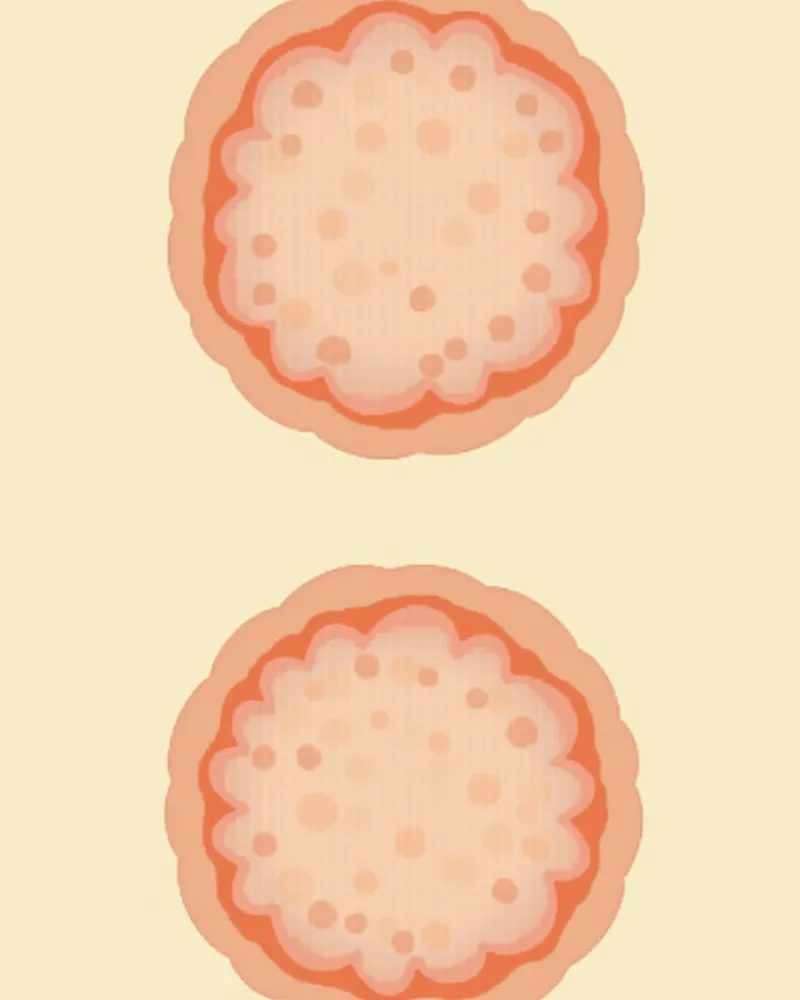
Comparison of treatment directions based on surgical margin status
| Item | Recurrence Risk | Need for Additional Treatment | Follow-up Interval |
|---|---|---|---|
| Negative | Relatively low | Usually not needed | Regular management as recommended by the veterinarian |
| Positive | High | May be needed | More close regular management |
| Complete removal not possible (incomplete resection) | Very high | Strongly recommended | Intensive follow-up management |
"Complete removal not possible" means the tumor could not be completely removed because sufficient surgical margins could not be secured in deep areas, etc.; in this case, adjunctive treatment such as radiation therapy is recommended.
When will the surgical margin assessment results be available?

Immediate veterinary visit is necessary if surgical margins are positive
A positive result for incomplete excision means there is a high risk of recurrence. In this case, additional treatment should be considered, and you should consult with your veterinarian immediately. Delaying treatment can lead to tumor recurrence or metastasis.
Management methods vary depending on surgical margin assessment results

Reviewed by a veterinarian

Dr. Tony — Punnawat Phongkittirak
VeterinarianA veterinarian who majored in veterinary medicine at Khon Kaen University, Thailand, and completed the IVSA program at North Carolina State University in the United States. Drawing on clinical experience at animal hospitals, he works in the pet healthcare field and is dedicated to building a digital care environment that connects pet parents with veterinarians.
Reviewed 2026-06-07
Frequently Asked Questions
Can the condition recur even if the fine-needle aspiration biopsy results are negative?
If the surgical margins are positive, is another surgery necessary?
What problems can arise if a restraint assessment is not performed?
Can the assessment of surgical margins vary from cat to cat?
How should I care for my cat while we wait for the results?
Share
Related Guides

Comprehensive Guide to Recommended Hospice Care and Quality of Life Management for Cats with Tumors

7 Factors Determining Prognosis and Life Expectancy in Dogs with Tumors, According to Veterinarians

7 Key Management Points for Canine Transitional Cell Carcinoma (Bladder Cancer) Recommended by Veterinarians — From Symptoms to Care

Cat Tapeworm (Tapeworm) Frequently Asked Questions Q&A — Key Information Pet Owners Must Know

Cat Fecal Parasite Testing Methods FAQ — Key Information Every Pet Owner Should Know

Frequently Asked Questions on Eliminating Fleas from Your Indoor Cat’s Environment — Key Information Every Pet Owner Should Know

Cat Ear Mites FAQ — Key Information Every Owner Should Know

Dog Tooth Fracture FAQ — Key Information Every Pet Owner Should Know

Feline Oral Bacteria and Systemic Diseases FAQ — Key Information for Pet Owners

Frequently Asked Questions on Recommended Cat Oral Exam Intervals — Key Points Every Owner Should Know
References
[1] Fossum TW. Preoperative and intraoperative care of the surgical patient. In: Fossum TW, Duprey LP, O’Connor D, editors. Small animal surgery. 3rd ed. Boston, MA: Elsevier; 2007.
[2] Hosgood G, Scholl DT. Evaluation of age as a risk factor for perianesthetic morbidity and mortality in the dog. J Vet Emerg Crit Care. 1998;8(3):222-36.
[3] Reader RC, McCarthy RJ, Schultz KL, et al (2020) Comparison of liposomal bupivacaine and 0.5% bupivacaine hydrochloride for control of postoperative pain in dogs undergoing tibial plateau leveling osteotomy. J Am Vet Med Assoc 256:1011–19.