

Why Does My Dog Bark and Get Excited? — Causes and Management of Reactive Behavior
I’ll explain why reactive dogs overreact to certain stimuli and share step-by-step management and training methods.
What Is a Reactive Dog?

Why Do These Reactions Occur?
Aggression vs. Reactivity Comparison Chart
| Item | Reactive | Aggression |
|---|---|---|
| Main emotion | Fear/anxiety/excitement | Intent to remove the threat |
| Response to distance adjustment | Calms down as distance increases | Persists regardless of distance |
| Intent to bite | Mostly barking at the air | Actual attempts to bite |
| Recovery speed | Recovers quickly once the stimulus is gone | Stays in an excited state for a long time |
| Training approach | Desensitization/counterconditioning | Consultation with a professional veterinary behaviorist is essential |
In actual clinical practice, the two states can appear mixed together. If you're unsure, an evaluation by a veterinary behaviorist is the most accurate.
Reactive Signal Checklist
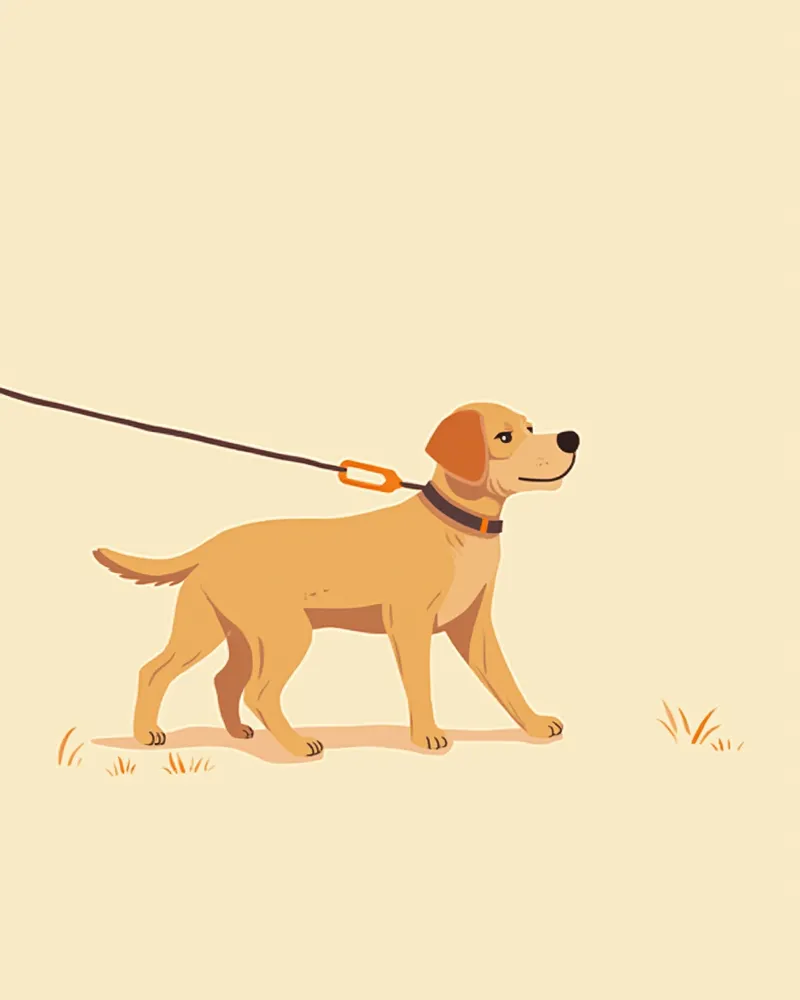
When to Consult a Veterinarian or Veterinary Behaviorist
If your dog’s reactivity has suddenly worsened or you’re noticing the following signs, it may not be a simple training issue. Various physical conditions—including orthopedic pain, urinary tract diseases, neurological disorders, and even atopic or skin conditions—can manifest as behavioral changes that mimic reactivity. Because symptoms of medical issues and behavioral problems often overlap, it’s best to start with a comprehensive health checkup, including a physical exam and blood tests, if you notice a sudden increase in reactivity. Please consult your veterinarian promptly if your dog has actually bitten you or another animal, becomes overly sensitive without any apparent trigger even at home, or frequently experiences disrupted sleep-wake cycles, such as waking up suddenly and appearing alert during sleep.
4-Step Management Plan to Practice at Home

Key Points for Walk Gear and Environment Setup
Why Scolding and Yanking Corrections Are Dangerous
Yelling or yanking the leash when your dog barks may seem to stop the behavior in the short term, but over time it teaches your dog that "when a trigger appears, my owner gets angry," which can actually increase anxiety. Choke chains and electronic stimulation devices can intensify fear responses and worsen reactivity. The fundamental principle is not correction, but rather managing the distance to triggers combined with reward-based relearning.
Reviewed by a veterinarian

Dr. Tony — Punnawat Phongkittirak
VeterinarianA veterinarian who majored in veterinary medicine at Khon Kaen University, Thailand, and completed the IVSA program at North Carolina State University in the United States. Drawing on clinical experience at animal hospitals, he works in the pet healthcare field and is dedicated to building a digital care environment that connects pet parents with veterinarians.
Reviewed 2026-04-27
Frequently Asked Questions
Can reactive arthritis be completely cured?
Are there cases where medication is necessary?
I have multiple dogs, but only one is reactive. What should I do?
Is it safe to take my dog to the dog park?
Why isn’t the training having any effect at all?
Share
Related Guides

Primary vs. Secondary Veterinary Hospitals: A Comparison

5 Easy-to-Raise Cat Breeds for First-Time Owners — Grooming Difficulty Comparison

Top 7 Short-Legged Dog Breeds

Why Does Feline Renal Fibrosis Occur? — Understanding the Progression Mechanism and How to Slow It Down

Is a kidney biopsy in cats really necessary? — What about the procedure and risks?
What is Feline Renal Amyloidosis? — Symptoms and When to Visit the Vet

Complete Guide to Feline Proteinuria and UPC Ratio — From Interpreting Values to Timing Kidney Care

My Cat Is Drinking Too Much Water — Causes of PU/PD and When to Visit the Vet

Are Lilies Truly Fatal to Cats? — Key Facts on Nephrotoxicity Symptoms and Emergency Treatment

Is My Cat’s Blood Pressure Okay? — The Dangerous Link Between Hypertension and Kidney Disease
References
[1] Landsberg G., Hunthausen W., Ackerman L., Behavior Problems of the Dog and Cat, 4th ed., 2024
[2] Horwitz D., Mills D., BSAVA Manual of Canine and Feline Behavioural Medicine, 2nd ed.
[3] Overall K.L., Manual of Clinical Behavioral Medicine for Dogs and Cats