

Systematic Desensitization Training for Puppies' Fear of Children
We’ll explain why dogs may fear or avoid children and guide you through systematic desensitization training based on veterinary behavior science.
What Is a Puppy's Fear of Children?

Why Dogs Fear Children
Fear Signal Checklist
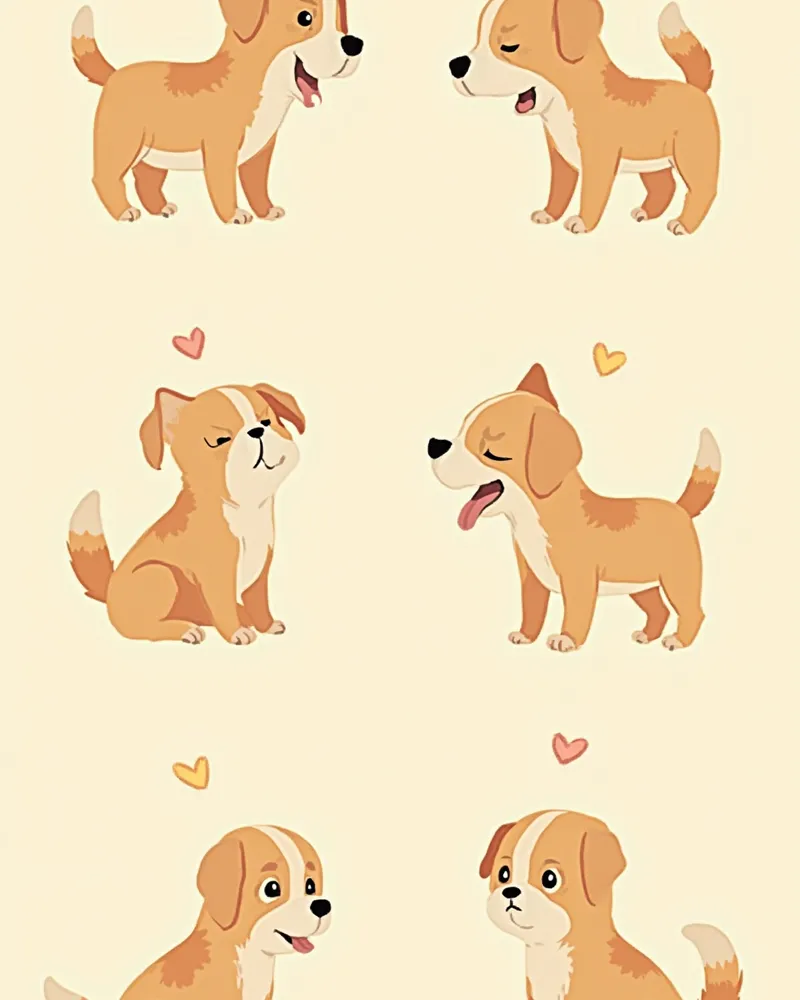
Actions to Absolutely Avoid
Forcing a scared dog toward a child or having the child hand out treats can worsen the situation. If the dog feels trapped with no escape route and its fear surpasses a certain threshold, it may resort to defensive biting. Additionally, scolding a dog for growling is strictly discouraged. Suppressing this warning signal can cause the dog to skip directly to biting.
5 Steps of Desensitization Training
Successful Training vs. Failed Training
| Item | Successful Training | Failed Training |
|---|---|---|
| Distance | Maintain a safe distance before barking starts | Approaching too closely, pushing it too far |
| Timing of Reward | Within 1 second of seeing the child | After the child has disappeared |
| Exposure Time | Short (1–3 min) sessions, repeated | One long session at a time |
| Child's Role | Walk by quietly | Petting or calling the dog |
| Dog's State | Relaxed enough to eat treats | Refusing treats, panting |
The moment they refuse a treat is a sign they've crossed their fear threshold
How to Handle Child Visitors at Home
When to Seek Professional Consultation
If your dog is showing aggressive behavior, such as baring its teeth, growling, or lunging at children, do not try to handle it alone. Consult a veterinary behaviorist or a certified professional dog trainer (such as a CPDT). In some cases, combining behavior modification training with medication can improve outcomes. The decision to use medication, as well as the specific type and dosage, must be made by a veterinarian after evaluating your dog’s individual condition.
Prevention Is the Most Powerful Tool

Reviewed by a veterinarian

Dr. Tony — Punnawat Phongkittirak
VeterinarianA veterinarian who majored in veterinary medicine at Khon Kaen University, Thailand, and completed the IVSA program at North Carolina State University in the United States. Drawing on clinical experience at animal hospitals, he works in the pet healthcare field and is dedicated to building a digital care environment that connects pet parents with veterinarians.
Reviewed 2026-04-27
Frequently Asked Questions
How long does it take to see results from training?
Won’t they bond faster if my child gives them treats directly?
Is it okay to scold my pet when it growls?
Can adult dogs be trained too?
My dog won’t eat treats during training. Why is that?
Share
Related Guides

7 Behavioral Enrichment Strategies for Mental Stimulation Recommended by Veterinarians
Top 5 Calming Supplements for Dogs and Cats in 2026

L-Theanine Effects and Calming Support

What is Canine Infectious Hepatitis? — Key Q&A from Symptoms to Vaccine Prevention
Dog Liver Ultrasound: When and Why — Q&A from Exam to Result Interpretation
What to Feed Your Dog with Poor Liver Function — Key Q&A on Liver-Support Diets
Complete Guide to Prognostic Indicators for Canine Liver Disease — From Test Values to Recovery Signs
What is Canine Cirrhosis and Hepatic Fibrosis? — Can It Be Reversed? Key Progression and Management
Why Are Your Dog’s Liver Enzymes Elevated? — Differentiating Causes of ALT and ALP Elevation and Additional Testing Q&A

Complete Guide to Canine Bile Acids Test: Why It’s Done and How to Interpret Results
References
[1] Lord, M.S., Casey, R.A., Kinsman, R.H. et al. (2020). Owner perception of problem behaviours in dogs aged 6 and 9-months. Applied Animal Behaviour Science 232: 105147.
[3] Horwitz, D.F. & Mills, D.S., BSAVA Manual of Canine and Feline Behavioural Medicine, 2nd Edition
[4] Landsberg, G., Hunthausen, W., Ackerman, L., Behavior Problems of the Dog and Cat, 3rd Edition