
How to Improve Your Puppy’s Focus: A Step-by-Step Guide to Attention and Focus Training
For effective puppy training, it’s important to progress step by step, starting with name recognition, then eye contact, and finally basic obedience. The key is to keep sessions short, frequent, and reward-focused.
What Is Puppy Focus Training?
Why Is Focus Training the Starting Point for All Training?
5-Step Core Checklist for Focus Training
Good Training vs. Bad Training Comparison
| Item | Good Training | Bad Training |
|---|---|---|
| Session Length | 3–5 minutes, 3–4 times a day | 30+ minutes at once |
| Reward Method | Praise + treats + toys | Scolding and physical punishment |
| Response to Failure | No reaction, then retry | Shouting |
| Environment | Start in a quiet place | On the walking path from the start |
| Expected Effect | Improved trust and focus | Increased avoidance and anxiety |
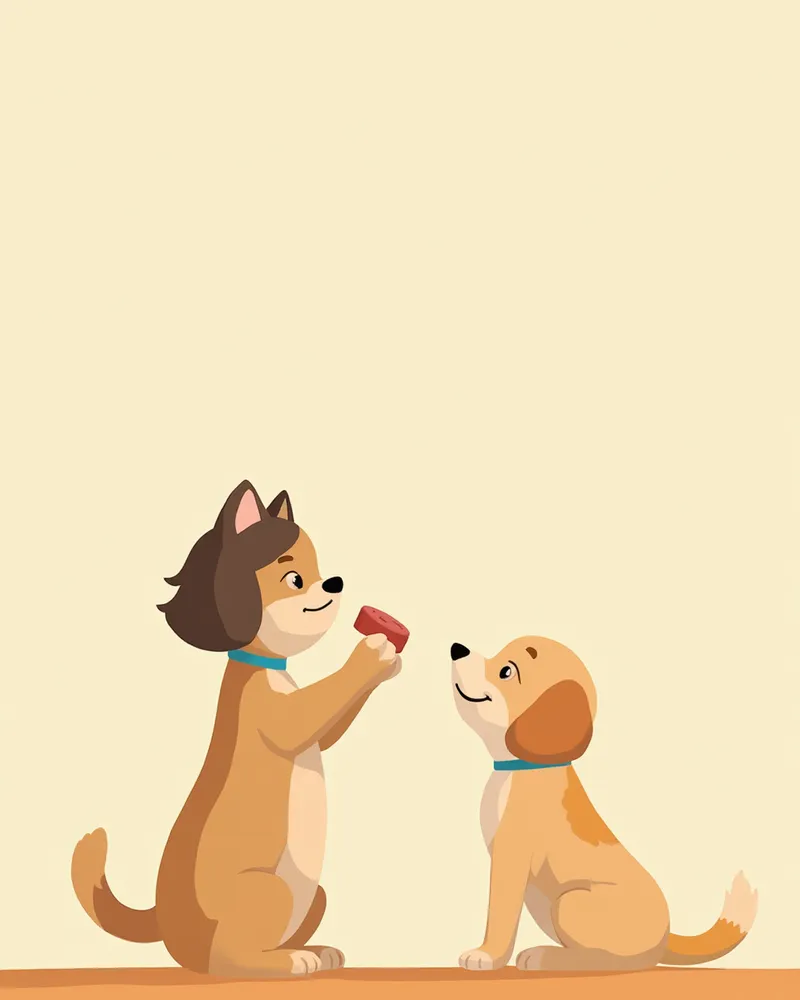
Positive reinforcement (reward-based) training is superior in both learning efficiency and behavioral stability.
How Many Minutes a Day and How to Practice?
When to Stop Training
If your dog sticks its tongue out, pants heavily, or displays stress signals such as yawning, shaking off, or avoiding eye contact, end the session immediately. Forcing the training to continue can lead to resistance toward the training itself. This is especially important for puppies, as you should avoid forcing them to focus for excessively long periods. Adjust the length of each session based on when stress signals appear, and be mindful to prevent the accumulation of mental and emotional fatigue.
How to Train in Highly Distracting Environments

Improving Focus with Nosework and Nose Touch
When to Consult a Veterinarian or Behavior Specialist
Even if you’ve been consistently training your pet for over six months, a lack of response to their name or excessive excitement and aggression in response to specific stimuli may indicate more than just insufficient training. Underlying medical causes such as hearing impairment, cognitive dysfunction, or separation anxiety could be at play. In such cases, we recommend starting with a health check-up at a veterinary clinic, followed by consultation with a veterinary behaviorist or a certified animal behavior specialist.
Reviewed by a veterinarian

Dr. Tony — Punnawat Phongkittirak
VeterinarianA veterinarian who majored in veterinary medicine at Khon Kaen University, Thailand, and completed the IVSA program at North Carolina State University in the United States. Drawing on clinical experience at animal hospitals, he works in the pet healthcare field and is dedicated to building a digital care environment that connects pet parents with veterinarians.
Reviewed 2026-04-27
Frequently Asked Questions
At what age can I start intensive training?
Can adult dogs also undergo intensive training?
Can you get them to focus without using treats?
Can I train multiple dogs together?
What should I do if my dog loses interest during training?
Share
Related Guides
7 Behavioral Enrichment Strategies for Mental Stimulation Recommended by Veterinarians
Top 5 Recommended Cognitive Supplements for Cats in 2026
Top 5 Calming Supplements for Dogs and Cats in 2026
Dog Pulmonary Edema FAQ — Key Information Every Pet Owner Should Know
Dog Bronchodilators FAQ — Key Information Every Pet Owner Should Know
Dog Aspiration Pneumonia FAQ — Key Information Every Owner Must Know

Frequently Asked Questions About Feline Chronic Rhinitis and Nasal Discharge — Key Information Every Pet Owner Should Know
Puppy Vaccination Side Effect Monitoring FAQ — Key Points Every Pet Owner Must Know
Frequently Asked Questions About DHPP (Combination Vaccine) for Puppies — Key Information Every Pet Owner Should Know
Frequently Asked Questions About Kennel Cough Vaccination for Dogs — Key Information Every Pet Owner Should Know
References
[1] Rooney, N.J. and Cowan, S., Training methods and owner-dog interactions: Links with dog behaviour and learning ability, Applied Animal Behaviour Science, 2011
[2] Introduction to Animal Behavior and Veterinary Behavioral Medicine, Chapter 5 - Learning and Training
[3] Roozendaal, B., Stress and memory: opposing effects of glucocorticoids on learning, 2002