

Assembling a Home Emergency Kit
We’ve put together a veterinary-approved guide to assembling a home emergency kit for your pet. Check out the essential supplies, how to use them, and tips for proper storage—all in one place.
Why Do You Need a Home Emergency Kit?

7 Essential Categories for Your Emergency Kit
Must-Have Essentials vs. Optional Items
| Item | Essential Supplies | Optional Supplies | Prohibited Supplies |
|---|---|---|---|
| Wound Care | Sterile gauze, physiological saline | Hemostatic powder | Human steroid ointment |
| Disinfectant | Chlorhexidine 0.05% | Povidone-iodine | Alcohol (do not apply directly to wounds) |
| Pain / Fever Relief | None (veterinarian prescription only) | None | Tylenol / ibuprofen (fatal to cats) |
| Poisoning Response | Hospital contact number, poison information | Activated charcoal (when instructed) | Inducing vomiting on your own |
| Temperature / Condition Check | Digital thermometer | Stethoscope | Mercury thermometer |
Human painkillers can be fatal depending on the species, so never administer them on your own.
Initial Response for Wounds and Bleeding
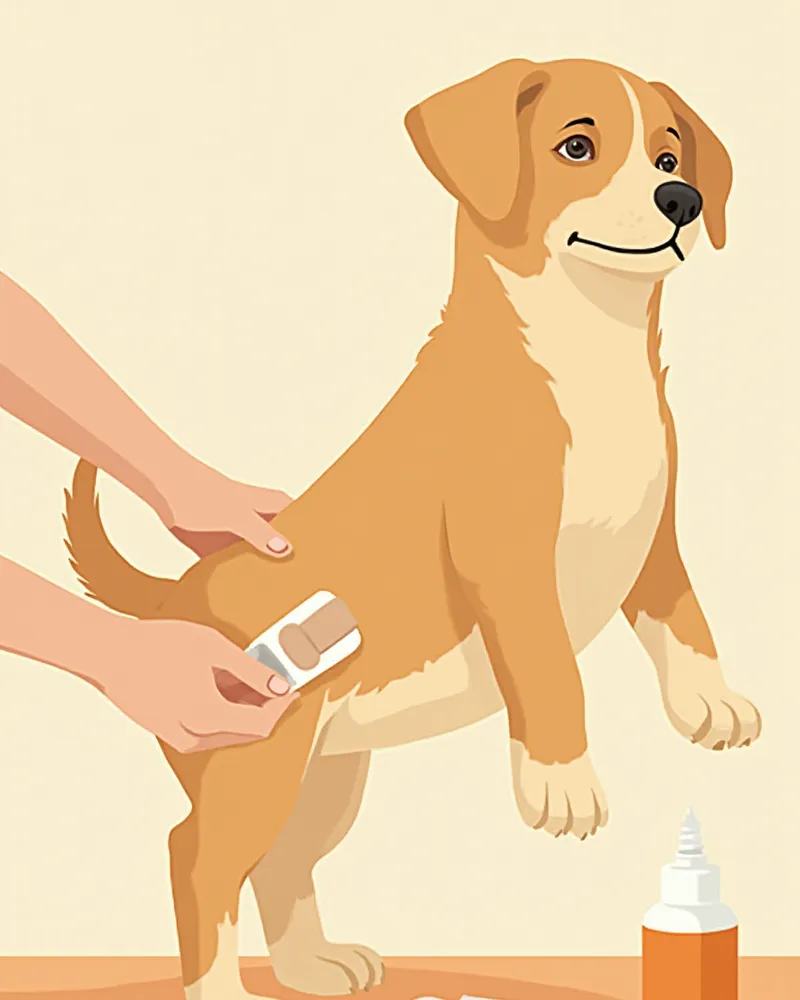
3 Home Treatments to Absolutely Avoid
There are common well-intentioned mistakes that can actually worsen your pet’s condition. First, giving human acetaminophen (Tylenol) or ibuprofen is especially dangerous for cats, as even small amounts can be fatal. Second, applying alcohol directly to wounds causes severe tissue irritation and pain. Third, inducing vomiting without veterinary guidance is risky and should never be done in cases involving cats, decreased consciousness, or ingestion of corrosive substances.
Steps for Suspected Poisoning

When to Go to the Vet Immediately
A home emergency kit is strictly for initial emergency response. Regardless of whether you use the kit, you must immediately transport your pet to a 24-hour veterinary hospital if you observe any of the following signs: labored breathing or panting with an open mouth; pale or purplish gums; seizures that persist or recur in rapid succession; heavy bleeding that will not stop; or decreased consciousness or collapse. In these situations, the speed of transport to a clinic is more critical to survival than on-site first aid.
Kit Storage and Maintenance Checklist

Reviewed by a veterinarian

Dr. Tony — Punnawat Phongkittirak
VeterinarianA veterinarian who majored in veterinary medicine at Khon Kaen University, Thailand, and completed the IVSA program at North Carolina State University in the United States. Drawing on clinical experience at animal hospitals, he works in the pet healthcare field and is dedicated to building a digital care environment that connects pet parents with veterinarians.
Reviewed 2026-04-27
Frequently Asked Questions
Can I use human bandages or gauze as-is?
Is it safe to induce vomiting with hydrogen peroxide?
Should I also include antibiotics in my emergency kit?
Is it okay to use an infrared ear thermometer?
Can the sterile saline solution included in the kit be used on the eyes?
Share
Related Guides

Primary vs. Secondary Veterinary Hospitals: A Comparison

5 Easy-to-Raise Cat Breeds for First-Time Owners — Grooming Difficulty Comparison

Top 7 Short-Legged Dog Breeds

Spaying Female Dogs: Surgical Process and Recovery Care

How to Bathe Your Cat and Precautions

Symptoms and Management of Canine Diabetes

Dog Urine Specific Gravity Test FAQ — Key Information Pet Owners Must Know

Dog Urine pH Management FAQ — Key Information Every Pet Owner Should Know

Dog Urine Culture Test FAQ — Key Information Every Pet Owner Should Know
Frequently Asked Questions About Urethral Catheter Care in Dogs — Key Points Every Pet Owner Must Know
References
[1] Drobatz KJ, Hopper K, Rozanski EA, Silverstein DC, Small Animal Critical Care Medicine, 2nd Ed, Elsevier, 2015
[2] Sherri Wilson, Feline Emergency and Critical Care Medicine, 2nd Ed, Wiley-Blackwell, 2020
[3] American Veterinary Medical Association (AVMA), Pet First Aid Supplies Checklist