Like
Share
멍실장
강아지 재활센터 이용 가이드 - 언제, 어떻게 시작할까?

Dog Rehabilitation Center Guide: When and How to Start?

JointQ&AMeongsiljang Veterinary Advisory Board

A dog rehabilitation center is a specialized facility that helps with post-surgical recovery and joint disease management. We’ve compiled all the essential information pet owners need to know, including when to use these services, types of treatments, costs, and how to choose the right center.

What Is a Dog Rehabilitation Center?
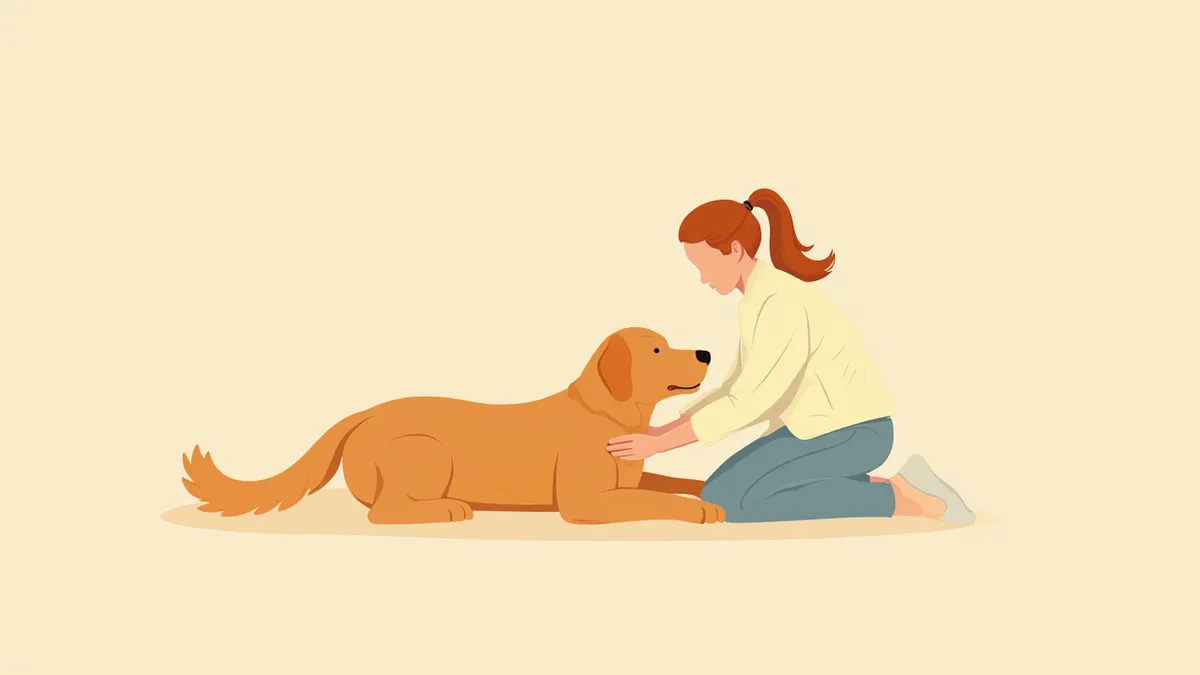
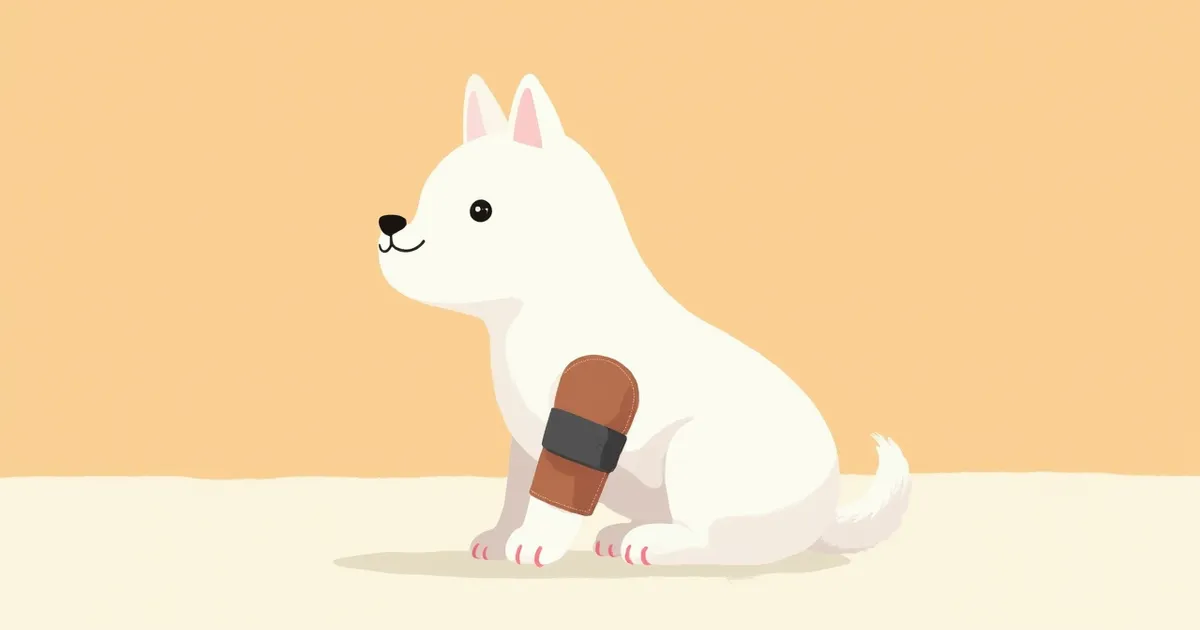
A puppy receiving treatment at the rehabilitation center
Dog rehabilitation centers are specialized facilities designed to restore strength and mobility in dogs whose movement has been impaired by post-surgical recovery, joint diseases, or neurological conditions. Timing is crucial: starting rehabilitation as soon as your dog’s condition stabilizes after surgery can speed up recovery and reduce muscle loss. Veterinary rehabilitation literature emphasizes that timely, phased rehabilitation improves outcomes. If your dog is struggling to walk or is preparing for surgery, consider visiting a rehabilitation center.

When Is a Rehabilitation Center Necessary?

There are four main situations where rehabilitation is essential: - After patellar luxation surgery: Crucial for restoring muscle strength and preventing recurrence. - After cruciate ligament surgery: Focuses on stabilizing the joint and retraining gait. - After disc or neurological surgery: Helps restore sensation and motor function in paralyzed hind limbs. - For chronic arthritis or senior dogs: Requires ongoing management to alleviate pain and maintain muscle mass. It can also be used as part of a weight loss program for overweight dogs.

Comparison of Rehabilitation Treatment Types

ItemUnderwater TreadmillLaser TherapyExercise Therapy
Main BenefitsStrengthens muscles without joint strainRelieves pain · promotes gait recoveryGait retraining · balance
Application Timing2–3 weeks after surgeryImmediately after surgery to chronic phase1 week after surgery through recovery
Time per Session20–30 minutes10–15 minutes30–40 minutes
Cost per SessionKRW 50,000–80,000KRW 30,000–50,000KRW 40,000–60,000

As of April 2026; varies by center

Why Is Aquatic Therapy (Hydrotherapy) Special?

Underwater treadmills are one of the most powerful tools in rehabilitation. The buoyancy of water significantly reduces weight-bearing load, allowing dogs to walk with minimal stress on their joints. This method gently encourages weight distribution on the limbs while strengthening muscles, all while minimizing strain on injured areas. According to veterinary orthopedic textbooks, swimming primarily enhances joint flexion but offers little benefit for extension; therefore, underwater treadmill therapy may be more effective than swimming for recovery after cruciate ligament (stifle joint) surgery. Additionally, because water is denser than air and provides greater resistance, it allows for effective muscle conditioning even within the same amount of time. Dogs that are afraid of water can also successfully adapt through a gradual acclimation program.
A dog walking on an underwater treadmill

Things to Check Before Using a Rehabilitation Center

Rehabilitation must always begin with a written recommendation from your attending veterinarian or the surgical record. Starting exercise before the fracture has fully healed may necessitate additional surgery, and aquatic therapy can be dangerous for pets with heart or respiratory conditions. For safety, complete blood work and a cardiac evaluation before starting rehab. On days when pain is severe, avoid pushing your pet and adjust the treatment schedule accordingly.

How the Rehabilitation Program Proceeds

Standard rehabilitation follows a structured process: initial assessment, customized program design, two to three therapy sessions per week, and re-evaluation every four to eight weeks. During the initial assessment, we conduct gait analysis, measure muscle mass, and evaluate joint range of motion. Based on your dog’s condition, we then create a tailored program combining hydrotherapy, laser therapy, massage, and therapeutic exercises. Post-surgical rehabilitation typically spans six to twelve weeks, while chronic conditions such as arthritis require long-term management.
A dog undergoing rehabilitation assessment

Criteria for Choosing a Good Rehabilitation Center

When choosing a rehabilitation center, be sure to check the following: - Professional Credentials: Whether the facility employs veterinarians or rehabilitation specialists who hold certifications such as CCRP (Certified Canine Rehabilitation Practitioner) or CCRT. - Equipment: Availability of essential equipment such as underwater treadmills, laser therapy devices, and ultrasound machines. - Veterinary Collaboration: Whether the center can communicate and coordinate with your primary veterinarian. - Accessibility: Since visits are typically required two to three times per week, proximity is an important factor. - Initial Consultation: Centers offering free assessments or consultation programs are generally more trustworthy.

Supportive Rehabilitation You Can Do at Home

You can continue supportive rehabilitation at home even on days when visiting the clinic is difficult. - Passive range-of-motion exercises: Slowly bend and extend the leg within the range recommended by your veterinarian. - Short walks: Regular 5–10 minute walks on flat ground. - Non-slip mats: Place these in the living room to reduce stress on the joints. - Weight management: For overweight dogs, simply losing weight can significantly reduce joint stress. Avoid strenuous stair climbing and jumping. For more details on managing patellar conditions, please refer to the Patellar Luxation Management Guide.

Stop Treatment If These Signs Appear

Stop rehabilitation immediately and contact your veterinarian if you notice any of the following symptoms: worsening limping lasting more than 24 hours after treatment, swelling or heat at the surgical site, or loss of appetite and lethargy. Since many dogs tend to endure pain silently, careful observation by the owner is crucial.

Reviewed by a veterinarian

Dr. Tony — Punnawat Phongkittirak

Dr. Tony — Punnawat Phongkittirak

Veterinarian

A veterinarian who majored in veterinary medicine at Khon Kaen University, Thailand, and completed the IVSA program at North Carolina State University in the United States. Drawing on clinical experience at animal hospitals, he works in the pet healthcare field and is dedicated to building a digital care environment that connects pet parents with veterinarians.

Frequently Asked Questions

How many rehabilitation sessions are typically needed before we start seeing results?
You’ll typically start to see improvements in muscle strength and gait after consistent treatments two to three times a week for four to six weeks. Chronic conditions require long-term management.
My dog is afraid of water. Is aquatic therapy still an option?
Yes, it's possible. Most centers offer a gradual adaptation program that starts with shallow water. Most pets adjust well after 2-3 visits.
Can senior dogs also benefit from rehabilitation?
Yes, it’s actually especially recommended for senior dogs. It helps maintain muscle mass and relieve joint pain. However, a preliminary health checkup is essential.
Is rehabilitation covered by insurance?
It depends on the type of pet insurance. Post-surgical rehabilitation is often covered, but you should always check the coverage details for chronic disease management.
Is it okay to just have surgery without rehabilitation?
While recovery is possible without rehabilitation, there’s an increased risk of muscle weakness and recurrence. Veterinary rehabilitation specialists emphasize that a structured, step-by-step rehab program after surgery is crucial for restoring function and improving long-term outcomes.

Share

Related Guides

References

[1] Millis D.L., Levine D., Canine Rehabilitation and Physical Therapy, 2nd Ed, Elsevier, 2014

[2] Johnston S.A., Tobias K.M., Veterinary Surgery: Small Animal, 2nd Ed, Elsevier, 2018

[3] Draper W.E., Schubert T.A., Clemmons R.M., Miles S.A., Low-level laser therapy reduces time to ambulation in dogs after hemilaminectomy: a preliminary study, J Small Anim Pract, 2012;53:465-469

[4] Textbook of Veterinary Orthopaedic Surgery, Chapter on Postoperative Rehabilitation

This information is based on veterinary literature and does not replace diagnosis or treatment. Please consult a veterinarian for specific health concerns.

Metapet Co., Ltd. | CEO: Park Sung-yong | Business Reg. No. 417-88-02562 | Seoul, South Korea | Customer Center

Dog Rehabilitation Centers: When & How to Start | Meongsiljang