Like
Share
멍실장
고양이 갑상선 기능항진증 증상과 치료

Feline Hyperthyroidism: Symptoms and Treatment

WeightQ&AMeongsiljang Veterinary Advisory Board

We’ve put together an easy-to-understand overview of feline hyperthyroidism, covering its causes, key symptoms, diagnostic methods, and all treatment options—from methimazole medication to radioactive iodine therapy.

What is Feline Hyperthyroidism?
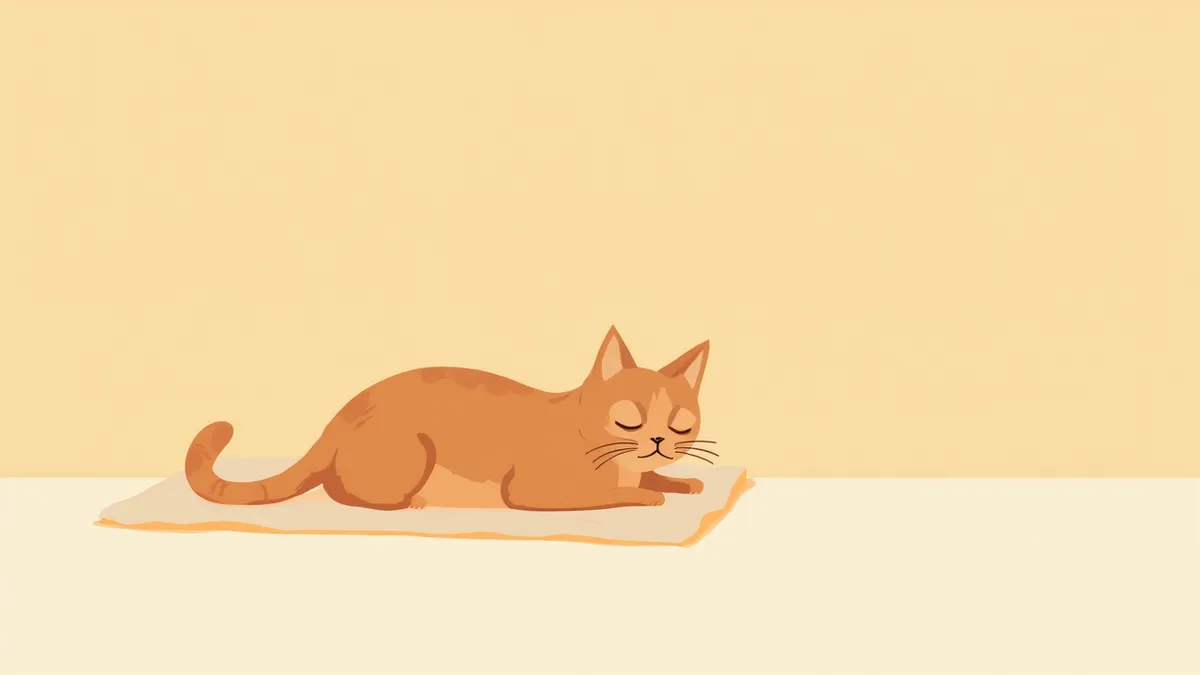
An elderly, slender cat resting comfortably on a blanket
Hyperthyroidism is a condition in which excessive secretion of thyroid hormones abnormally accelerates metabolism throughout the body. It is the most common endocrine disorder in middle-aged and senior cats, affecting approximately 10% of cats over 10 years old. A hallmark sign is rapid weight loss accompanied by a ravenous appetite. When detected early, it can be managed through various approaches, including medication, radioactive iodine therapy, and surgery. Prompt diagnosis is essential, as untreated hyperthyroidism can lead to serious complications in vital organs such as the heart and kidneys.

Causes and Background of the Disease

Most cases of hyperthyroidism are caused by benign tumors (adenomatous hyperplasia) in the thyroid gland. Approximately 98% of cases involve benign hyperplasia, while thyroid cancer accounts for only 1–3% of cases, making it very rare. Although the exact cause remains unclear, it is known that thyroid cells proliferate abnormally as cats age. Epidemiological studies suggest that environmental factors such as indoor living and consumption of canned food with fish flavor may increase the risk of developing the disease. There is no clear predisposition based on sex or breed, but purebred cats like Siamese and Himalayans are actually known to have a lower risk of developing hyperthyroidism. Therefore, regular thyroid screening is recommended for all middle-aged and senior cats, regardless of breed.

Symptoms That May Indicate Hyperthyroidism
These are the main symptoms that may indicate hyperthyroidism.
Weight loss: Despite eating well, your pet continues to lose weight. This is the most characteristic symptom.
Increased appetite: Your pet will try to eat much more than usual and quickly finish their food.
Vomiting and diarrhea: Digestive function becomes unstable, leading to frequent episodes.
Increased water intake: Your pet will drink more water, and urine output will also increase.
Changes in coat condition: The fur loses its shine, becomes matted, or sheds excessively.
Hyperactivity and restlessness: Your pet may be overly active or restless for their age.
Increased heart rate: The heart beats faster, and in severe cases, this can lead to heart disease.
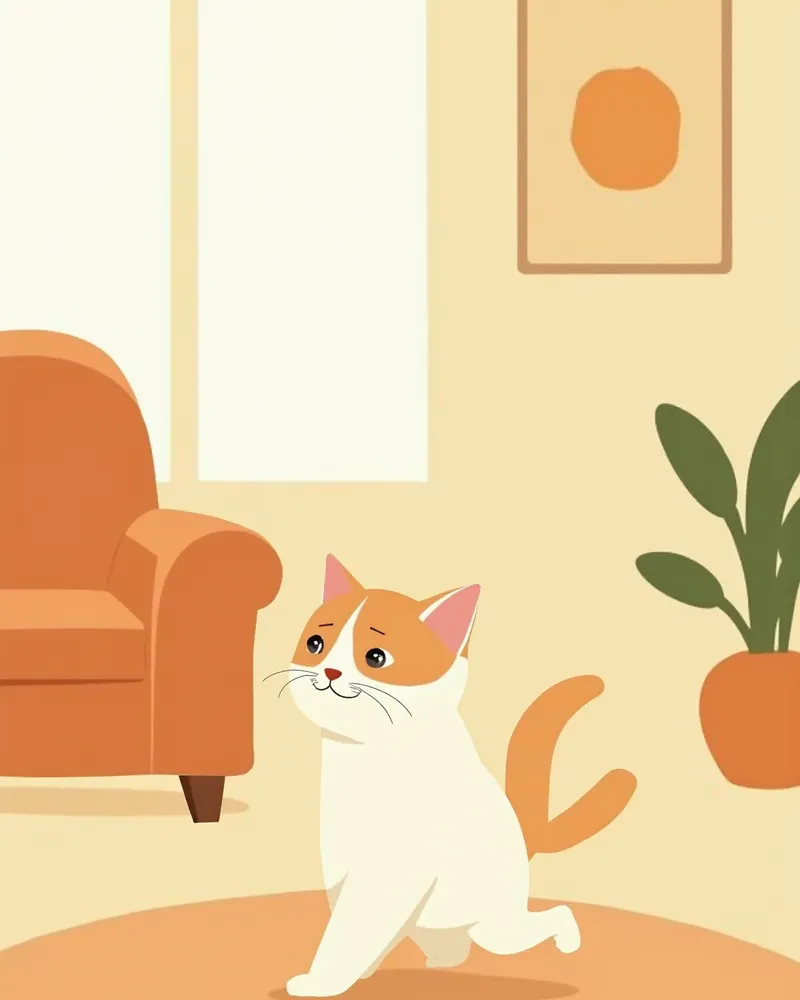
An elderly cat pacing anxiously in the living room

Symptoms Requiring Immediate Veterinary Attention

If your pet is losing weight rapidly, suddenly becoming lethargic, and losing their appetite, there may be complications involving the heart or kidneys. Breathing with an open mouth or experiencing rapid breathing are also warning signs. In particular, if the heart rate is abnormally fast and the gums appear pale, this could be an emergency, so please visit a veterinary clinic immediately.

How is it Diagnosed?

Hyperthyroidism can be relatively easily screened with a blood test. Measuring total thyroid hormone (total T4) levels in the blood helps significantly with diagnosis, as approximately 90% of cats with hyperthyroidism show levels above the normal range. However, a definitive diagnosis requires confirming both clinical symptoms and persistent elevation of hormone levels. In cases where values fall near the upper limit of the normal range, additional free T4 testing may be conducted. During the diagnostic process, it is common to perform echocardiography, blood pressure measurement, urinalysis, and kidney function tests. Since hyperthyroidism can mask kidney disease, it is essential to check kidney values as well.

Four Treatment Options

According to veterinary internal medicine textbooks, there are four main treatment options.
Radioactive iodine therapy: This is the most effective treatment. A single session can cure the condition, and since it is non-invasive, it carries minimal burden. However, it requires specialized facilities, and the pet must be isolated for a certain period after treatment.
Antithyroid medication: This involves administering methimazole daily to regulate hormone levels. While long-term use is necessary, this option is widely accessible.
Thyroidectomy: This surgical approach directly removes the tumor. Anesthesia risks must be carefully considered.
Iodine-restricted diet: This is a supportive method that limits iodine intake through prescription food.
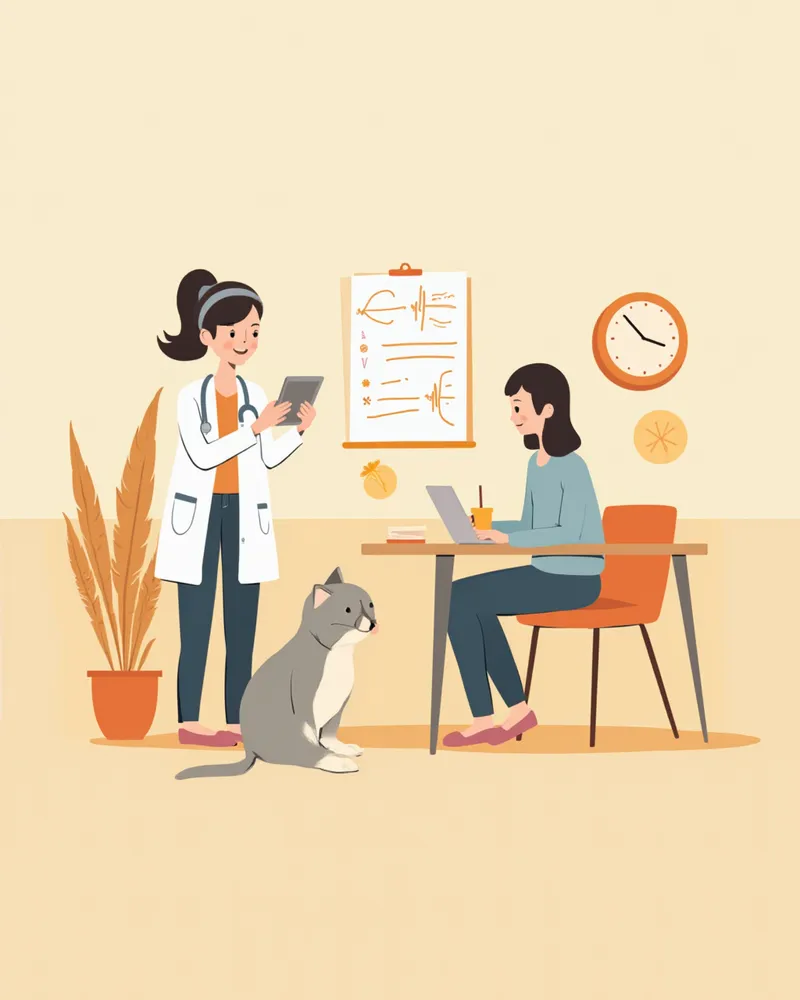
A veterinarian explaining treatment options to a pet owner in the clinic.

Key Points for Medication Therapy

Methimazole is the most widely used antithyroid medication. It works by suppressing the production of thyroid hormones, helping to keep hormone levels within the normal range. During the initial phase of treatment, side effects such as vomiting, decreased appetite, and lethargy may occur, but these are usually temporary. In rare cases, immune-mediated reactions like facial itching or a drop in platelet count can develop. After starting treatment, it’s important to have regular blood tests as directed by your veterinarian to monitor hormone levels and check for any side effects. While the medication maintains a high rate of therapeutic response, studies have reported an increased incidence of thyroid cancer with long-term use (over four years), so it’s a good idea to periodically review the treatment plan with your vet. If oral administration is difficult, ask your veterinarian about a transdermal gel that can be applied to the inside of the ear.
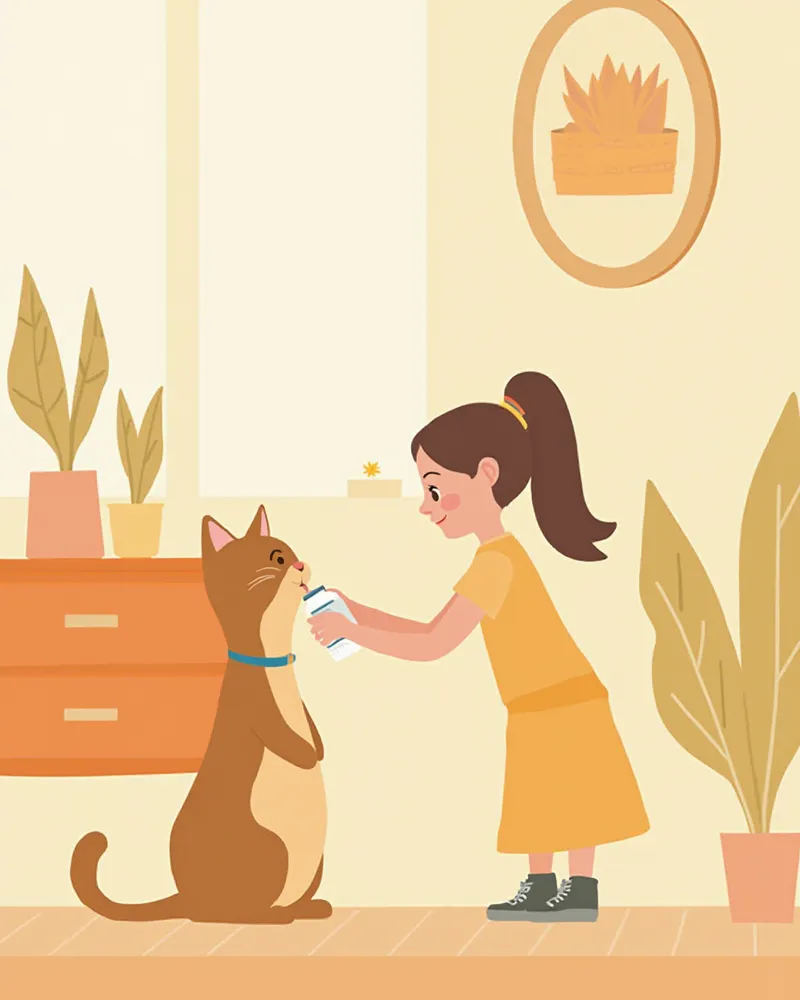
A guardian administering medication to a cat at home.

Monitor Kidney Function After Starting Treatment

Hyperthyroidism speeds up metabolism, which can mask underlying chronic kidney disease. Once treatment begins and thyroid hormone levels return to normal, this previously hidden kidney condition may become apparent. Therefore, it is important to recheck kidney values early on, as directed by your veterinarian, and adjust the treatment pace according to your pet's kidney status.

Dietary Management and Daily Care

Once treatment begins, hormone levels stabilize and your pet’s weight will gradually return to normal. It’s best to feed a high-quality, protein-rich diet and avoid sudden changes in food. If a low-iodine diet is used as a supplement, only prescription veterinary diets should be given—mixing in regular food or treats will completely negate its effectiveness. To reduce stress, provide a quiet environment, and keep daily records of weight and appetite changes, which will be very helpful during regular check-ups.
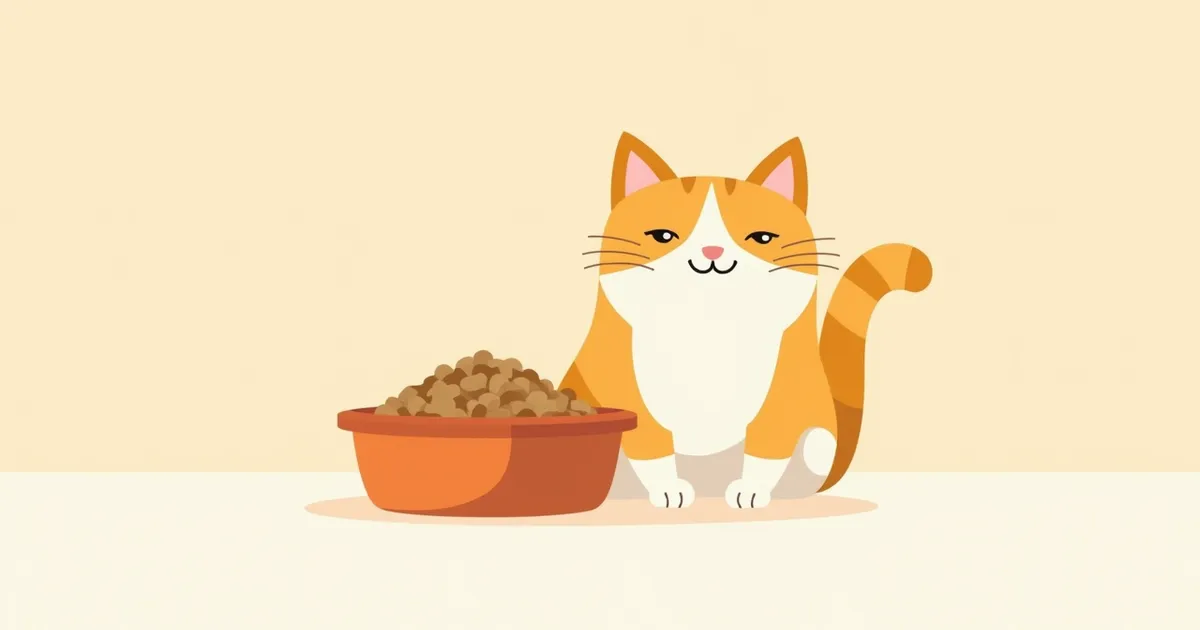
A healthy senior cat enjoying its prescription food in a quiet kitchen

Reviewed by a veterinarian

Dr. Tony — Punnawat Phongkittirak

Dr. Tony — Punnawat Phongkittirak

Veterinarian

A veterinarian who majored in veterinary medicine at Khon Kaen University, Thailand, and completed the IVSA program at North Carolina State University in the United States. Drawing on clinical experience at animal hospitals, he works in the pet healthcare field and is dedicated to building a digital care environment that connects pet parents with veterinarians.

Frequently Asked Questions

Can feline hyperthyroidism be cured?
It can be cured with radioactive iodine therapy or surgery. Radioactive iodine has a cure rate of over 95%, showing the highest effectiveness among the four treatment options. Medication maintains a high response rate while being taken, but relapse may occur upon discontinuation. Consult your veterinarian to determine the most suitable treatment based on your cat's condition.
Is there an alternative way to administer thyroid medication if it’s difficult to give pills?
Methimazole is also available as a transdermal gel applied to the inner skin of the ear, making it a good alternative for cats that are difficult to medicate orally. Ask your veterinarian about a prescription for the transdermal gel.
Does hyperthyroidism shorten a pet's lifespan?
With proper treatment, your pet can enjoy a normal lifespan. However, if left untreated, serious complications such as heart disease and kidney damage may develop, making early treatment essential.
Which cats are more prone to hyperthyroidism?
This condition is most commonly seen in middle-aged to senior cats over 10 years old, with an average age of about 13 at diagnosis. While there are no clear predispositions based on sex or breed, purebred cats such as Siamese and Himalayans are actually known to have a lower risk of developing the disease. Therefore, it's a good idea to check thyroid levels during regular check-ups for older cats, regardless of breed.
How often should thyroid tests be performed?
For cats aged seven and older, it's a good idea to check thyroid hormone levels during their annual health checkup. If your cat is already undergoing treatment, follow your veterinarian's instructions and schedule regular check-ups every three to six months.

Share

Related Guides

References

[1] Peterson ME, Kintzer PP, Hurvitz AI. Methimazole treatment of 262 cats with hyperthyroidism. J Vet Intern Med. 1988;2:150-157.

[2] Little SE. The Cat: Clinical Medicine and Management. 2nd Edition. Elsevier, 2012. Chapter on Hyperthyroidism.

[3] Ware WA. Textbook of Cardiovascular Medicine in Dogs and Cats. Chapter: Feline Hyperthyroidism.

[4] Hill P, Warman S, Shawcross G. 100 Top Consultations in Small Animal General Practice. Blackwell Publishing, 2011.

This information is based on veterinary literature and does not replace diagnosis or treatment. Please consult a veterinarian for specific health concerns.

Metapet Co., Ltd. | CEO: Park Sung-yong | Business Reg. No. 417-88-02562 | Seoul, South Korea | Customer Center

Feline Hyperthyroidism: Symptoms & Treatment | Meongsiljang