

Is hiking with your pet okay? — Safety rules to check before heading out
Hiking with your pet requires careful preparation that takes into account their fitness level, the temperature, and the terrain. We’ve put together a comprehensive guide covering breed-specific precautions, essential gear, and how to handle emergencies.
What is pet hiking? Key points for owners to know first
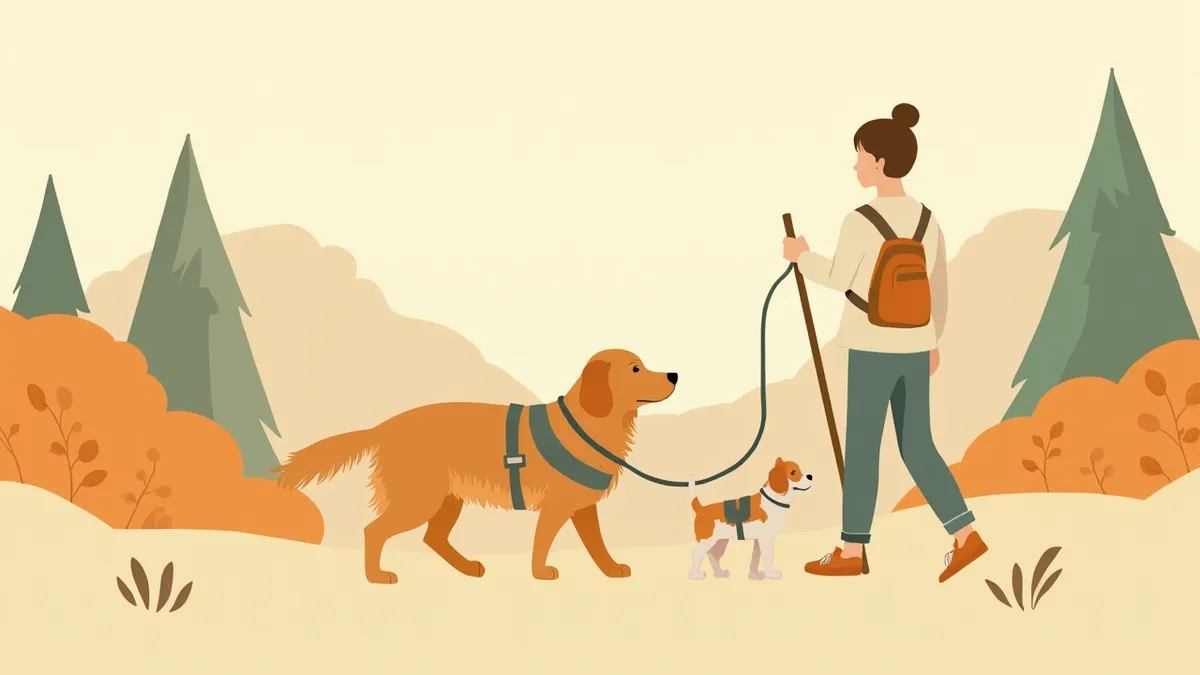
Physical and health assessment comes first before hiking
Comparison of hiking capability by breed and condition
| Item | Low intensity (1–2 hours) | Medium intensity (3–4 hours) | High intensity (5+ hours) |
|---|---|---|---|
| Medium·large active dogs (Retriever, Border Collie) | True | True | True |
| Small dogs (Maltese, Pomeranian) | True | False | False |
| Brachycephalic breeds (Bulldog, Pug, Pekingese) | False | False | False |
| Senior dogs (7 years+) | True | False | False |
| Cats (harness-trained) | True | False | False |
| Puppies (under 12 months old) | False | False | False |
Based on dogs with no underlying conditions and stable flat-ground walks. Individual differences exist, so consult your veterinarian.
Hiking is strictly prohibited in these cases
Postpone hiking if any of the following apply: hot, humid, or excessively cold weather; uphill or summer hikes for brachycephalic breeds (Bulldogs, Pugs, Shih Tzus); long-distance hikes for puppies that haven’t fully grown; diagnosed heart disease, tracheal collapse, or moderate-to-severe patellar luxation; or recent recovery from surgery or illness. Brachycephalic breeds have narrowed airways (BOAS) and reduced ability to cool down through panting, so strenuous exercise in unfavorable temperature, humidity, or terrain can lead to overheating, muscle damage (rhabdomyolysis), and exhaustion. On days with poor conditions, it’s safest to postpone hiking.
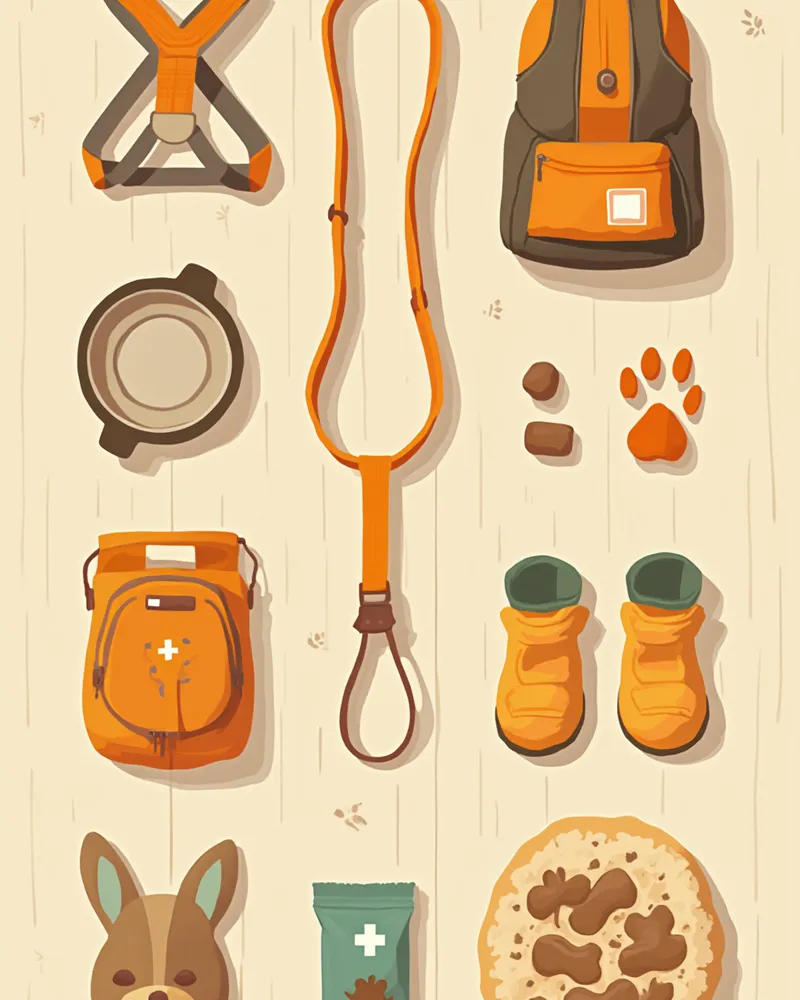
Essential gear checklist for pet hiking
Safety rules to always follow while hiking

Check for ticks and heatstroke even after descending
The most common issues after hiking are tick infestations and heatstroke. Ticks are especially prevalent in spring and summer when their vectors are most active, so extra caution is needed during these seasons. Immediately after descending, carefully check your pet’s neck, ears, armpits, groin, and between the toes by hand. If you find a tick, remove it completely—including the head—using tweezers, or have it removed at a veterinary clinic. Heatstroke occurs when your pet cannot dissipate heat during exercise; watch for signs such as bright red gums, sticky saliva, and staggering. If you observe these symptoms, immediately wet the legs and abdomen with cool water and transport your pet to a veterinary clinic. We recommend applying external parasite preventatives before hiking.
Is hiking with a cat possible?
Post-hike recovery and care points

Reviewed by a veterinarian

Dr. Tony — Punnawat Phongkittirak
VeterinarianA veterinarian who majored in veterinary medicine at Khon Kaen University, Thailand, and completed the IVSA program at North Carolina State University in the United States. Drawing on clinical experience at animal hospitals, he works in the pet healthcare field and is dedicated to building a digital care environment that connects pet parents with veterinarians.
Reviewed 2026-04-29
Frequently Asked Questions
From what age in months can pets start hiking?
How much water should I give my pet while hiking?
Why is hiking dangerous for brachycephalic breeds?
Can my pet still get bitten by ticks even after applying a tick preventive?
How many days should my dog rest after hiking?
Share
Related Guides

Primary vs. Secondary Veterinary Hospitals: A Comparison

5 Easy-to-Raise Cat Breeds for First-Time Owners — Grooming Difficulty Comparison

Top 7 Short-Legged Dog Breeds

Lymph Node Excision Surgery: When Is It Necessary and How Is It Performed?

What Is Canine Disc Surgery? — From Hemilaminectomy Procedure to Recovery

What is a Cystotomy in Cats? — From Preoperative Preparation to Recovery at a Glance

Corrective Surgery for Brachycephalic Airway Syndrome (BOAS)

Tumor Resection: What Are the Methods? — Why Margins Determine Recurrence

What is Feline Toxoplasmosis? — Risk of Human Infection and Prevention Guidelines

Complete Guide to IRIS Stages of Feline Chronic Kidney Disease
References
[1] Nutrient Requirements of Dogs and Cats, National Research Council (NRC)
[2] Clinical Medicine of the Dog and Cat, 4th Ed
[3] The Dog Care Handbook, Things I Wish My Vet Had Told Me