
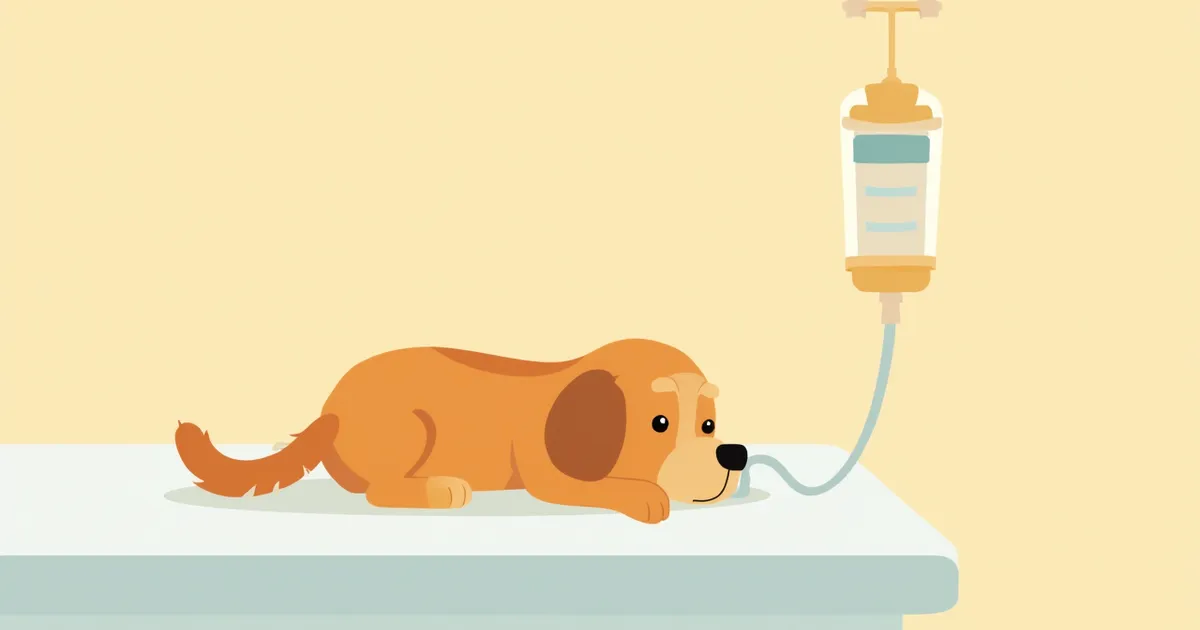
Diabetic Ketoacidosis (DKA) Emergency
Diabetic ketoacidosis is an emergency condition in which ketones rapidly accumulate in the blood due to a lack of insulin. If your pet does not receive veterinary care within 24 hours, their life is at risk.
What is Diabetic Ketoacidosis?

Why Does Ketoacidosis Occur?
Comparison of Symptoms: General Diabetes vs. Ketoacidosis
| Item | Simple diabetes | Ketoacidosis |
|---|---|---|
| Amount of water consumed | Slightly increased | Explosively increased |
| Energy level | Similar to usual | Severely lethargic |
| Appetite | Maintained | Rapidly decreased |
| Vomiting | None | Repeated vomiting |
| Breathing | Normal | Deep and rapid, acetone odor |
| Urgency | Manage on an outpatient basis | Immediate hospitalization and treatment |
If two or more of the symptoms on the right are present, go to the hospital immediately
Symptom Checklist for Pet Owners

Go to the Hospital Immediately, Even in the Early Morning, If You See These Signs
If your pet experiences repeated vomiting, becomes lethargic, shows rapid and deep breathing, or appears disoriented, seek immediate care at a 24-hour emergency veterinary hospital. Ketoacidosis requires simultaneous intravenous regulation of fluids, electrolytes, and insulin, making home management impossible. The longer treatment is delayed, the greater the risk of severe complications such as kidney failure and cerebral edema.
How Is It Treated at the Hospital?
How to Manage Care at Home After Discharge
Three Key Strategies to Prevent Relapse
First, store insulin as directed and use it within its expiration date. Improper storage reduces its effectiveness, leading to unstable blood sugar control and an increased risk of relapse. Second, hidden infections such as urinary tract infections or periodontal disease, as well as other concurrent conditions, can disrupt blood sugar levels and trigger ketoacidosis, so don’t skip regular check-ups. Third, hormones or underlying factors that increase insulin resistance may be present, so always consult your veterinarian before deciding on management strategies, including whether to spay or neuter.
Reviewed by a veterinarian

Dr. Tony — Punnawat Phongkittirak
VeterinarianA veterinarian who majored in veterinary medicine at Khon Kaen University, Thailand, and completed the IVSA program at North Carolina State University in the United States. Drawing on clinical experience at animal hospitals, he works in the pet healthcare field and is dedicated to building a digital care environment that connects pet parents with veterinarians.
Reviewed 2026-04-23
Frequently Asked Questions
If I check for ketones at home using test strips, can I avoid a vet visit?
How much should I expect to pay for treatment?
Can cats develop ketoacidosis?
I missed one insulin dose. Is that okay?
Does diabetes persist even after recovery?
Share
Related Guides

Chitosan Effects and Obesity/Fat Absorption

Top 5 Weight-Management Dog Food Recommendations for 2026

7 Best Cat Weight-Loss Diets Recommended by Veterinarians and How to Choose

What Is Fluorescein Staining for Cats? — A Complete Guide to the Procedure and Result Interpretation

Why Do Tear Stains Form on My Cat? — Causes and When to Visit the Vet Q&A

Feline Entropion (Eyelid Rolling) FAQ — Key Information Pet Owners Must Know

What is corneal perforation in cats? — How to recognize emergency warning signs

If Your Cat’s Eyes Look Cloudy — Causes of Corneal Edema and When to Visit the Vet

If Your Cat’s Pupil Looks Cloudy — Key Q&A on Cataract Causes and When to Treat

What is Phacoemulsification? — Cat Cataract Surgery Cost, Recovery, and Success Rate Q&A
References
[1] Notes on Canine Internal Medicine, 4th Ed
[2] Clinical Medicine of the Dog and Cat, 4th Ed
[3] The Dog Care Handbook, Things I Wish My Vet Had Told Me
[4] BSAVA Manual of Canine and Feline Dermatology, 4th Ed