Like
Share
멍실장
사료 리콜·회수 정보 확인 방법

If Your Pet’s Food Is Subject to a Recall — How to Check Recall Information and Take Action

DigestiveQ&AMeongsiljang Veterinary Advisory Board

We’ve compiled a guide on where and how to check for pet food recall and withdrawal notices, as well as step-by-step actions pet owners should take if their pet shows any unusual symptoms.

What Is a Pet Food Recall and Where Can You Check?
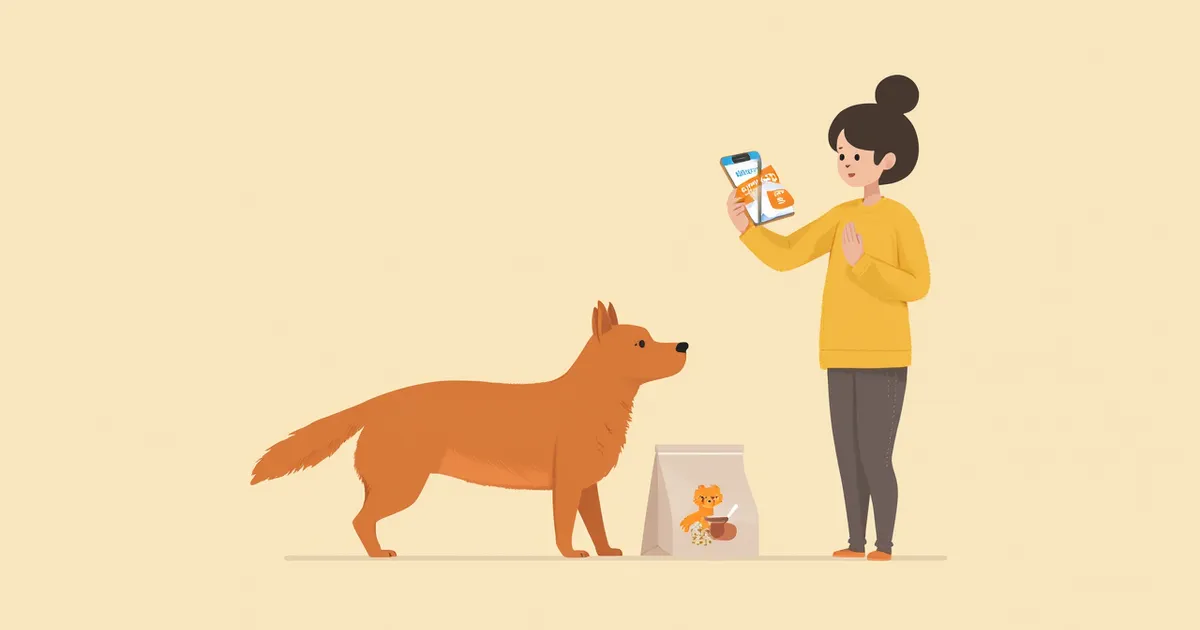
A pet owner checking the food packaging, accompanied by a dog and a cat.
A pet food recall is an official process in which manufacturers and distributors withdraw products that have been found to have safety or nutritional issues. The very first step is to verify information through official channels. For domestically produced foods, check the Animal Protection Management System of the Ministry of Agriculture, Food and Rural Affairs and announcements from the Ministry of Food and Drug Safety. For imported foods, refer to the U.S. FDA’s Pet Food Recalls page. Also check the manufacturer’s website and notifications from your purchase app to minimize the chance of missing any updates. If your product is subject to recall, stop feeding it immediately and take photos of the product’s lot number and expiration date.

Why Do Pet Food Recalls Occur?

There are four main reasons why pet food recalls are issued. First, contamination with pathogens such as Salmonella or Listeria. While commercially available pet foods are generally safe, cases of contamination from natural sources or infectious agents have been reported. Second, the detection of mycotoxins, particularly aflatoxin. Aflatoxin poisoning in dogs is most often linked to consuming contaminated food and can lead to liver damage and jaundice, accompanied by vomiting and diarrhea. Third, nutritional imbalances, such as excessive vitamin D3. Although rare, an overdose of vitamin D can cause dysfunction in organs like the kidneys. Fourth, issues involving foreign objects or ingredients, such as pentobarbital or methionine. Discrepancies between labeled and actual ingredients can pose safety risks.

Official Channels for Checking Pet Food Recall Information by Country and Agency

ItemDomestic (Korea)USAEurope/Other
Governing agencyMinistry of Agriculture·Quarantine AgencyFDA / AAFCOEU RASFF
Reference pageAnimal Protection Management System noticesFDA Pet Food RecallsRASFF Window
Notification methodPet food company's official websiteFDA email subscriptionRASFF weekly report
Lookup criteriaProduct name·manufacturing numberBrand·lotBrand·manufacturing date

For imported food, it's safer to also check the country-of-origin page.

Steps to Verify Whether Your Pet’s Food Is Subject to a Recall
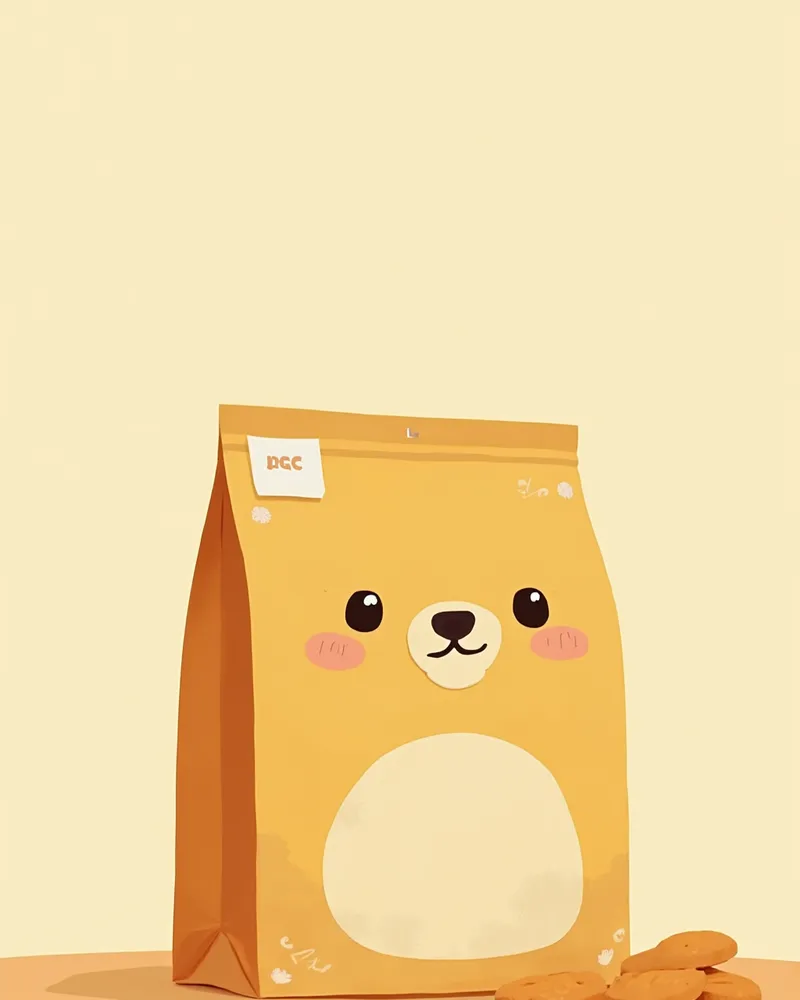
If you’ve seen a recall notice, please follow the steps below to verify your product. Only items with a lot/batch number and expiration date that exactly match those listed in the notice are subject to recall. Even if the brand and product name are the same, items from different production lines may not be affected. - Check the product name: Verify the full name printed on the front of the packaging. - Check the lot/batch number: Look for the imprint on the back of the bag or along the seams. - Check the expiration date: Pay attention to whether the date format is month/day/year or day/month/year. - Check your purchase channel: Confirm whether you bought the product from an official store, an importer, or through overseas direct shipping. - Store remaining food: Keep at least 200g of the food sealed for potential refunds or investigations.
A smartphone camera capturing the manufacturing number on the back of a pet food bag.

If Your Pet Has Already Eaten the Recalled Food, Go to the Vet Immediately

If any of the following symptoms persist for more than 24 hours after discontinuing the food, take your pet to a veterinary clinic immediately. Veterinary internal medicine textbooks emphasize that early intervention significantly influences the prognosis in cases involving mycotoxin or vitamin D toxicity. - Repeated vomiting, bloody stool, or severe diarrhea - Drinking more than twice the usual amount of water or a sudden increase in urine output - Lethargy and loss of appetite lasting more than one day - Jaundice (yellowing of the gums or the whites of the eyes) - Seizures or difficulty standing When visiting the clinic, bring the remaining food, the receipt, and a photo of the lot number to assist with diagnosis.

Refund and Exchange Procedures for Recalled Products
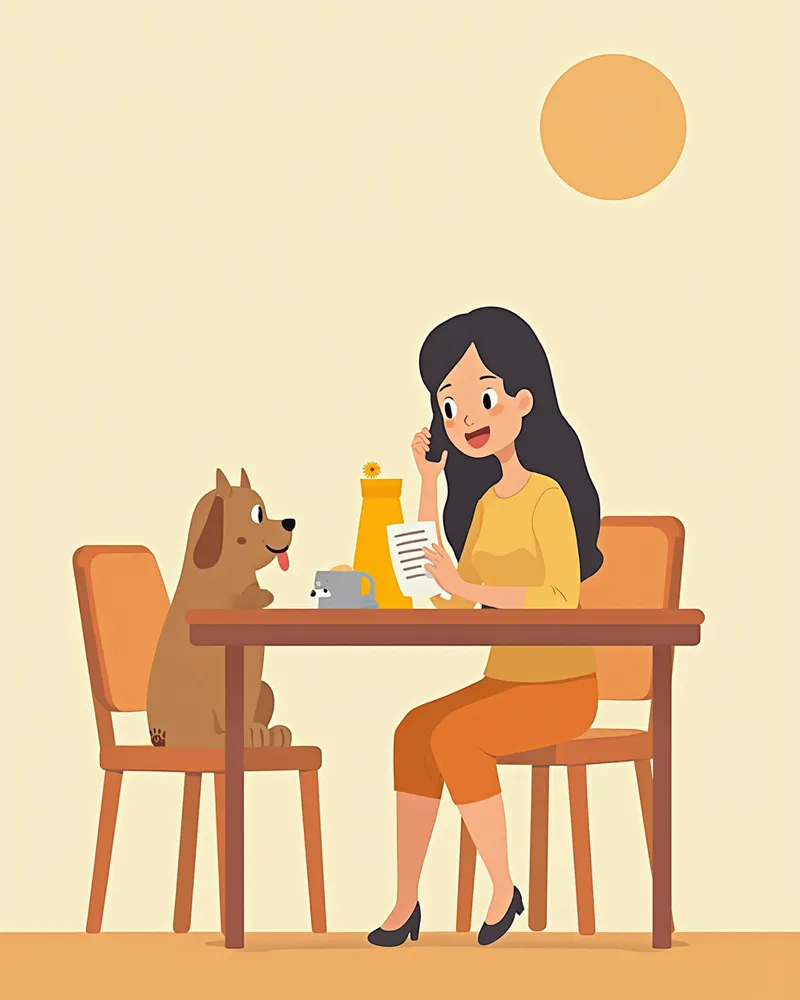
If the product is subject to a recall, you can receive a refund from either the manufacturer or the place of purchase. For items bought from the official online store, the retailer handles the process; for offline or imported products, the domestic importer often serves as the point of contact. The procedure typically follows these steps: - Contact Customer Service: Submit the product number and photos showing the remaining quantity. - Receive Return Label: Prepaid shipping is standard. - Refund Processing: Refunds are issued via card reversal or bank transfer within 3–7 business days. If you incurred veterinary expenses, you may file a separate compensation claim. Please keep the original copies of your diagnosis certificate, prescription, and receipts.
A pet owner contacting customer service with their pet food bag and receipt

Habits to Ensure You Don’t Miss Future Recall Information

Recalls are often announced without warning. By making a few simple habits part of your routine, you can catch issues early. - Subscribe to the manufacturer’s newsletter: Official emails provide the fastest updates. - Set up alerts from the FDA and RASFF: Essential for pet owners who purchase imported pet food. - Photograph the front and back of the packaging upon opening: Keep these records for reference regarding batch numbers and expiration dates. - Avoid buying large quantities at once: Spreading purchases across different batches reduces risk. - Keep a feeding log: Note when you switch foods and any changes in your pet’s condition. Veterinary toxicology and nutrition resources emphasize that dietary records—such as the duration and amount of food consumed, and the timing of any food changes—are crucial for identifying and diagnosing food-related health issues.

Always Transition to New Food Gradually

After confirming that your pet’s food is part of the recall, avoid switching to the new food abruptly, as sudden changes can cause vomiting and diarrhea. A safer approach is to gradually increase the ratio of new to old food over 7–10 days, progressing from 25% to 50%, then 75%, and finally 100% new food. However, if your pet is already showing symptoms, it’s best to start with a veterinarian-prescribed diet first.

Reviewed by a veterinarian

Dr. Tony — Punnawat Phongkittirak

Dr. Tony — Punnawat Phongkittirak

Veterinarian

A veterinarian who majored in veterinary medicine at Khon Kaen University, Thailand, and completed the IVSA program at North Carolina State University in the United States. Drawing on clinical experience at animal hospitals, he works in the pet healthcare field and is dedicated to building a digital care environment that connects pet parents with veterinarians.

Frequently Asked Questions

Can I still feed my pet other products from the same brand that weren’t included in the recall notice?
If the lot number, product name, or expiration date on your package differs from those listed in the recall notice, your product is not subject to recall. However, if it’s from the same production line, it’s a good idea to monitor your pet’s stool and appetite for a few days.
My pet ate a small amount of the recalled food but shows no symptoms. Is it okay to just monitor them?
Even if your pet shows no symptoms, stop feeding the product immediately and record their bowel movements, appetite, and water intake for at least 3 to 5 days. Letting your vet know by phone that there are no symptoms will help speed up any necessary follow-up care.
Where can I check for recalls on pet food purchased directly from overseas?
First, check the official authorities in the country of origin (such as the FDA in the U.S. or RASFF in Europe), and also review announcements on the domestic importer’s website. Directly imported products may not be reflected in domestic notices.
Do I need to keep the remaining pet food in order to receive a refund?
Most of the time, yes. For safety, keep any leftover food, the packaging, and your receipt on hand in case we need to check the batch number or initiate a recall. If you’ve already thrown them away, at least take a photo of the packaging.
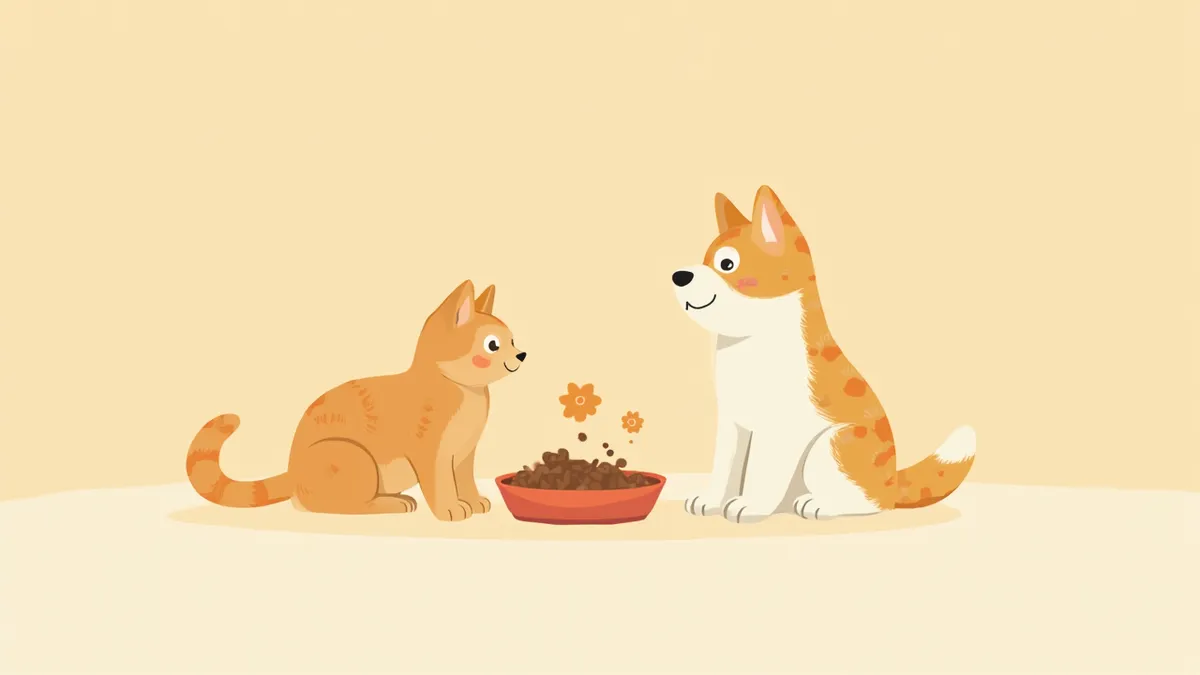
If my cat and dog have been eating the same food at home, do both of them need to be tested?
If both species have consumed it, it's best to monitor each pet's health separately. Even with the same food, dogs and cats may react differently to toxins, so observe them individually and consult a veterinarian if you notice any abnormalities.

Share

Related Guides

References

[1] Fascetti AJ, Delaney SJ. Applied Veterinary Clinical Nutrition, 2nd Ed. Commercial and Home-Prepared Diets, Chapter 8

[2] Ettinger SJ, Feldman EC, Cote E. Textbook of Veterinary Internal Medicine, 8th Ed. Nutrition-Related Disorders

[3] 농림축산검역본부, 사료 안전관리 및 회수 공고, 동물보호관리시스템(APMS)

This information is based on veterinary literature and does not replace diagnosis or treatment. Please consult a veterinarian for specific health concerns.

Metapet Co., Ltd. | CEO: Park Sung-yong | Business Reg. No. 417-88-02562 | Seoul, South Korea | Customer Center

Pet Food Recall: How to Check Recall Info and Take Action | Meongsiljang