Like
Share
멍실장
강아지 렙토스피라 신장 침범 자주 묻는 질문 Q&A — 보호자가 꼭 알아야 할 핵심

Is leptospiral kidney involvement in puppies dangerous? — A complete guide to symptoms and prevention

KidneyQ&AMeongsiljang Veterinary Advisory Board

Puppies are at higher risk of leptospiral kidney involvement if they haven’t been vaccinated or have come into contact with contaminated water. Here’s a summary of the key symptoms and what you should do as a pet owner.

What is leptospiral kidney involvement in dogs?

Risk of leptospirosis infection from contaminated water
Canine leptospiral renal involvement is a condition in which the kidneys are damaged due to infection with Leptospira, a spiral-shaped bacterium. Leptospira infection is a leading cause of acute kidney injury (AKI) and interstitial nephritis in dogs, as the bacteria invade the renal tubules and impair kidney function. These bacteria typically enter the body through the mouth or mucous membranes when dogs come into contact with urine from rodents or wildlife, or with water and soil contaminated by such urine, or when they ingest contaminated material. Once infected, the bacteria spread throughout the body via the bloodstream, establish themselves in the renal tubules, and begin to be excreted in the urine. The severity of symptoms can range from very mild to life-threatening, and mild cases may go unnoticed. Because the likelihood of recovery depends largely on how advanced the disease is at the time of diagnosis, it is crucial for pet owners to be aware of risk factors and take preventive precautions.

Why are dogs prone to Leptospira infection?
Environmental factors play a major role in dogs contracting leptospirosis. The bacteria are primarily spread through the urine of rodents such as rats and other wild animals, as well as through stagnant water or soil contaminated with that urine. If your dog is exposed to or ingests these contaminated substances outdoors, the bacteria can enter their body through the mouth and mucous membranes. While vaccines help reduce the severity of clinical symptoms, it’s important to know that even vaccinated dogs can become infected and shed the bacteria in their urine. Additionally, because vaccine-induced immunity is relatively short-lived, annual booster shots are recommended. Therefore, avoiding potentially contaminated environments and maintaining consistent vaccination are the most crucial prevention strategies. Early prevention and ongoing care are key.
Dogs are at risk of leptospira infection from contaminated soil.

What are the main symptoms?

The main symptoms of leptospiral kidney involvement in dogs are as follows. If you notice any of the changes below, consult a veterinarian immediately.
Loss of appetite: Your dog may suddenly eat poorly or appear lethargic.
Vomiting and diarrhea: Gastrointestinal signs such as vomiting and diarrhea may occur, and in some cases, bloody diarrhea may be observed.
Lethargy and fever: Your dog may seem listless all day, with either a fever or a drop in body temperature accompanied by shivering.
Changes in urine output: Kidney damage can lead to a sudden decrease in urine volume or even anuria (complete absence of urine).
Jaundice and muscle pain: You may notice jaundice, where the gums or eyes appear yellow, and muscle pain that makes your dog reluctant to move.
Symptoms caused by leptospira infection

Signs requiring immediate veterinary care

If your dog suddenly loses its appetite, becomes lethargic and collapses, vomits, or experiences a drastic reduction in urine output (to the point of almost none), you should seek veterinary care immediately. These signs may indicate acute kidney injury due to severe impairment of renal function. In severe cases, leptospirosis can be rapidly fatal, requiring hospitalization and intensive supportive treatment.

How is it diagnosed?
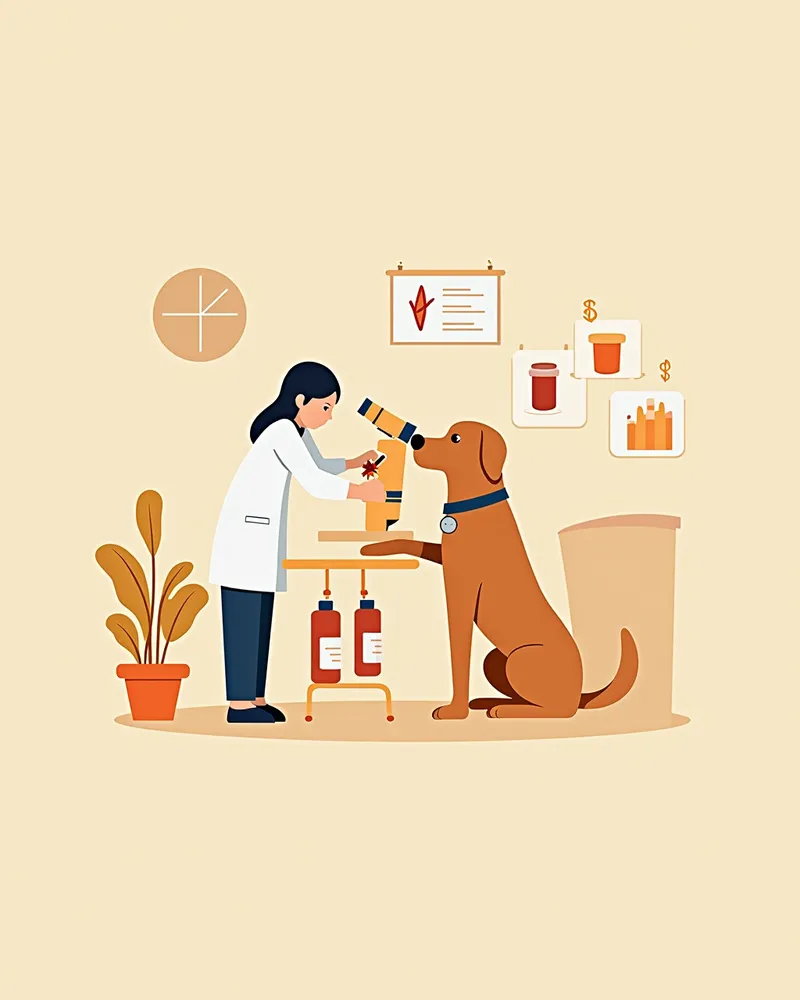
Diagnosing leptospiral kidney involvement in dogs requires a combination of tests for accuracy. - Blood tests: We check kidney markers like creatinine and BUN to assess the extent of damage, while also looking for other abnormalities such as low platelet counts. - Urinalysis: This evaluates signs of kidney injury, such as proteinuria, hematuria, and casts, as well as any issues with the urine’s concentrating ability. - Serology (antibody testing): Rapid tests like WITNESS or SNAP, or the microscopic agglutination test (MAT), measure specific antibodies. Comparing acute and convalescent serum samples taken 7–14 days apart helps confirm active infection if antibody titers rise fourfold or more. - PCR testing: This directly detects leptospiral DNA in blood or urine, which is especially useful in the early stage before antibodies develop. Note that prior antibiotic use can lead to false-negative results. - Ultrasound: Imaging allows us to visualize changes in kidney size and structure. Combining multiple diagnostic approaches ensures an accurate diagnosis.
The testing process for diagnosing leptospirosis

How is it treated?

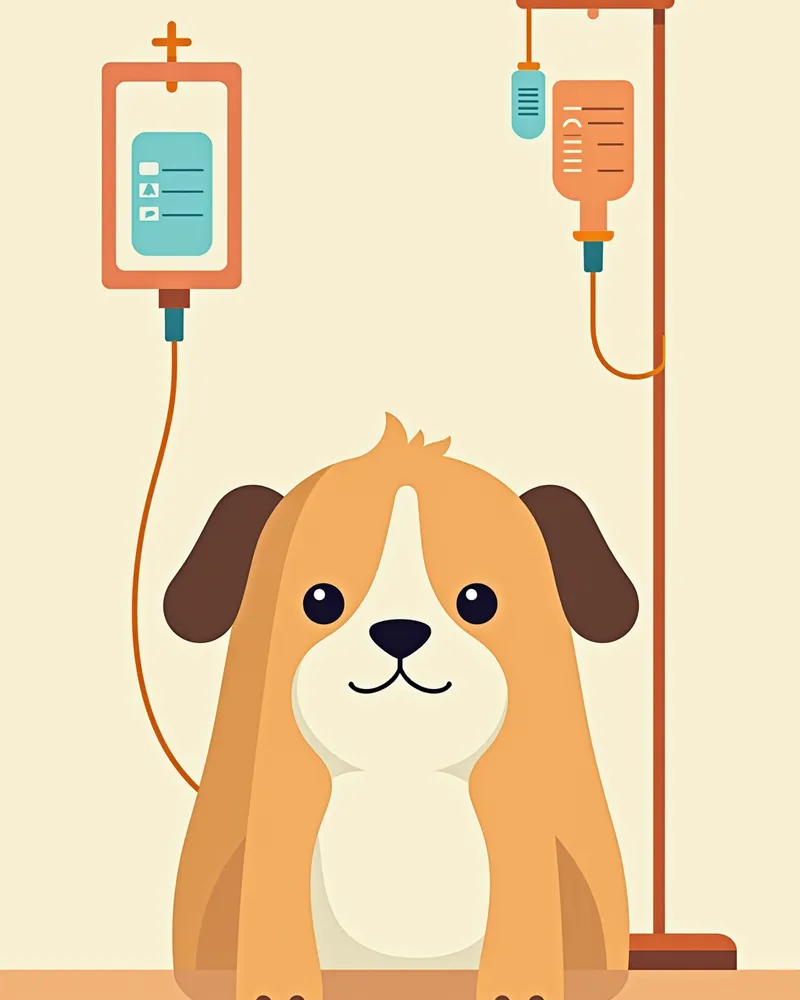
Treatment for leptospiral kidney involvement in dogs involves a combination of antibiotic therapy and supportive care. - Antibiotic therapy: Penicillin-class antibiotics (such as ampicillin or amoxicillin) are used to eliminate Leptospira bacteria. To prevent the bacteria from being shed in the urine, the medication is administered for the full duration prescribed by your veterinarian. - Fluid therapy: Adequate balanced, buffered fluids (e.g., lactated Ringer’s solution) are provided to correct dehydration and maintain renal perfusion (blood flow to the kidneys). - Nutritional support: If appetite is reduced, nutritional assistance is provided to support recovery. - Hospitalization and monitoring: In severe cases, hospitalization for intensive care is required. Weight, urine output, blood pressure, and electrolyte levels are monitored frequently, and blood and urine tests are repeated to assess the response to treatment. Long-term management and ongoing veterinary supervision are essential.
Fluid therapy during leptospira treatment

Key tips for prevention

To prevent leptospiral kidney involvement in dogs, the following measures are essential:
Vaccination: Begin the primary vaccination series at approximately 12 weeks (3 months) of age, administering 2–3 doses at 2–3-week intervals. Because immunity wanes quickly, annual booster shots are necessary.
Avoid contaminated water: Steer clear of stagnant water, rivers, and lakes that may be contaminated with urine from rodents or wild animals.
Post-walk hygiene: Thoroughly clean your dog’s paws and body after every walk.
Regular check-ups: Routine veterinary examinations help detect abnormalities early.
Limit contact with high-risk animals: Minimize exposure to rodents, animals suspected of infection, and contaminated environments.
Cleaning and management for leptospira prevention

Precautions

Leptospira bacteria can also be transmitted to humans. When your dog visits the clinic or is undergoing treatment, be sure to wash your hands thoroughly and dispose of any infected excrement immediately. Family members with weakened immune systems should avoid contact with the dog.

Reviewed by a veterinarian

Dr. Tony — Punnawat Phongkittirak

Dr. Tony — Punnawat Phongkittirak

Veterinarian

A veterinarian who majored in veterinary medicine at Khon Kaen University, Thailand, and completed the IVSA program at North Carolina State University in the United States. Drawing on clinical experience at animal hospitals, he works in the pet healthcare field and is dedicated to building a digital care environment that connects pet parents with veterinarians.

Frequently Asked Questions

When should puppies start receiving the leptospirosis vaccine?
Core vaccinations typically begin at around 12 weeks (3 months) of age, with 2 to 3 doses administered at 2- to 3-week intervals. Because immunity wanes relatively quickly, annual booster shots are necessary thereafter.
How long does it take to recover after a leptospirosis infection?
The time it takes to recover varies significantly depending on how advanced the disease is at the time of diagnosis. While supportive treatments such as antibiotics and intravenous fluids can aid recovery, severe kidney damage may lead to chronic kidney disease (CKD) even after recovery, necessitating ongoing management.
Yes, leptospirosis can be transmitted from dogs to humans.
Yes, leptospirosis is a zoonotic disease that can be transmitted to humans. The risk is particularly high when exposed to infected urine or feces, so people with weakened immune systems and children should take extra precautions.
Are there any side effects associated with the leptospirosis vaccine?
While temporary adverse reactions can occur after vaccination, the specific side effects and their severity vary depending on your dog's condition, so it's a good idea to consult with your veterinarian before and after the vaccination.
How likely is it for leptospirosis to recur after infection?
Vaccines help reduce clinical symptoms, but they do not completely prevent infection or bacterial shedding. They are serovar-specific, meaning they do not provide cross-protection against other serovars. Additionally, because immunity wanes relatively quickly, regular booster vaccinations and ongoing management are essential.

Comparison of Leptospira vaccine types

ItemVaccine typeDuration of effectMain side effectsRecommended timing
1-in-1 vaccine1 Leptospira strain1 yearMild feverFrom 12 weeks (about 3 months) of age
4-in-1 vaccine4 strains including Leptospira1 yearFever, shock reactionFrom 12 weeks (about 3 months) of age
7-in-1 vaccine7 strains including Leptospira1 yearFever, edemaFrom 12 weeks (about 3 months) of age

The vaccine type is recommended by the veterinarian based on the puppy's living environment and risk level. The primary series is given from about 12 weeks of age, 2–3 times at 2–3 week intervals, and because immunity is short-lived, annual booster shots are recommended.

Share

Related Guides

References

[1] Plumb's Veterinary Drug Handbook, 9th Edition, 2022

[2] The Merck Veterinary Manual, 12th Edition, 2021

[3] American Veterinary Medical Association (AVMA) Guidelines on Leptospirosis Prevention, 2023

This information is based on veterinary literature and does not replace diagnosis or treatment. Please consult a veterinarian for specific health concerns.

Metapet Co., Ltd. | CEO: Park Sung-yong | Business Reg. No. 417-88-02562 | Seoul, South Korea | Customer Center

Is Leptospiral Kidney Disease Dangerous in Puppies? | Meongsiljang