Like
Share
멍실장
강아지 흡인성 폐렴 자주 묻는 질문 Q&A — 보호자가 꼭 알아야 할 핵심

Dog Aspiration Pneumonia FAQ — Key Information Every Owner Must Know

RespiratoryQ&AMeongsiljang Veterinary Advisory Board

Aspiration pneumonia in dogs occurs when food or stomach contents enter the airways, causing lung inflammation. Early detection and appropriate treatment are critical to survival.

What is aspiration pneumonia in dogs?
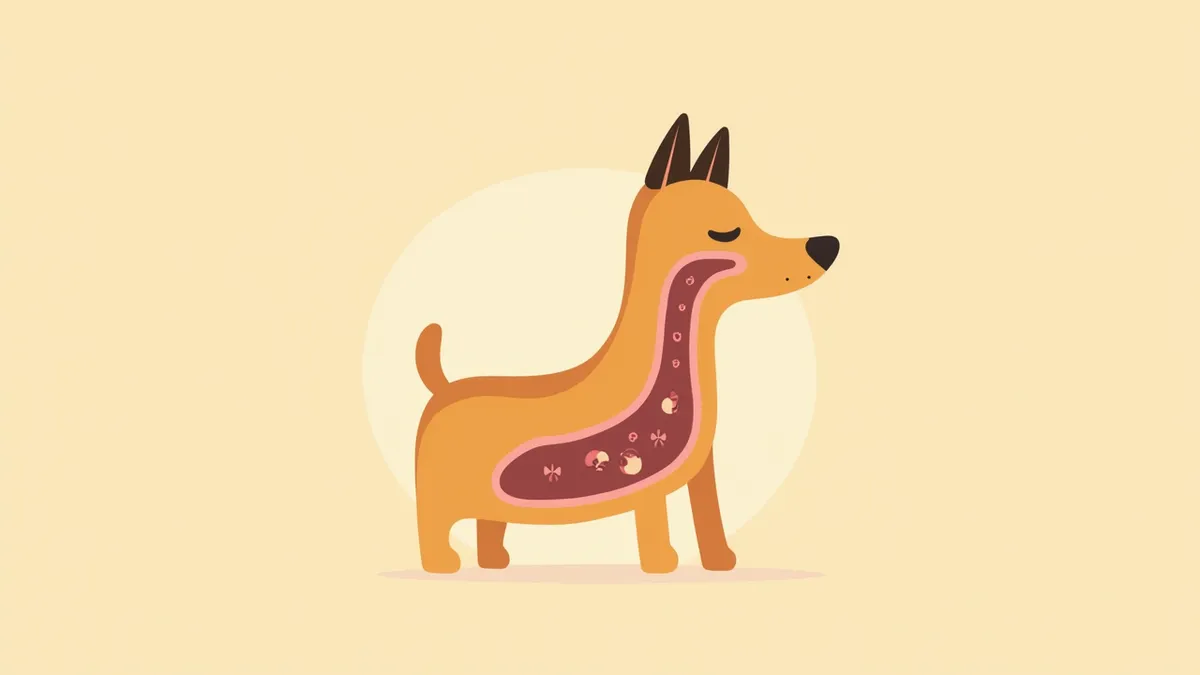
A visual representation of food mistakenly inhaled into a dog's airway
Aspiration pneumonia in dogs occurs when food, stomach contents, or saliva accidentally enter the airway, causing inflammation in the lungs. When gastric acid or oral and pharyngeal contents are aspirated into the lungs, chemical pneumonitis and damage from foreign material trigger an inflammatory response, which can subsequently lead to bacterial infection. Aspiration pneumonia is reported more frequently in dogs than in cats and can occur at any age or in any breed, though it is particularly common in large-breed dogs with frequent esophageal or laryngeal dysfunction. Lung inflammation can cause difficulty breathing, coughing, and elevated body temperature; in severe cases, insufficient oxygen supply may lead to cyanosis, where the lips turn blue. If you suspect these symptoms, it is crucial to seek veterinary care immediately, as early detection and treatment significantly improve recovery and prognosis. Prevention and prompt response are the most effective ways to manage this condition.

What are the main causes of aspiration pneumonia?

Aspiration pneumonia primarily occurs when food or stomach contents are accidentally inhaled into the airways. Common causes include impaired swallowing, dysfunction of the esophagus or larynx, and diminished airway protective reflexes during recovery from anesthesia. While aspiration pneumonia can affect dogs of any age or breed, it is particularly prevalent in large breeds prone to esophageal and laryngeal disorders. Additionally, airway irritation can blunt the cough reflex, failing to prevent aspiration. Gastroesophageal reflux is another significant factor; when stomach acid enters the lungs, it impairs surfactant function, leading to loss of surface tension and potential lung collapse (atelectasis). Other risk factors include endotracheal intubation, tube feeding, and reduced gastric motility. Recognizing these risks and taking preventive measures is essential.
A puppy eating food hurriedly

What are the main symptoms of aspiration pneumonia?

The main symptoms of aspiration pneumonia include coughing, difficulty breathing, increased respiratory rate, elevated body temperature, and cyanosis—a bluish discoloration of the lips or oral mucosa caused by oxygen deprivation. Systemic signs such as loss of appetite, lethargy, and weakness may also be present.
Coughing: Frequent coughing often occurs after inhalation.
Difficulty breathing: Breathing becomes rapid, and labored breathing with exaggerated chest movement is prominent.
Abnormal lung sounds: Abnormal sounds, such as crackles (rales), may be heard in the lungs during auscultation.
Elevated body temperature: Fever is common as inflammation progresses in the lungs.
Cyanosis of the lips: Insufficient oxygen supply causes the lips or oral mucosa to turn blue.
Lethargy: The pet shows reduced vitality, moves less, and has a poor appetite.
A puppy experiencing respiratory distress due to aspiration pneumonia

Symptoms Requiring Immediate Veterinary Visit

If your dog is coughing repeatedly, has blue-tinged lips, or appears to be in severe distress while breathing, seek veterinary care immediately. These signs may indicate serious lung damage.

How is aspiration pneumonia diagnosed?
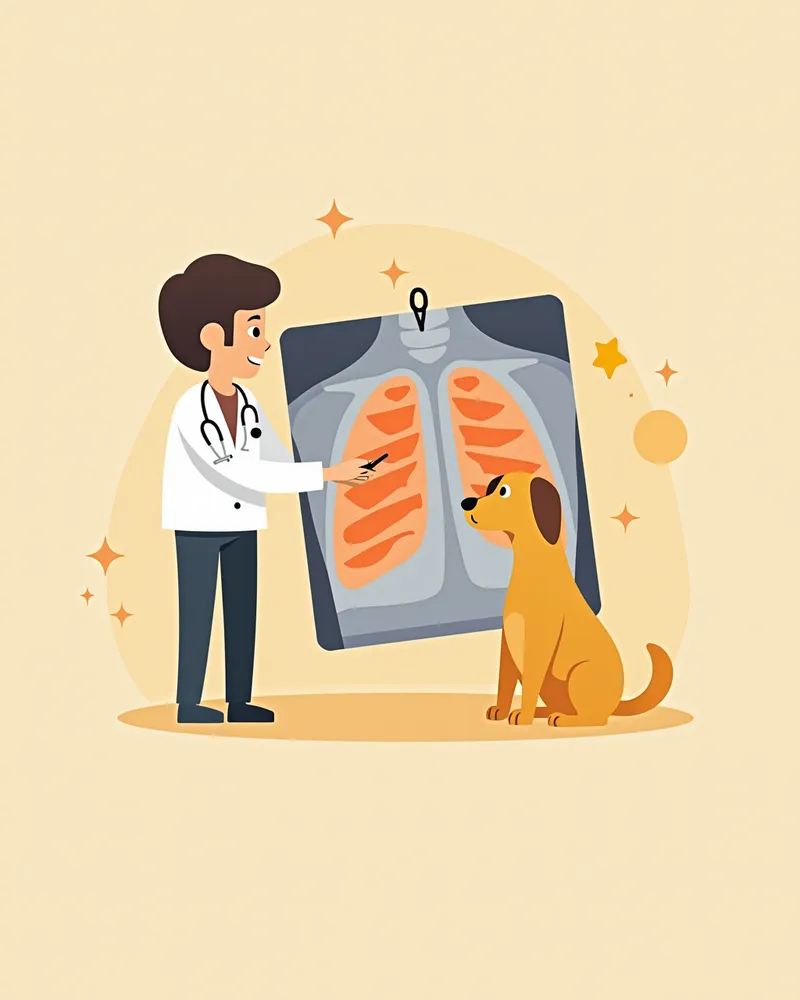
Aspiration pneumonia can be diagnosed through chest X-rays, which reveal hazy shadows or inflammatory responses in the lungs. - Chest X-ray: This allows for visual identification of abnormalities in the lungs caused by aspirated material. - Blood tests: These check for elevated inflammatory markers to assess the presence of infection. - Oxygen saturation measurement: This quantitatively evaluates respiratory status and oxygen supply capacity. - Medical history and symptom analysis: If symptoms such as coughing, difficulty breathing, or elevated body temperature are present, aspiration pneumonia should be suspected. Early diagnosis is crucial for successful treatment, so prompt veterinary care is necessary if symptoms are suspected.
Chest X-ray for diagnosing aspiration pneumonia

How is aspiration pneumonia treated?

The earlier treatment for aspiration pneumonia begins, the better the chances of recovery. - Oxygen therapy: If your pet is having trouble breathing, oxygen is provided to stabilize lung function. - Antibiotic administration: Empirical antibiotics are used to prevent and treat bacterial infections that occur after aspiration, with medications such as doxycycline being commonly prescribed. If there is a poor response to oral or injectable treatments, antibiotics may be administered via nebulization. - Fluid therapy: Essential for preventing dehydration and restoring fluid balance in the body. - Caution with steroids: Corticosteroids (steroids) have not been proven effective and may even be harmful, so they are generally not recommended. In some cases, hospitalization may be necessary, so always follow your veterinarian’s guidance.
Oxygen therapy for a puppy being treated for aspiration pneumonia

Home Care Management Methods

During the recovery phase after aspiration pneumonia, it is important to maintain a quiet and stable environment. Offer small, frequent meals of soft, moist food. Keeping your dog seated for 15 minutes after eating can help reduce the risk of aspiration. If an oxygen delivery device is needed, use it strictly according to your veterinarian’s instructions. Administer medications precisely on schedule, and contact your clinic immediately if any adverse reactions occur. Carefully monitoring changes in your dog’s condition is the key to effective management during recovery.
Dietary management for a puppy recovering from aspiration pneumonia

Precautions for Prevention

It is important to use a slow-feeder bowl to help your dog eat at a slower pace and prevent them from gulping down their food. Additionally, to prevent acid reflux before and after anesthesia, you must follow your veterinarian’s instructions regarding fasting.

Reviewed by a veterinarian

Dr. Tony — Punnawat Phongkittirak

Dr. Tony — Punnawat Phongkittirak

Veterinarian

A veterinarian who majored in veterinary medicine at Khon Kaen University, Thailand, and completed the IVSA program at North Carolina State University in the United States. Drawing on clinical experience at animal hospitals, he works in the pet healthcare field and is dedicated to building a digital care environment that connects pet parents with veterinarians.

Frequently Asked Questions

Is aspiration pneumonia treatable?
Yes, with early diagnosis and appropriate treatment, most pets can make a full recovery. However, if treatment is delayed, complications such as lung abscesses or pyothorax may develop, leading to a poorer prognosis.
What should I do if my dog inhales food?
Lay your dog down in a stable position right away, and check if their airway is blocked. If it is, take emergency measures and get to a vet as soon as possible.
Can aspiration pneumonia recur?
Yes, dogs with compromised airway protection—such as those with esophageal or laryngeal dysfunction—or those experiencing recurrent acid reflux are at a higher risk of recurrence. Ongoing management and regular veterinary check-ups are essential.
What is the prognosis for aspiration pneumonia?
With early detection and treatment, most pets can make a full recovery. However, if treatment is delayed, the prognosis may worsen, so long-term management under the guidance of a veterinarian is essential.
What are the ways to prevent aspiration pneumonia?
Practicing pre- and post-anesthesia fasting, caring for esophageal and laryngeal health, and following a diet to prevent acid reflux can help prevent these issues.

Step-by-Step Response Guide for Aspiration Pneumonia Symptoms

ItemMain SymptomsEmergency ResponseWhether a Vet Visit Is Needed
MildSlight coughing, breathing becomes slightly fasterRest in a calm environment, observe the condition frequentlyVeterinary consultation recommended
ModeratePersistent coughing, lips turning blue (cyanosis)Provide oxygen, transport to the hospital immediatelyImmediate hospital visit essential
SevereSevere respiratory distress, lethargy, elevated body temperatureEmergency oxygen therapy and intensive care requiredEmergency room visit essential

If symptoms worsen, go to the hospital immediately. Early intervention improves the survival rate.

Share

Related Guides

References

[1] Wayne, A., Davis, M., Sinnott, V.B., and Bracker, K. (2017). Outcomes in dogs with uncomplicated, presumptive bacterial pneumonia treated with antibiotics. Animals, 11: 3096.

[2] Clercx, C., et al. (2003). Community-acquired infectious pneumonia in puppies: 65 cases (1993–2002). Journal of the American Veterinary Medical Association, 230(10), 1491–1497.

[3] Radhakrishnan, A., Drobatz, K.J., Culp, W.T., & King, L.G. (2007). Community-acquired infectious pneumonia in puppies: 65 cases (1993–2002). J Am Vet Med Assoc, 230(10), 1491–1497.

This information is based on veterinary literature and does not replace diagnosis or treatment. Please consult a veterinarian for specific health concerns.

Metapet Co., Ltd. | CEO: Park Sung-yong | Business Reg. No. 417-88-02562 | Seoul, South Korea | Customer Center

Aspiration Pneumonia in Dogs: 5 Frequently Asked Questions | Meongsiljang