Like
Share
멍실장
강아지 모피 종류 (단모·장모·곱슬)

Dog Coat Types (Short, Long, Curly)

ImmunityQ&AMeongsiljang Veterinary Advisory Board

Dog coats come in various types, such as short, long, curly, and wiry. The amount of shedding, grooming difficulty, and risk of skin conditions vary depending on the coat type.

What Are Dog Coat Types?
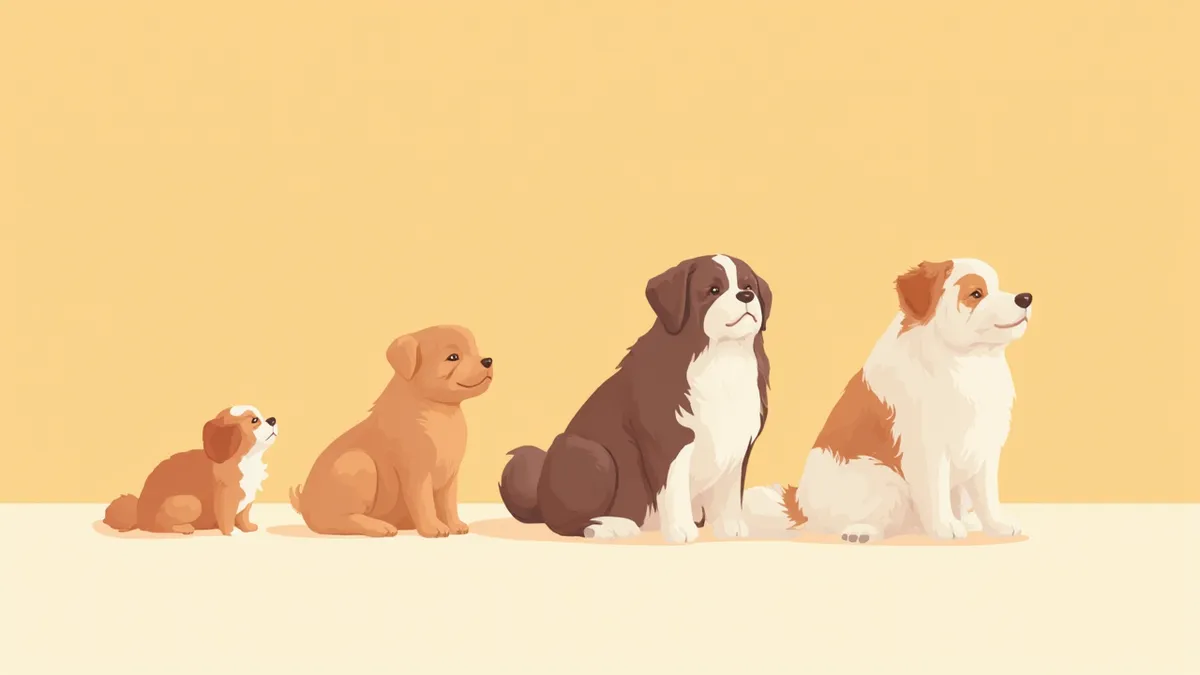
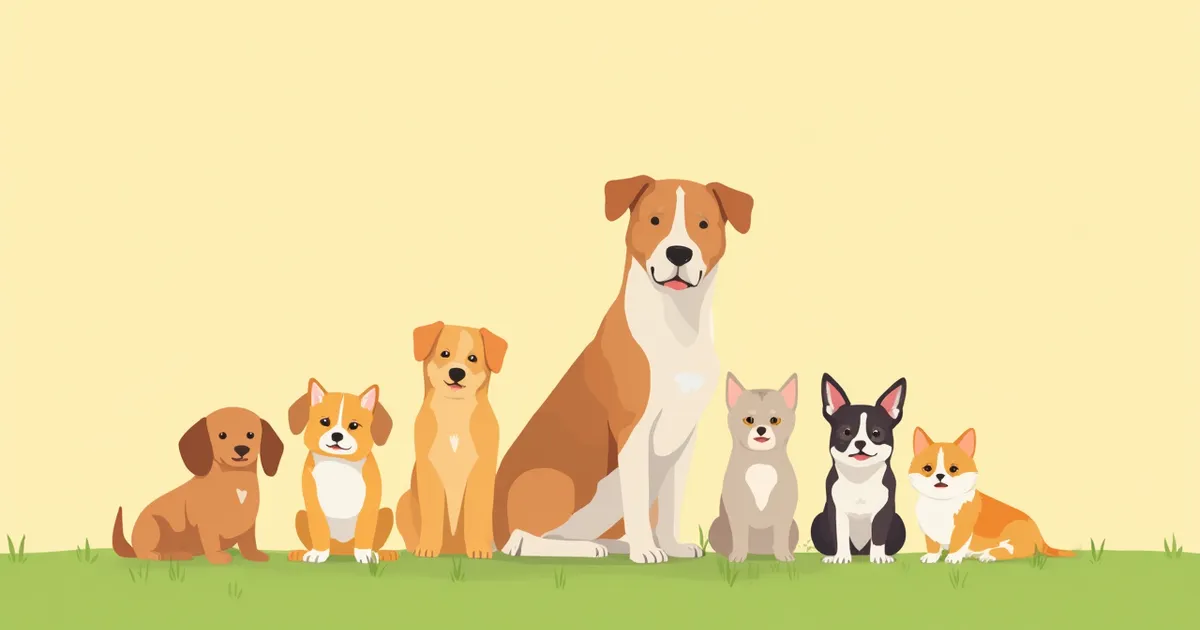
Comparison image of four types of dog coats
A dog’s coat is a skin appendage categorized into four types—smooth, long, curly, and wire—based on hair length, thickness, and curl pattern. The key takeaway is that each coat type requires different grooming practices and carries distinct risks for skin conditions. Knowing your dog’s specific coat type helps you determine the right brushing frequency, bathing schedule, and nutritional support. While coat type is genetically determined, its shine and density can vary significantly depending on nutrition and hormonal balance.

Basic Coat Structure (Double Coat with Guard Hair and Undercoat vs. Single Coat)

Dog coats are broadly categorized into double coats and single coats. A double coat consists of both a guard hair outer layer and an undercoat, providing insulation and water resistance. Pomeranians, Siberian Huskies, and Jindo dogs are typical examples. In contrast, single-coated breeds have little to no undercoat, resulting in less shedding but reduced cold tolerance. Poodles, Maltese, and Yorkshire Terriers fall into this category. Dogs with double coats experience a phenomenon known as "blowing coat," where they shed large amounts of undercoat during seasonal transitions.

Comparison of Coat Type Characteristics

ItemShort coatLong coatCurlyWire
Representative breedsBeagle, Dachshund, ChihuahuaMaltese, Shih Tzu, PomeranianPoodle, Bichon FriseSchnauzer, Wire Fox Terrier
SheddingHeavyModerate to heavyVery littleLittle
Brushing frequency1-2 times/weekDaily2-3 times/week2-3 times/week
Grooming needsLowModerateHigh (every 2 months)High (stripping)
Skin disease riskModerateHigh (matting, eczema)ModerateLow

Pros and Cons of Short, Long, and Curly Coats
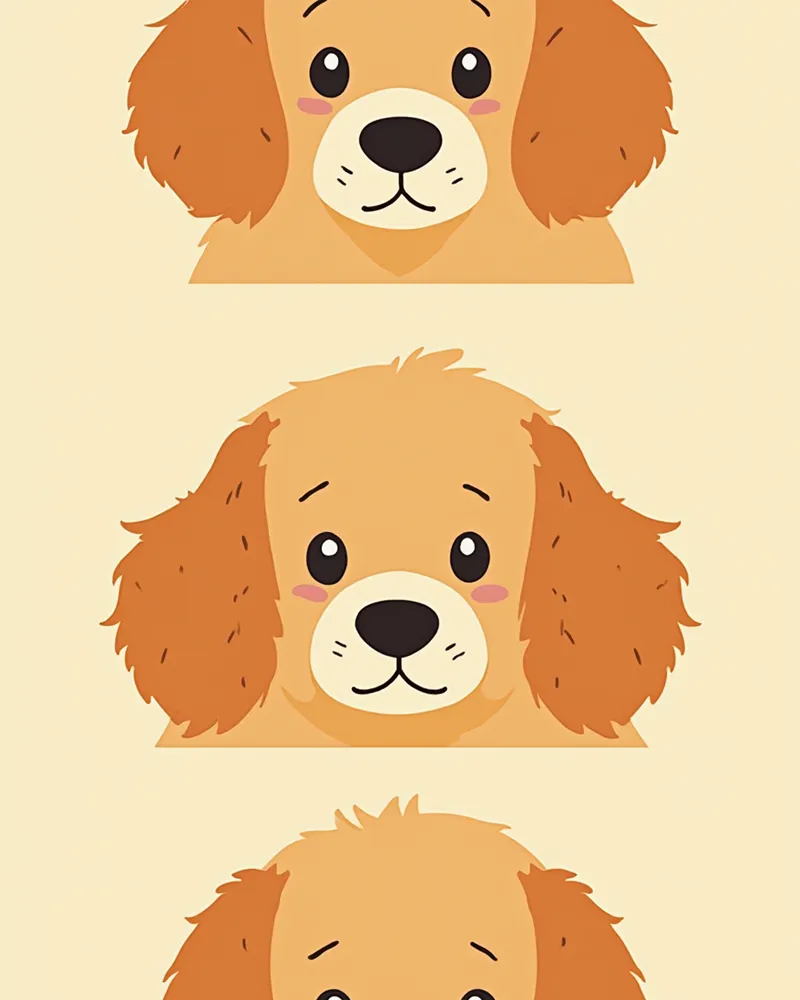
- Short-haired: Easy to care for, but they shed more and their skin is directly exposed to irritation. They are sensitive to UV rays in summer and cold in winter. - Long-haired: They have a luxurious appearance, but if not brushed daily, tangles can form, leading to eczema and bacterial infections in the tangled areas. - Curly: The advantage is minimal shedding, but their hair grows quickly, making regular grooming (recommended every 2 months) essential. If neglected, the fur can harden like felt, requiring a complete shave.
Close-up comparison of short, long, and curly coat textures

When to Visit the Vet

Even with proper grooming, the following symptoms may indicate a skin or endocrine disorder: ① symmetrical hair loss on both sides of the body, ② thin, brittle hair that breaks off easily, ③ darkened skin or severe dandruff, and ④ persistent licking or scratching of specific areas. Possible causes include hypothyroidism, Cushing’s syndrome, atopic dermatitis, and demodicosis. Do not attempt self-diagnosis; please consult a veterinarian for a proper examination.

Proper Grooming by Coat Type
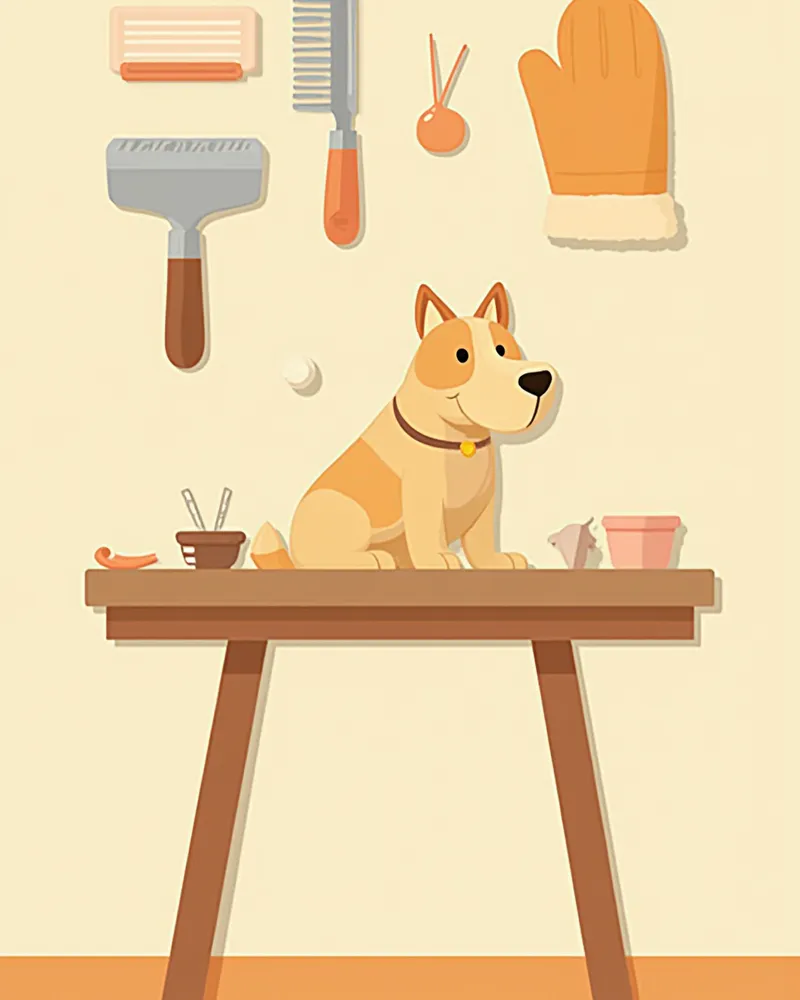
- Short-haired: Use a rubber brush or mitt to remove dead hair once or twice a week. Bathing once or twice a month is sufficient. - Long-haired: Brush daily in this order: pin brush, then slicker brush, then comb. Always detangle thoroughly before bathing. - Curly: This coat type mats more tightly when wet, so be sure to brush carefully both before and after bathing. - Wire-haired: The traditional grooming method is hand-stripping rather than clipping, but for companion pets, clipping is also an acceptable option.
Grooming Brush Set for Dogs by Coat Type

Nutritional Points for Coat Health

Coat health is directly linked to nutritional status. - Omega-3 and Omega-6 fatty acids: These help improve skin barrier function and enhance coat shine. Key sources include fish oils (including salmon oil), evening primrose oil, and sunflower seed oil. To properly assess their effectiveness, consistent supplementation for at least 6 to 8 weeks is recommended. - Protein: Since hair is primarily composed of keratin (a protein), adequate intake of high-quality protein is essential. - Zinc and Biotin: Zinc plays a vital role in normal epithelialization. A balanced nutrient profile that includes zinc can influence the maintenance of healthy skin and coat. - Vitamin A: Alongside essential fatty acids (EFAs) and zinc, vitamin A supplementation may support the management of certain skin conditions. If your pet’s coat has become thin without an obvious cause, start by checking the protein content in their diet.

Summer Care Tips for Short-Haired and Double-Coated Dogs

Double-coated breeds (Pomeranians, Siberian Huskies, and Jindo dogs) should not have their undercoat shaved off in summer. The undercoat plays a crucial role in temperature regulation and skin protection. Shaving it can lead to post-clipping alopecia, a condition where the hair takes a long time to grow back or returns with altered texture and density. Instead, it is best to use a de-shedding tool to remove only the dead undercoat. For short-haired dogs, whose skin is directly exposed, consider using UV-protective clothing or dog-specific sunscreen during summer walks.

Reviewed by a veterinarian

Dr. Tony — Punnawat Phongkittirak

Dr. Tony — Punnawat Phongkittirak

Veterinarian

A veterinarian who majored in veterinary medicine at Khon Kaen University, Thailand, and completed the IVSA program at North Carolina State University in the United States. Drawing on clinical experience at animal hospitals, he works in the pet healthcare field and is dedicated to building a digital care environment that connects pet parents with veterinarians.

Frequently Asked Questions

My pet has allergies. What type of bedding would be best for them?
While some pet owners prefer curly-coated or single-coat breeds like Poodles, Bichon Frises, and Maltese, it’s important to know that no breed is truly “hypoallergenic.” Dog allergies are primarily triggered by dander (dead skin cells) and proteins in saliva, and individual reactions can vary widely regardless of coat type. Before adopting, be sure to spend ample time with the specific breed to see how you personally react.
When does a puppy’s coat transition into its adult coat?
Most dogs transition from their puppy coat to their adult coat between 6 and 12 months of age. During this period, it’s normal for the fur to temporarily appear coarse or change color. In large breeds, the adult coat may not be fully developed until 18 months of age.
Does shaving a pet’s coat make the fur grow back thicker and fuller?
No, that’s not the case. Hair thickness and density are determined by the hair follicles, so they don’t change after grooming. The new hair may just feel coarser because it’s shorter when it first grows back. However, if double-coated dogs are shaved too closely, the growth rate and texture of their coat can change.
My pet’s hair loss has suddenly gotten worse. Should I take them to the vet?
Shedding during seasonal transitions (spring and autumn) is normal, but symmetrical hair loss on both sides of the body, accompanied by dandruff and darkening of the skin, may indicate thyroid or adrenal disorders, or infestations such as demodex mites or dermatophytosis (ringworm). If these signs persist for more than two weeks, please consult a veterinary dermatologist.
How often should I bathe my pet?
For short-haired dogs, bathing once or twice a month is typical, while long-haired or curly-coated breeds generally need a bath every two to three weeks. Washing too frequently can strip the skin’s natural lipid barrier, potentially leading to dermatitis. However, spot-cleaning just the paws and belly after walks is safe to do daily.

Share

Related Guides

References

[1] BSAVA Manual of Canine and Feline Dermatology, 4th Edition

[2] Muller and Kirk's Small Animal Dermatology, 8th Edition

[3] Canine and Feline Nutrition: A Resource for Companion Animal Professionals, 3rd Edition

This information is based on veterinary literature and does not replace diagnosis or treatment. Please consult a veterinarian for specific health concerns.

Metapet Co., Ltd. | CEO: Park Sung-yong | Business Reg. No. 417-88-02562 | Seoul, South Korea | Customer Center

Dog Coat Types: Short, Long & Curly Explained | Meongsiljang