Like
Share
멍실장
마로피턴트(세레니아) 구토 억제제, 우리 아이에게 써도 될까요?

Maropitant (Cerenia) Antiemetic: Is It Safe for Your Pet?

DigestiveQ&AMeongsiljang Veterinary Advisory Board

Maropitant (Cerenia) is a leading antiemetic used to control vomiting in dogs and cats. Here’s a simple overview of its effectiveness, when to use it, potential side effects, and important precautions.

What Is Maropitant (Cerenia)?
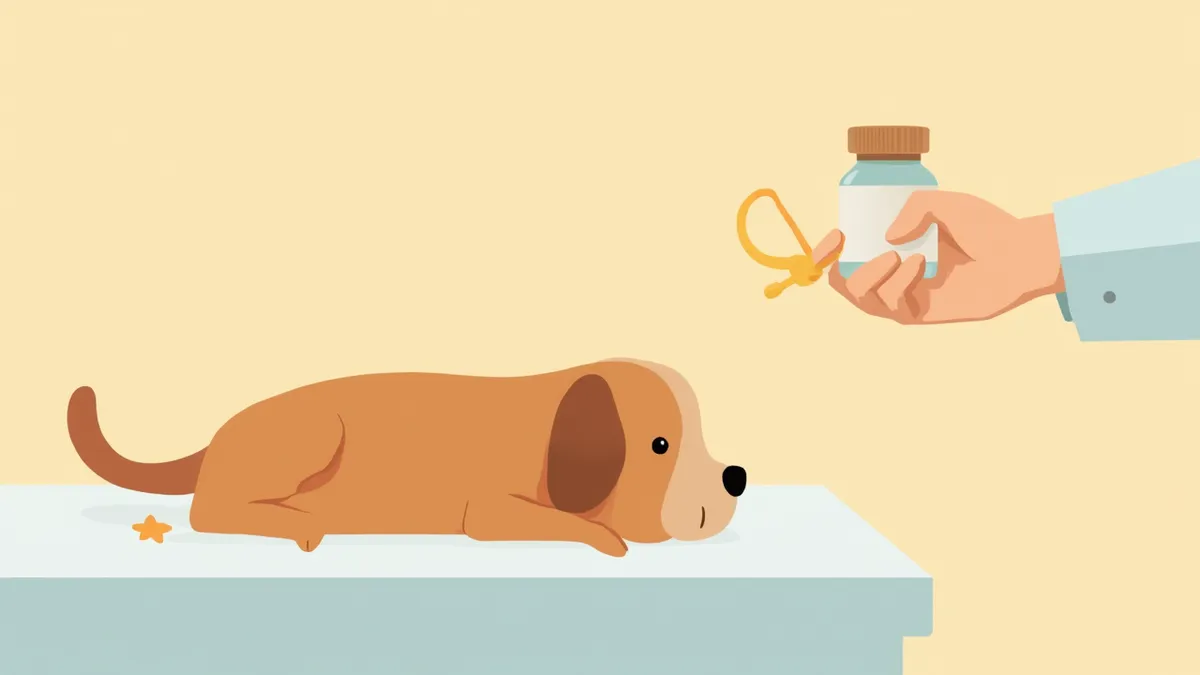
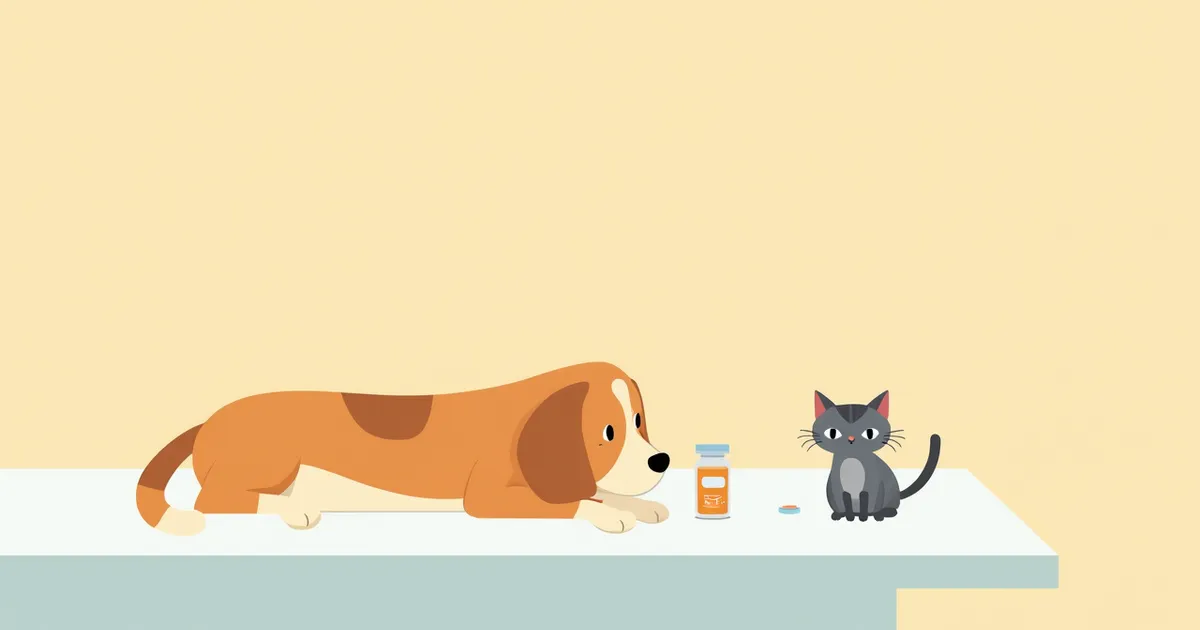
An image of a veterinarian holding a bottle of antiemetic medication in the examination room.
Maropitant is a leading antiemetic ingredient developed to suppress vomiting in dogs and cats, better known by its brand name, Cerenia. What truly sets this medication apart is its mechanism of action: it blocks the NK-1 (neurokinin-1) receptors involved in transmitting vomiting signals. Because these receptors are distributed not only in the vomiting center of the brain but also in the chemoreceptor trigger zone (CTZ) and the gastrointestinal tract, maropitant provides broad-spectrum effectiveness regardless of the underlying cause, such as motion sickness, inflammation, or post-surgical nausea. However, since vomiting is merely a symptom, it is crucial not to simply suppress the symptom with medication while overlooking the underlying cause.

How Does It Prevent Vomiting?

Vomiting occurs when the "vomiting center" in the brain is stimulated. Various pathways, such as gastrointestinal irritation, bloodborne toxins, motion sickness, and stress, send signals to this center. Maropitant blocks the NK-1 receptors (neurokinin-1 receptors) involved in this signal transmission. According to veterinary pharmacology textbooks, blocking NK-1 receptors has the advantage of simultaneously suppressing vomiting signals arising from multiple causes. Therefore, it is widely used as a motion sickness medication, an adjunct to chemotherapy, and an antiemetic for pre- and post-operative care.

Injection vs. Tablet: What’s the Difference?

ItemCerenia injectionCerenia tablet
Route of administrationSubcutaneous/Intravenous injectionOral
Main use situationHospitalization, surgery, acute vomitingHome use, motion sickness prevention
Onset of effectFast (within tens of minutes)After 1–2 hours
DurationAbout 24 hoursAbout 24 hours
Convenience for ownerRequires a clinic visitCan be administered at home

The choice of formulation is determined by the veterinarian depending on the severity and situation of the vomiting.

When Is It Best to Use?

Maropitant is particularly effective in specific situations. Its key uses are as follows:
Acute vomiting: Used to prevent dehydration when vomiting makes it difficult to maintain fluid and electrolyte balance.
Motion sickness prevention: It is generally administered in advance, allowing sufficient time before travel, following your veterinarian’s guidance.
Pre- and post-operative care: Used to reduce nausea and vomiting associated with anesthesia and surgery.
Loss of appetite due to nausea: Helps pets whose quality of life has declined because they cannot eat due to nausea.
Pancreatitis: Sometimes used in conjunction with intravenous fluids when severe vomiting is present.
Please be sure to note: This medication is not intended for long-term use without a proper diagnosis of the underlying cause.
An image of a dog looking out the car window — a scene for preventing motion sickness

When Maropitant Alone Isn’t Enough

Anti-emetics only suppress the symptom of vomiting. In urgent situations requiring treatment of the underlying cause, such as ingestion of foreign bodies, intestinal obstruction, or poisoning, suppressing vomiting can actually delay diagnosis and pose risks. Veterinary critical care textbooks also note that anti-emetics are not necessarily required for all vomiting patients, and in some cases, allowing a certain degree of vomiting may be more appropriate to accurately identify the cause. If repeated vomiting is accompanied by blood-tinged vomit, abdominal distension, or lethargy, you should have the underlying cause evaluated at a veterinary clinic.

Are There Any Side Effects?
Maropitant is generally considered safe, but there are a few potential reactions owners should be aware of.
Injection site pain: Stinging has been reported with subcutaneous injection. If pain is a concern, your veterinarian may switch to intravenous (IV) administration; however, IV administration can cause a temporary drop in blood pressure, so special caution is required.
Drooling: This is a rarely reported side effect that may occur after administration.
Temporary discomfort: Your pet may experience temporary discomfort after administration. If symptoms persist or worsen, consult your veterinarian immediately.
Liver metabolism burden: Use with caution in pets with significantly compromised liver function, as this may affect drug metabolism.
Your veterinarian will determine the dosage and administration schedule based on your pet’s weight and condition, so never reuse leftover medication without professional guidance.
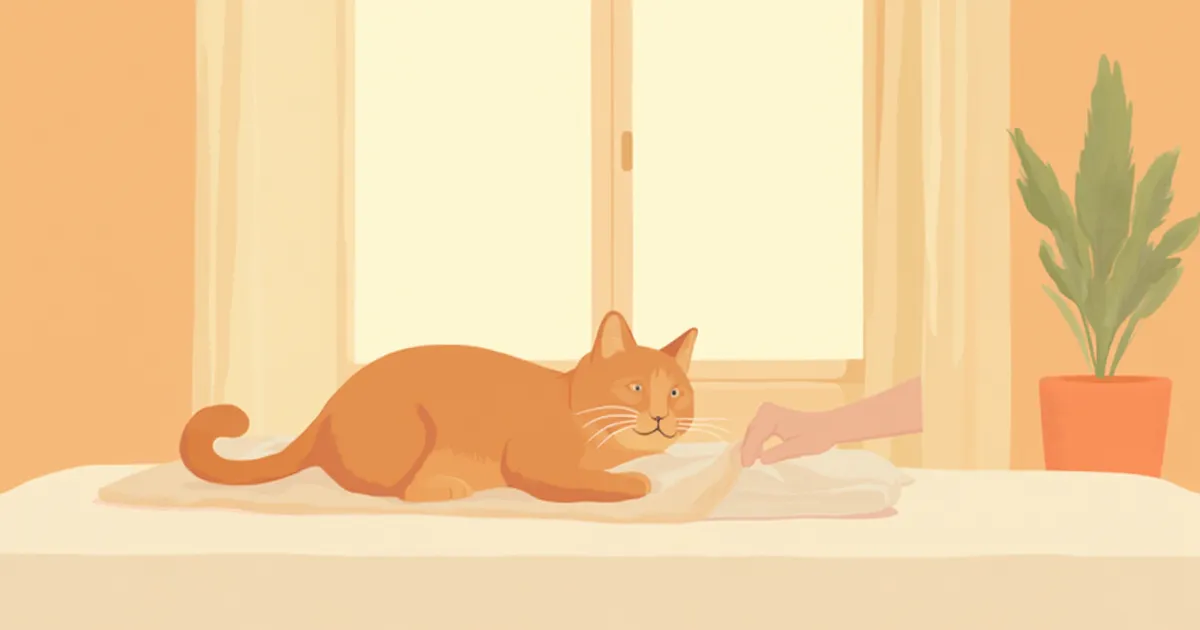
A veterinarian preparing an injection for a cat

Tips for Administering at Home

Here are a few tips for administering Cerenia tablets at home. If your pet vomits shortly after taking the medication, absorption may have been compromised, so you must contact your veterinarian. For motion sickness prevention, it is important to administer the drug according to the timing and method specified by your veterinarian; if you have questions about the dosing conditions, be sure to confirm them at the time of prescription. If repeated dosing is necessary, the duration of use will be determined under veterinary guidance in accordance with approved guidelines. If vomiting persists beyond this, it indicates that further diagnostic testing is needed rather than simple symptom suppression.

Extra Caution in Certain Situations

Use caution when administering this medication to very young puppies and kittens, pregnant or nursing pets, and animals with severe liver disease. Additionally, potential interactions may occur when used concurrently with other medications, particularly those metabolized by the liver; therefore, please inform your veterinarian of all current prescription medications and supplements. Never substitute human-prescribed antiemetics for veterinary treatments, as dogs and cats have different drug metabolism pathways than humans, which can lead to significantly different reactions even with the same active ingredients.

Reviewed by a veterinarian

Dr. Tony — Punnawat Phongkittirak

Dr. Tony — Punnawat Phongkittirak

Veterinarian

A veterinarian who majored in veterinary medicine at Khon Kaen University, Thailand, and completed the IVSA program at North Carolina State University in the United States. Drawing on clinical experience at animal hospitals, he works in the pet healthcare field and is dedicated to building a digital care environment that connects pet parents with veterinarians.

Frequently Asked Questions

Can Cerenia tablets be purchased without a prescription?
No. Maropitant is a prescription-only medication that requires a veterinarian’s authorization. It cannot be purchased over-the-counter at pharmacies or online by pet owners.
My dog gets car sick often. Is it safe to give this to him every day?
Short-term use for motion sickness prevention is generally safe, but long-term daily use requires consultation with a veterinarian. It's also important to check for other potential causes.
Can it be used for cats as well?
Yes, it is an antiemetic approved for use in cats. However, because subcutaneous injections can cause pain, veterinarians may switch to intravenous (IV) administration in some cases. The route of administration will be determined by your veterinarian based on the specific situation.
My pet is still vomiting even after taking the medication. Should I give another dose?
Always contact your veterinarian before administering any additional medication. There may be underlying conditions that should not be treated with medication alone, such as foreign body ingestion, intestinal obstruction, or poisoning.
I still have some Serenia left from a previous prescription. Can I use it again?
Even if symptoms appear similar, the underlying cause may differ. Please consult your veterinarian about the product’s expiration date, storage conditions, and your pet’s current symptoms before deciding whether to use it.

Share

Related Guides

References

[1] Clinical Medicine of the Dog and Cat, 4th Ed — Vomiting: Pathophysiology and Management

[2] Handbook of Veterinary Pharmacology — Antiemetic Drugs

[3] Plumb's Veterinary Drug Handbook — Maropitant Citrate

This information is based on veterinary literature and does not replace diagnosis or treatment. Please consult a veterinarian for specific health concerns.

Metapet Co., Ltd. | CEO: Park Sung-yong | Business Reg. No. 417-88-02562 | Seoul, South Korea | Customer Center

Maropitant (Cerenia) Antiemetic: Is It Safe for Your Pet? | Meongsiljang