
Dog Urethral Stricture FAQ — Key Information Every Pet Owner Must Know
Urethral stricture in dogs is a condition that makes it difficult to pass urine, and early detection and appropriate treatment are crucial. Here’s a summary of the key information every pet owner should know.
What is urethral stricture in dogs?
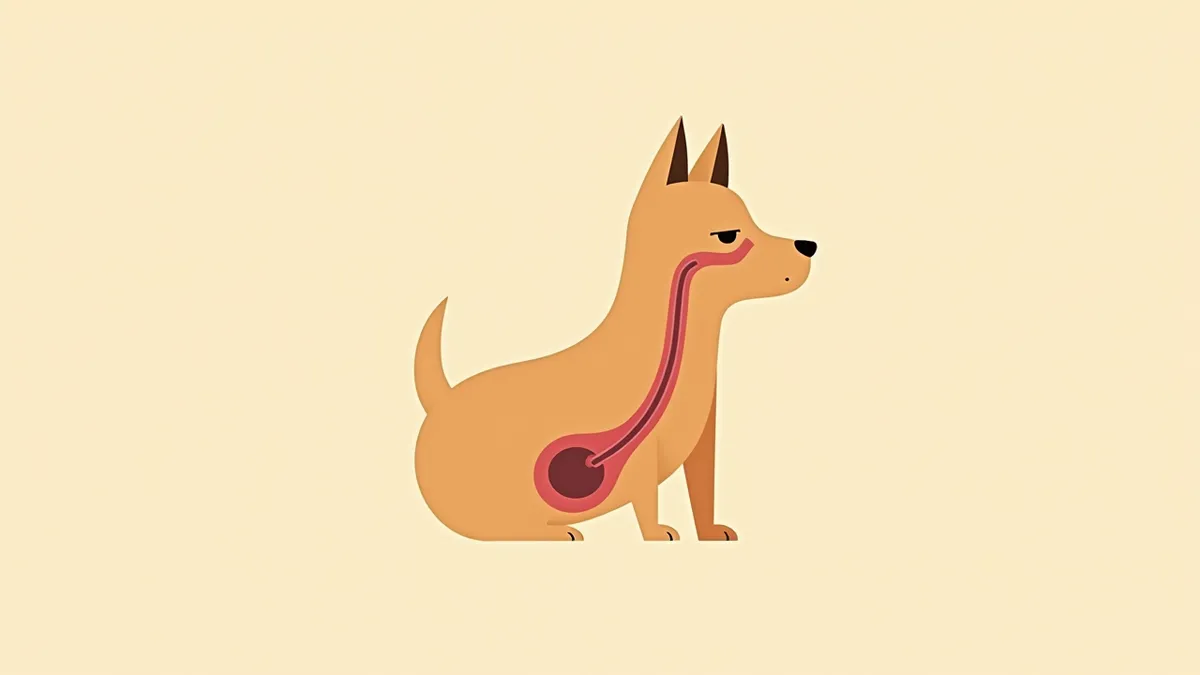
What are the main causes of urethral stricture?
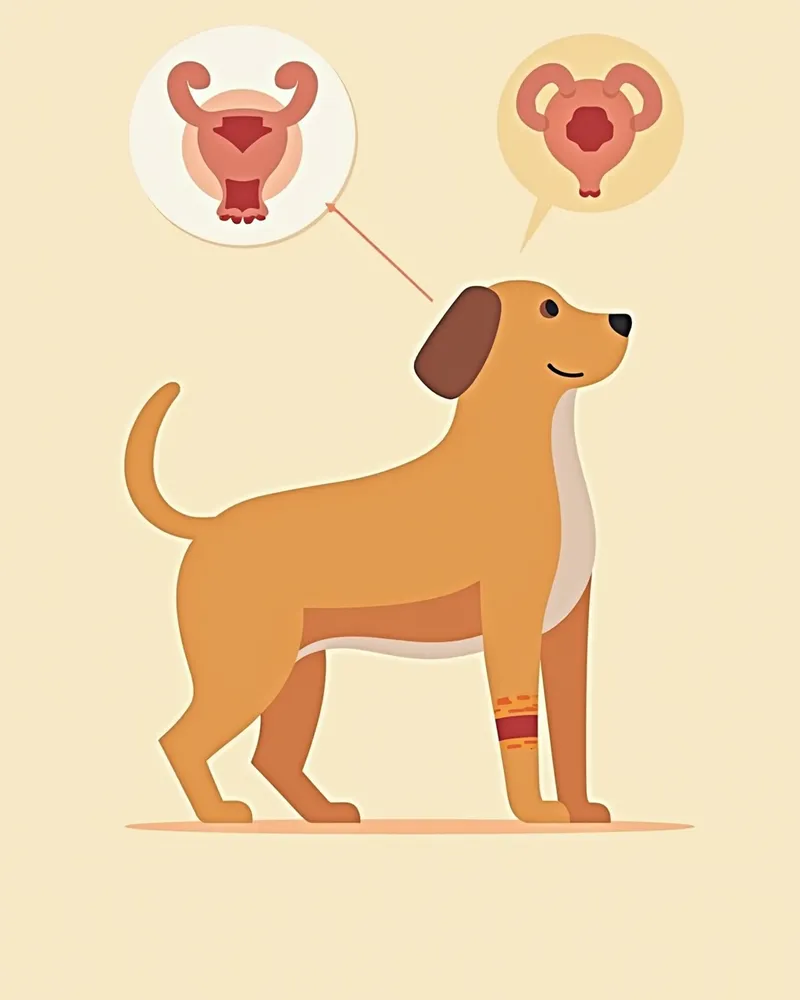
What are the main symptoms of urethral stricture?
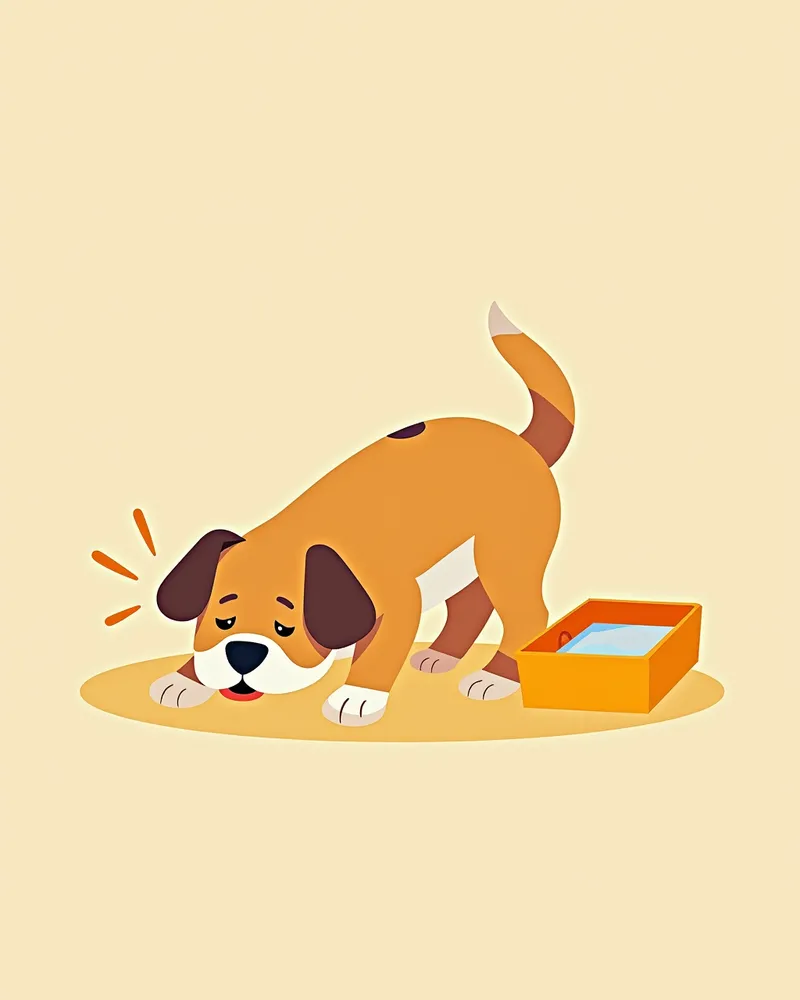
Signs requiring immediate veterinary visit
If your dog is trying to urinate but nothing comes out, or if they’re crying out in pain and trembling while attempting to pass urine, you need to go to the vet immediately. This could indicate a complete urethral blockage, which is a medical emergency requiring prompt treatment—delaying diagnosis and care can be dangerous. If the blockage isn’t relieved quickly, the bladder can become overdistended, leading to kidney damage and a rapid decline in overall health. Don’t wait—seek veterinary care right away.
Stage-by-stage symptoms and management of urethral stricture
| Item | Main symptoms | How to respond |
|---|---|---|
| Mild | Slight difficulty urinating | Frequent urination attempts, small amounts passed |
| Moderate | Pain during urination, interrupted urine stream | Veterinary examination, cystography |
| Severe | Complete inability to urinate, abdominal distension | Immediate surgical intervention required |
Since the treatment approach differs by stage, early diagnosis is key.
How are diagnosis and treatment performed?
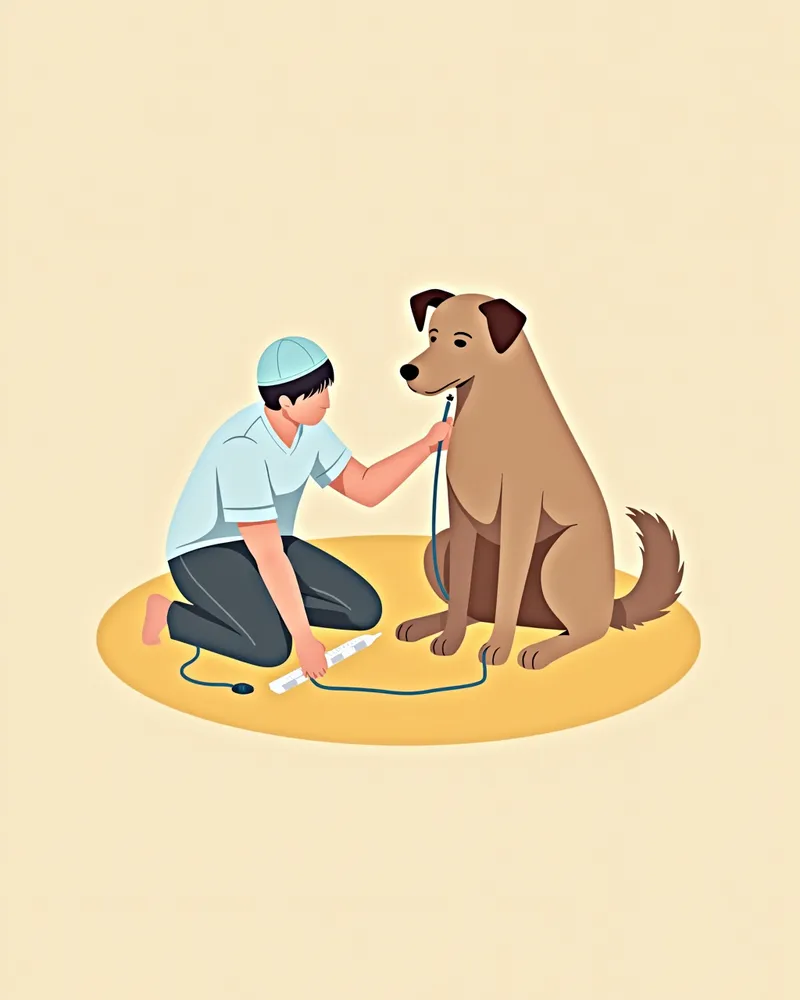
Home care and precautions
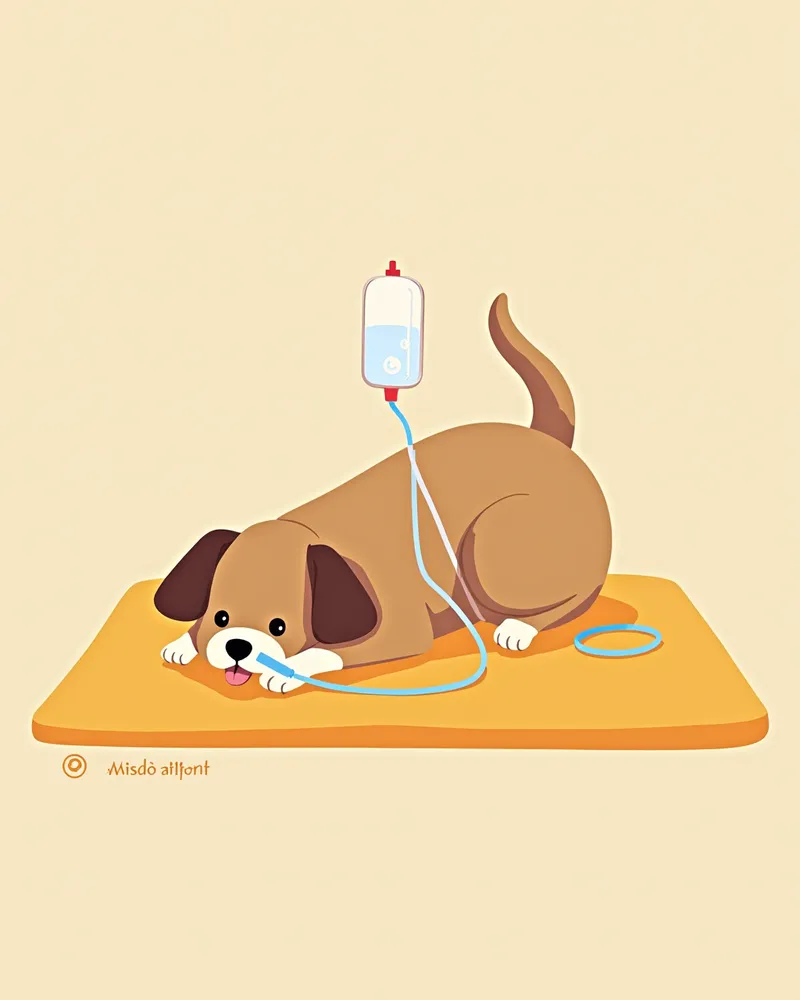
Practical tips for prevention
Why male dogs require special attention
Male dogs are more prone to urethral strictures because their urethra is longer and narrower. Certain breeds have even more vulnerable urethral structures, so it’s important for owners to regularly monitor their male dog’s urination habits. Early detection significantly improves treatment success rates.
Reviewed by a veterinarian

Dr. Tony — Punnawat Phongkittirak
VeterinarianA veterinarian who majored in veterinary medicine at Khon Kaen University, Thailand, and completed the IVSA program at North Carolina State University in the United States. Drawing on clinical experience at animal hospitals, he works in the pet healthcare field and is dedicated to building a digital care environment that connects pet parents with veterinarians.
Reviewed 2026-06-29
Frequently Asked Questions
Can urethral stricture in dogs be treated?
Can urethral stricture recur?
Which dogs are more commonly affected by urethral stricture?
How long is the recovery period after urethral stricture surgery?
Can urethral stricture be detected early at home?
Share
Related Guides

Top 5 Prescription Diets for Feline FLUTD — Comparison by Struvite and Calcium Oxalate Stones

Top 7 Prescription Diets for Feline Bladder and Urinary Tract Health Recommended by Veterinarians — Including Selection Criteria

Top 5 Cranberry Urinary Supplements for Dogs — Preventing Cystitis
Is High Phosphorus Dangerous in Cats? — Key Points on Hyperphosphatemia and Phosphate Binders
Feline Hydronephrosis: Causes and When Surgery Is Needed

Is Your Cat’s Proteinuria Glomerulonephritis? — Causes and When to Visit the Vet

Will Cat Dehydration Damage the Kidneys? — Warning Signs You Must Not Miss and Key Countermeasures
Late-Stage Feline Chronic Kidney Disease: Preserving Quality of Life — Palliative Care Q&A
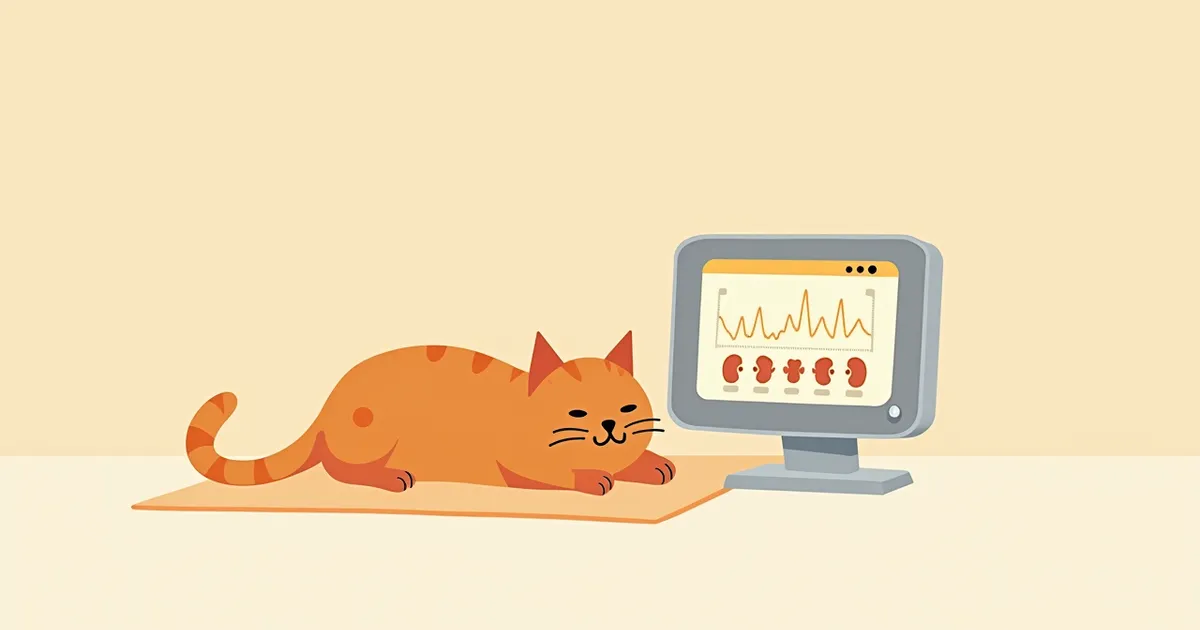
How Fast Does Feline CKD Progress? — Q&A on Monitoring Progression with Numbers
Why Does Anemia Occur in Cats with Kidney Disease? — Causes of EPO Deficiency and Treatment Timing
References
[1] Plumb's Veterinary Drug Handbook, 9th ed. (2022). Wiley-Blackwell.
[2] Fossum, T.W. (2018). Small Animal Surgery, 5th ed. Elsevier.