

FIV and FeLV Testing in Cats: Frequently Asked Questions — Key Information Every Pet Owner Should Know
FIV and FeLV testing in cats is a crucial preventive measure that helps detect infections early and protect your cat’s life. We’ve compiled the key questions and answers every pet owner should know.
Why Is FIV and FeLV Testing Essential for Cats?

When and How Often Should Testing Be Performed?

What Should You Do If the Test Result Is Positive?

Interpreting Test Results: Can a Cat Be Healthy Despite a Positive Result?

Comparison of FIV and FeLV Test Types
| Item | Accuracy | Test Time | Need for Additional Testing |
|---|---|---|---|
| ELISA/ICA Test | High | 10–30 minutes | Needed |
| PCR Test | Very High | 1–2 days | Usually Needed |
| Serological Test | Moderate | 1–2 days | Needed |
ELISA is suitable as an initial screening test, and PCR helps confirm the early stage before antibodies form or when results from ELISA/ICA are inconsistent. However, for positive results, additional testing is recommended to improve diagnostic reliability.
Signs That Require Immediate Veterinary Attention
If your cat shows persistent fever, weight loss, mouth ulcers, difficulty breathing, or lethargy, seek veterinary care immediately. These symptoms may indicate complications from FIV or FeLV infection. Early diagnosis and management are especially important if you have other cats in the household, as they are also at risk of infection.
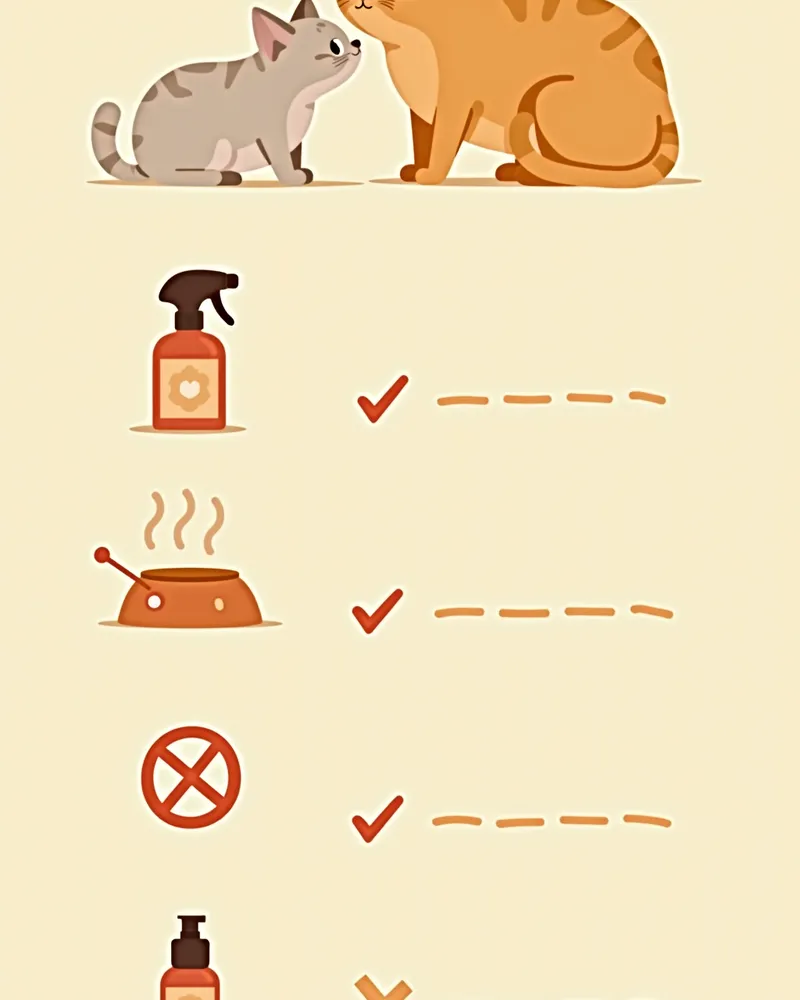
Management Guidelines for Households with an Infected Cat

Checklist for Pet Owners
Reviewed by a veterinarian

Dr. Tony — Punnawat Phongkittirak
VeterinarianA veterinarian who majored in veterinary medicine at Khon Kaen University, Thailand, and completed the IVSA program at North Carolina State University in the United States. Drawing on clinical experience at animal hospitals, he works in the pet healthcare field and is dedicated to building a digital care environment that connects pet parents with veterinarians.
Reviewed 2026-06-29
Frequently Asked Questions
Will the FIV/FeLV test hurt my cat?
Can a cat still be healthy even if the test result is positive?
Can I live with an infected cat?
How long will it take to get the test results?
Is it okay for my cat to eat before the test?
Share
Related Guides

Top Recommendations and Selection Criteria for Cat FIV and FeLV Testing

Top Microchip Implantation Management Recommendations for Dogs and Key Selection Criteria

Complete Guide to Choosing, Comparing, and Managing the Best Heartworm Preventives for Dogs

Dog Testicular Tumors FAQ — Key Information Every Pet Owner Should Know

Feline Odontoclastic Resorptive Lesions (FORLs) FAQ — Key Information Every Pet Owner Should Know

Cat Tongue and Lip Lesions FAQ — Key Information Every Pet Owner Should Know

Cat Post-Extraction Care FAQ — Key Points Owners Must Know

Feline Oral Squamous Cell Carcinoma FAQ — Key Information Pet Owners Must Know

Cat Oral Rinse Product Comparison FAQ — Key Information Every Pet Owner Must Know

Feline Malocclusion FAQ — Key Information for Pet Owners
References
[1] Quimby J, Gowland S, Carney H, et al. (2021) AAHA/AAFP 고양이 생애 단계 지침. J Feline Med Surg. 2021;23:211-233.
[2] The Cat, Clinical Medicine and Management, 2nd Edition (2021) Chapter 8: Preventive Care. Elsevier.
[3] Wilkes RP, Kania SA, Tsai YL, et al. (2015) FIV 감염의 빠르고 민감한 검출을 위한 점검형 등온 PCR 기반 진단법. J Vet Diagn Invest. 2015;27(4):510–515.