Like
Share
멍실장
강아지 문맥단락증(PSS) 증상과 치료 - 간단락 완벽 가이드

Dog Portosystemic Shunt (PSS) Symptoms and Treatment - Simple & Complete Guide

Liver HealthQ&AMeongsiljang Veterinary Advisory Board

We’ve compiled everything pet owners need to know about portosystemic shunt (PSS) in dogs—causes, symptoms, diagnosis, treatment, and dietary management—based on evidence from veterinary internal medicine.

What is Portosystemic Shunt (PSS) in Dogs?

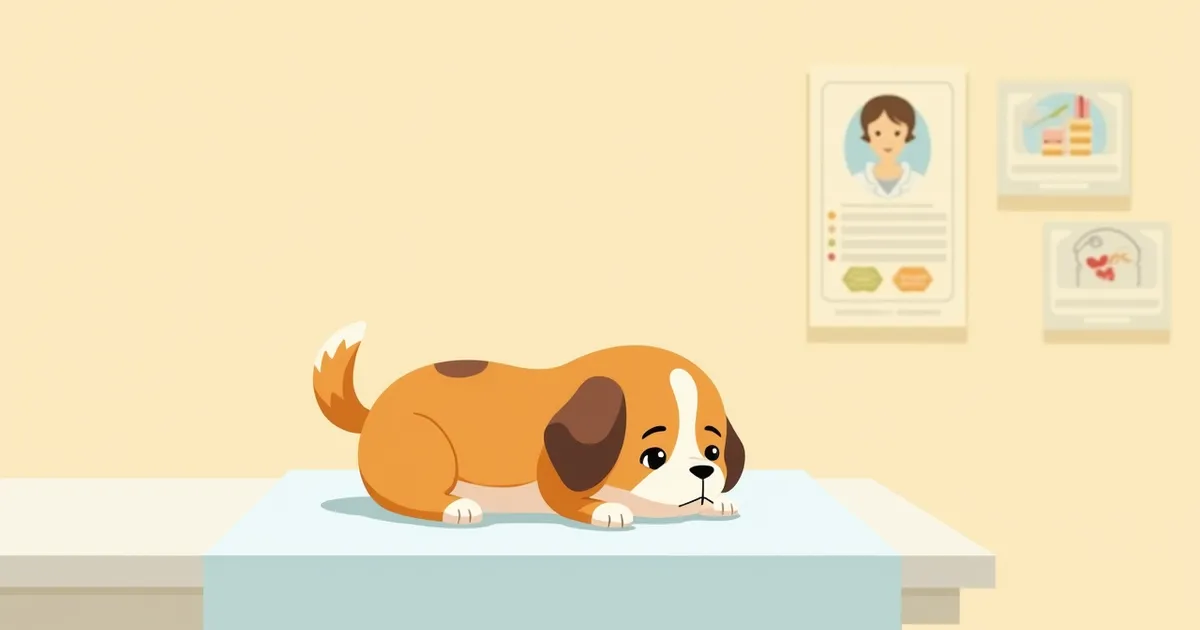
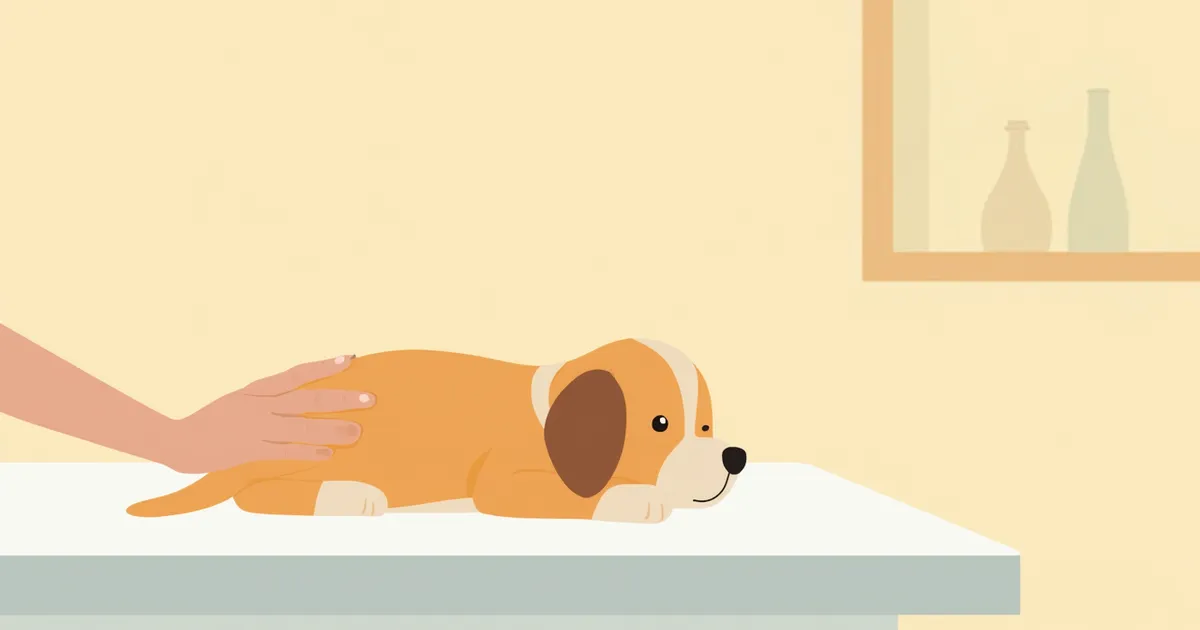
A small puppy resting listlessly
Portosystemic shunt (PSS) in dogs is a vascular malformation in which blood that should be detoxified by the liver bypasses the liver through abnormal vessels and flows directly into systemic circulation. The most critical factor is early detection. If your dog appears lethargic after meals, presses its head against a wall, shows weakness, or experiences repeated seizures or ataxia, seek veterinary care within 24 hours. Congenital cases typically present before one year of age, while acquired cases usually occur in middle-aged to older dogs.

Causes and Predisposed Breeds

Portosystemic shunts are broadly classified into two types. Congenital shunts are abnormal blood vessels present from birth, while acquired shunts develop as the body creates collateral pathways in response to elevated portal pressure caused by cirrhosis or chronic liver disease. Small breeds (Yorkshire Terriers, Maltese, Shih Tzus) are more prone to extrahepatic shunts, whereas large breeds (Golden Retrievers, Labrador Retrievers) more commonly develop intrahepatic shunts. Yorkshire Terriers and Maltese are consistently reported in veterinary literature as breeds with a high incidence of portosystemic shunts.

Congenital vs. Acquired Shunts Comparison

ItemCongenital shuntAcquired shunt
Onset timingMostly before 1 year of ageMiddle age or later (senior)
Number of vessels1 bypass vesselMultiple small vessels
Main causeFailure of fetal vessel closureCirrhosis & chronic liver disease
Predisposed breedsYorkshire Terrier, Maltese, Shih TzuMany large-breed & senior dogs
Treatment approachCorrectable with surgeryMainly medical management
PrognosisGood if surgery is successfulVaries depending on underlying liver disease

Based on veterinary internal medicine textbooks

What Symptoms Appear?

These symptoms occur because the liver fails to filter out toxins such as ammonia. If you notice any of the following signs recurring, it may be worth considering this condition.
Postprandial stupor: 1–2 hours after eating, the dog may stand dazed with its head pressed against a wall.
Growth retardation: The dog is smaller than its peers and fails to grow properly.
Recurrent vomiting and diarrhea: Gastrointestinal symptoms appear frequently without an identifiable cause.
Neurological signs: Staggering, circling, seizures, or temporary blindness.
Polydipsia and polyuria: Excessive water consumption and increased urination.
Bladder stones: Ammonium stones may form in young puppies.
A dog standing dazed with its head pressed against the wall

Symptoms Requiring Immediate Emergency Care

Hepatic encephalopathy can be life-threatening. If seizures last more than five minutes, if consciousness becomes clouded with no response, or if your pet collapses and cannot get up, emergency veterinary care within 24 hours is essential. If symptoms worsen rapidly after consuming high-protein food or treats, suspect ammonia toxicity. When transporting your pet, keep them warm and do not force them to eat or drink.

How is it Diagnosed?
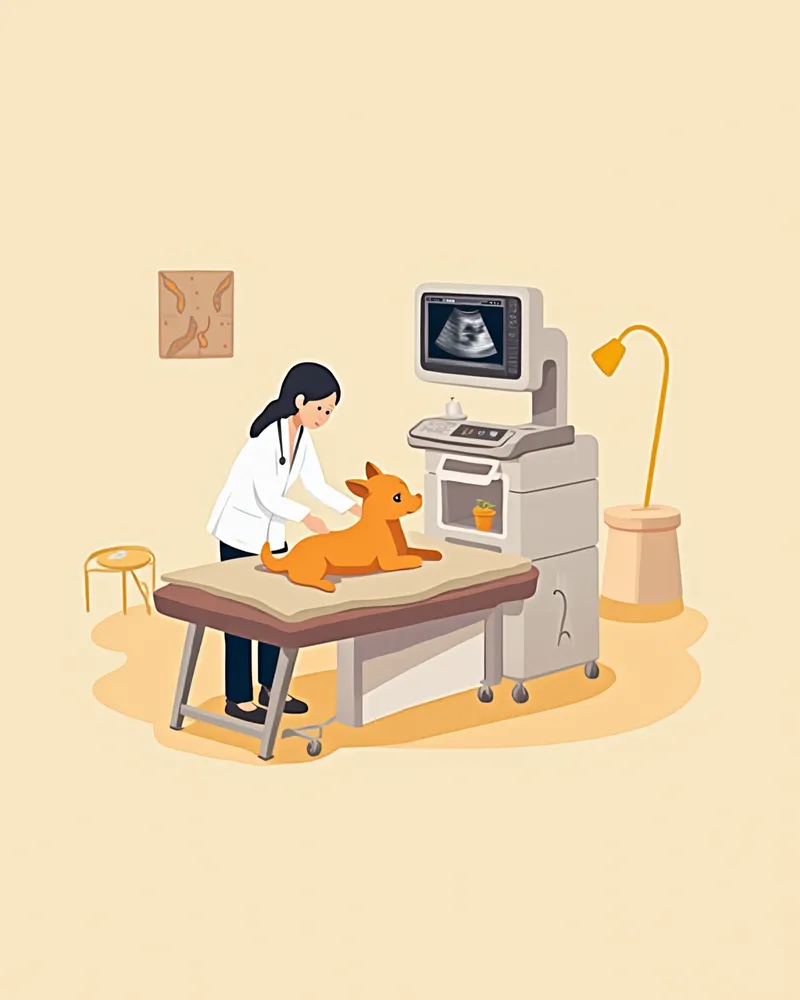
Diagnosis of portosystemic shunt follows a stepwise approach, starting with blood tests and then moving to imaging. The Bile Acid Test is the primary screening tool for liver function, measured twice—once before and once after eating. Fasting ammonia levels are also checked. For a definitive diagnosis, CT angiography or ultrasound is used to directly visualize the abnormal blood vessels. Abdominal X-rays help assess for a small liver (microhepatica), while urinalysis may reveal ammonium crystals. Liver function tests, such as bile acids and ammonia, often show abnormal values in dogs with portosystemic shunts. In particular, the postprandial ammonia tolerance test is known to be helpful in detecting portosystemic shunts; if both pre- and post-meal levels are elevated, the condition is strongly suspected and confirmed through imaging.
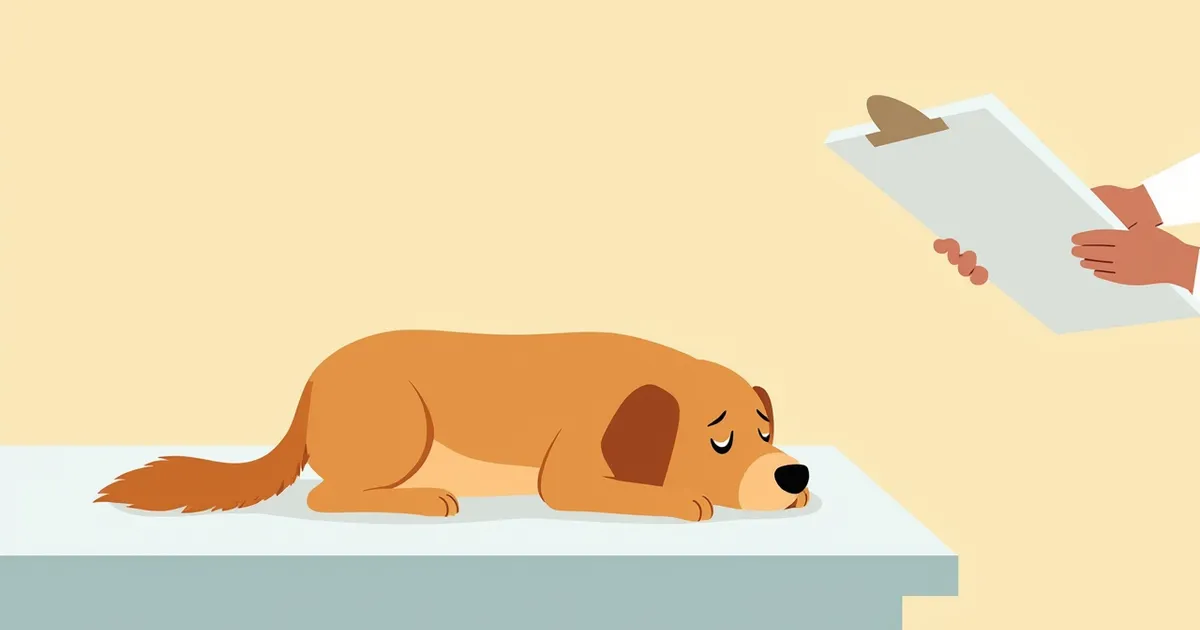
A puppy undergoing an abdominal ultrasound examination

Treatment Options - Surgery and Medical Management

Congenital portosystemic shunts are fundamentally treated with surgical intervention. The abnormal vessel is gradually occluded to restore normal blood flow to the liver. The most commonly used techniques are cellophane banding and ameroid constrictors. The postoperative prognosis is generally considered good to excellent. In cases where surgery is not feasible, or for acquired shunts, medical management is pursued. This includes a low-protein prescription diet, lactulose to inhibit ammonia absorption, and antibiotics (metronidazole) to regulate intestinal bacteria.

Essential Dietary and Lifestyle Management at Home

Dietary management is crucial for dogs with portosystemic shunts. However, if there are no symptoms of hepatic encephalopathy, excessive protein restriction can actually be harmful, so the diet plan should always be determined individually in consultation with a veterinarian.
Prescription Diet: Use a prescription diet for liver disease as recommended by your veterinarian.
Protein Sources: Proteins that are easier to digest and absorb, such as tofu, cottage cheese, yogurt, and egg whites, are preferred over red meat.
Treat Caution: Avoid treats like dried meat, animal organs, and fish, and limit treats containing red meat.
Lactulose: Administer lactulose consistently as prescribed by your veterinarian to maintain 2-3 bowel movements per day.
Regular Check-ups: Regularly monitor the condition through retests of bile acids and liver function tests.
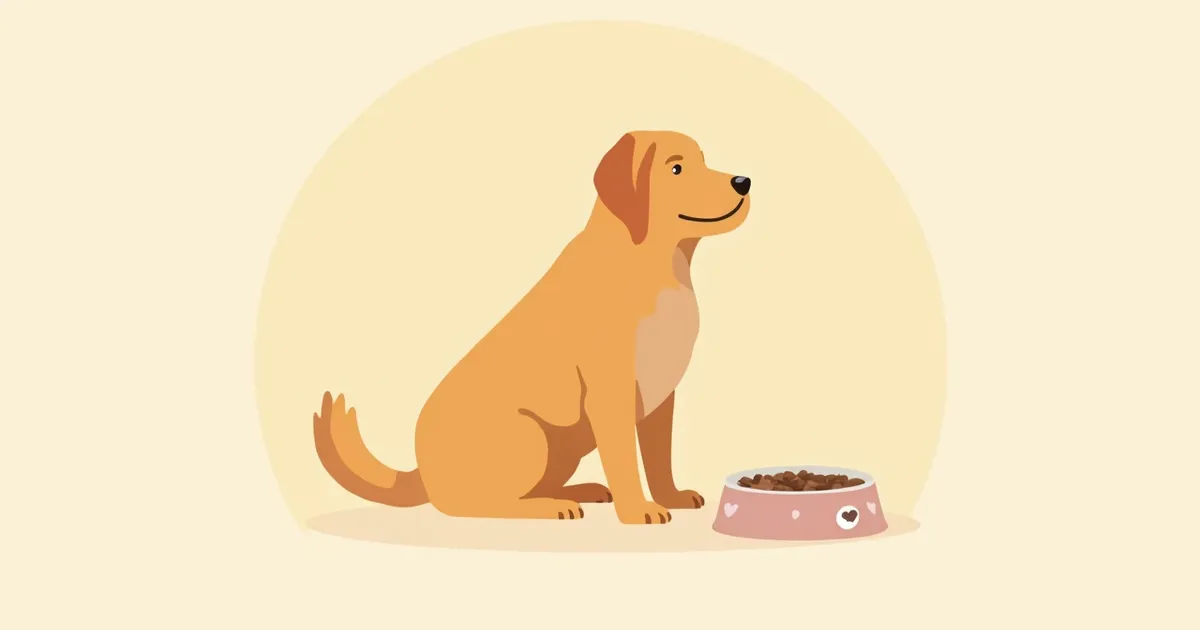
A puppy that is eating prescription diet food

Prognosis and Long-Term Management Points

Congenital portosystemic shunts often allow dogs to regain normal liver function after surgery, but some may still experience complications such as neurological symptoms. In particular, dogs that had hepatic encephalopathy before surgery or are older tend to have a higher risk of postoperative neurological complications. Acquired portosystemic shunts require lifelong management because the underlying liver disease is progressive. Regardless of whether surgery is performed, lifelong monitoring of blood values and dietary management are essential to prevent recurrence or worsening. For more information, see Managing Elevated Liver Enzymes in Dogs.

Reviewed by a veterinarian

Dr. Tony — Punnawat Phongkittirak

Dr. Tony — Punnawat Phongkittirak

Veterinarian

A veterinarian who majored in veterinary medicine at Khon Kaen University, Thailand, and completed the IVSA program at North Carolina State University in the United States. Drawing on clinical experience at animal hospitals, he works in the pet healthcare field and is dedicated to building a digital care environment that connects pet parents with veterinarians.

Frequently Asked Questions

How much does the surgery cost?
The cost varies depending on whether hospitalization, surgery, and imaging tests are included. Be sure to get a comprehensive estimate in advance that covers everything from preoperative CT angiography to hospitalization, surgery, and postoperative care.
Will surgery cure the condition?
Congenital single lobe liver is known to have a good to excellent prognosis after surgery. However, it takes some time for liver function to recover, and some cases may require long-term dietary management or additional treatment.
Do I need to change my dog’s food as they grow older?
It’s important to work with your veterinarian to develop a dietary plan as soon as a diagnosis is made. If hepatic encephalopathy is present, transitioning to a prescription diet and adjusting protein sources is necessary. Choosing easily digestible proteins, such as tofu, dairy products (cottage cheese, yogurt), and egg whites, can be helpful.
Does lactulose need to be given for life?
If surgery restores normal blood flow, the medication can be discontinued. For pets managed medically, lifelong consistent administration is required. In cases of severe diarrhea, reduce the dosage to maintain bowel movements at 2–3 times per day.
Is it okay to exercise?
During the stable phase when hepatic encephalopathy is well-controlled, light walks are fine. However, if vomiting or unsteadiness occurs after vigorous exercise, stop immediately and consult your veterinarian.

Share

Related Guides

References

[1] Ettinger SJ, Feldman EC, Cote E. Textbook of Veterinary Internal Medicine, 8th Ed, Chapter on Hepatobiliary Diseases

[2] Tobias KM, Johnston SA. Veterinary Surgery: Small Animal, 2nd Ed, Portosystemic Shunts chapter

[3] Berent AC, Tobias KM. Portosystemic vascular anomalies. Vet Clin North Am Small Anim Pract. 2009;39(3):513-541

This information is based on veterinary literature and does not replace diagnosis or treatment. Please consult a veterinarian for specific health concerns.

Metapet Co., Ltd. | CEO: Park Sung-yong | Business Reg. No. 417-88-02562 | Seoul, South Korea | Customer Center

Canine Portosystemic Shunt (PSS): Symptoms & Treatment | Meongsiljang