
Everything You Need to Know About Methimazole for Feline Hyperthyroidism
We’ve put together a comprehensive overview of methimazole—the most commonly used medication for feline hyperthyroidism—covering its effectiveness, administration, side effects, and alternative treatments like radioactive iodine therapy.
What Is Methimazole?
Why Is It Prescribed for Cats?
Comparison of Four Treatments for Feline Hyperthyroidism
| Item | Methimazole (oral medication) | Radioactive iodine | Thyroidectomy | Prescription diet |
|---|---|---|---|---|
| Cure possible | Control only | Curable | Curable | Control only |
| Lifelong administration | True | False | False | True |
| Anesthesia required | False | False | True | False |
| Time to effect | 2–3 weeks | 1–3 months | Immediately after surgery | Up to 14 weeks |
| Risk of side effects | Moderate | Low | High | Low |
The choice of treatment depends on the cat's age, health status, and the owner's circumstances. Consulting a veterinarian is essential.
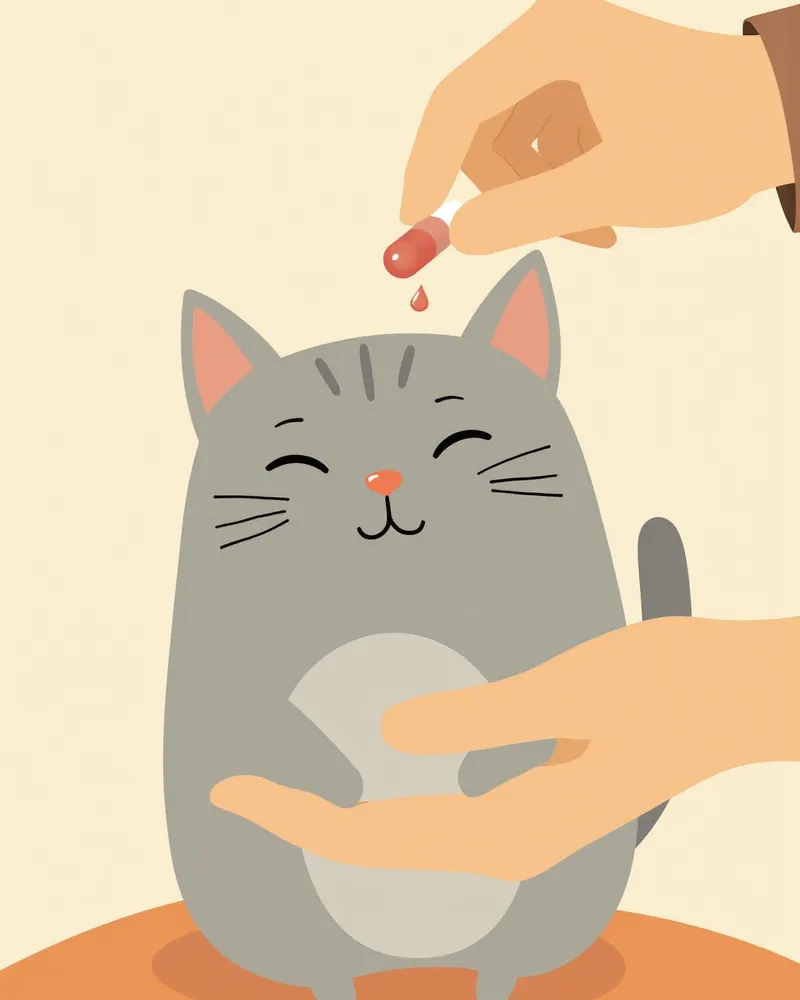
How to Administer Methimazole
Go to the Vet Immediately If These Side Effects Occur
Up to 25% (about one in four) of cats may experience side effects while taking methimazole. Most side effects occur within approximately six weeks (about one and a half months) after starting treatment. If your cat passes the first two to three months without any issues, the likelihood of side effects developing later drops significantly. If you notice severe scratching or clawing of the face that causes wounds, jaundice (yellowing of the gums or eyes), severe vomiting or loss of appetite, or nosebleeds or gum bleeding, stop the medication immediately and seek veterinary care. Although rare, serious side effects such as liver toxicity, blood abnormalities, and severe myasthenia gravis have been reported.
How Often Should Regular Monitoring Be Done During Treatment?
When to Consider Alternative Treatments to Methimazole
Points Owners Often Overlook
It’s best to handle methimazole with care, even for people. Pregnant or nursing individuals should avoid direct contact and wear gloves. After handling the urine, saliva, or feces of a cat that has been given the medication, it’s important to wash your hands thoroughly. Additionally, methimazole does not shrink the thyroid gland itself, and tumor-like (adenomatous) tissue may continue to grow. With long-term use, there is a risk that the thyroid may gradually enlarge, spread to multiple areas, or, in rare cases, develop into malignant tumors (thyroid cancer). Therefore, rather than relying solely on lifelong medication, it’s advisable to consider other treatments that offer the possibility of a cure.
Reviewed by a veterinarian

Dr. Tony — Punnawat Phongkittirak
VeterinarianA veterinarian who majored in veterinary medicine at Khon Kaen University, Thailand, and completed the IVSA program at North Carolina State University in the United States. Drawing on clinical experience at animal hospitals, he works in the pet healthcare field and is dedicated to building a digital care environment that connects pet parents with veterinarians.
Reviewed 2026-04-26
Frequently Asked Questions
What should I do if I miss a day of giving methimazole?
Should I give another dose if my pet vomits after taking the medication?
Do I need to give methimazole for the rest of my pet’s life?
Are topical medications (applied to the skin) as effective as oral pills?
Can hyperthyroidism also affect the heart?
Share
Related Guides

Chitosan Effects and Obesity/Fat Absorption

Top 5 Weight-Management Dog Food Recommendations for 2026

7 Best Cat Weight-Loss Diets Recommended by Veterinarians and How to Choose
Frequently Asked Questions About Hypertensive Heart Disease in Dogs — Key Information Every Pet Owner Should Know

What are the stages of canine heart failure (ACVIM classification)? — At which stage is treatment necessary?
A Complete Guide to Dog ECG Tests: When to Get One and What It Reveals
Should Your Dog Have a Cardiac Ultrasound (Echocardiogram)? — Procedure and Result Interpretation

What is Canine Heart Surgery (Valve Repair and PDA Ligation)? — From Indications to Recovery

Frequently Asked Questions About Prescription Diets for Canine Heart Disease — Key Points Pet Owners Must Know

Can My Dog’s Heart Disease Be Detected Early? — A Guide to Early Screening Timing and Methods
References
[1] Peterson ME, Kintzer PP, Hurvitz AI. Methimazole treatment of 262 cats with hyperthyroidism. J Vet Intern Med. 1988;2:150.
[2] The Cat, Clinical Medicine and Management, 2nd Edition - Feline Hyperthyroidism Chapter
[3] Textbook of Cardiovascular Medicine in Dogs and Cats - Feline Hyperthyroidism
[4] Hill P, Warman S, Shawcross G. 100 Top Consultations in Small Animal General Practice. Blackwell Publishing Ltd; 2011.