Like
Share
멍실장
고양이 신장 섬유증 기전 자주 묻는 질문 Q&A — 보호자가 꼭 알아야 할 핵심

Why Does Feline Renal Fibrosis Occur? — Understanding the Progression Mechanism and How to Slow It Down

KidneyQ&AMeongsiljang Veterinary Advisory Board

Feline renal fibrosis is a condition in which kidney tissue is progressively damaged and replaced by scar tissue, with early detection and management playing a crucial role in determining life expectancy. Here’s a summary of the key information every pet owner should know.

What Is the Mechanism of Feline Renal Fibrosis?
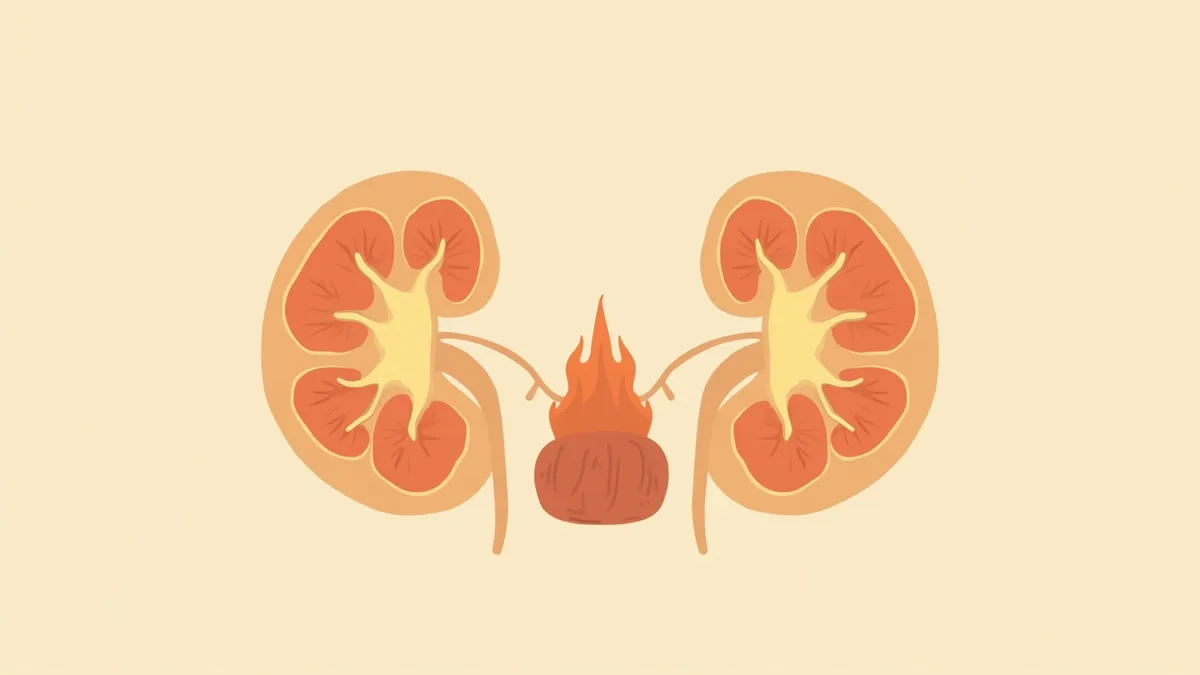
A comparison image of a normal kidney and a fibrotic kidney tissue
Feline renal fibrosis is a process in chronic kidney disease where nephrons, responsible for the kidney’s filtering function, suffer various injuries and fail to recover, leading to a gradual decline in function. - Accumulation of diverse injuries: The kidneys can be subjected to various types of damage, and as these injuries accumulate, the condition progresses to chronic kidney disease. - Irreversible changes: Once kidney tissue is damaged, it generally does not heal; the normal structure gradually deforms, and function permanently decreases. - Decline in function: As filtering capacity drops, the ability to eliminate waste products like creatinine and BUN diminishes, placing a burden on the entire body. - Progressive disease: In the early stages, symptoms are minimal thanks to the kidney’s reserve capacity, but as this reserve is depleted, function gradually declines. Early detection and intervention are key to slowing progression.

What Are the Main Causes of This Condition?
The development of feline renal fibrosis is influenced by aging, the progression of chronic kidney disease, hypertension, genetic predisposition, and various underlying kidney conditions. - Aging: While chronic kidney disease is commonly diagnosed in older cats, it can also occur in younger cats due to congenital or genetic causes. - Hypertension: Cats with chronic kidney disease often have concurrent hypertension, making blood pressure management essential. - Genetic Predisposition: Certain breeds are known to have hereditary kidney diseases, such as polycystic kidney disease in Persians and amyloidosis in Abyssinians and Siamese cats. - Underlying Conditions: Other potential causes of chronic kidney disease include idiopathic chronic tubulointerstitial nephritis, hydronephrosis, hypokalemic nephropathy, kidney tumors (primarily lymphoma), and hypercalcemia. - Preventive Care: Early diagnosis and regular check-ups are crucial for identifying and managing risk factors.
Visible signs of chronic kidney disease in cats

Checklist to Avoid Missing Early Signs

To avoid missing the early signs of feline renal fibrosis, be sure to watch for these key indicators:
Excessive thirst (polydipsia): You may notice your cat drinking significantly more water than usual.
Polyuria (frequent urination): Your cat visits the litter box more often, producing larger volumes of dilute urine.
Weight and muscle loss: Muscle mass decreases, making bones more prominent and giving the body a gaunt appearance.
Decreased appetite: Your cat may lose interest in treats or gradually eat less food.
Deteriorating coat condition: The fur becomes coarse and prone to shedding.
Lethargy: Your cat shows reduced energy, sleeps more, and is reluctant to move from its resting spot.
Checklist for Early Signs of Feline Renal Fibrosis Image

Signs Requiring Immediate Veterinary Attention

If your cat completely loses its appetite, experiences repeated vomiting, or stops urinating altogether, immediate veterinary attention is required. These are signs of severely compromised kidney function, so please consult a veterinarian without delay.

Diagnostic Methods and Procedures
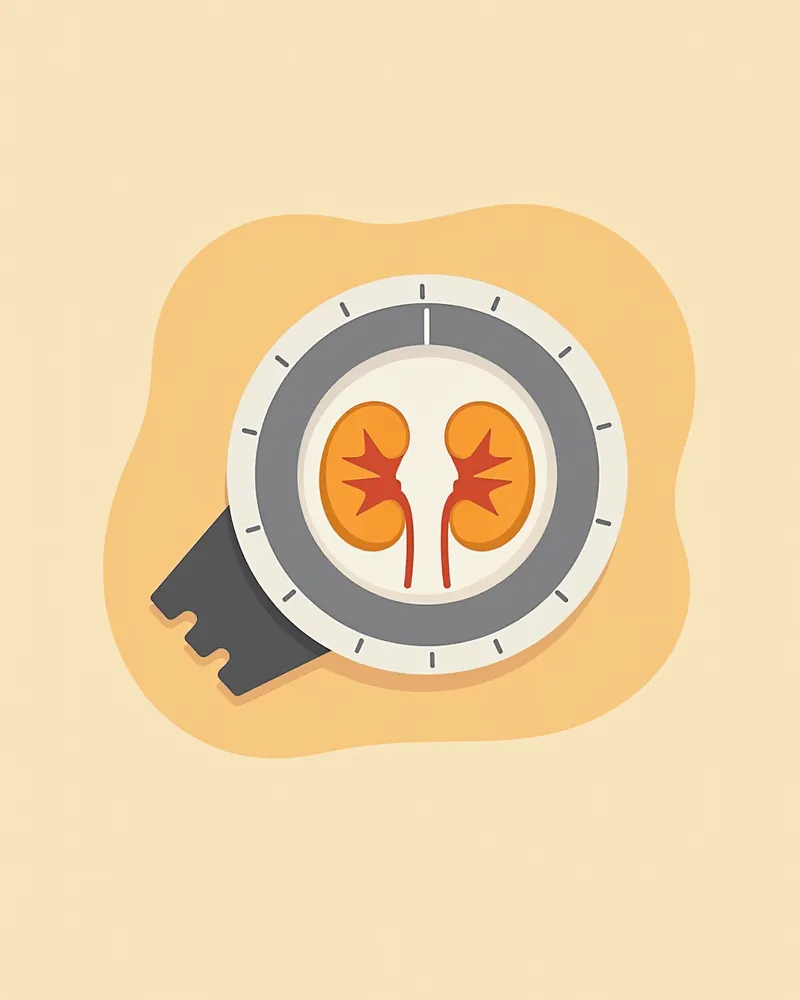
Feline renal fibrosis is diagnosed through a comprehensive evaluation of blood tests, urinalysis, and ultrasound imaging. - Blood tests: Elevated creatinine and BUN levels suggest decreased kidney function, which may be accompanied by increased phosphorus levels and non-regenerative anemia. SDMA is also assessed. - Urinalysis: Low urine concentration (specific gravity) and the presence of protein indicate impaired renal filtration function. - Ultrasound: This imaging checks for reduced kidney size, irregular shape, or structural changes. - Biopsy: If suspicion is high, a kidney tissue sample may be taken to confirm the pathology. - IRIS staging: Staging is determined based on creatinine, SDMA, proteinuria, and blood pressure to guide management. Regular check-ups are recommended for cats aged seven years and older.
Scene of a cat undergoing a kidney ultrasound examination

Treatment and Management Methods

Treatment for feline renal fibrosis focuses on alleviating symptoms and slowing disease progression. - Renal prescription diet: Manage the diet with a prescription food that limits protein and phosphorus to reduce the burden on the kidneys, while ensuring adequate caloric intake and nutritional balance. - Hydration support: Since chronic kidney disease often leads to dehydration, supplement fluids using wet or jelly-based foods, or through fluid therapy. - Blood pressure management: If hypertension is present, manage blood pressure to prevent vascular damage. - Electrolyte and acid-base correction: Monitor and correct concurrent issues such as hypokalemia, hyperphosphatemia, and metabolic acidosis. - Regular monitoring: Continuously assess the cat’s condition through blood and urine tests, and adjust the treatment plan as needed for each individual.
Kidney disease-specific cat food and hydration devices

Comparison of Responses by Symptom Stage

ItemStageMain SymptomsMain ManagementWhether Veterinary Consultation Is Needed
MildDecreased urine concentration, increased thirstSwitch to special food, fluid supplementationMaintain regular testingYes
ModerateWeight loss, decreased appetiteBegin medication, blood pressure managementWeekly testing recommendedYes
SevereVomiting, lethargy, no urinationHospitalization, fluid therapyVisit hospital immediatelyAlways

Stage-based management may be adjusted according to the veterinarian's judgment.

Points to Note: Worsening Due to Improper Management

Feeding your cat regular food or a high-protein diet can place excessive strain on the kidneys, potentially accelerating the progression of kidney disease. Additionally, restricting water intake can lead to severe dehydration and worsen their condition. Do not administer any medications or supplements without your veterinarian’s guidance.

Reviewed by a veterinarian

Dr. Tony — Punnawat Phongkittirak

Dr. Tony — Punnawat Phongkittirak

Veterinarian

A veterinarian who majored in veterinary medicine at Khon Kaen University, Thailand, and completed the IVSA program at North Carolina State University in the United States. Drawing on clinical experience at animal hospitals, he works in the pet healthcare field and is dedicated to building a digital care environment that connects pet parents with veterinarians.

Frequently Asked Questions

Can feline renal fibrosis be cured?
Although chronic kidney disease is currently difficult to cure and irreversible, early detection and consistent management can slow its progression. Since life expectancy varies significantly depending on the IRIS stage and the individual pet, it’s best to consult with your veterinarian for an accurate prognosis based on a thorough staging evaluation.
Does it only occur in senior cats?
While this condition is most common in senior cats, it can also occur in younger cats due to genetic factors or underlying health issues. Early detection is key.
Can dietary management alone be effective?
Dietary management is a crucial component of treatment. Prescription diets restricted in protein and phosphorus help reduce the burden on the kidneys while maintaining nutritional balance, but they are most effective when combined with other treatments, such as blood pressure and electrolyte management.
How often should I bring my pet for a checkup with the vet?
The frequency of check-ups varies depending on the IRIS stage and the progression of the condition. For stable, early-stage cases, check-ups can be spaced out relatively widely, while more frequent visits are necessary for advanced or unstable cases. It’s best to consult with your veterinarian to determine the most appropriate schedule.
What care methods can be done at home?
Place water bowls in several locations and refresh the water frequently, and increase fluid intake by feeding canned food. It is also important to minimize stress and maintain a consistent feeding schedule.

Share

Related Guides

References

[1] Catherine E. Langston et al. (2023) Small Animal Critical Care Medicine, 3rd Edition. Elsevier.

[2] The Cat, Clinical Medicine and Management, 2nd Edition (2022). Elsevier.

[3] The Veterinary Workbook of Small Animal Clinical Cases (2021). Wiley-Blackwell.

This information is based on veterinary literature and does not replace diagnosis or treatment. Please consult a veterinarian for specific health concerns.

Metapet Co., Ltd. | CEO: Park Sung-yong | Business Reg. No. 417-88-02562 | Seoul, South Korea | Customer Center

Why Feline Renal Fibrosis Happens and How to Slow It Down | Meongsiljang