Like
Share
멍실장
골절 부정복술(ORIF) 완벽 가이드

What is ORIF for Dog Fractures? — From Surgery to Recovery

JointQ&AMeongsiljang Veterinary Advisory Board

Open reduction and internal fixation (ORIF) is an orthopedic surgery that directly aligns broken bones and stabilizes them with metal implants. We’ve summarized the procedure, including which pets are candidates, what the surgery involves, and the recovery process, in easy-to-understand terms for pet owners.

What is Open Reduction and Internal Fixation (ORIF)?
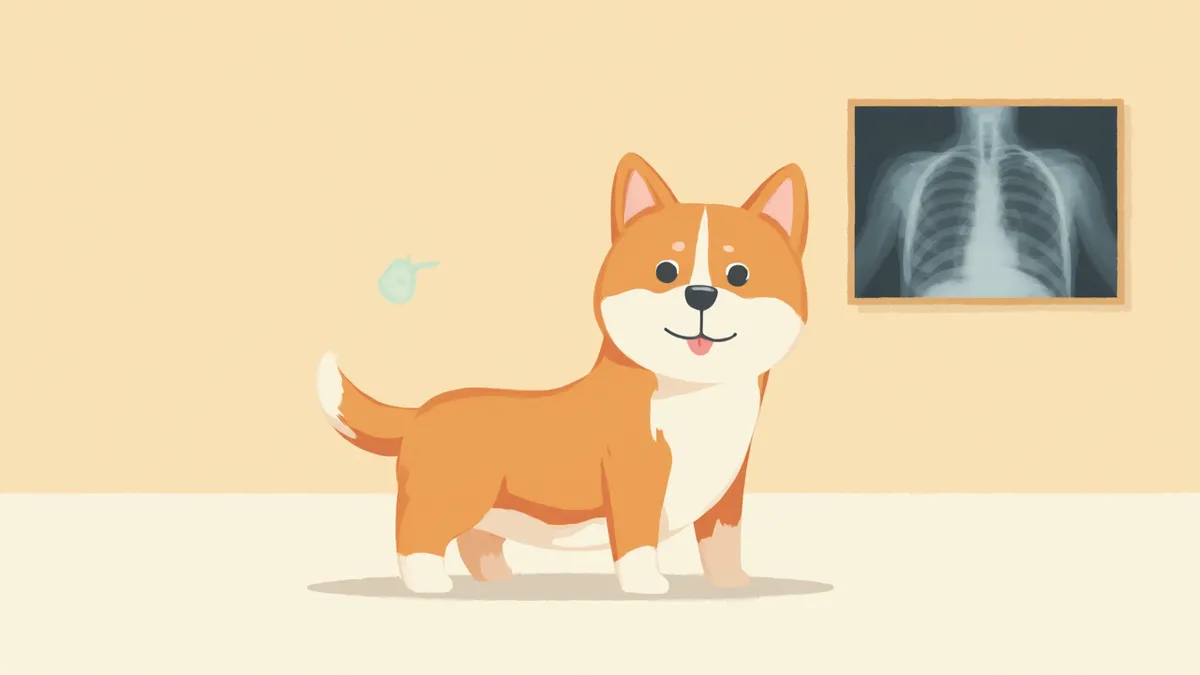
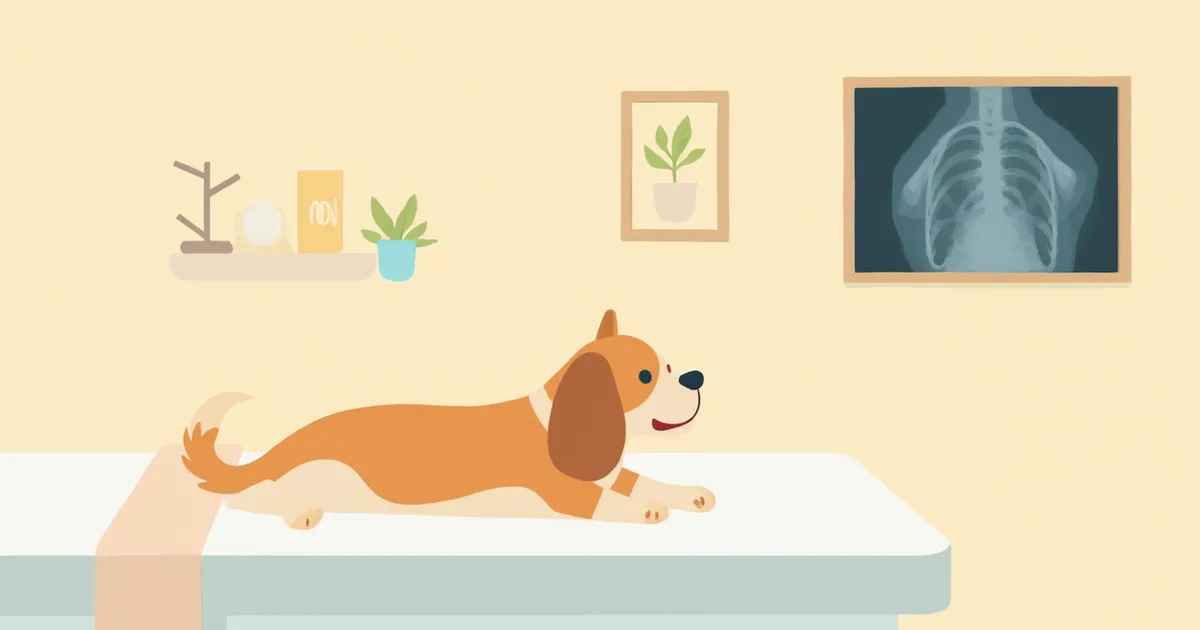
A veterinarian examining a dog's fracture site along with an X-ray image
Open Reduction and Internal Fixation (ORIF) is an orthopedic surgery in which the skin is incised to directly realign broken bone fragments and stabilize them with metal implants such as pins, screws, or plates. The key is precise alignment. If bone fragments heal in a misaligned position, it can cause permanent gait abnormalities, which is why ORIF has become the standard treatment for complex fractures that cannot be adequately managed with a simple cast.

When is ORIF Necessary?

Not every fracture requires surgery. We prioritize open reduction and internal fixation (ORIF) when the bone is shattered into multiple fragments (comminuted fracture), when the joint surface is involved, or when a weight-bearing long bone—such as the femur, tibia, or radius—is broken. In contrast, simple hairline fractures and certain fractures in young animals often heal well with splints or casts. Your veterinarian will determine whether surgery is necessary after evaluating the fracture pattern through X-rays and CT scans.

Conservative Treatment vs. ORIF Surgery

ItemConservative treatment (splint/cast)ORIF surgery
Applicable casesSimple fractures, young animalsComplex, joint-involving, or long-bone fractures
Functional recovery tendencyVaries with fracture pattern and individualRigid fixation allows relatively fast functional recovery
Realignment accuracyModerateVery high
Early weight-bearingDifficultPossible
Fixation stabilityRelies on external fixationSolid with internal metal implants

Whether to operate is always decided by the veterinarian after imaging tests

How is the Surgery Performed?
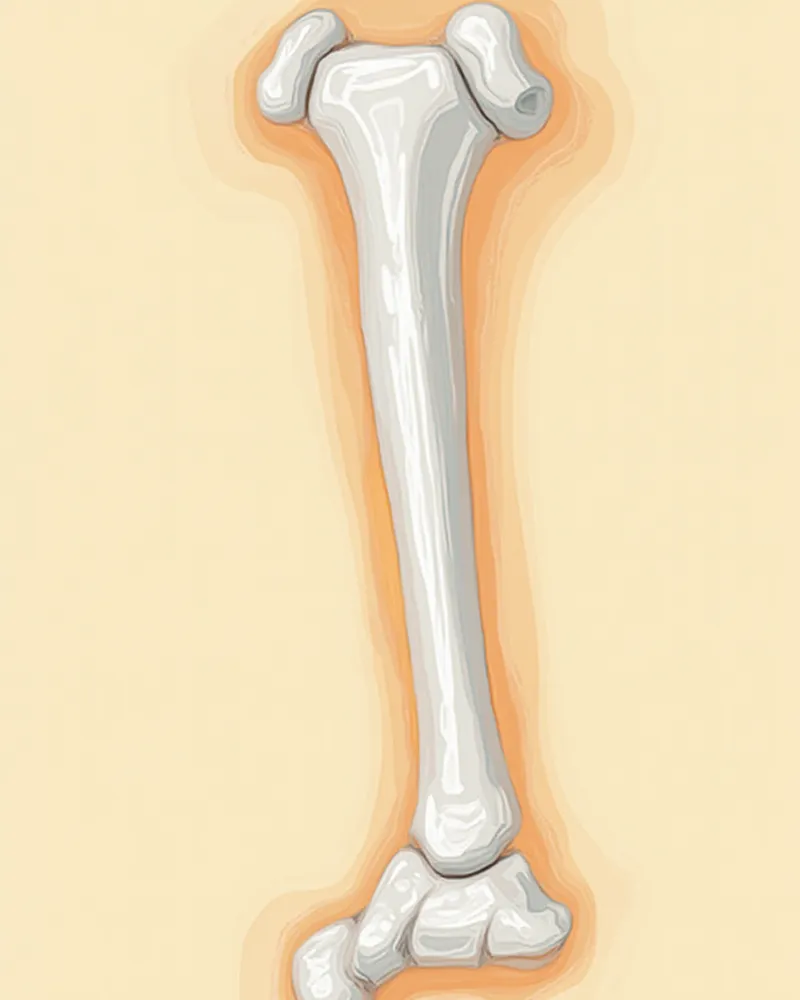
ORIF (Open Reduction and Internal Fixation) is performed under general anesthesia, with the surgical site opened to directly visualize the fractured bone. - Reduction: Misaligned bone fragments are realigned to their original anatomical position. - Fixation: The bone is stabilized using metal implants. Common fixation devices include intramedullary pins inserted inside the bone, plates and screws applied to the bone surface, and external fixators that secure the bone from outside. These devices may be used individually or in combination, depending on the fracture pattern.
Illustration of a dog's femur fracture surgery fixed with a bone plate and screws

What to Check Before Surgery

ORIF is a surgical procedure that involves anesthesia and incisions, so older animals with underlying health conditions should first undergo blood tests, echocardiograms, and chest X-rays to assess their anesthesia risk. In cases of open fractures (where the bone protrudes through the skin), infection control is the top priority, so surgery is scheduled after emergency treatment. Be sure to have a thorough discussion with your veterinarian about the estimated surgical costs, types of implants, and the possibility of recurrence before making a decision.

Post-Surgery Recovery Process
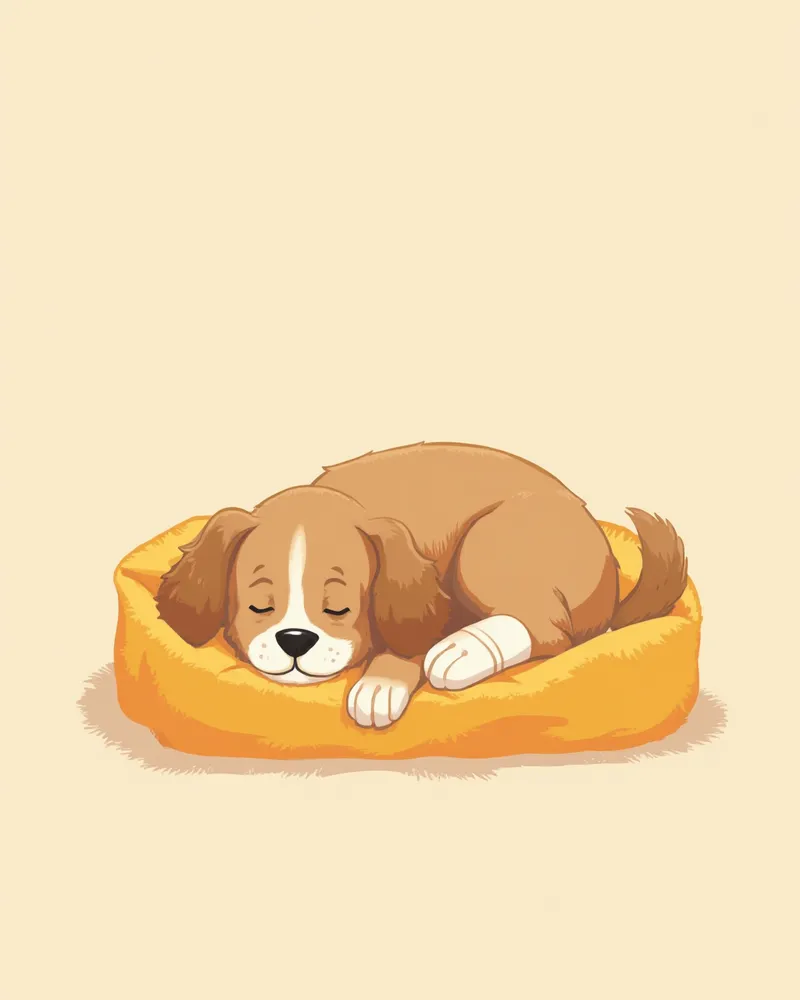
Immediately after surgery, pain medication is administered for a few days to reduce swelling and discomfort. However, while non-steroidal anti-inflammatory drugs (NSAIDs) help alleviate pain, they may delay bone healing; therefore, your veterinarian will carefully determine the appropriate medication type, dosage, and duration based on your pet’s weight and recovery status. Strict cage rest is essential during the initial post-operative period, followed by gradually introduced short leash walks within the limits set by your veterinarian. Regular X-rays are taken to monitor callus formation and ensure proper bone union. Since the total recovery time varies depending on the nature of the fracture and the individual patient’s condition, please follow your veterinarian’s guidance.
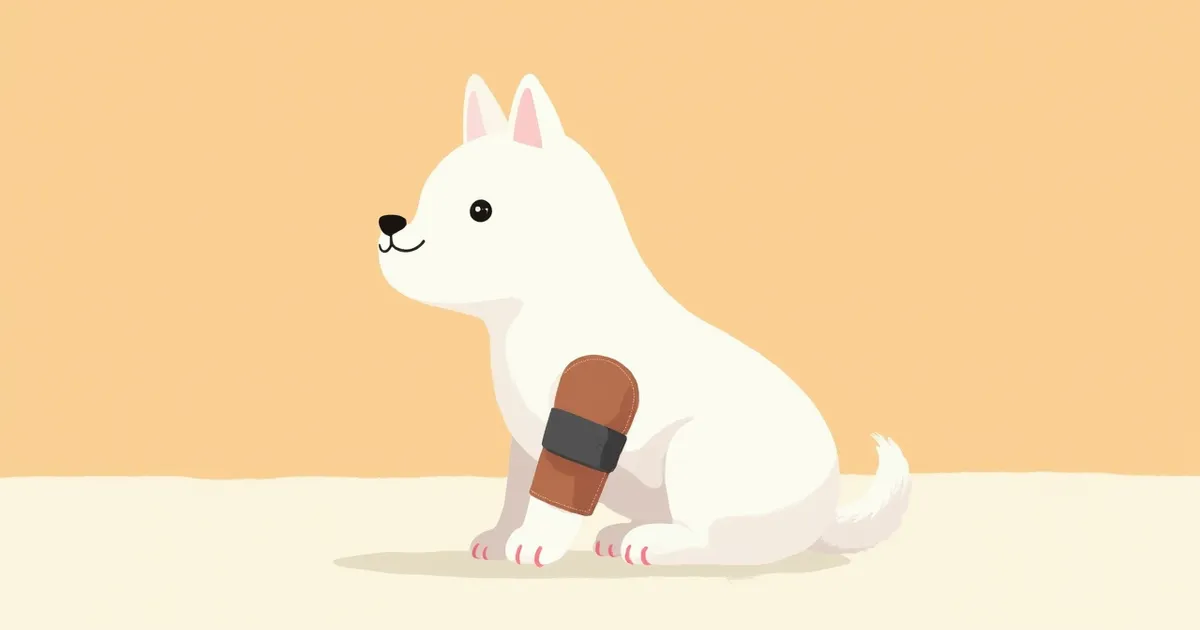
A puppy with a bandaged leg resting in a cage after surgery

Essential Home Care Points

- Activity restriction: Absolutely no running or climbing stairs. - Weight management: Obesity places excessive stress on fixation devices. - Wound care: If the surgical site becomes red or starts draining, visit the clinic immediately. - Nutrition: A balanced diet and adequate nutrition are crucial during the post-operative recovery period. If loss of appetite persists, or if the patient is a senior or has metabolic disorders (such as hyperadrenocorticism), bone healing may be delayed; please consult your veterinarian for nutritional management. - Rehabilitation: Gradually increasing exercise levels as directed by your veterinarian helps minimize muscle atrophy. The timing and methods for starting rehabilitation are determined by your veterinarian based on bone union status confirmed via X-rays and the individual patient's condition.

Go to the Clinic Immediately If You See These Signs

Severe swelling, heat, or pus at the surgical site; sudden inability to bear weight on the leg; a sensation that the fixation device is protruding through the skin; and loss of appetite or lethargy lasting more than three days are all warning signs of complications. Although rare, hardware failure, infectious osteomyelitis, or delayed bone healing may occur, potentially requiring additional surgery. If your dog needs joint protection after surgery, please also refer to our Dog Joint Care Guide.

Reviewed by a veterinarian

Dr. Tony — Punnawat Phongkittirak

Dr. Tony — Punnawat Phongkittirak

Veterinarian

A veterinarian who majored in veterinary medicine at Khon Kaen University, Thailand, and completed the IVSA program at North Carolina State University in the United States. Drawing on clinical experience at animal hospitals, he works in the pet healthcare field and is dedicated to building a digital care environment that connects pet parents with veterinarians.

Frequently Asked Questions

Do the pins or plates inserted into the bone need to be removed later?
In most cases, it’s perfectly fine to leave them in place. However, if they’re located near the growth plates of a young animal, or if there’s a foreign body reaction or infection, we’ll perform a removal surgery once the bone has fully fused.
How long will it take for my pet to walk again after surgery?
Recovery speed varies depending on the fracture site, fixation method, and individual health status. With rigid internal fixation, many dogs gradually begin to bear weight and regain function relatively early on, but the exact timing is determined by your veterinarian through X-ray confirmation of bone healing. The total time required for full recovery also varies significantly from one individual to another.
Can cats undergo ORIF (Open Reduction Internal Fixation) surgery?
Yes, cats can receive the same treatment. However, because they are smaller, a mini implant is required, and they are more susceptible to growth plate injuries, so it’s best to refer them to an experienced orthopedic veterinarian.
Can't we just use a cast instead of ORIF?
While simple fractures can be treated with a cast, complex fractures involving joints or the pelvis often cannot maintain proper alignment with casting alone, which may lead to malunion or nonunion.
When can I start walking my pet after surgery?
The timing for resuming walks depends on the bone healing status rather than a fixed date. Start with short leash walks within the range set by your veterinarian, gradually increasing the time spent walking on flat ground, and avoid running or jumping until an X-ray confirms that the bone has healed sufficiently.

Share

Related Guides

References

[1] Tuan Anh Nguyen et al., Textbook of Veterinary Orthopaedic Surgery, 2023

[2] R. Singh, Handbook on Field Veterinary Surgery - Ch21: Management of Fractures

[3] McCarthy 연구팀, Canine Fracture Healing Outcomes, 2007

This information is based on veterinary literature and does not replace diagnosis or treatment. Please consult a veterinarian for specific health concerns.

Metapet Co., Ltd. | CEO: Park Sung-yong | Business Reg. No. 417-88-02562 | Seoul, South Korea | Customer Center

ORIF for Dog Fractures: Surgery to Recovery Guide | Meongsiljang