Like
Share
멍실장
고양이 중성화 후 호르몬 변화 자주 묻는 질문 Q&A — 보호자가 꼭 알아야 할 핵심

Will my cat really gain weight after neutering? — How to manage hormonal changes

EndocrineQ&AMeongsiljang Veterinary Advisory Board

Here’s a roundup of the most common questions pet owners ask about hormonal changes after cat neutering. We’ll walk you through everything—from behavioral shifts and weight gain to health impacts—with clear, detailed explanations.

What are hormonal changes after cat neutering?
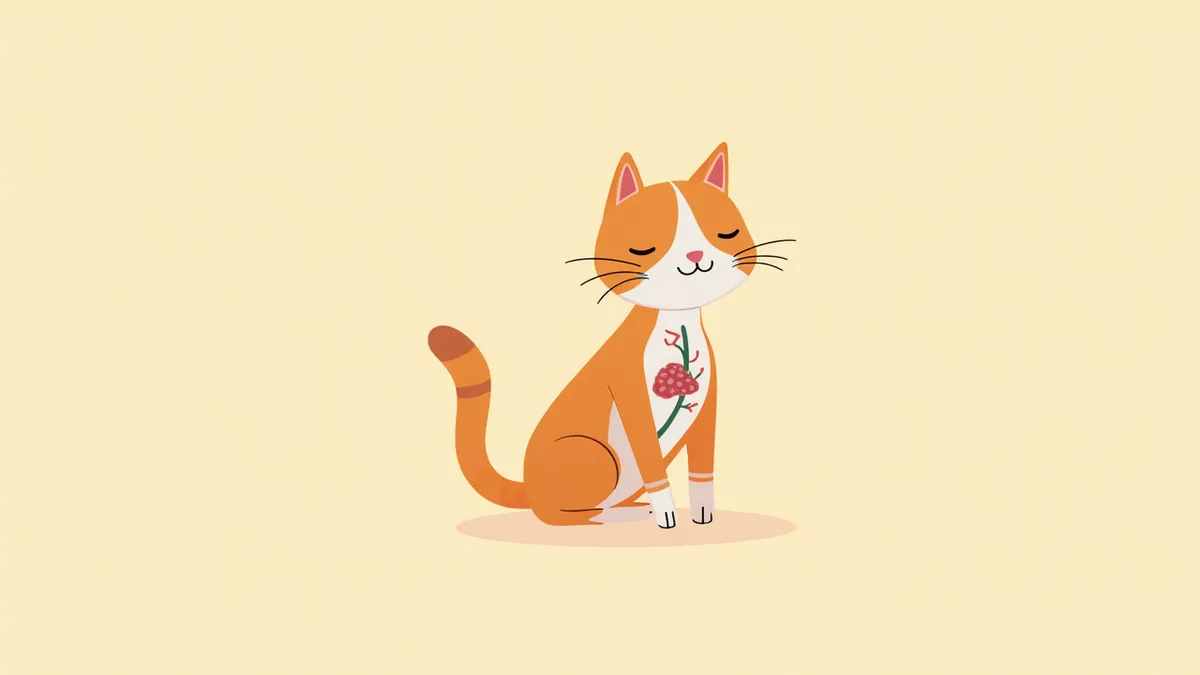
The feline reproductive hormone system
After neutering, cats experience hormonal changes as a natural physiological response to the removal of the reproductive glands (ovaries or testes), which leads to a decrease in sex hormones. As a result, behaviors associated with reproduction, such as heat cycles, spraying, roaming, and fighting, are significantly reduced. - Decreased sex hormones: The removal of the ovaries or testes reduces sex hormone levels, weakening behaviors driven by reproductive instincts. - Behavioral changes: A reduction in reproductive-related behaviors like heat cycles, roaming, fighting, and spraying leads to a more stable and harmonious life with their owners. - Weight and activity management: Neutered cats tend to have a smaller activity range, so it is important to maintain a healthy body condition by appropriately managing their food intake. - Environmental adaptation: Providing an enriched environment and regular playtime helps support the cat's emotional well-being. - Long-term health benefits: The risk of reproductive diseases, such as genital infections and tumors, is reduced.

Major hormonal changes after neutering and their effects
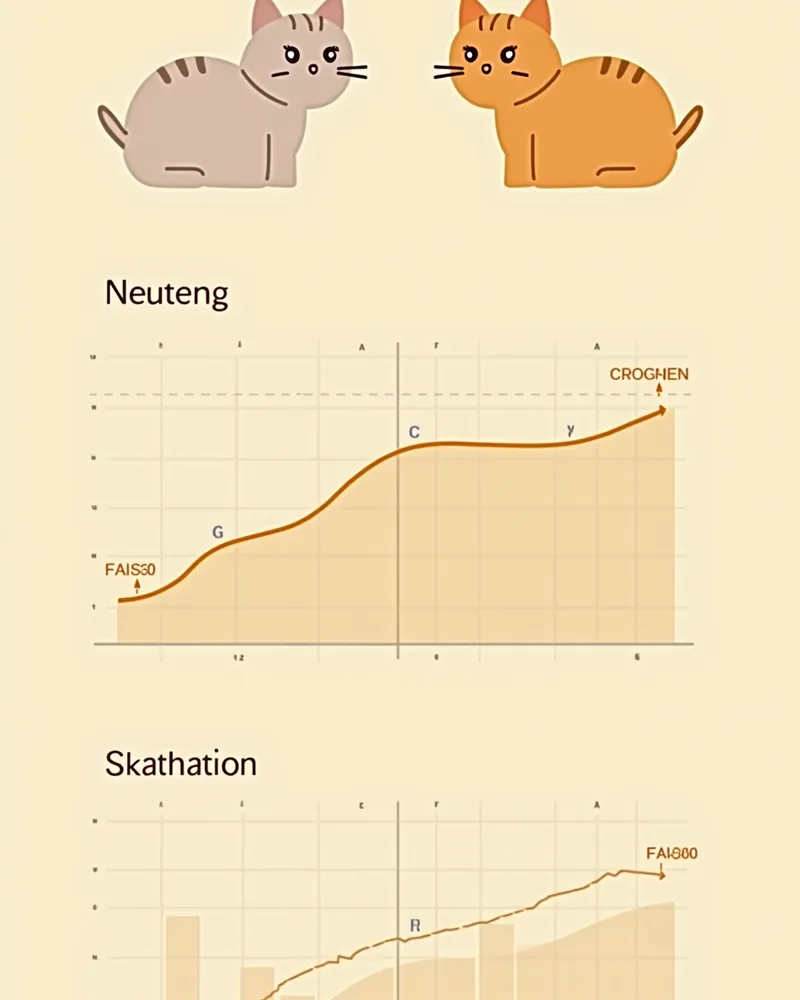
Spaying or neutering is a surgical procedure that removes the ovaries and uterus in females or the testicles in males, leading to a decrease in sex hormone levels. As a result, reproduction-related behaviors such as heat cycles, marking, roaming, and fighting are significantly reduced. - Behavioral Stabilization: Behaviors influenced by sex hormones diminish, with changes appearing gradually depending on the individual. - Emotional Stability: With fewer reproduction-related stimuli, life with your pet can become more stable and harmonious. - Health Improvement: The risk of reproductive diseases, such as genital infections and tumors, is reduced. - Weight and Body Condition Management: Since activity levels may decrease, managing food intake is important to maintain a healthy body condition. - Lifestyle Adjustments: Regular exercise and appropriate food choices can be beneficial.
Changes in hormone levels before and after neutering

5 frequently asked questions after neutering

Here are the most common questions pet owners ask about hormonal changes after cat neutering. I’ll provide a thorough explanation covering weight and body condition management, behavioral changes, health impacts, post-surgical recovery, and long-term effects. - Weight and body condition management: Because cats tend to become less active after neutering, it’s important to maintain a healthy body condition by carefully controlling food intake. - Behavioral changes: You’ll likely see positive reductions in reproduction-related behaviors such as heat cycles, roaming, fighting, and spraying. - Recovery period: Monitor the surgical site for any bleeding. Starting the day after surgery, offer water and food normally while observing your cat’s recovery progress. - Long-term health: Neutering reduces the risk of reproductive diseases, including infections and tumors of the reproductive organs. - Care tips: Focus on proper diet management, regular exercise, and environmental enrichment.
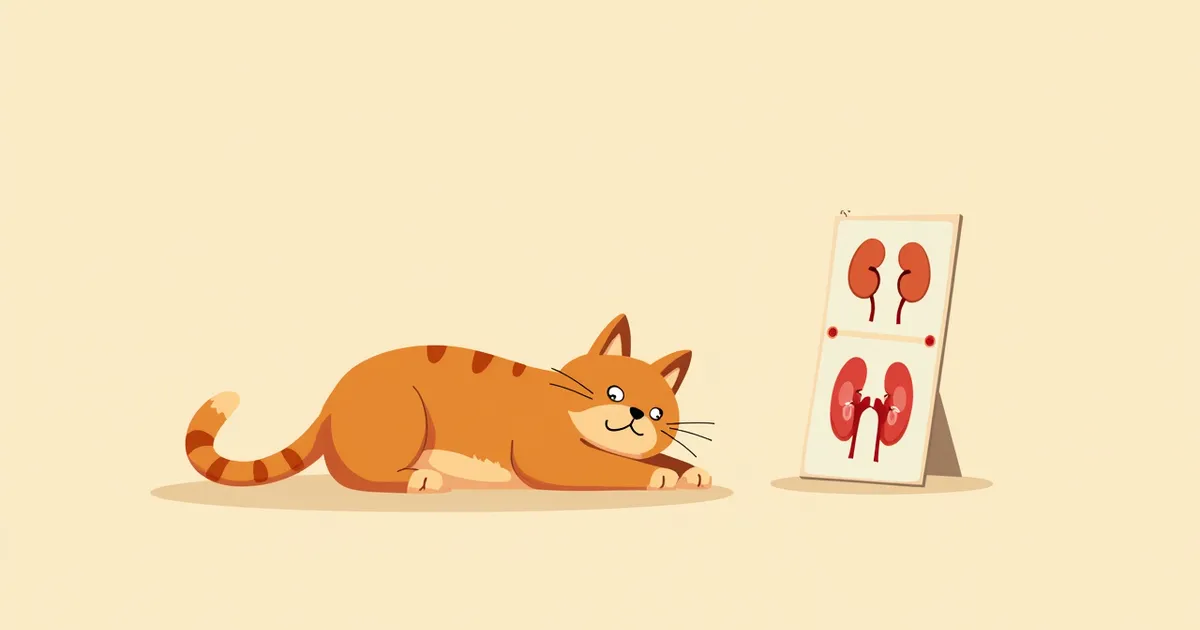
A cat pondering questions after being neutered

Reviewed by a veterinarian

Dr. Tony — Punnawat Phongkittirak

Dr. Tony — Punnawat Phongkittirak

Veterinarian

A veterinarian who majored in veterinary medicine at Khon Kaen University, Thailand, and completed the IVSA program at North Carolina State University in the United States. Drawing on clinical experience at animal hospitals, he works in the pet healthcare field and is dedicated to building a digital care environment that connects pet parents with veterinarians.

Frequently asked questions

Why do cats tend to gain weight after being spayed or neutered?
After neutering, pets tend to become less active and may require weight management even when eating the same amount of food. You can help maintain a healthy weight by feeding a veterinarian-recommended diet and ensuring regular exercise.
Is it normal for aggression to decrease after neutering?
Yes, that’s normal. As sex hormone levels decline, breeding-related behaviors such as fighting and roaming naturally decrease.
Is it a problem if my cat becomes more timid or lethargic after being neutered?
It’s normal for your pet to seem withdrawn or hide temporarily during the immediate post-surgery recovery period. However, if these changes persist, consult your veterinarian to rule out pain or underlying illness.
Will the odor-marking behavior completely disappear after neutering?
In most cases, spraying behavior significantly decreases or disappears entirely, though some cats may retain the habit. This can be improved through training and environmental adjustments.
Are there any health issues caused by hormonal changes after neutering?
On the flip side, the risk of reproductive tract infections, tumors, and heat-related issues decreases. This has a positive impact on your pet’s long-term health and well-being.

Comparison of behavioral changes before and after neutering

ItemBefore neuteringAfter neutering
Estrus behaviorRecurring heat cycles, vocalizing (yowling), scent markingDisappears or extremely reduced
AggressionHigh level, fighting with other catsReduced, calmer temperament
MobilityExploring outdoors, running away (roaming)Increased time staying indoors, reduced activity range
AppetiteNormal levelWeight management may be needed

Behavioral changes vary between individual cats, and management together with a veterinarian may be needed.

Management points after neutering
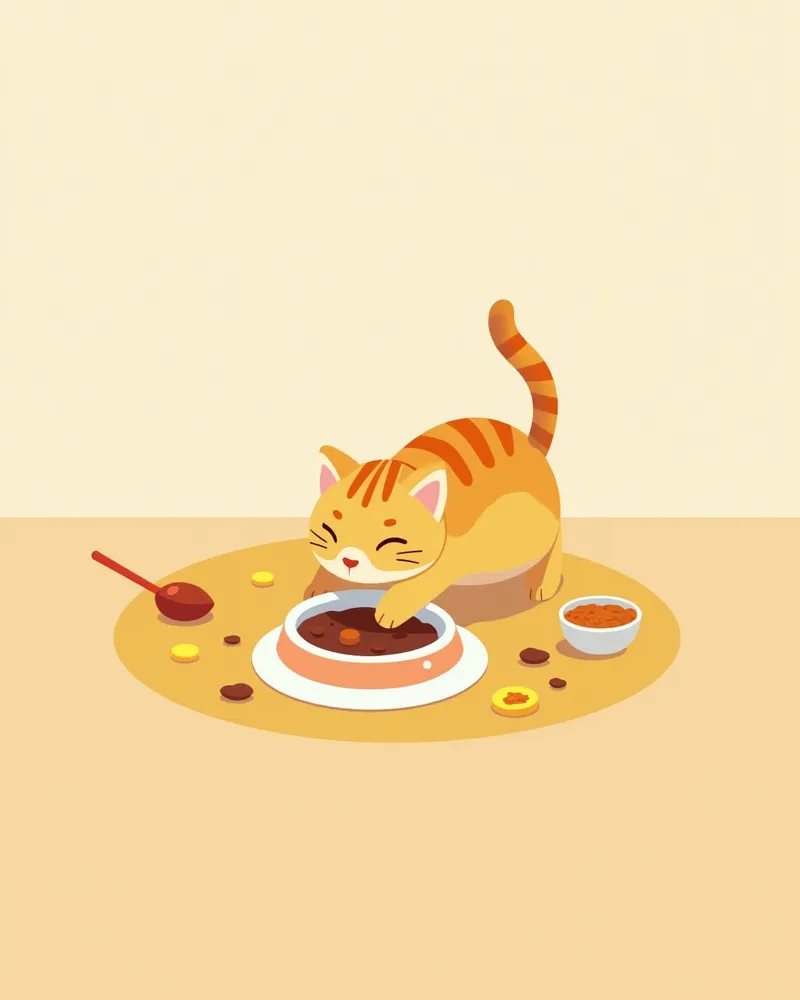
After neutering, your cat’s lifestyle should be adjusted to accommodate hormonal changes. Managing food intake, ensuring regular exercise, and enriching the environment are key. - Diet Management: Switching to a veterinarian-recommended diet makes weight control easier. - Encouraging Exercise: Use toys and play equipment to encourage 10–15 minutes of activity daily. - Environmental Enrichment: Provide high perches, hiding spots, and novel stimuli to reduce stress. - Regular Check-ups: Visit the clinic within 1–2 months after surgery to monitor recovery. - Behavioral Monitoring: Seek veterinary care if you notice lethargy, loss of appetite, or a sudden increase in aggression.
Cats for a Healthy Life After Neutering

Caution: Visit the vet if behavioral changes persist for a long time

Lethargy, loss of appetite, or a sudden increase in aggression lasting more than two weeks after neutering may be signs of stress or an underlying medical condition. Please consult your veterinarian immediately.

Health benefits after neutering

Neutering greatly benefits your cat’s long-term health and overall well-being. It reduces the risk of reproductive diseases, such as genital infections and tumors, and helps minimize behaviors associated with mating. - Disease Prevention: Lowers the risk of reproductive issues, including genital infections and tumors. - Behavioral Stability: Reduced sex hormones decrease mating-related behaviors like fighting, roaming, and spraying. - Improved Quality of Life: A smaller roaming range and easier maintenance of a healthy body weight contribute to better overall welfare. - Stronger Bond with Owners: With fewer mating-driven impulses, life at home becomes calmer and more stable for both you and your cat. - Easier Adaptation to Home Life: Less roaming and fewer escape attempts help your cat adjust more comfortably to indoor living. - Ongoing Care Needed: Consistent weight management and regular veterinary check-ups remain essential.
Healthy Cats and Their Owners After Neutering

Additional questions

Do hormonal changes after neutering last for more than a year?
Behavioral changes related to sex hormones gradually stabilize after surgery and typically remain consistent thereafter. However, the speed at which these changes occur can vary from pet to pet.
Is it normal for a cat to become more affectionate after being neutered?
Yes, that’s normal. As reproductive drives decrease, many pets become more emotionally stable and grow closer to their owners.
Should I change my pet’s food after neutering?
Switching to a veterinarian-recommended diet can help with body condition management and maintaining overall health.
Do cats sleep more after being neutered?
During the post-surgical recovery period, your pet may sleep more than usual, but their sleep patterns will gradually return to normal afterward.
Does a cat’s grooming habit change after neutering?
Grooming habits vary from dog to dog. However, a sudden increase or decrease in grooming after surgery may signal pain or stress, so please consult your veterinarian if the change persists.

Share

Related Guides

References

[1] The Cat, Clinical Medicine and Management, 2nd Edition, 2020

[2] Handbook on Field Veterinary Surgery, Chapter 19: Ovariohysterectomy in Canines and Felines, 2018

[3] The Dog Care Handbook, Things I Wish My Vet Had Told Me, 2023

This information is based on veterinary literature and does not replace diagnosis or treatment. Please consult a veterinarian for specific health concerns.

Metapet Co., Ltd. | CEO: Park Sung-yong | Business Reg. No. 417-88-02562 | Seoul, South Korea | Customer Center

Do Cats Gain Weight After Neutering? Hormone Care Q&A | Meongsiljang